


Bridging Two Worlds
Chess.com has turned the strategic complexity of chess into a global internet phenomenon. With over 200 million registered users, its success lies in offering simple beginnings, training challenges, game analysis, and the ability to instantly play against either a computer or a live opponent. Now, it plans to bring this model to the world of poker.
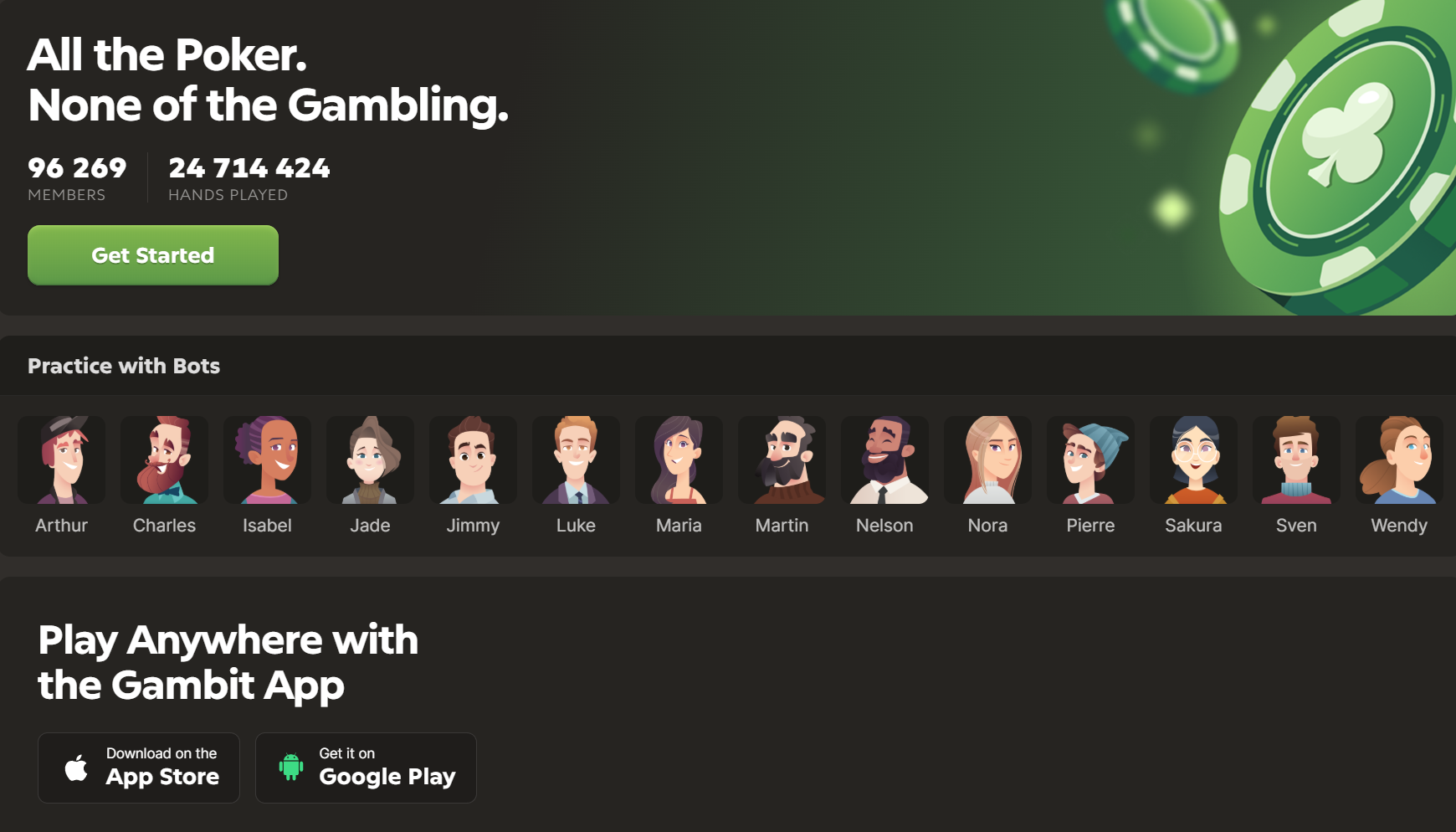
The result is Gambit, a new platform built on the technological and design principles of Chess.com. Players can enjoy free matches against bots, friends, and other users, take lessons, analyze their hands, and track progress. Gambit is available both in-browser and via iOS and Android apps.
Poker Without Stakes, Rake, or Newcomer Pressure
Gambit was primarily developed as a space where complete beginners can explore poker without the risk of losing their initial stake to more experienced players. According to the developers, the current online poker landscape has a fundamental issue: platforms profit when new players lose, while quality training sites are expensive and often assume the user already knows at least the basics of strategy.
Gambit aims to fill this gap. The platform provides a virtual coach, game analysis, strategic lessons, bot training, and daily tournaments. Beginners can jump right into playing and receive feedback on their decisions without having to watch lengthy videos or risk real money.
Poker Gets Its Own Chess-Like Rating
One of the most intriguing features is a rating system inspired by the Elo rating in chess. Gambit seeks to match players based on performance, gradually assigning them more suitable opponents.
In traditional online poker, success is usually measured by profit, return on investment, or vast numbers of game outcomes. These metrics can be overwhelming for beginners and are heavily influenced by short-term variance. A simple rating allows users to see if they are improving without delving into complicated databases.
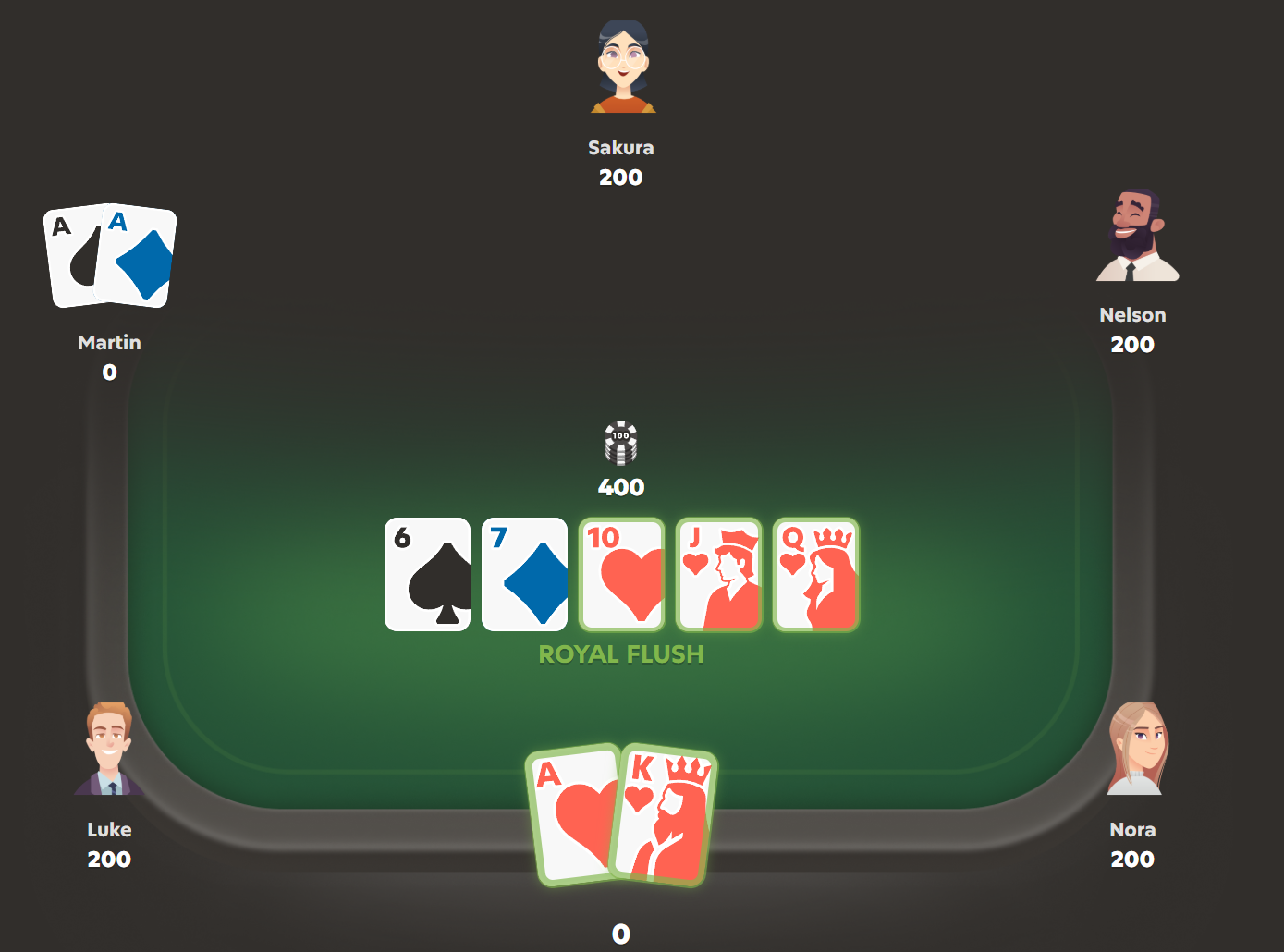
Besides regular cash games, Gambit also offers tournament formats. Speedrun events feature five-minute blind levels, while Gambit Cups resemble classic online tournaments. The platform maintains leaderboards, announces players of the month, and publishes event results.
Can Chess.com Introduce a New Generation to Poker?
The connection between chess and poker is not new. Both games are built on strategic decision-making, working with available information, and anticipating opponents’ moves. However, poker adds hidden information, psychology, and a notable impact of short-term randomness.
Successful players with a chess background include Michael Addamo. Former Team PS Pro was represented by American chess grandmaster Jennifer Shahade, and Alexandra Botez frequently appears in major poker tournaments and televised cash games. Even former world champion Magnus Carlsen has tried his hand at poker.
Chess.com has an ideal community for this new project. Its users already appreciate strategic games, online competition, rating systems, and regular training. Gambit removes the biggest initial barrier—fear of learning poker at the expense of one's own money.

The project is currently in beta, and its creators openly admit it’s not complete. However, access to Chess.com’s vast community makes Gambit one of the most interesting poker education projects in recent years. If it replicates even part of its chess platform’s success, it won't need to compete with existing rooms. Instead, it can cultivate an entirely new generation of players.
Sources: Chess.com, PokerNews, Gambit, Flickr/PSlive