

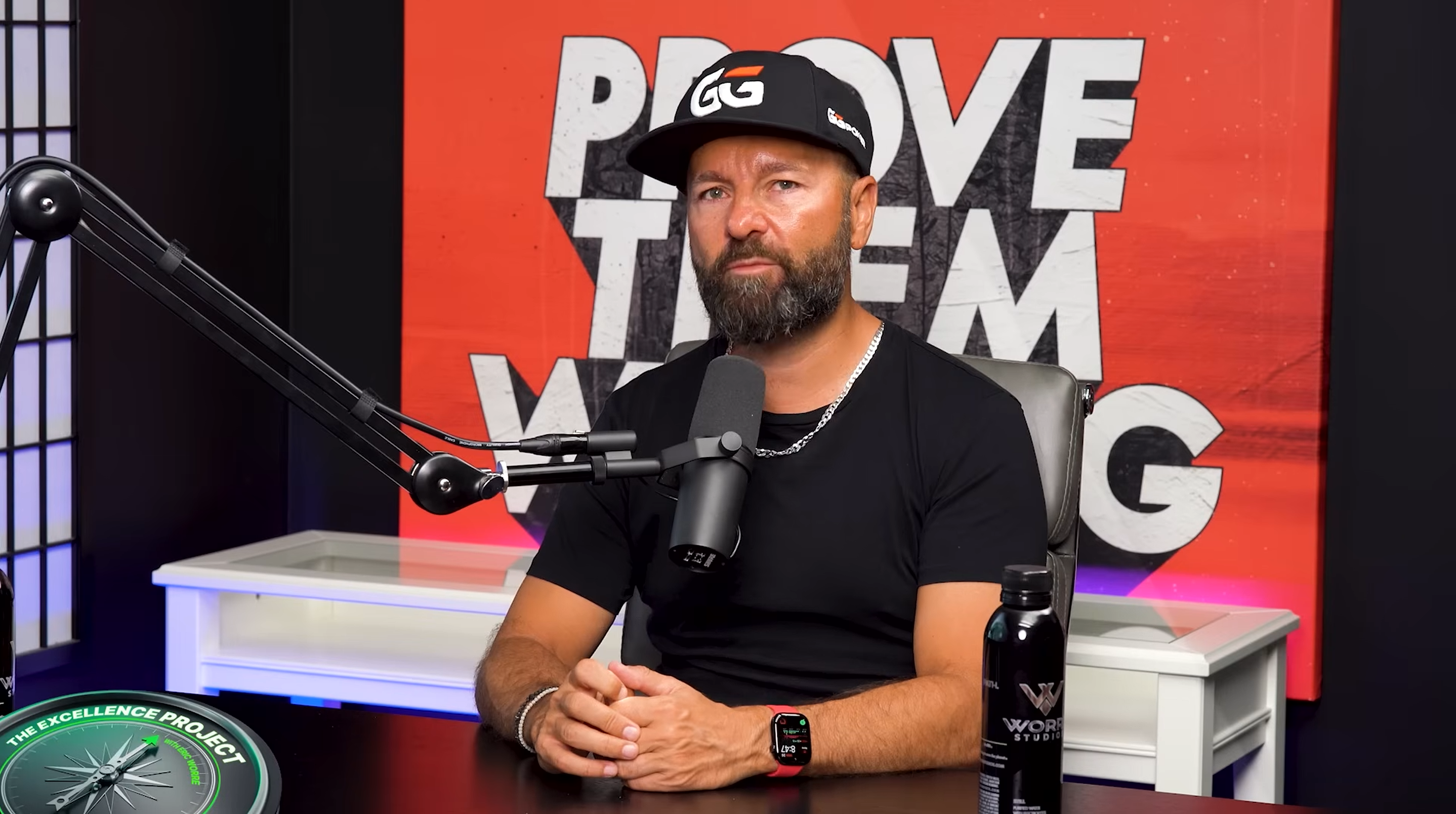
The poker community often appreciates when one of its members steps outside the spotlight of poker media, broadening the awareness of this card game. And that's exactly what Daniel Negreanu did when he appeared as a guest on Eric Worre's Network Marketing Pro podcast, offering viewers an intriguing experience. The conversation doesn't skim the surface; it's open, candid, and showcases the player not through results but through mindset.
From the Romantic Old Poker to Today's Mathematical Reality
At the beginning of the interview, Negreanu accurately defines the difference between "old" and "new" poker. In the past, unique personalities, psychological games, and trash talk dominated. Today, players are quieter, more methodical, and rely on data, combinatorics, and long-term expected values. However, he quickly notes that while the tools have changed, people haven't. Even today, it's crucial who can better handle pressure, mistakes, and unexpected situations.
One of the most compelling parts of the interview focuses on reading people — not as a mystical ability but as systematic observation of behavioral patterns. Negreanu describes how he trained himself from a young age to notice details — from body language to micro-changes in behavior. "People tend to ignore their instincts. Poker taught me to trust my initial feelings while also verifying them with experience. This approach works for me in investing, negotiations, and interpersonal relationships."
Bankruptcy as Part of the Journey, Not a Failure
Negreanu speaks openly about being broke multiple times in his youth. Downswings, bad decisions, and overconfidence. Yet, he marks these periods as key moments of growth. He views failures as "breakdowns" that create space for "breakthroughs." When things are going well, you analyze little. When they're not, you're forced to be honest with yourself.
One of the most practical thoughts from the interview is separating the quality of the decision from the outcome. In poker, you can make the right move and still lose. But if you start judging yourself only by short-term results, you'll ruin yourself in the long run. Negreanu emphasizes that the same principle applies in life. Good decisions may not pay off immediately. That doesn't mean they were wrong. The key is to stay committed to the process.
Emotional Intelligence as a Hidden Advantage
A large part of the interview focuses on emotional management. Negreanu describes an experience with an intense personal development course that helped him understand the difference between playing the victim and taking full responsibility for his own reactions. "It's not the events, but your reactions to them, that shape your career and life. This shift in thinking is one of the biggest breakthroughs of my adulthood, something that has helped me not only in poker but also in relationships and business."
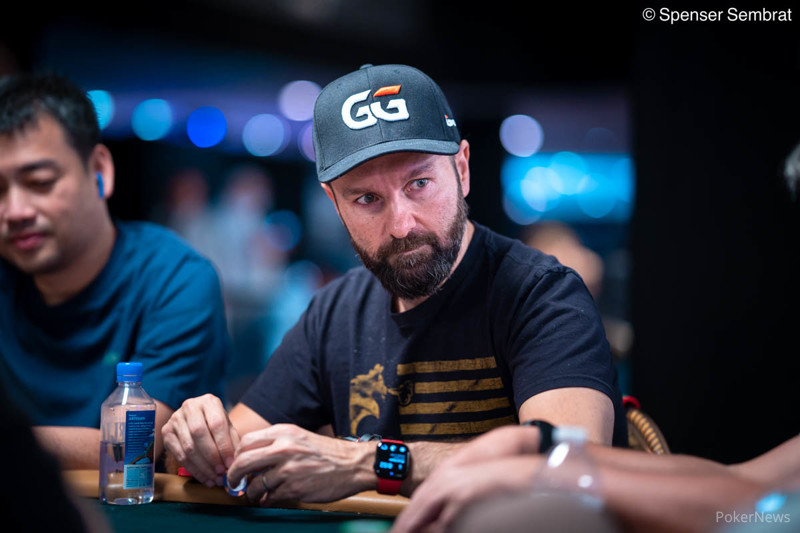
An intriguing moment is Negreanu's statement about money. He's never viewed it as an end goal but as a tool. Poker allowed him to play with the best, travel, decide his own time, and later choose where to invest his energy. That's why he rejects the endless accumulation of wealth without purpose. True value, according to him, lies in experiences, relationships, and inner peace — not in more digits on a bank account.
This podcast isn’t about playing better hands. It's about thinking better as a person. It shows that top-tier poker isn’t just about cards but about bearing responsibility, learning from mistakes, and staying humble even after decades of success.
Sources – YouTube, WSOP, Photo Credits Spenser Sembrat

