

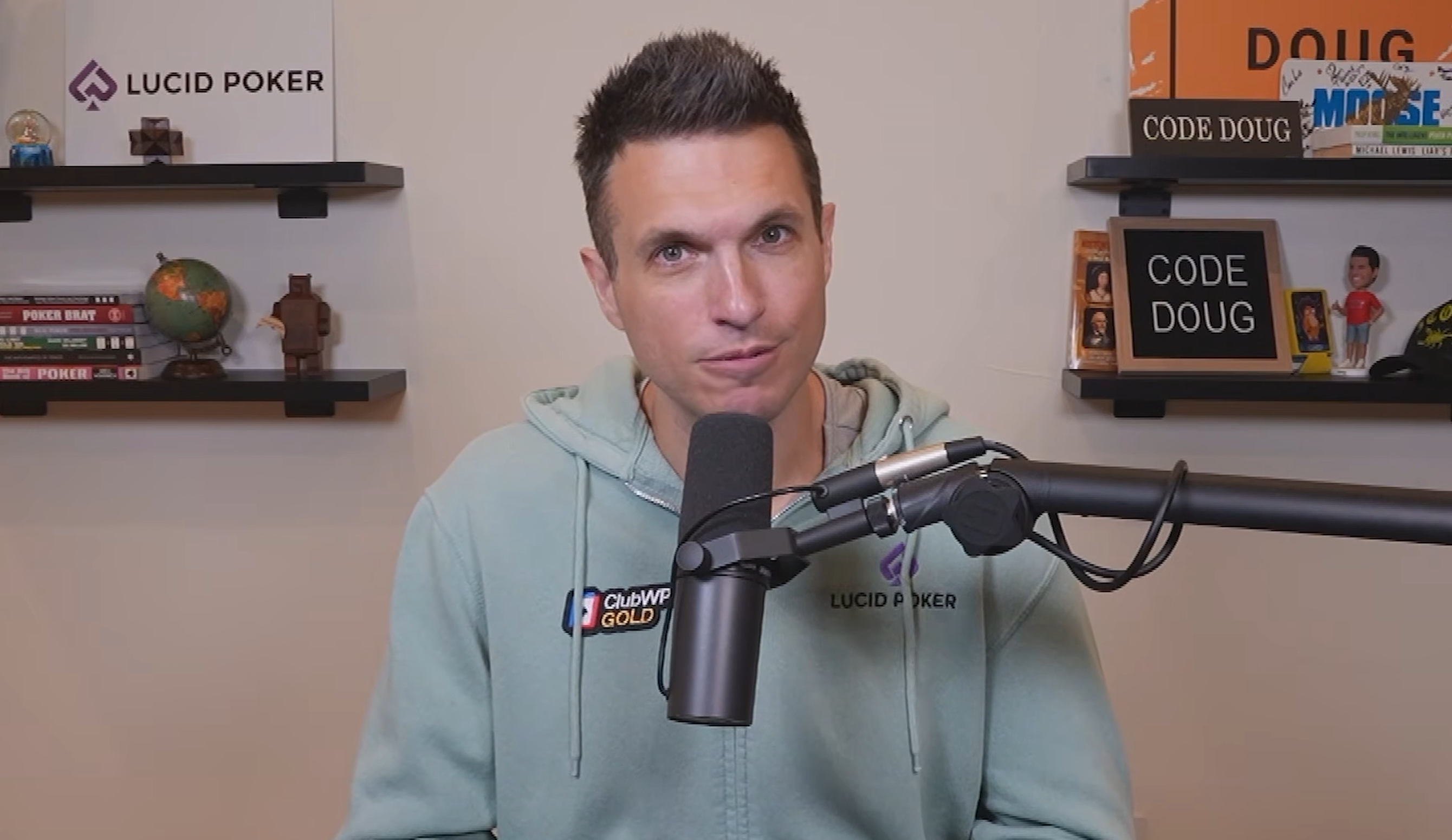
In his video, Polk admits to playing the Main Event around thirteen to fifteen times. According to him, he's only cashed twice, potentially losing about $80,000 to $100,000 on buy-ins. He doesn't dwell on the exact number. What matters more are the stories behind those losses. And there are plenty of them.
The First Main Event and an Immediate Lesson
Polk first entered the Main Event in 2010. Freshly 21, full of confidence, and ready to showcase his A-game in the world's biggest tournament. Yet, one of his initial hands turned into a lesson he'll never forget.
An opponent opened from the hijack, Polk called on the button, and the flop came A-7-2. Polk sensed the opponent didn't want to see an ace on the board. According to his read, the guy was holding kings. So, Polk decided to attack, betting the flop with nothing. The opponent called immediately.
The turn was a meaningless four, and the opponent checked in the dark. Polk continued with a big overbet. Another call. The river changed nothing. Polk felt he had to complete the story. He bet the majority of his stack, about $25,000 into a $20,000 pot, expecting a tough decision. Instead, he got a snap call.
The opponent turned over kings, and Polk was essentially out of the Main Event by the second level of the first day. At least he stuck to his read. But that's the brutality of the Main Event. Sometimes you have the read, the courage, and the story. Yet you still end up on the rail.
2011 and a Painful Cash
The next year, Polk returned more disciplined. He avoided getting into big pots early on and managed to last until the day when the Main Event breaks into the money. On the bubble, he sat with pocket nines on the button. A big stack on the CO opened, Polk 3-bet, and the opponent responded with a 4-bet. Polk felt the opponent was applying pressure. But he didn't want to bust before the money.
Instead of making a clear decision, he opted for a compromise that often hurts the most in poker – just called. The flop came 8-4-2, an almost ideal board for nines. Polk decided to call down. But then an ace hit the turn.
The opponent bet again, and Polk folded. He still doesn't know what the opponent held. Only that he lost a large part of his stack, made it into the money, but exited soon after. It was his first Main Event cash, but not a feeling of victory. More like a recurring question: should he have trusted his read?
Kings, a Set on the River, and a Player Shouting "You Called"
One of Polk's most bizarre experiences occurred around 2014 or 2015. In an early level of the Main Event, he held pocket kings. After a raise and a call, he 3-bet and got two callers, heading to a T-8-5 flop with two spades. Polk bet, another player folded, and he remained against an opponent in a Brazilian cap.
A deuce hit the turn. Polk made another big bet. The opponent called. The river was a three, apparently changing nothing. The pot was sizable, stacks nearly equal to the pot. Suddenly, the opponent donk-shoved all-in. Polk was taken aback. They stared. The opponent then declared, "You called," and revealed pocket threes. A set on the river.
Yet, Polk hadn't said anything. He hadn't called. The floor was called; the dealer confirmed Polk hadn't spoken. The opponent was penalized for his antics, but his hand remained valid. Polk faced an absurd situation: staring at the opponent's set, the decision was back on him, and he could simply fold. Of course, he did. Polk lost a huge chunk of his stack, and his Main Event began to unravel.
Visible Cards and an Ethical Dilemma at the Table
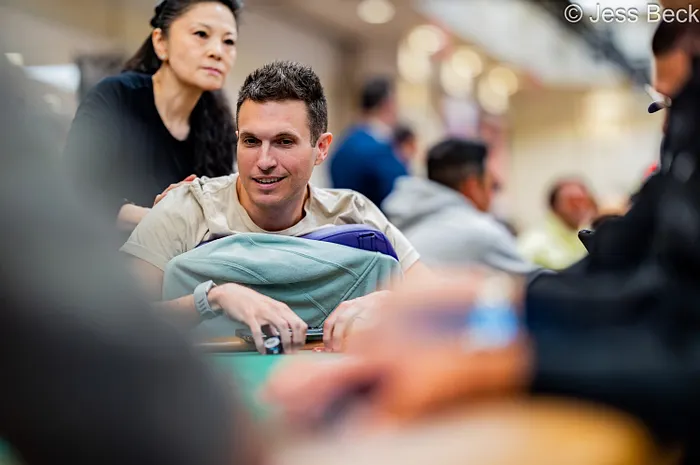
The next year brought another odd scenario. Polk sat on day 2 with a player who looked at his cards so openly they were plainly visible. Polk warned him. The player thanked him. The next hand, the same problem. Polk warned him again. The third time, the opponent was annoyed, as if Polk was causing the problem. Polk found himself in an awkward spot: he didn't want to cheat, didn't want to see the opponent's cards, but the offender didn’t stop.
One of the biggest dilemmas in Polk's Main Event career reappeared with kings. In an early level, he landed at a new table that seemed soft but had an unusually large chip stash. Immediately, he held pocket kings. The player from UTG opened, Polk 3-bet, and the opponent went all-in after a moment's hesitation.
The classic Main Event question: can you fold kings preflop? Many say yes, especially against certain profiles. Polk couldn't do it this time. He called about 150 big blinds. The opponent revealed A-Q offsuit. An ace hit right in the window, and Polk was packing up.
Bubble War with A-K Suited
Around 2017, Polk finally had another decent stack. The bubble was approaching, another big stack sat at the table, and a silent battle over dominance was underway. In a crucial hand, the opponent opened from UTG, and Polk found A-K suited on the CO. With deep stacks, he 3-bet. The opponent 4-bet.
Polk understood the stakes. Toss a few hands and he'd be in the money. But he also felt that backing down would let the opponent control the table. He decided not to back down. All-in. Opponent held queens. Polk bubbled the Main Event.
2019: When He Didn't Want to Be at the Table
In 2019, Polk describes a time when he was in an early crisis. Unsure whether to stay in poker, even considering leaving the scene. After a long pause and soul-searching, he returned to the Main Event, but immediately felt he didn't want to be there. By his own account, he played because he felt he had to.
When he realized that a potential deep run meant more days of play, he started recklessly shipping his stack across the line. 3-betting random combinations, 4-betting weak suited hands, and pushing the last chips in with Q-4 suited after the flop. He acknowledges he became the kind of player he usually complained about.
2023 Finally Brought Hope
In 2023, things changed. Polk decided to start from day 1 rather than late-register. And immediately encountered a spot showcasing why early entries in the Main Event can be invaluable. He faced a player who he thought was constantly check-raising, applying pressure and bluffing in odd spots, playing extremely wildly. Polk had one thought: he needed to hit a set against him. And that’s what happened.
With pocket sevens, he called an open; the flop came A-7-3, and the opponent decided to self-destruct. Check-raise, another barrel, Polk jammed, and the opponent couldn't handle his weak ace. Polk ended the day as one of the big stacks in the Main Event. Later on the bubble, he was even the biggest stack at the table. This is a dream in the Main Event. Players don't want to bust before the money and a big stack can apply immense pressure.
Polk recalls a hand where he opened J-T offsuit, caught a 3-bet from a young player, and decided to 4-bet. The opponent tanked for a long time, eventually showed pocket queens, and folded. After the bubble, the situation flipped. Polk got into a tricky hand with trips, holding a weak eight on a board of A-8-8. The river brought another ace and the opponent donk-shoved all-in. Polk admits he still doesn't know what the right move was in that spot. Nonetheless, he achieved his best Main Event finish—around the top 700 in a field of nearly 10,000 players.
2025: Aces vs. Kings
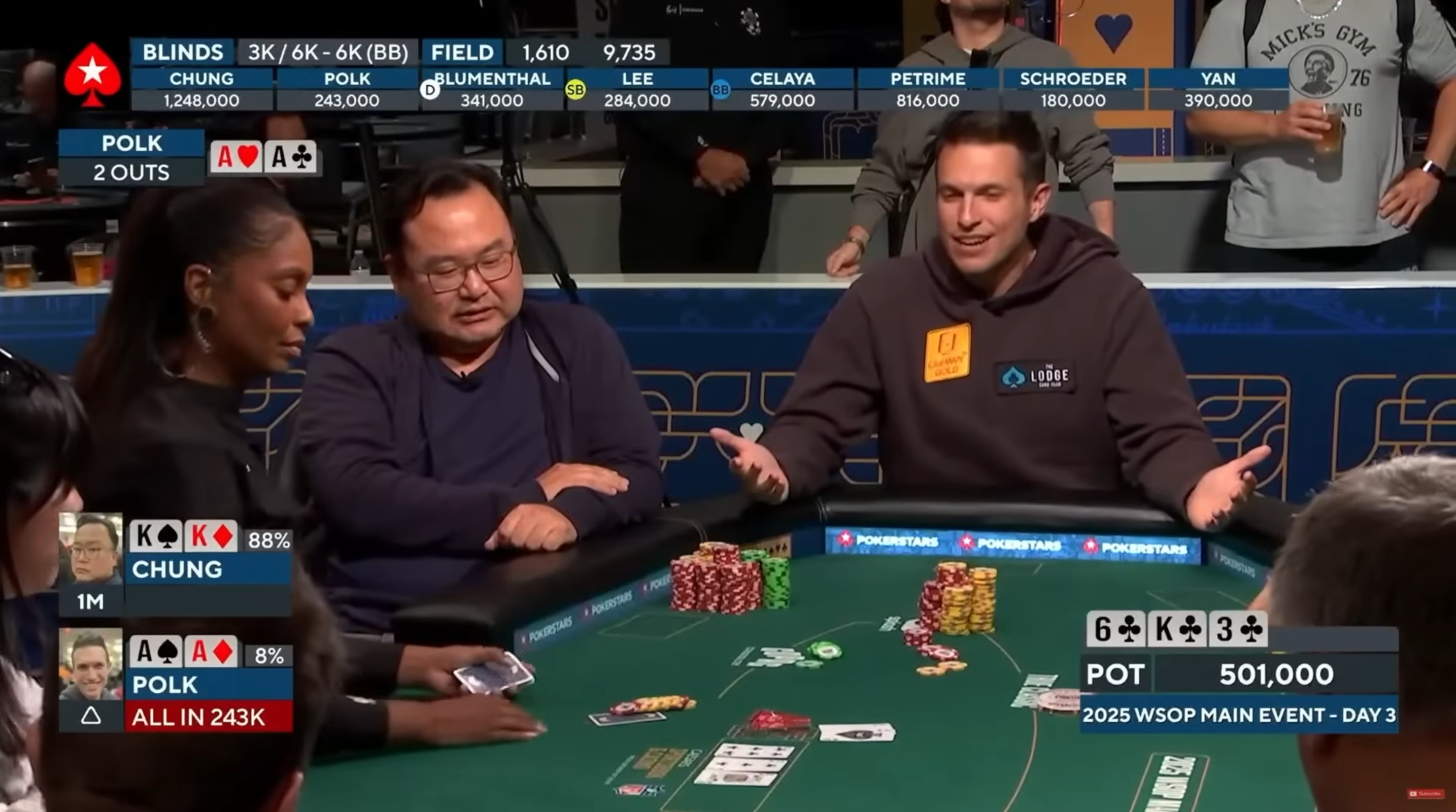
Then came 2025. Polk finally had the Main Event scenario every player dreams of. Aces versus kings. This time, he was on the right side of the setup. But poker doesn’t care who's "on the right side." A king came right in the window. The board delivered more pain, and Polk was out in a brutal spot that immediately became one of those moments people remember, comment on, and share. His response was pure class. He shook his opponent's hand, wished them good game, and walked away.
At the end, Polk asks a simple question: is he a fish who deserved these losses? The answer isn’t straightforward. Some years he may have made mistakes. Sometimes he self-sabotaged his stack. Sometimes he let ego pull him in. Sometimes he had a good read but didn’t follow through. Other times he did, and still lost. But that’s the Main Event.
There’s no fairness. No guarantee the best spot wins. No certainty that bravery will be rewarded or caution will save a tournament life. Just the next hand, the next board, the next river, and another story that might haunt a player for years.

