

WSOP's New Policy Brings an End to the “Free Ride”
The main bone of contention is the official WSOP 2026 rules, specifically Section V, Clause 52. According to this rule, any player planning to wear logos, patches, or any promotional text at a televised table or during digital content creation at the event must obtain written consent from the organizers.
This rule was subsequently updated and tightened. In the new version of the official WSOP 2026 rules, it applies to all players throughout the tournament.
The request for approval must be submitted at least 24 hours in advance. If a player participates without approval and refuses to remove the advertisement, they face immediate disqualification and forfeiture of their entry fee and any potential winnings.
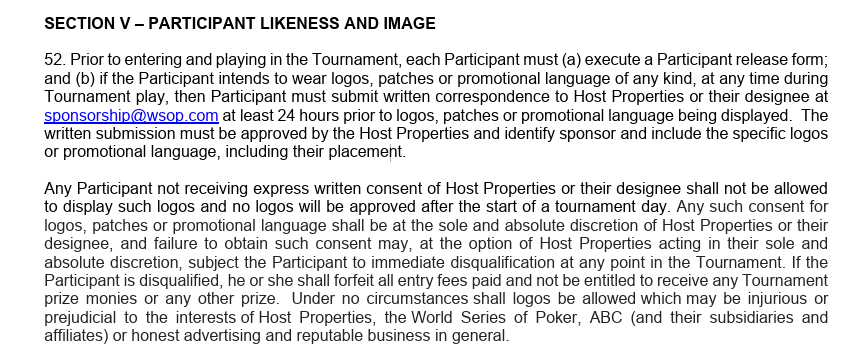
Organizers also reserve the right to ban any clothing they deem inappropriate. Outfits promoting tobacco products, firearms, pornography, or containing offensive content are prohibited.
First Casualties: Patrick Leonard and CoinPoker
The controversy gained momentum when British pro Patrick “Pads” Leonard publicly shared a rejection letter from WSOP. Leonard, who is a CoinPoker ambassador, was barred from wearing clothing with the site’s logo. His post on X reached over 12 million people and served as a warning to other players.
Re: @25kfantasy not sure what/if I’ll play. Currently been denied to wear a patch, which I believe can lead to disqualification at the tournament directors discretion.
— Patrick Leonard 🧡 (@padspoker) May 15, 2026
I imagine, as with a lot of other players, this will complicate things. I understand and respect WSOP is more… pic.twitter.com/GrkEXEF83I
Leonard pointed out that such restrictions significantly deter sites from investing in players when the flagship event of global poker prohibits their representation. Besides CoinPoker, brands like Phenom Poker and ClubWPT Gold have also found themselves on the “blacklist.”
The poker community, led by figures like Shaun Deeb and Joey Ingram, highlights inconsistencies in decisions. While CoinPoker and Phenom were rejected due to a lack of US regulation, ACR Poker was reportedly approved. Both operate on a similar offshore licensing principle, raising questions about selective rule enforcement.
Conversely, according to initial feedback, approved partners include GGPoker and BetMGM.
Joey Ingram warns that Clause 52 isn't just about clothing patches. The rule also pertains to digital distribution, potentially impacting vloggers and streamers. Any sponsorship mentions, logos in videos, or affiliate links created directly at WSOP venues could now be considered “unauthorized promotion.”
The poker wars are heating up
— LEGION | Joey Ingram 🐉 (@Joeingram1) May 15, 2026
this looks bigger than a patch/logo crackdown
From how I’m reading the WSOP rules, this is now about controlling what branded/promotional content can be created inside the WSOP and then distributed on YouTube, IG, X, livestreams, etc.
If your… https://t.co/2VeP4vrmbY
Why the Strict Oversight?
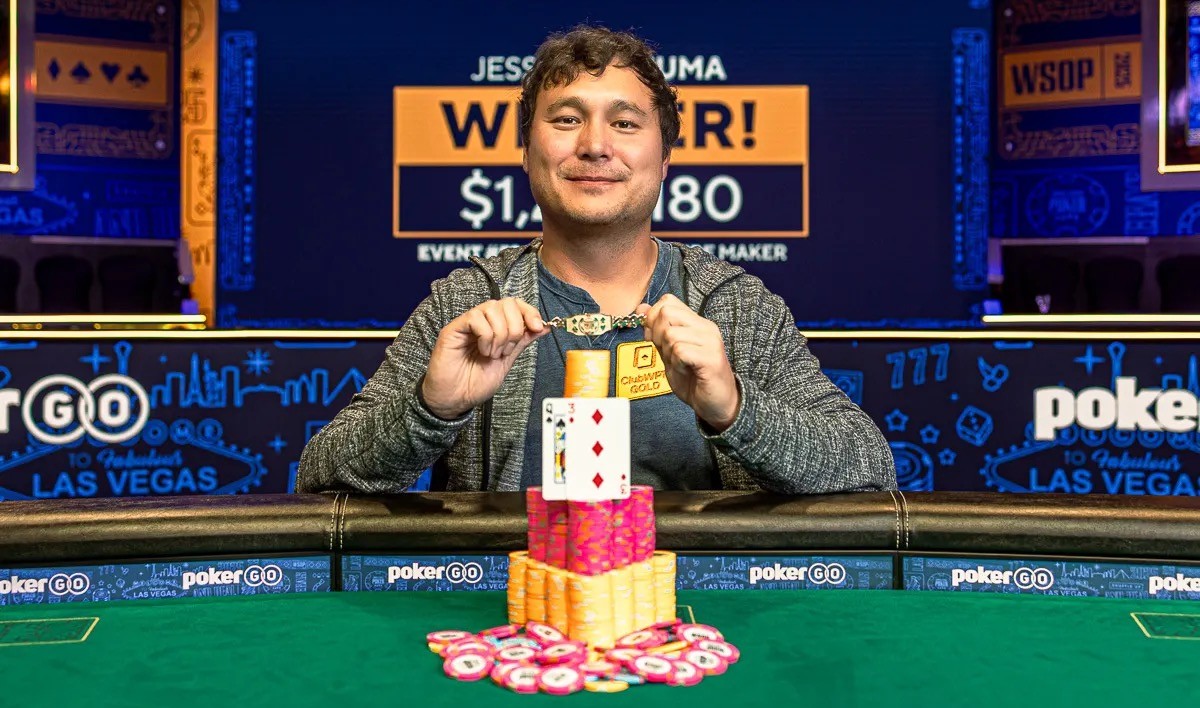
The tightening comes primarily due to last year's incident in the Millionaire Maker tournament. Player Jesse Yaginuma won a heads-up match with a massive chip deficit while wearing a ClubWPT Gold patch. The site offered a $1 million bonus to anyone who wins a bracelet with their logo.
Due to suspicions of chip dumping (intentional chip passing) by opponent James Carroll, WSOP withheld the winnings for the first time in history, and no bracelet was awarded. New Rule 40(e) now explicitly prohibits players from accepting any third-party payments linked to tournament outcomes.
WSOP 2026 kicks off on May 26th, and it's already clear that the battle for advertising space will be as fierce as the fight for the gold bracelets. Players now have only two options: comply or seek alternative ways of presenting themselves outside the tournament scene.
Sources: WSOP, X

