

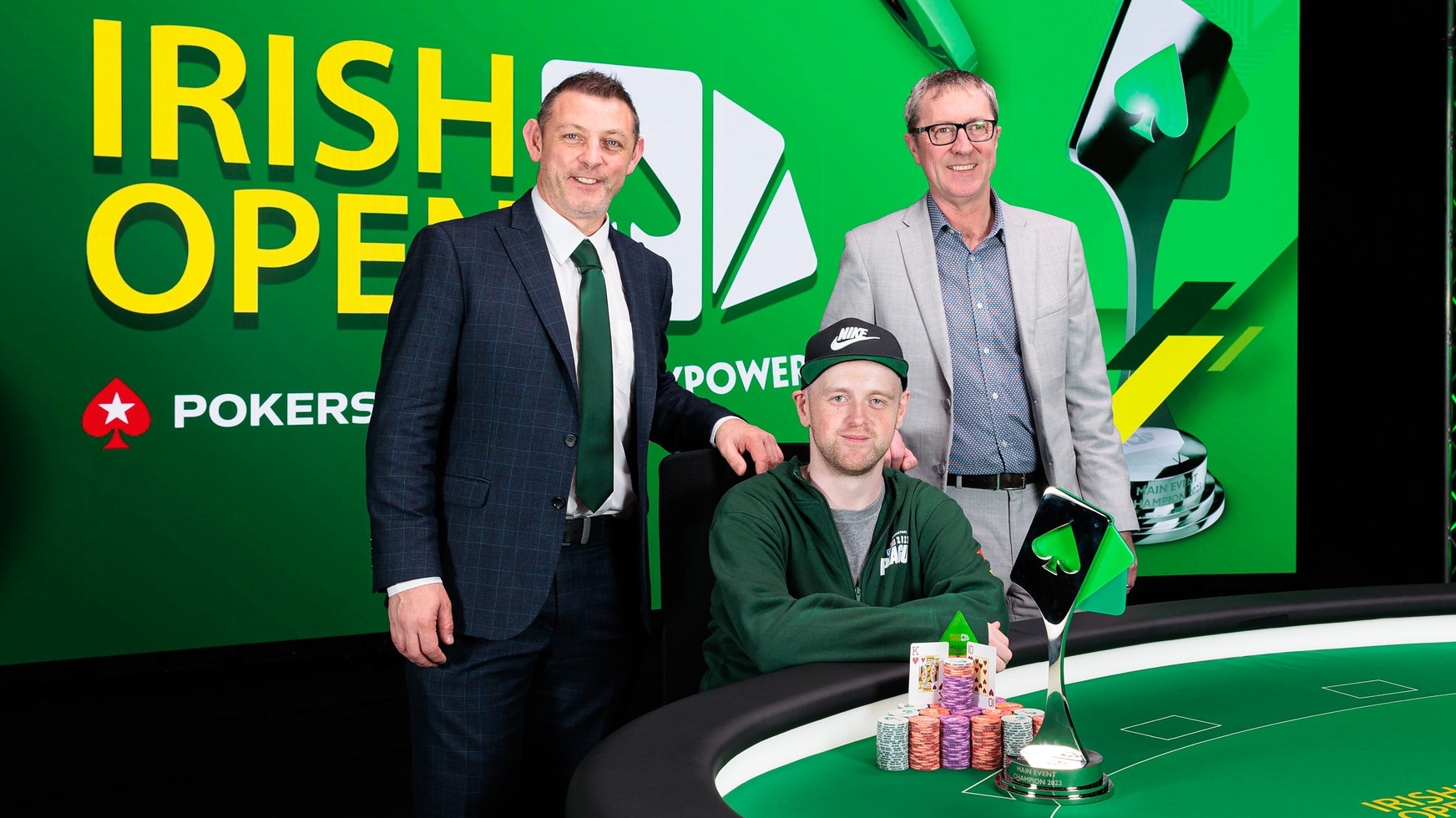
Today, the Irish Open is a tournament that stands out not only for its impressive numbers but also for its distinct atmosphere, poker offerings, and off-table activities. In a sincere interview, co-owner JP McCann dives deeper into the history that transformed a nearly forgotten event into a global festival, touching on decisions many considered risky and explaining why players keep returning regardless of their results.
The Irish Open has long surpassed being just about poker — it's about an experience that starts at the table but certainly doesn’t end there. This is precisely why this interview deserves the attention of the poker community.
JP McCann: From Local Games to a Grand Vision
JP McCann’s journey didn’t begin on grand stages but in small poker games, where he developed his understanding of the ecosystem. As he traveled through tournament series across Europe, worked as a tournament director, and gathered experiences, he transformed those insights into one of the largest events today. This journey gave him an understanding of players, their motivations, and goals that can’t be learned from books.
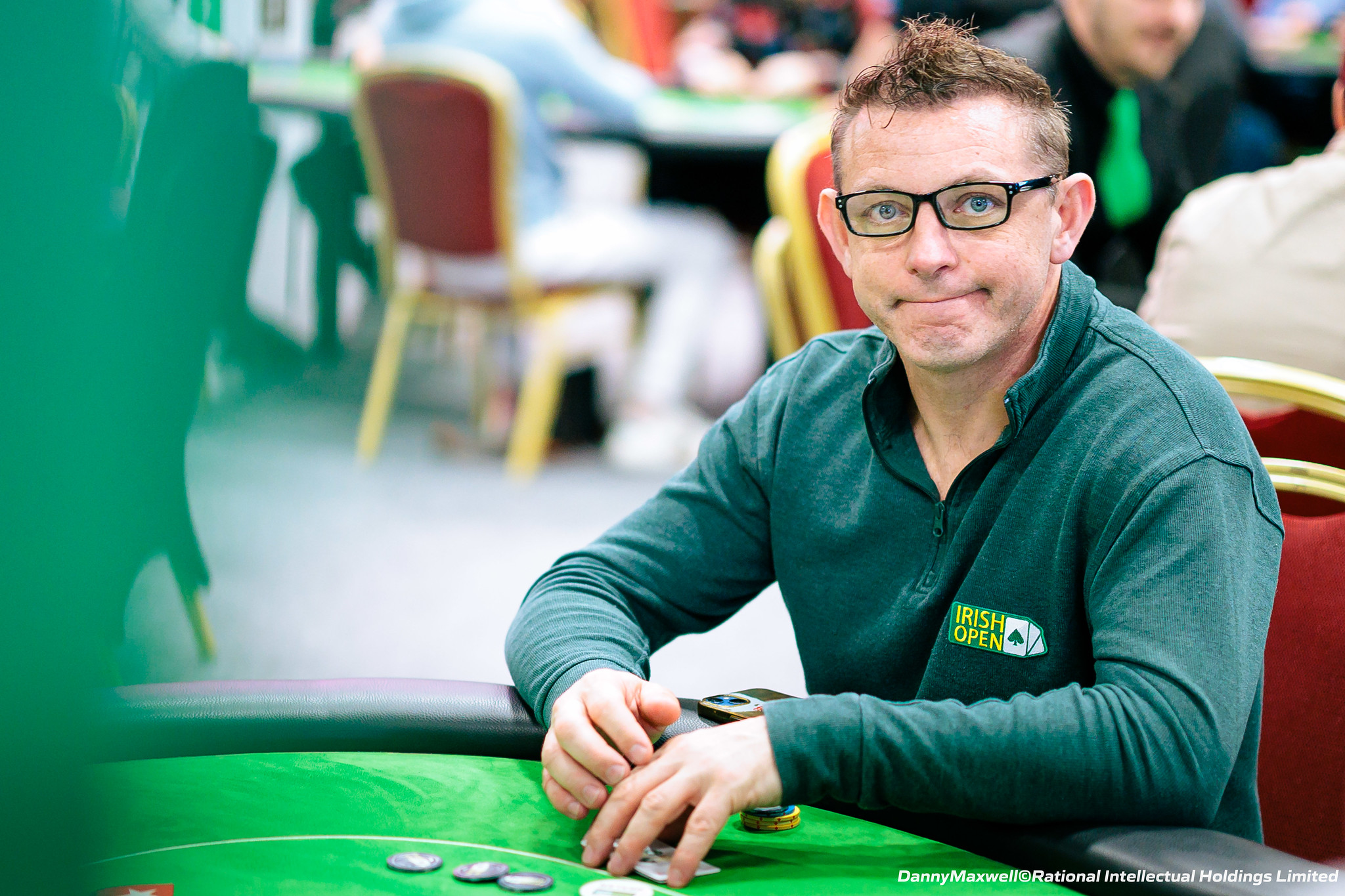
When McCann and Paul O'Reilly took over the Irish Open in 2016, the tournament was at an all-time low. Instead of a cautious approach, they decided on a radical move: reduce the buy-in and open the event to a wider audience. The goal was simple yet bold: to create the best budget-friendly tournament in the world. The result? An event that grew from a few hundred players to a festival hosting thousands from around the globe.
The Environment Today
The Irish Open now operates in a space that’s between a tournament and a festival. In one hall, professionals, recreational players, and complete rookies gather, united by a shared feeling of being part of something larger. Moving to the iconic RDS venue in Dublin allowed the event to grow and accommodate thousands, presenting real-time challenges for organizers.
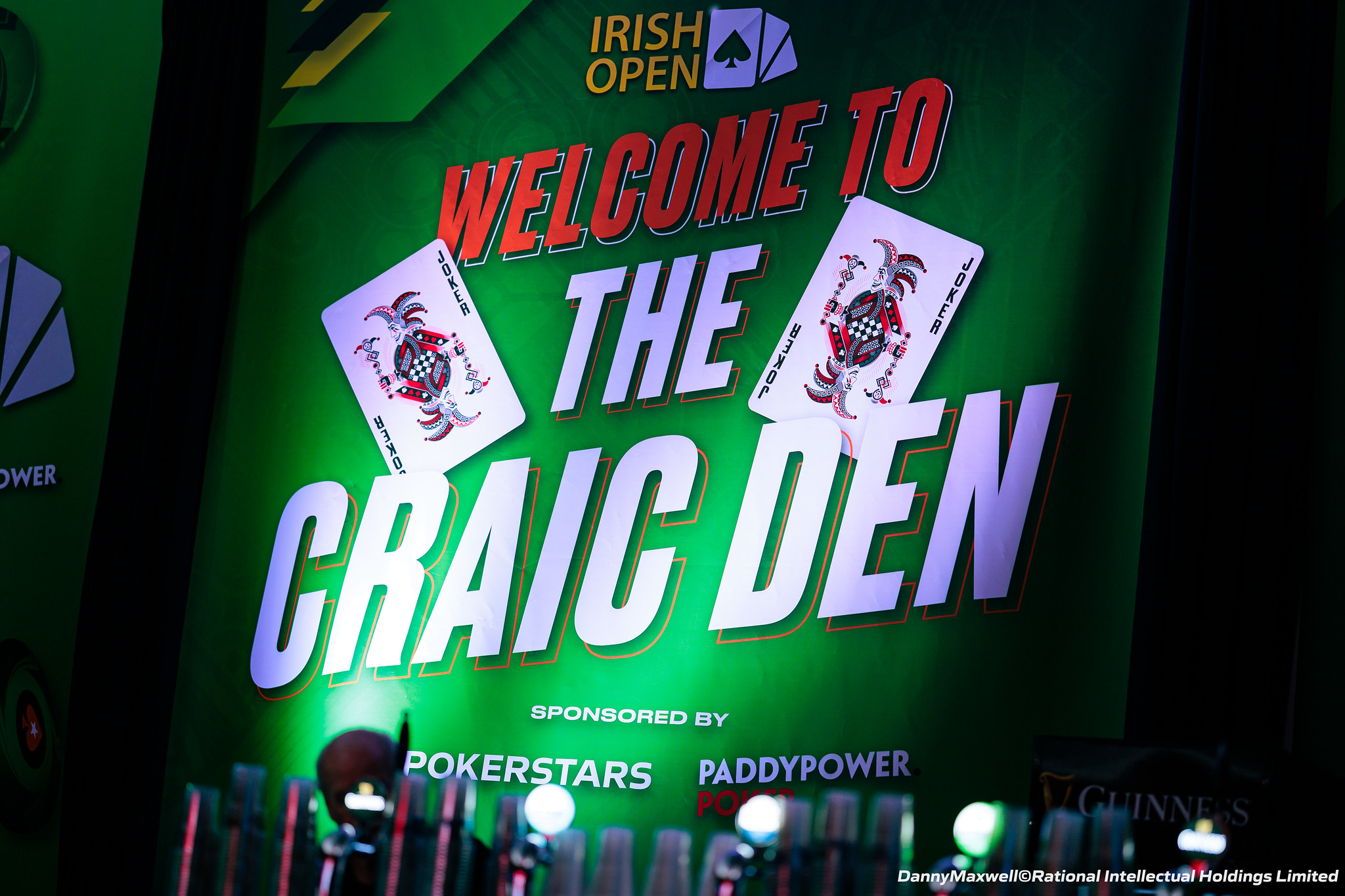
The key to it all is atmosphere. Craic Den, the legendary player lounge, isn’t just an add-on — it’s where the event turns into an experience. Every evening offers something different, from live music to spontaneous moments that players remember more vividly than specific hands. It’s not uncommon for visitors to return regularly, never playing a single hand, just to immerse themselves in the event.
When the Festival Extends Beyond the Table
One thing McCann emphasizes is clear: players don’t come to play poker for 12 days straight. They come to unwind, meet people, and enjoy experiences beyond the game itself. That’s why Irish Open intentionally builds a program that runs alongside the tournaments — from relaxation areas to games and evening entertainment.
Craic Den sets its own tempo. It’s quieter during the day, turning into an action hub at night. This contrast provides balance for players, helping them maintain energy throughout the lengthy festival. For this reason, the Irish Open is increasingly welcoming diverse communities, from women’s events to tournaments for deaf players, based on real player experiences.
McCann puts it bluntly: “We work in the entertainment industry. It should be fun.” This perspective proves that the success of a poker event isn’t just about organization but about the feeling players take away. “People travel from all over the world, spending their own money to choose our event. It’s our duty to ensure they have the best possible experience.”
The Irish Open today stands at the intersection of tradition and a fresh approach to poker. It’s growing, adding new formats, and opening to new communities while preserving something that can’t be easily planned or bought — its atmosphere. Ambitions for the future are high, but it’s clear from this interview that numbers aren’t everything.
Sources: YouTube/@shinnypoker, X, Flickr/PSlive (Photo Credits Danny Maxwell)

