

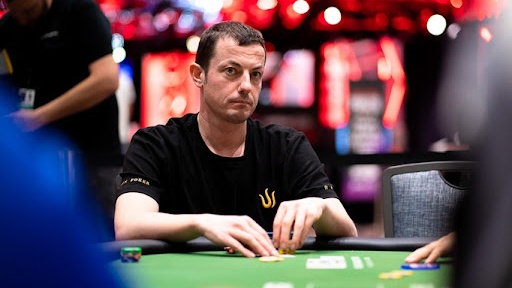
Tom Dwan is one of the most iconic figures in modern poker history. Known by his nickname "durrrr," he gained fame as a fearless, aggressive young player on the online high stakes tables, often taking on the world's toughest opponents. His style and daring to engage in massive pots, coupled with his legendary appearances on shows like High Stakes Poker and Poker After Dark, made him one of the faces of the poker boom.
In recent years, however, Dwan's reputation has been shaped by more than just poker. He has publicly admitted that, after a challenging period, he lives a much more reclusive life, mentioning he has minor debts to a few close people while dismissing rumors of a massive $30 million debt as false or greatly exaggerated. His name has been embroiled in numerous rumors and public disputes involving everything from mafia ties to psychiatry — many will recall the disturbing reports from a psychiatric ward in London.
Nearly a year after these events, Tom is back in the spotlight and in an interview with Run It Once, he brings a different tone. Durrrr speaks about downswings, private games, solvers, AI, and why he believes many professionals still don't grasp how poker truly operates beyond charts and theory.
Ego Separating Winners from Losers
One of the strongest threads of the interview emerges when discussing downswings. Dwan openly acknowledges that tilt is not a rare flaw, but a reality for every player. He claims that off the table, he released frustration more than many other high stakes grinders, a strategy that helped him cope with pressure better than if he had kept everything bottled up. He adds that it wasn’t just the results that frustrated him, but also those moments when he knew he shouldn't be in the game yet stayed to test his ego.
According to Dwan, ego is one of the factors that separates long-term winners from players chasing their own image in poker. He mentions that he learned a simple principle from veteran high stakes players: don't play to prove something, play to grow your bankroll. Though he admits to making "ego mistakes" himself, he learned over time that the biggest edge often lies not in battling the best, but in the discipline of selecting the right spots.
The Foundations of Great Private Games
Perhaps even more intriguing is his perspective on private games. Dwan candidly states that one of the biggest misconceptions repeated by the high stakes community is the phrase "fish don’t care." He argues it's quite the opposite: recreational players are keenly aware of the table atmosphere, perceive opponents' behavior, and often this awareness decides who gets into the best games.
Dwan explains providing recreational players with good action doesn't mean recklessly giving away chips but creating scenarios that are fun, memorable, and not unnecessarily draining on your equity. He notes that among players in Asian private games, Elton Tsang impressed him the most, for his ability to rise to the occasion in key moments.

Home Has Changed, We Must Change Too
The nostalgic part of the interview brings Dwan back to well-known hands and legendary folds. Rather than cherishing the result, he is interested in what exactly had to fail in an opponent’s range or thinking to make such a hero fold make sense. This is pure old-school durrrr: less showmanship, more layers, more logic, and constantly finding leaks where most see only an impressive social media highlight. Between the lines, he also hinted that if the opportunity arises, he would like to appear again on High Stakes Poker, a promising sign for fans of his television days.
The key message of the entire interview, however, comes at the end. Dwan admits that poker was more fun before the era of solvers, yet he acknowledges there's no point in acting like an old man shouting and fighting against the world. AI is here, it has changed poker, and it’s transforming the rest of the world as well.
According to Dwan, smart poker players should leverage the skills they've developed to thrive in areas not yet perfectly "solved." And then comes the statement that will resonate most within the community: "In my view, poker is dying." This encapsulates the power of this interview — Tom Dwan is no longer just discussing how to play better cards, but questioning whether the entire old poker model even has a future.
Sources - YouTube, TritonPoker, PokerNews

