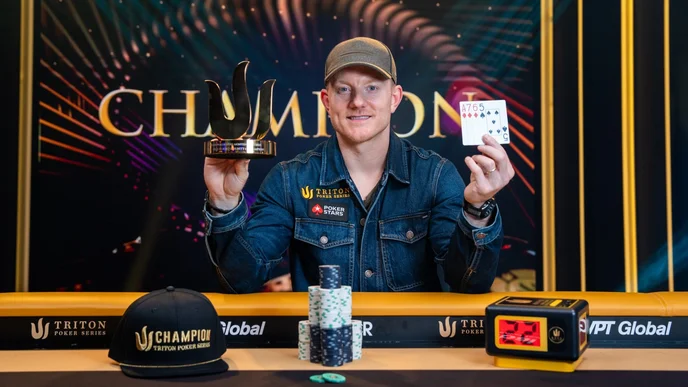
Poker is a game where the right decision can end in defeat, and a catastrophic mistake can lead to victory. This paradox is at the heart of the first episode of the new series The Tough Call by PokerStars, hosted by Maria Konnikova and James Hartigan. Their first guest is Jason Koon, one of the most successful high-stakes players of his generation, who has made millions of decisions throughout his career with real financial consequences. However, the conversation isn't just about poker.
The Right Decision Can End in Defeat
One of the main concepts of the episode is simple, yet people often ignore it in practice. The outcome of a decision doesn’t indicate whether the decision itself was correct. Maria Konnikova explains that people tend to evaluate their decisions based on what ultimately happened. Poker quickly reveals why this mindset is dangerous.
A player may get their money in the pot as a significant favorite and still lose. Similarly, they might play a hand terribly, hit the one card that saves them, and walk away a winner. The quality of a decision must be based on the information and processes available at the time, not the result that followed. Koon encountered this logic countless times during his career, which gradually allowed him to stop viewing every loss as a personal failure.
Learning to Decide Under Pressure
Koon describes his ability to operate under extreme pressure as something that didn’t start at the poker table. He grew up in an unstable environment and, according to him, was often in a fight or flight state as a child. When quick reactions were needed, he naturally focused on the most critical information.
This trait later proved advantageous at the biggest final tables and in high-stakes cash games. However, it also came at a cost. Koon explains that everyday situations could trigger reactions more intense than the situation required. Over time, he had to learn to slow down and distinguish real pressure from automatic body responses. This combination of speed and the ability to pause forms the foundation of his decision-making process today.
Intuition Works Only Backed by Experience
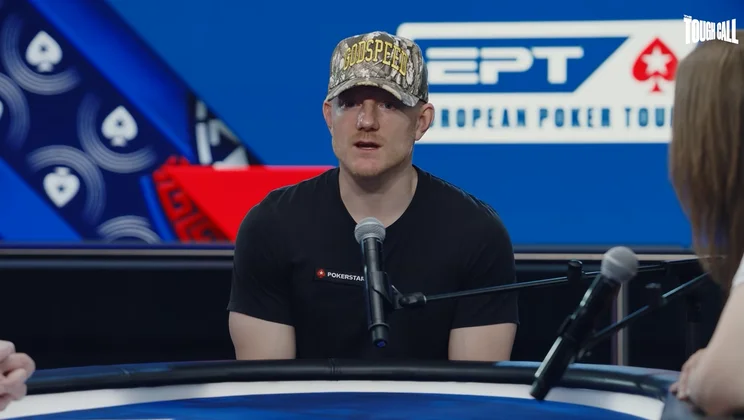
One of the most intriguing parts of the conversation involves intuition. Konnikova warns that people often label unfounded feelings as intuition. Real intuition arises when someone spends enough time in a specific environment, allowing their brain to recognize patterns without conscious analysis.
Koon is a prime example of this process. He estimates that over about twenty years, he has played around seven million poker hands. In the early years, he managed to play numerous tables simultaneously for dozens of hours weekly. Add to this the millions of other hands he has analyzed or observed in play.
When faced with a complicated situation today, what he “feels” might not be a random instinct. His brain is comparing the current scenario to the vast array of similar moments he has experienced throughout his career.
Everyday Tournaments Once Brought More Pressure than Today’s Million-Dollar Games
The absolute stakes don't necessarily determine how intensely one feels pressure. Koon recalls a tournament from his student days when he was in debt, had a roughly four-thousand-dollar online bankroll, and found himself among the last ten players in an event with about $280,000 for the winner. As the chip leader, he got JJ against 66 and lost.
The result hit him harder than many later losses involving much larger sums. He felt as if he might have just lost the only opportunity for financial freedom. After a sleepless night, he ended up in the shower with his head against the wall, wondering if he’d ever get a similar chance again. Today, he plays tournaments with million-dollar buy-ins and cash games where the pot can be nearly eight figures.
Nonetheless, he approaches them with more calm. One result no longer dictates his life, and years of experience have instilled the belief that he can rebuild what he needs even after a significant loss. This confidence in the process, according to Koon, is fundamental to quality decision-making. When one believes that a single bad result isn’t the end, they can make decisions more freely and with less fear.
Stop Paying Attention to Details? It's Over
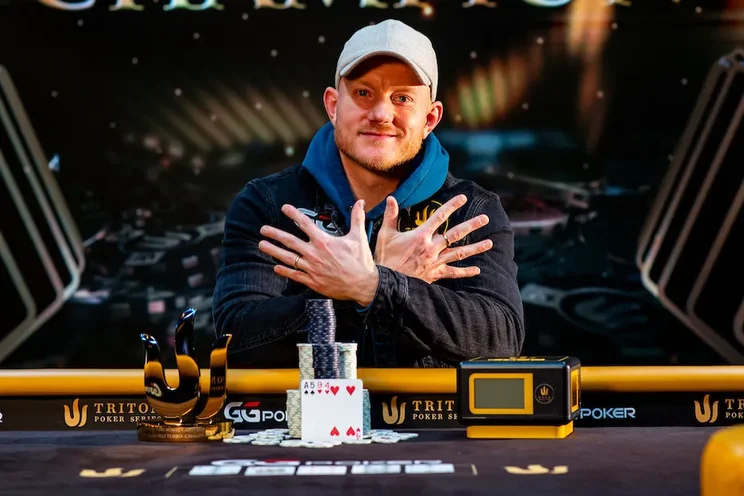
According to Koon, technical knowledge isn’t enough at the highest level. The differences among top players are slight, and it can be dangerous when a player loses interest or stops being mentally present. “Apathy is the path to ruin for every poker player.”
Koon says he has seen many exceptionally talented players who simply disconnected from the game. Their skills didn’t vanish, but they ceased to attentively track the information that determines the small edges against the world’s best players. If this happens, technical quality may no longer suffice.
He describes his ideal state as almost an out-of-body experience. Rather than intensely focusing on a single opponent, he tries to absorb everything happening around him. The world narrows to a specific situation, and everything else fades away. He can even ignore the fear of how his decision will appear to others.
Poker as a Decision-Making Laboratory
The Tough Call leverages poker primarily as an environment where mistakes and outcomes are far more visible than in everyday life. In business, it might take months to reveal whether someone acted correctly. In poker, feedback often comes within seconds.
That doesn’t mean it’s easier to evaluate what was right. Quite the opposite. Variance can reward poor play and punish quality play, so a player must learn to trust the process even when results scream otherwise.
Jason Koon is an apt example for this theme. His decision-making didn’t stem from a single talent or concept. It results from millions of repetitions, personal experiences, the ability to handle pressure, and the belief that a single failure doesn’t determine future outcomes.
Sources: YouTube, TritonPokerSeries