

Early Poker Days Far From Vegas
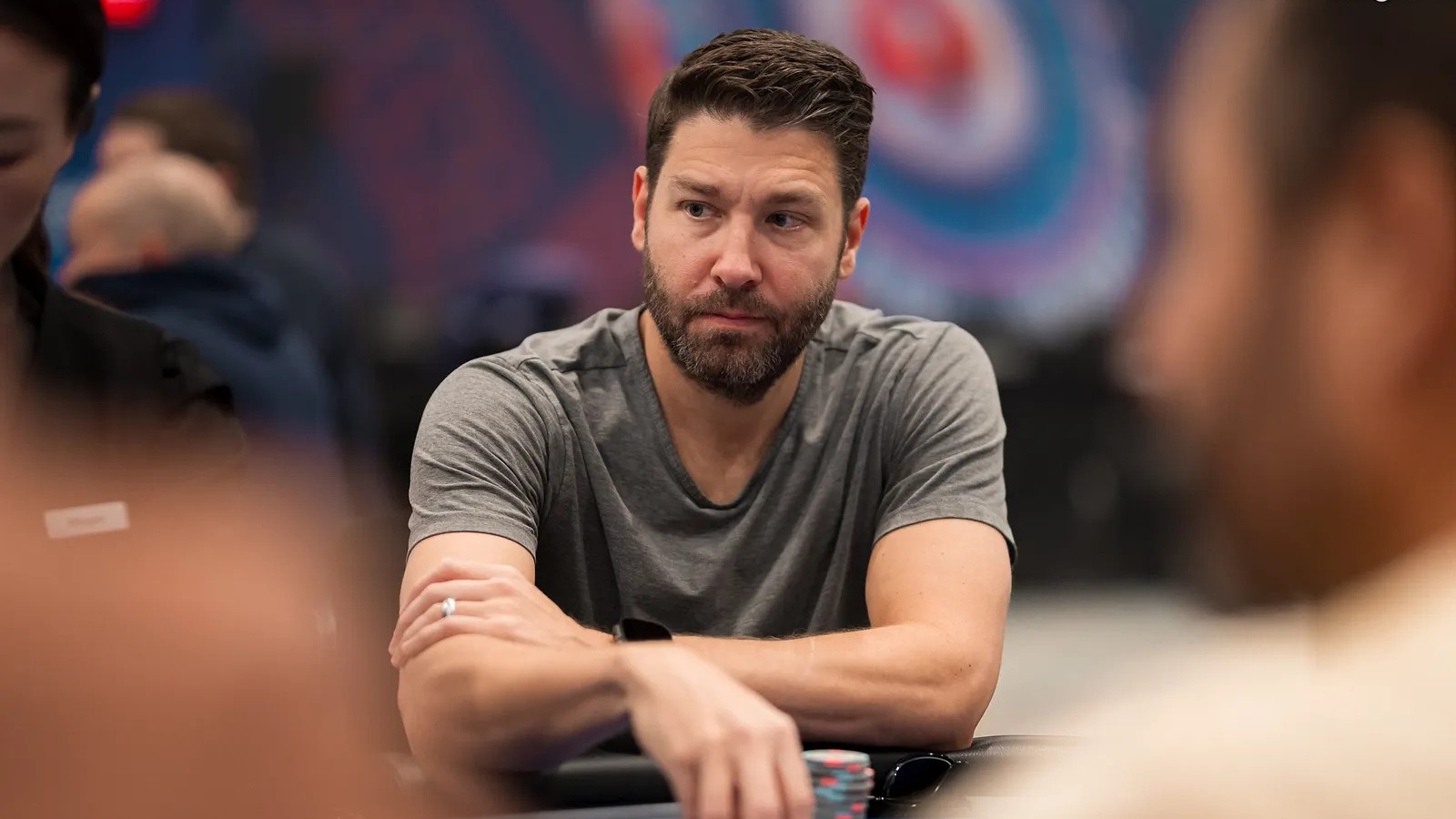
Jeremy grew up in southeastern Colorado, a world apart from the glitz of Las Vegas. No casinos, no big games, just small towns, farms, and endless stretches of open road. His first touch with card games came early — his father taught him poker, and his grandfather introduced him to chess. Even then, his competitive nature and patience, qualities that would later define him, shone through.
During high school and later in college, poker was mostly a social activity. Home games with cheap chips, a mix of variants, and minimal stakes. Online poker was still in its infancy, and dreaming of a professional career seemed more like fantasy than a viable plan.
At the University of Colorado, Jeremy initially started with computer science before switching to economics. Not because he saw poker as a sure thing, but to secure a real diploma and have a fallback to a "normal job" if poker didn’t pan out.
While in school, he worked manual jobs, running cables and making furniture, and built his first bankroll mostly through live games. Online poker initially neither enticed him nor yielded results. The game changed after he moved to Las Vegas, where his approach, both in skill and mindset, started evolving.
Slow Start in Vegas
Jeremy arrived in Las Vegas without a big bankroll and devoid of illusions. He played low stakes and, for months, made little progress. He admits that his first six months were more about surviving than about racking up wins.
The shift came with online poker. After registering on Doyle's Room and making use of bonuses, he found games where he had a genuine edge. One December, he scored his first big breakthrough — a win of about $10,000, a crucial psychological and financial boost at the time.
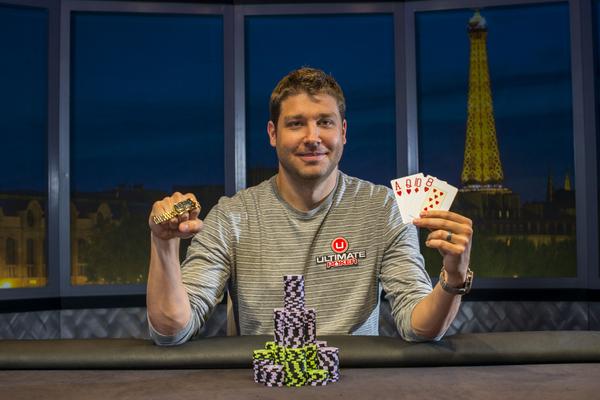
Ausmus gradually established himself in online cash games, leveraging discipline, positional play, and minimizing mistakes. Rather than chasing prestige, he chose games that made sense for long-term profit. This approach still guides him — playing where there's an edge, not where stars shine and egos rule.
Black Friday and a Return to Live Poker
Black Friday froze a significant portion of Ausmus's bankroll on Full Tilt. Although he eventually regained his funds, the wait took years. This led him back to live events, particularly at Bellagio, where a generation of strong cash game players was emerging.
This period paved the way for his later tournament success. Deepstack cash games taught him patience, handling large pots, and maintaining mental stability without the pressure of blinds.
The biggest breakthrough came with his deep run in the 2012 WSOP Main Event, where Ausmus reached the final table. Winning over two million dollars for 5th place not only provided financial security but also recognition from the poker community. He notes that before this, many saw him merely as "that Vegas guy claiming to be a pro." After the Main Event, no one doubted it.
Seeking New Challenges
Despite enormous success, Ausmus did not immediately shift to becoming purely a tournament player. For years, he blended cash games, online play, and tournaments. However, he was increasingly drawn to mixed games and PLO, seeing them as opportunities for learning and a long-term edge. He found significant success here too, including the iconic final table of a PLO event at WSOP against names like Phil Hellmuth and Daniel Negreanu.
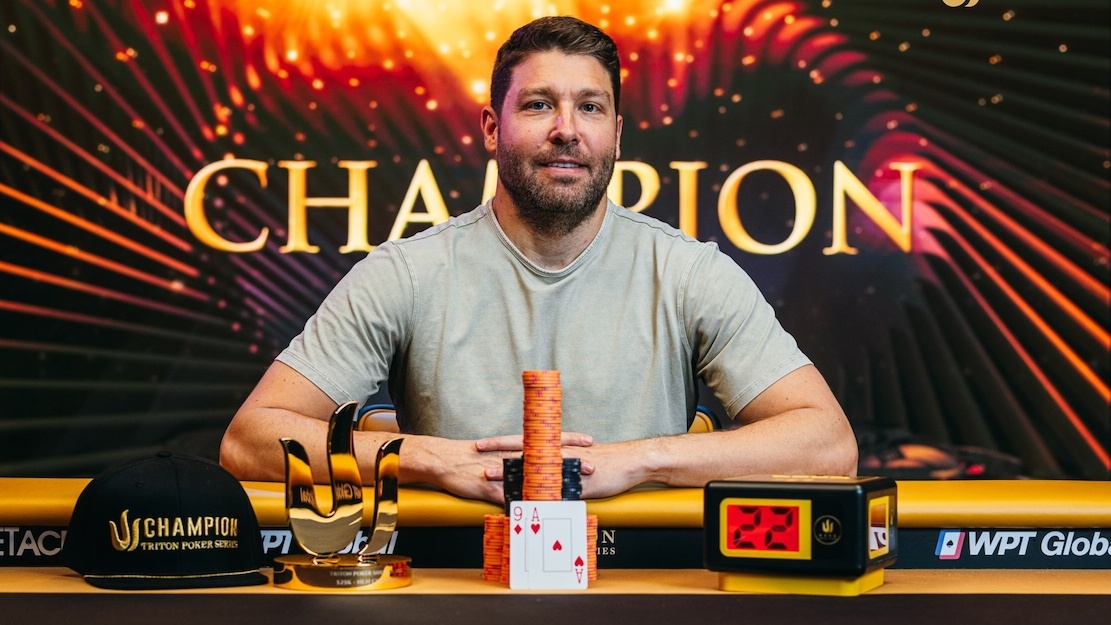
His win at the Triton Series marks a personal milestone, though not as a sign of superiority. In interviews, he consistently emphasizes that he's never been tempted to travel the world solely to face the highest buy-ins against the best. If there's quality poker at home, he prefers it. The balance between playing, family, and mental health holds more value for him than chasing status.
Vlog, Music, and a New Chapter
The latest chapter in Ausmus's journey is content creation. He started his own vlog, offering a behind-the-scenes look at tournament poker, the vibe in studios, and real interactions among top players. No posturing, no over-the-top drama. He’s also invested in music, writing lyrics, and creative projects outside of poker. This diversity helps him maintain perspective, insight, and long-term motivation.
Today, Jeremy stands as a player with nothing to prove. Rather than chasing more labels, he's chosen a path of stability, curiosity, and continuous learning. And this keeps him relevant even in an era of solvers, high rollers, and immense competition.
More from Table One Podcast
Cary Katz: Why High Stakes Attracts Extremely Analytical Personalities
Sources – YouTube, TritonPoker, WSOP, PokerNews

