

A Life as One Big Game
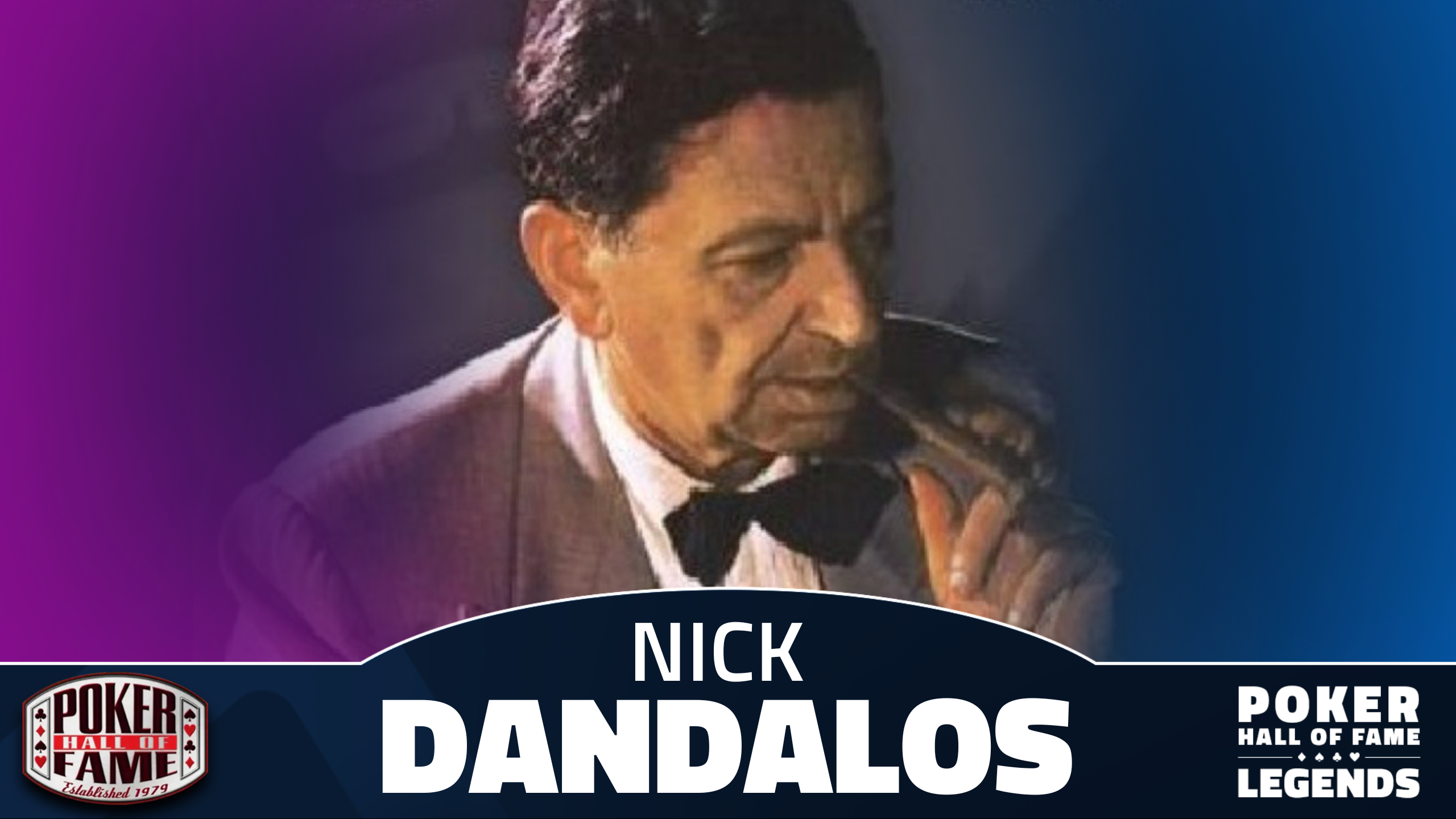
Nick Dandolos was born in 1883 in Rethymno, Crete, Greece. His early life wasn't destined for the poker tables. As the son of a wealthy carpet salesman, he received an education in philosophy, studied at the College in Smyrna, and even spoke six languages. After finishing his studies, his family sent him to America to avoid political issues, gifting him a monthly allowance of $150 (a significant amount at the time). It was in 1902, at 19 years old, when Nick stepped onto American soil and immediately immersed himself in the world that enchanted him – the world of gambling.
Initially, he focused on horse racing, where he built his first capital. His intelligence and analytical skills helped him pick winners, and by the age of 20, he had amassed $500,000. But Nick quickly realized his true passion lay elsewhere. Dice, cards, and especially poker. Here, he could fully utilize his sharp mind and psychological acuity.
Soon, he became a renowned name in high-stakes games across the United States. His reputation grew with each victory and daring bet. Dandolos wasn't just a player; he was a showman who loved the limelight and was willing to risk incredible amounts of money. He was known for playing at the highest stakes and against the best players.
His wins were as legendary as his losses. Many stories recounted the enormous sums he could win or lose in a single day. For instance, in New York, he once lost $1.6 million in dice in just one day. Another tale tells of him entering a poker room with $20,000 and leaving after 7 hours with more than $500,000.
Dandolos's Complex Personality
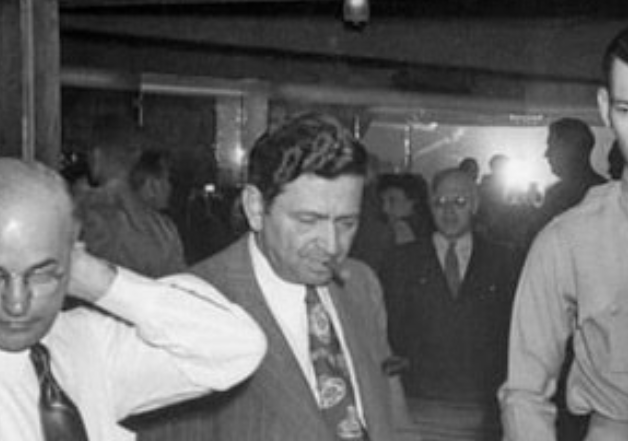
Nick "The Greek" was known for his extravagant nature. Allegedly, he won and lost over $500 million throughout his lifetime. He claimed to have transitioned from rags to riches more than 73 times, showcasing his extremely aggressive playing style and willingness to take immense risks. When he won, he lived like a king, buying expensive cars, spending lavishly in casinos, and generously helping the poor and his friends. When he lost, he often hit rock bottom, only to rebuild his fortune from scratch. This volatility, coupled with his resilience, made him a fascinating character.
In 1931, when gambling was legalized in Nevada, Nick Dandolos permanently moved to Las Vegas. The city of sin offered attractions and temptations for tourists and visitors, but Nick "The Greek" was among the city's greatest attractions. Casinos, and even the mafia, constantly offered him jobs, but he never accepted any. He relished the thrill of gambling, regardless of whether he won or lost – for him, it was a lifestyle, not a job.
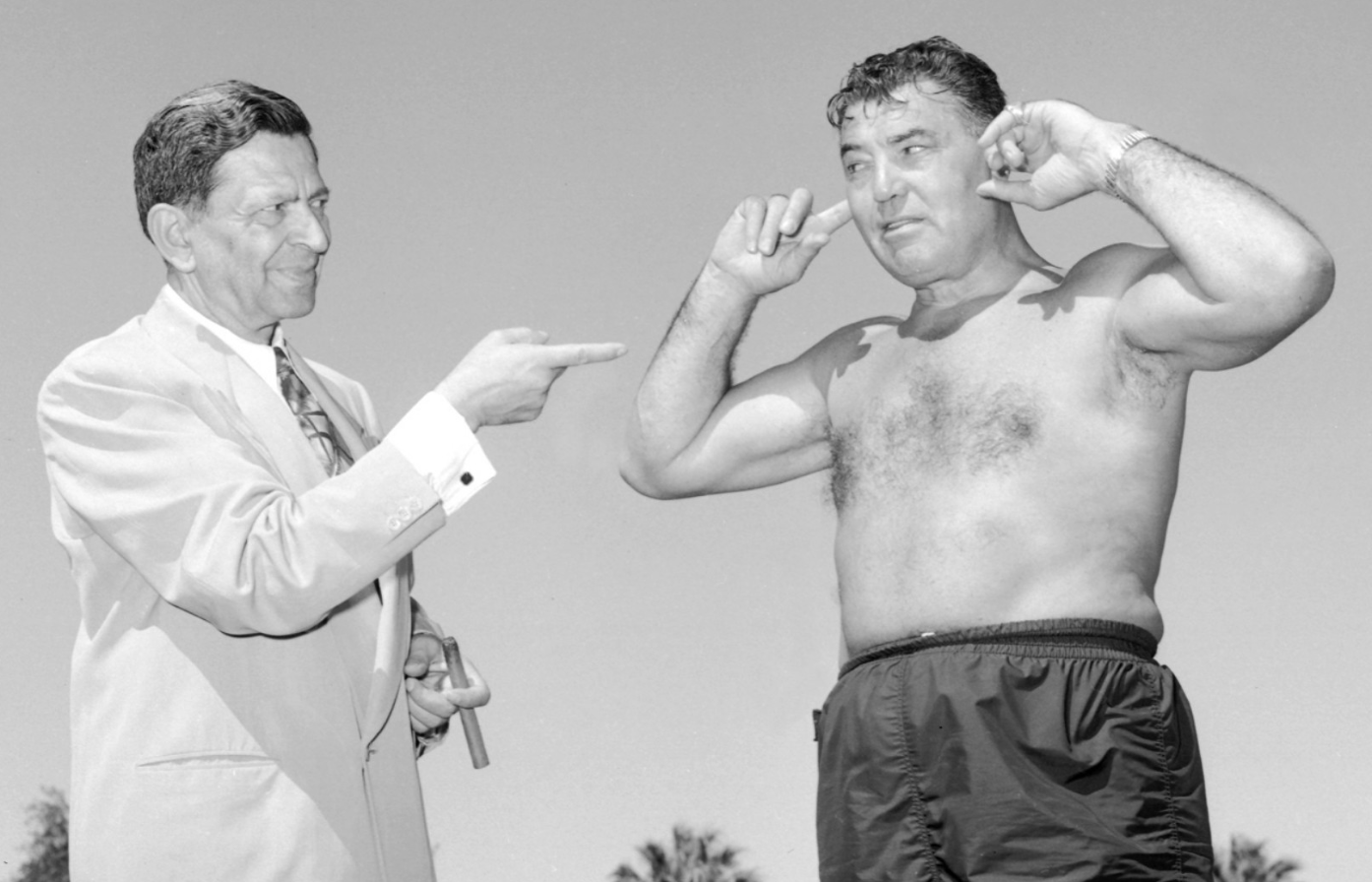
Another curious story about Nick tells of him accompanying Nobel Prize winner in theoretical physics, Albert Einstein, to a poker game in Las Vegas. He introduced this world-renowned scientist to other poker players with his trademark humor as "Little Al from Princeton, controlling the entire state of New Jersey." This perfectly illustrates his charisma and ability to mingle in various social circles.
Nick "The Greek" wasn't just a player and showman; he was also immensely generous. During his career, he donated an incredible $20 million to charity, which today would be equivalent to about $400 million. He was a paradox – a man who enjoyed luxury and risked large sums, yet never forgot about those less fortunate.
Legendary Duel with Johnny Moss
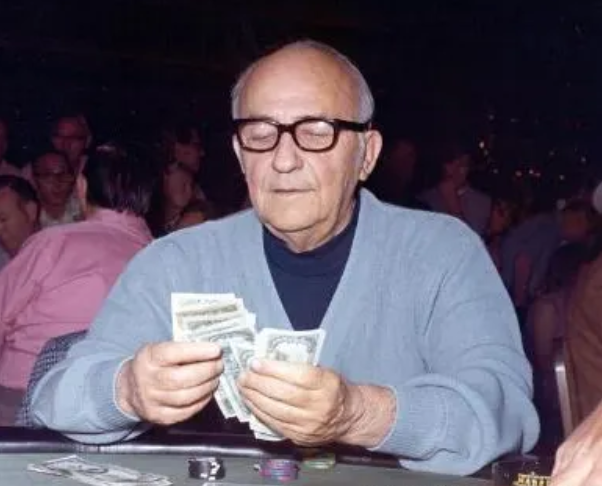
Perhaps the most famous story associated with Nick Dandolos is his marathon heads-up match against Johnny Moss in 1949. Organized by Benny Binion in his Horseshoe Casino, Moss reportedly won this game with more than $2 million. Although debates continue about the exact details and actual duration of the game (allegedly five months), this epic duel became the catalyst for the creation of the World Series of Poker. Binion was so impressed by the attention and interest the match garnered that he saw potential for mass poker popularization. Nick's willingness to play for such astronomical sums and his media charm made this contest iconic. Despite losing a vast amount of money, this showdown gave Nick the star status he needed.
Impact on Poker Popularization and Entry into Hall of Fame
Nick "The Greek" was inducted into the Poker Hall of Fame in 1979, not only for his playing skills (which, although good, were not as consistent as some other legends) but primarily for his enormous influence on poker's popularization. He was a showman who attracted crowds and media attention to the game. He was the prototype of a gambling magnate, and his stories – whether true, somewhat embellished, or completely fabricated – helped shape the romantic image of poker as a game for the brave and eccentric geniuses. While his playing style might not hold up in today's poker world with strict bankroll management, it attracted money and attention in his era.
The End of an Era
As time went on, Dandolos retreated from the big games, and in his final years, he played for low stakes in small casinos. This was in sharp contrast to his previous extravagant lifestyle. Yet for him, having action at the table was always important. Even after losing millions, he never lost faith in his ability to make a comeback.
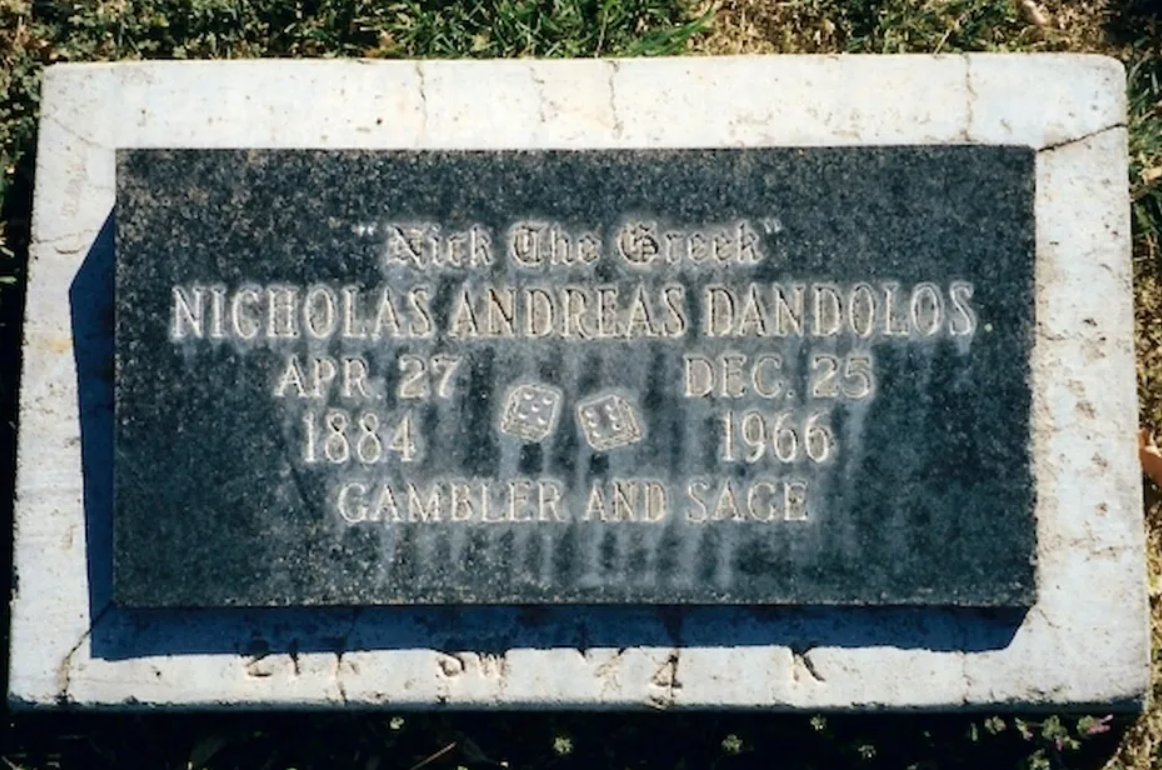
Nick Dandolos died of heart failure on December 25, 1966, in Las Vegas at the age of 83. He left behind countless stories and the reputation of one of the greatest gamblers in history, whose life was a gamble itself. His induction into the Poker Hall of Fame confirms that sometimes, a contribution to the community and legendary status are as important as the number of wins.
More from the Legends of PHoF
Legends of the Poker Hall of Fame I: Johnny Moss
Sources: Wikipedia, WSOP
