

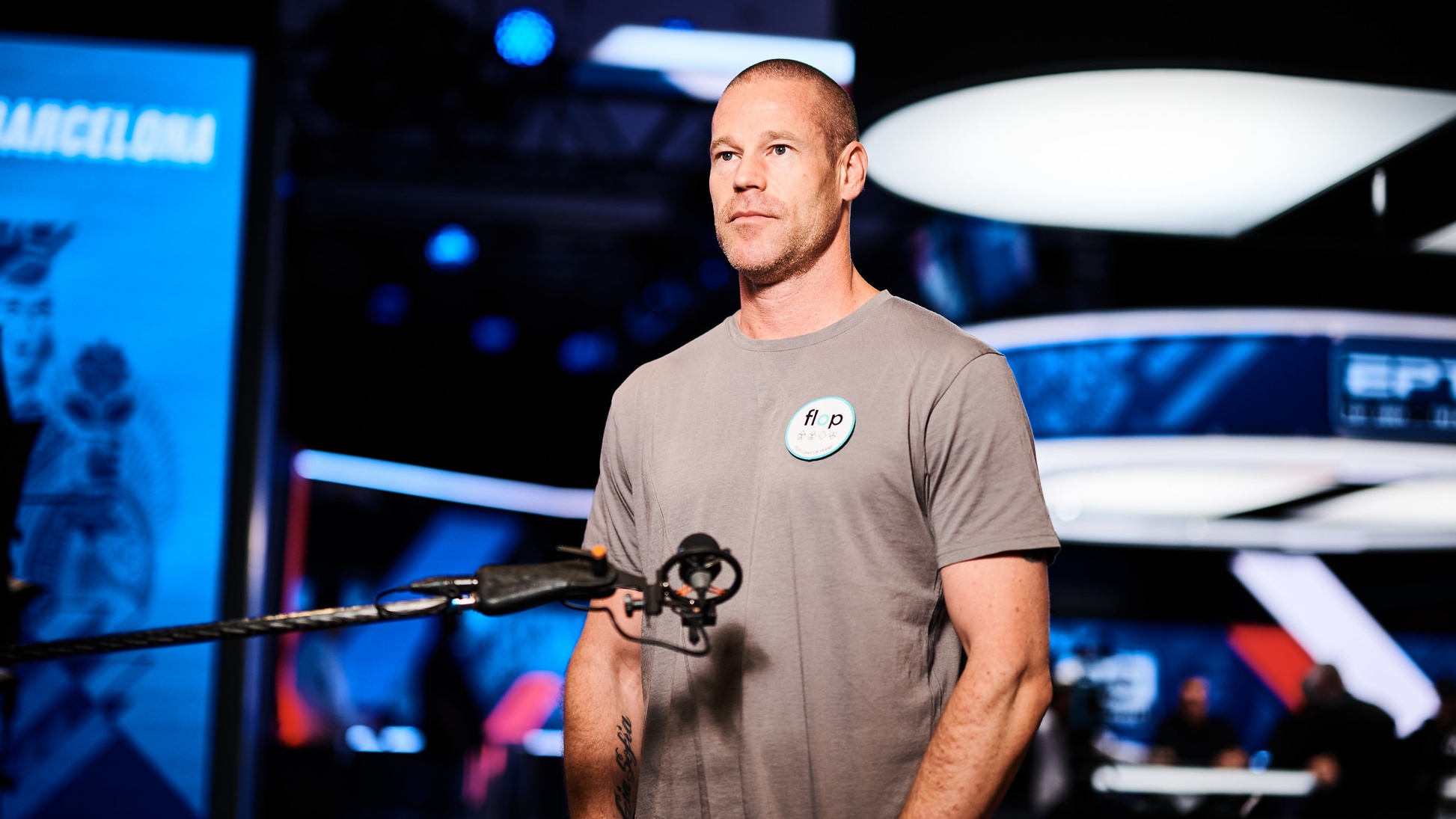
A long-standing legend and the unrivaled leader of Finland’s all-time money list, Patrik Antonius has experienced it all. The online boom, massive cash games, High Stakes Poker, the decline of online games, and the resurgence of big tournaments thanks to Triton. This experience allows him to talk about the game without romanticizing or bitterness.
Cash Games as a Natural Home
Patrik frequently emphasizes that he has always felt like a cash game player. For years, tournaments weren't a goal or ambition for him. They were more of an addition, a bonus, something to play when it made sense. The reason was simple – cash games offered him freedom. He could play when he felt good and stop once the game lost its quality.
He contrasts this very directly with tournaments. Once you register for a tournament, you're tied to a schedule, long days, and physical and mental exhaustion. At times when tournament buy-ins were relatively small and cash game action was huge, focusing on something that might not yield a result in five days didn't make sense compared to one cash game session.
Triton as a Turning Point
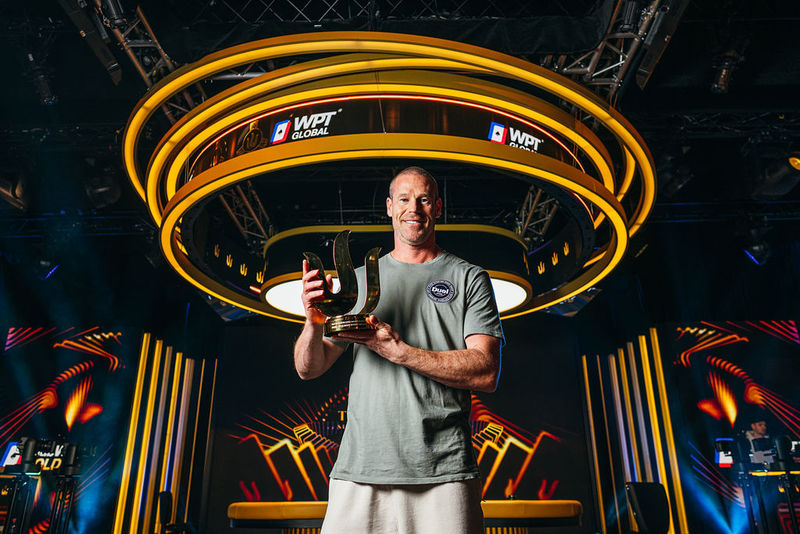
The change came with the Triton high roller series. Antonius openly admits that without them, he would hardly be seen in tournament poker today. Large buy-ins, strong fields, and professional setups shifted the dynamics. Tournaments stopped being just marathons and became challenges that carry weight and emotion. He says winning a tournament gives a completely different feeling compared to the long grind of cash games. Not better or worse, just different. Adrenaline, a closed story, and a moment that can't be repeated every day.
One of the strongest parts of the interview doesn't relate to specific games but to a player's inner psyche. Antonius describes himself as a perfectionist and admits that poker often haunts him long after a session ends. He analyzes decisions, revisits hands, and thinks about what could have been done differently.
Simultaneously, he openly talks about how this is a trap. Poker cannot be played perfectly. Every decision is made with incomplete information and variance. Even the right decision can lead to a bad result. And if a player can't detach from these moments, the game starts getting under their skin.
Live Poker vs. Online World
When comparing live and online poker, he approaches it very logically. Online play requires statistical thinking, volume, and data work. Live poker is about the details – timing, bet sizing, body language. He claims that faking strong body language is much harder than weakness, especially when big money or tournament life is on the line.
According to him, it's a mistake to play live poker like a solver. People don't bluff as much as they should, and they react differently than an ideal model would. Ignoring the human factor forfeits one of the biggest advantages of live play.
The conversation naturally shifts to sports and health. Antonius has a tennis background and still sees poker as a mental sport. He talks about the importance of sleep, recovery, and physical well-being. If the body isn't functioning, the mind can't make good decisions – this holds true in poker and in life.
His take on stimulating the brain is interesting. He sees poker as a form of meditation. A state where he focuses only on the present moment, and everything else fades away. This state provides him with a sense of fulfillment that he finds hard to match elsewhere.
Self-Awareness as the Real Edge
Antonius also discusses how prolonged bad luck or a long good streak can distort one's perception of their own play. After a losing streak, players may become overly cautious, while after a winning streak, overly confident. The key, he believes, is self-awareness. Knowing why you're winning and why you're losing.
He recommends taking breaks, lowering stakes, and returning to games where a player feels comfortable. Not as an escape, but as a reset. Long-term survival in poker isn't about who can withstand the most, but who can adapt the best.
In the conclusion of the interview, Antonius talks about poker experiencing an interesting phase. The stage is more accessible than ever, tools are more sophisticated, yet the human factor remains. Solvers have improved players’ foundational levels but have also created a generation that often ignores psychology and table dynamics.
According to him, poker still has the potential to grow and move closer to the mainstream. It is universal, watchable, and based on the face-off between people, not just algorithms. And that's what makes it a game that has something to offer even after decades.
Sources - YouTube, Triton Super High Roller, Flick/PSlive

