

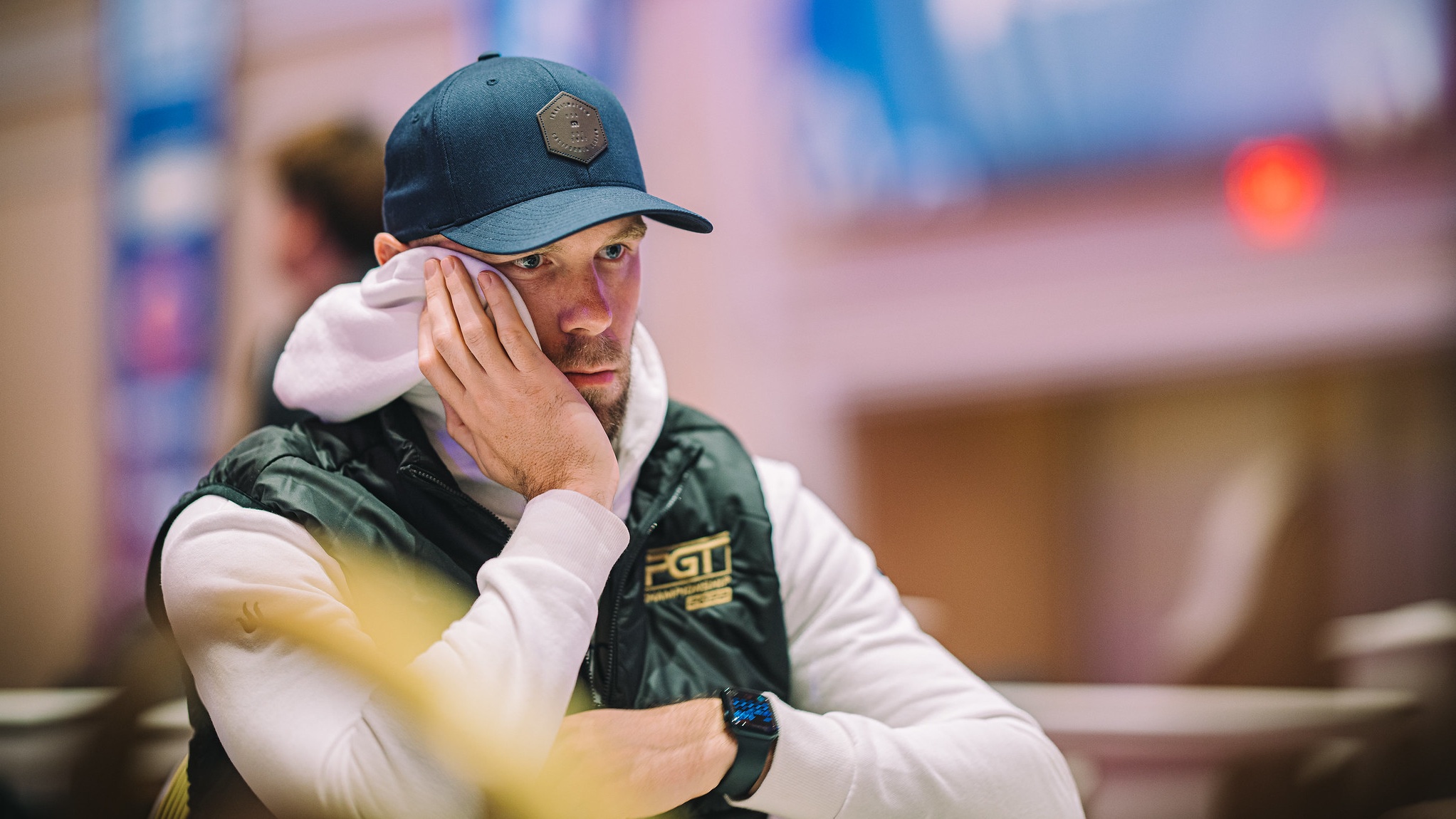
Seth Davies is one of those players who built their careers gradually and without much noise. As a guest on the GTO Lab podcast, he doesn’t reflect on his results or titles. Instead, you're in for a calm, deep reflection on a generation of poker professionals who grew up online, survived Black Friday, and had to learn how to navigate without traditional boundaries.
Online Beginnings and the Illusion of Fast Maturity
Seth takes us back to the time shortly after high school, when he started playing online Sit & Go tournaments and low-stakes MTTs. The bankroll was small, the stakes were low, but the freedom was immense. As a young player, he managed to sustain himself with poker before turning 20, creating a unique paradox—financially adult, yet emotionally still a child.
In the interview, he openly admits that poker allows young people to skip the classic phases of growing up. No corporation, no bosses, no structure. Everything depends on one's own discipline. And that's where many players get lost.
After Black Friday, Seth took the same path as many American players: Canada, Panama, Playa del Carmen. These places became poker communities unto themselves at the time. Cheap living, good food, the sea, and hundreds of players facing the same issues. He describes this time as several years of extended summer — a lot of freedom, a lot of fun, but little responsibility. Poker was present, but not always taken seriously. In hindsight, he admits that these years were also a period of stagnation.
Community as the Greatest Advantage
One of the strongest themes of the interview is community. Seth talks about how poker provides something that most professions don’t — an instant social network. Wherever a player goes, they will always find people speaking the same language, sharing the same experiences and challenges. This natural trust, based on reputation and relationships, creates an environment where friendships form quickly and intensely. However, he also warns that this insularity can hinder personal growth if a player never steps out of the poker bubble.
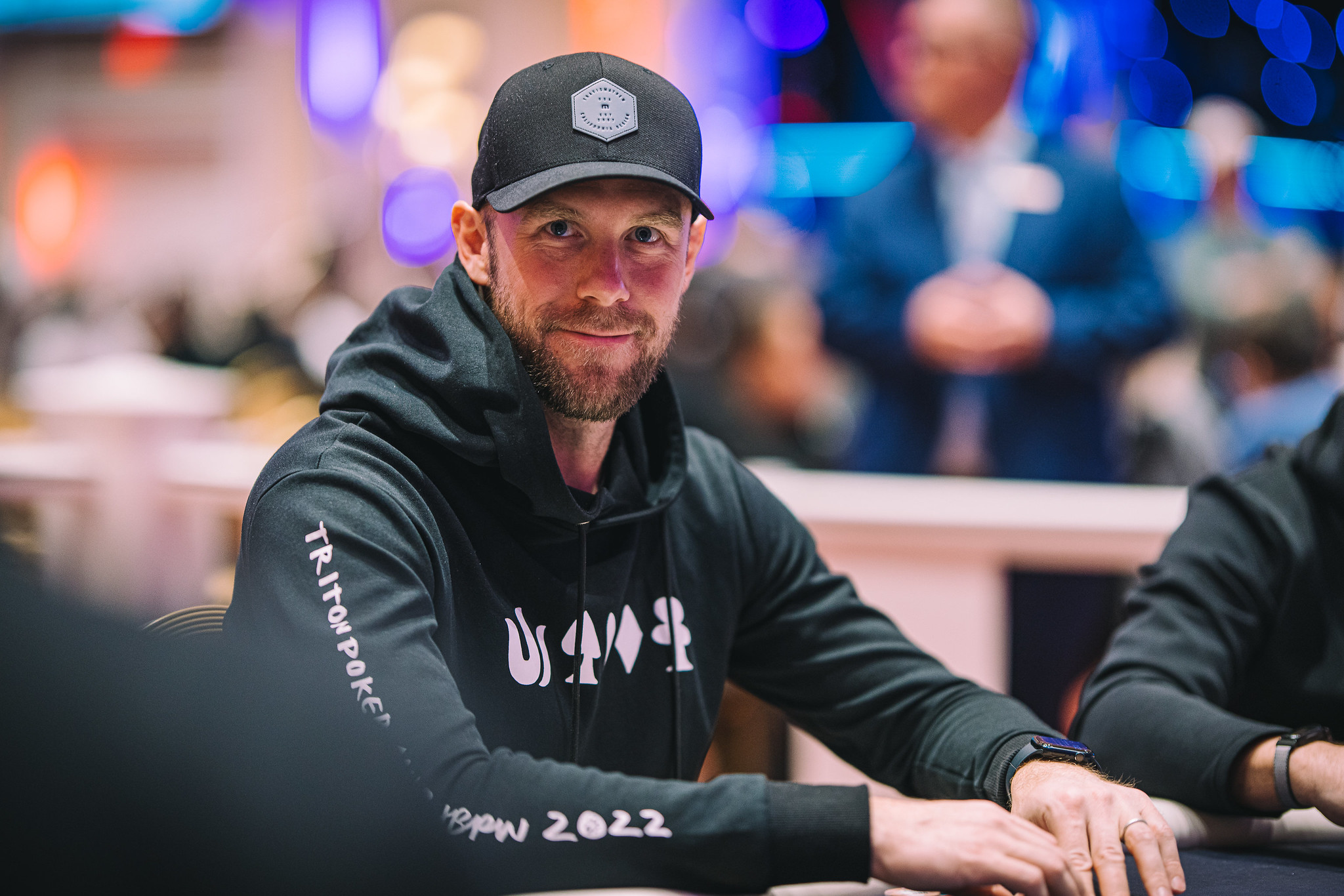
Seth openly addresses the phenomenon of “arrested development.” Poker allows young people to operate without classic responsibilities, which can lead to postponing adult decisions. Some players get stuck in this phase forever.
He also emphasizes that poker teaches things you can’t learn elsewhere — handling risk, money, reputation, and time. Surviving in poker long-term means enduring a series of tough filters. Many don’t make it through, but those who do often develop a very strong character.
Mentors, Role Models, Health, and Family
A significant part of the conversation focuses on mentorship. Seth talks about his relationship with Jason Koon, who was more than just a poker teacher to him — he was like an older brother in a professional sense. It wasn’t just about hands and strategy; it was about approach to work, ambitions, and life. An interesting idea he shares is that the ideal state is to be both a mentor and a student. Learning from someone better while helping someone younger. He sees this balance as one of the pillars of long-term personal growth.
The conversation naturally shifts to health. Seth never saw fitness as a project, but as a habit. Exercise, diet, and routines are part of his identity, not a response to a crisis. He admits that in recent years he has realized how much diet impacts energy, concentration, and long-term health.
Parenthood was a turning point. Although he still loves poker, it no longer defines his value. Wins and big results have lost their emotional dominance. He finds joy in simpler things — in sports, family, and everyday moments that have nothing to do with bankrolls.
In this episode of the GTO Lab podcast, Seth Davies shows that poker can teach you a lot. It teaches discipline, resilience, and analytical thinking. But it’s not the answer to everything. True growing up happens away from the table, in decisions that have no chips or time limits.
More from the GTO Lab Podcast
Stephen Chidwick: Why Results Are Deceptive and Decisions Matter More
Ike Haxton: Precise Sizing Doesn’t Matter, the Real Edge is a Calm Mind
Alex Kulev: What You Need to Change in Your Mindset to Make the Leap to High Stakes
Leon Sturm: Independent Thinking in the High Roller Scene
Orpen Kisacikoglu: Solvers Provide Quick Answers, But Take Away the Thinking Process
Alex Ponakovs: Why Independent Thinking is More Important Than Blindly Following Solvers
Nick Petrangelo: In $100k Events There Aren't Weak Players Anymore, So There's More Work to Do
Daniel Negreanu: Being at the Top of Poker for Years is Hard Work, Not Luck
Fedor Holz: I Used to Want Wins, Titles, and Money. Today I Want Happiness
Sources – GTO Lab Podcast, Flickr/WorldPokerTour

