

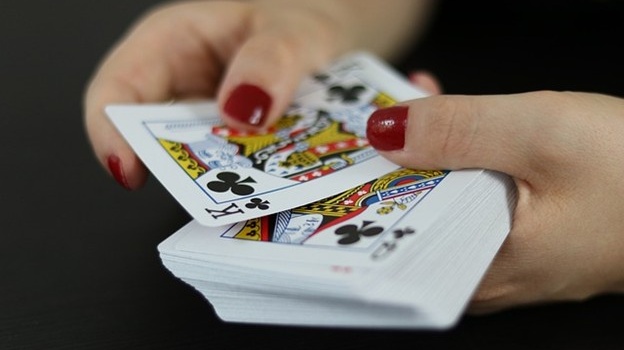
Do you fold straight away, or is there still a way to play the hand?
Weak hands do not automatically mean you should give up. The key is understanding the situation around you. Table position, player behaviour, and pot size all play a role in deciding whether a hand is worth continuing with.
Start With Table Position
Position changes everything in poker. Acting later in a hand gives you a lot more information about what other players are doing. If you are one of the first to act, weak hands usually belong in the muck. There are simply too many players still to make a decision after you.
Later in the order, things look different. When most of the table has already checked or called small bets, the risk is lower and the hand becomes easier to manage.
- Late position - You can see how the table reacts before committing chips.
- Passive tables - If players are mostly checking, weaker hands become slightly more playable.
It does not suddenly make bad cards good, but it can make them less dangerous.
Avoid Building Big Pots
One of the quickest ways to lose chips with a weak hand is letting the pot get out of control. When bets start getting large early in the hand, marginal cards rarely hold up well. Keeping the pot small gives you flexibility. You can see how the board develops without committing too many chips.
A simple rule many players follow is this: if the hand does not improve on the flop, it is usually time to get out. Trying to chase every draw or convince yourself the next card will fix everything often leads to unnecessary losses.
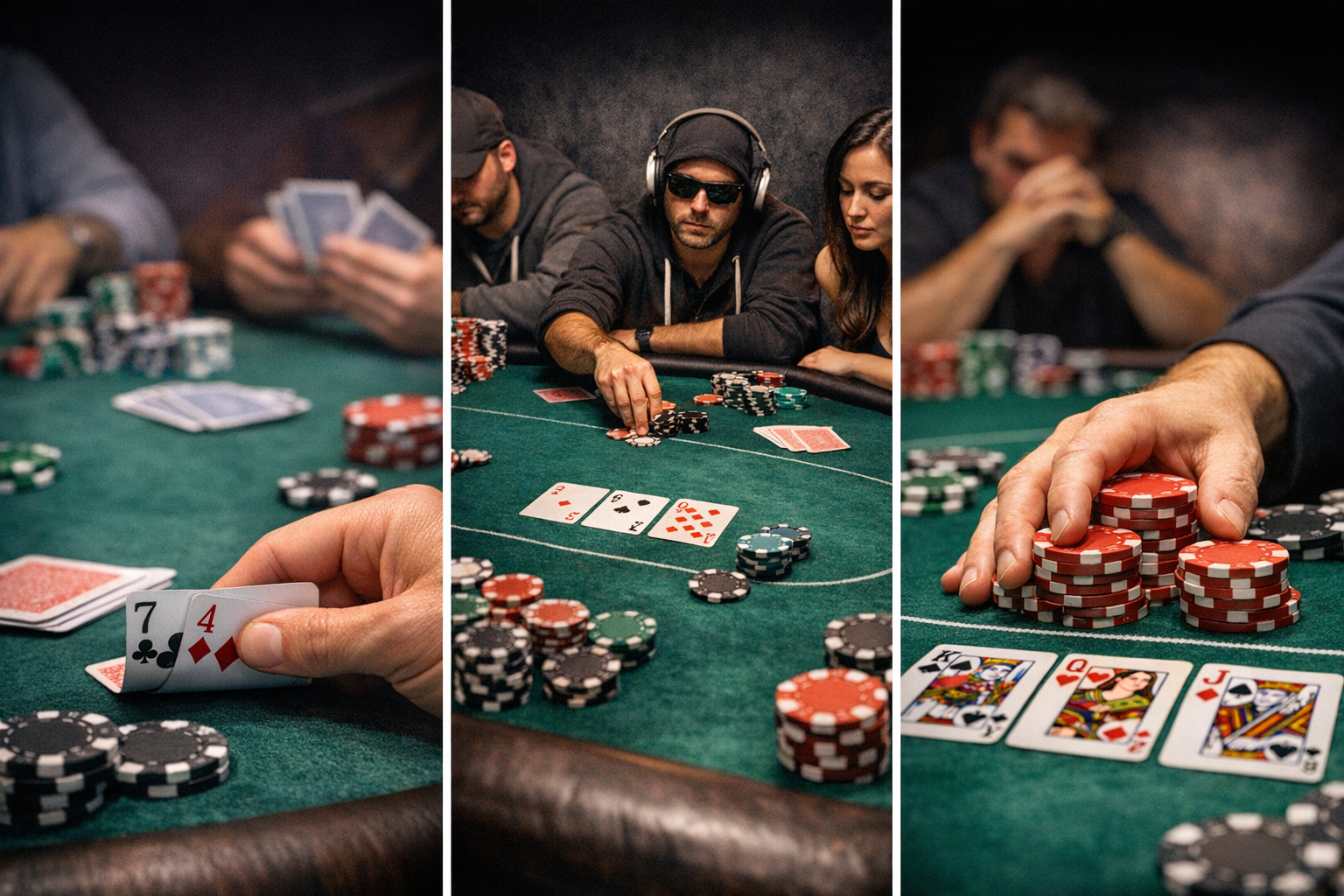
Pay Attention to the Table
Online poker moves quickly, but the same player habits still appear again and again. Some players are extremely cautious. Others love pushing the action. Recognising these patterns can help when you are holding weaker cards.
- Tight opponents - Players who fold often can sometimes be pushed off a hand with a well placed bet.
- Overly aggressive players - Against constant raisers, weak hands are usually not worth defending.
This kind of awareness often matters more than the cards themselves.
The Occasional Bluff Opportunity
Weak hands still have one advantage. They can be used to represent stronger ones. If the board shows high cards or possible straights, players holding medium strength hands may become cautious. A confident bet in the right moment can be enough to take the pot.
Of course, this only works if the story makes sense. Random bluffs rarely succeed for long. For players looking to sharpen these kinds of decisions, online tables at LV BET give you plenty of hands to practise reading situations and managing weaker starting cards.
Playing the Long Game
Poker is not about winning every hand. It is about making better decisions over time. Most starting hands in poker are weak or average. That is just how the game works.
Learning when to fold, when to see a cheap flop, and when to apply a little pressure can make a big difference over hundreds of hands. Strong cards will always be valuable. But handling the weaker ones properly is where a lot of players quietly gain their edge.

