

Records and Family Triumphs in Side Events
Even before the Main Event, the festival showcased its growing popularity. The very first event (500$ Limit Seven Card Stud) broke historical records. The tournament attracted a record 176 players, making it the first WSOP event ever to surpass 100 entries. The winner was Bobby Schwing, who took home $52,800.
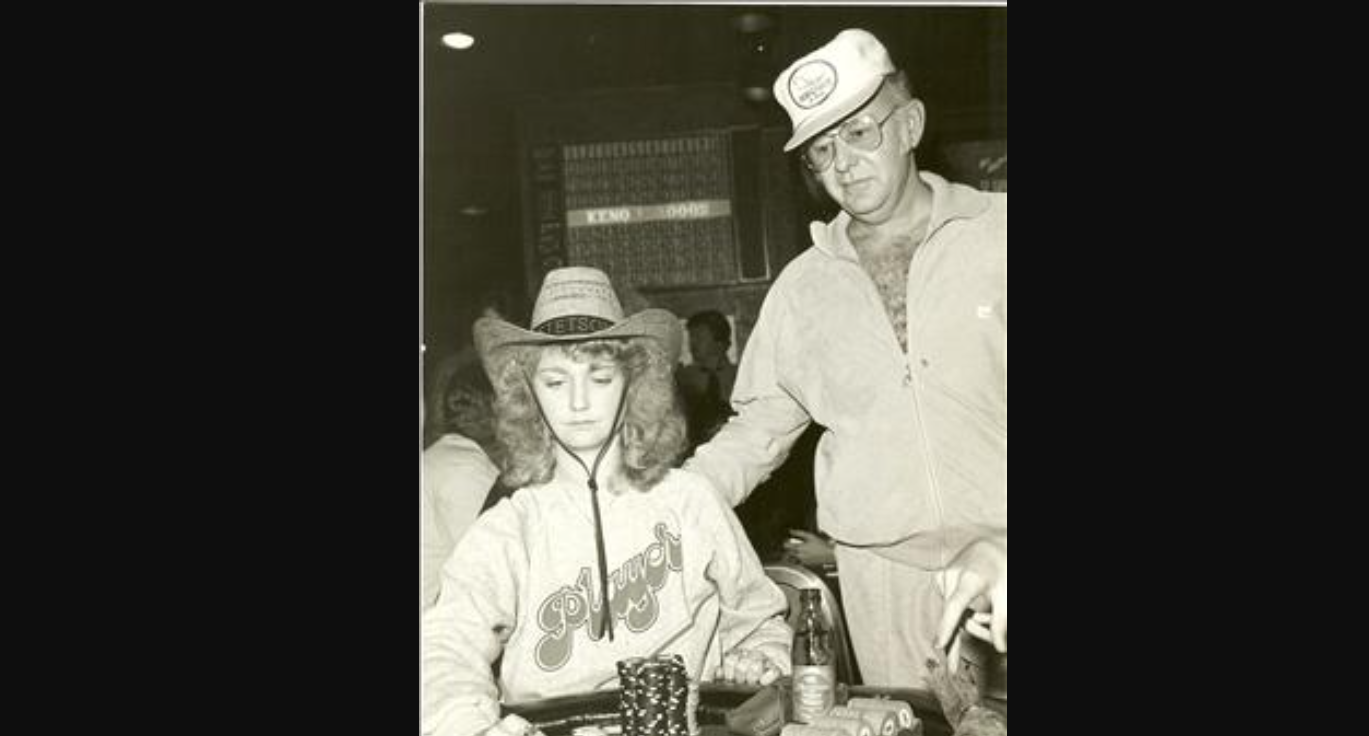
One of the most unique stories in poker history unfolded during the third and fourth tournaments of the series. In Event #3: 2,000$ Limit Draw High, Pat Callihan triumphed over a field of just 13 players. The next day his daughter-in-law Deb Callihan followed suit, claiming the title in Event #4: 400$ Ladies Seven Card Stud, earning the family a second gold bracelet in 48 hours. These were their only WSOP victories.
Pete Christ, whose real name was Panagiotis Christodoulou from Athens, Greece, made history with another first. When he won Event #5: 5,000$ Limit Seven Card Stud, he became the first bracelet winner born outside of the United States. His road to the title was even more prestigious as he defeated the yet-to-be-recognized but fierce 26-year-old from New York, Stu Ungar, in the final heads-up.
1980 saw new names rising to victory in 11 out of 12 events. Only Lakewood Louie added to his collection with a fourth bracelet in Event #11: 1,000$ Limit Razz. Louie embodied an efficiency that was nearly miraculous during this period. Throughout his career, he reached the money positions at WSOP exactly four times, winning all four tournaments. After 1980, he never again finished in a cash position.
Despite 12 different winners in 1980, the title 'Most Valuable Player' (MVP) of the series went to a man who didn’t win a single tournament. Johnny Hale consistently amazed as he reached five final tables in various disciplines.
|
Tournament |
Entries |
Winner |
Prize |
|
Event #1: 500$ Limit Seven Card Stud |
176 |
Bobby Schwing |
$52,800 |
|
Event #2: 1,000$ No-Limit Hold'em |
138 |
Robert Bone |
$69,000 |
|
Event #3: 2,000$ Limit Draw High |
13 |
Pat Callihan |
$15,600 |
|
Event #4: 400$ Women's Seven-Card Stud |
62 |
Deby Callihan |
$14,880 |
|
Event #5: 5,000$ Limit Seven Card Stud |
30 |
Pete Christ |
$90,000 |
|
Event #6: 10,000$ NL 2-7 Draw Lowball |
19 |
Sarge Ferris |
$150,000 |
|
Event #7: 1,500$ No-Limit Hold'em |
126 |
Gene Fisher |
$113,400 |
|
Event #8: 1,000$ Limit A-5 Lowball Draw |
61 |
Jim Fugatti |
$35,600 |
|
Event #9: 600$ Mixed Doubles (NLH) |
41 |
Lynn Harvey A.J. Myers |
$7,380 each |
|
Event #10: 1,000$ Limit Seven Card Stud Hi-Lo |
51 |
Mickey Appleman |
$30,600 |
|
Event #11: 1,000$ Limit Razz |
56 |
Lakewood Louie |
$33,600 |
|
Event #12: 10,000$ Main Event (NLH) |
73 |
Stu Ungar |
$365,000 |
Main Event with a New Tradition
The 1980 Main Event went down in history as a generational clash that forever changed the face of poker. Thanks to the 'Fowler Effect,' where an amateur’s victory the previous year encouraged unconventional players, a record 73 participants entered the $10,000 buy-in tournament, marking an incredible 26% increase.
This year was also pivotal for media influence. ESPN filmed the final table for a one-hour TV special for the first time, eventually leading to a famous tradition. Jack Binion poured over $500,000 in cash on the table in front of the finalists, enhancing the spectacle for viewers.
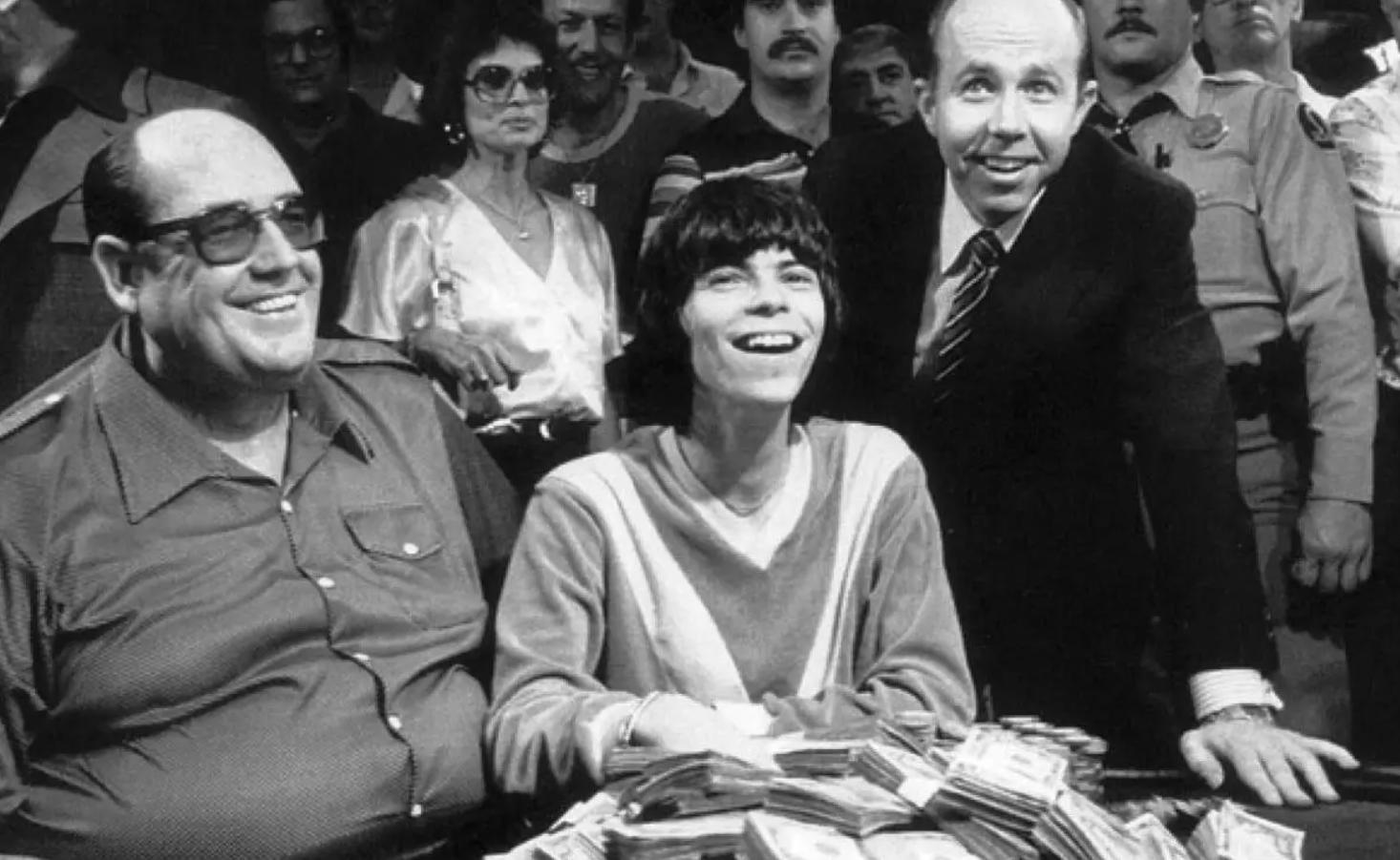
The final table was packed with legends. Among them were Johnny Moss, Jay Heimowitz, Doyle Brunson, and even a famous actor and comedian, Gabe Kaplan. However, the main hero of 1980 was undoubtedly Stu 'The Kid' Ungar.
Ungar was known in gambling circles as an excellent gin rummy player and was learning poker practically 'on the go.' Doyle Brunson later recalled that at the start of the tournament, Stuey knew almost nothing about the game, but he learned incredibly quickly.
The first major dramatic moment occurred before the bubble burst. In a huge pot, Ungar, Brunson, Kaplan, and Moss collided on a board of A-A-K-3-8. Ungar and Brunson both held A-Q and split the pot, significantly weakening Kaplan and Moss's stacks. Ultimately, Gabe Kaplan became the 'bubble boy,' finishing in 6th place without a cash prize.
Another interesting exchange saw Doyle Brunson hitting four aces against Johnny Moss, bringing him to the brink of elimination and soon finished off by Ungar. When Brunson subsequently eliminated Jay Heimowitz in third place, the world was treated to an exciting finale.
Prodigy Claims Title on First Try
The final heads-up was a battle between two players at opposite ends of the experience spectrum: two-time Main Event champion Doyle Brunson and bold newcomer Stu Ungar. The heads-up began with nearly even stacks but lasted only about 15 minutes. The conclusion came with a hand that became part of poker folklore.
Brunson raised to 10,000 pre-flop with A h 7 s, and Ungar called with 5 s 4 s. The flop was A d 7 d 2 c, and Brunson hit two pairs, betting another 10,000. Ungar called again, and the turn brought 3 h, giving Ungar a straight. Ungar took the lead with a 30,000 bet. Believing he held the best hand, Brunson went all-in, only to be instantly called by Ungar. The river was an inconsequential 2 d.
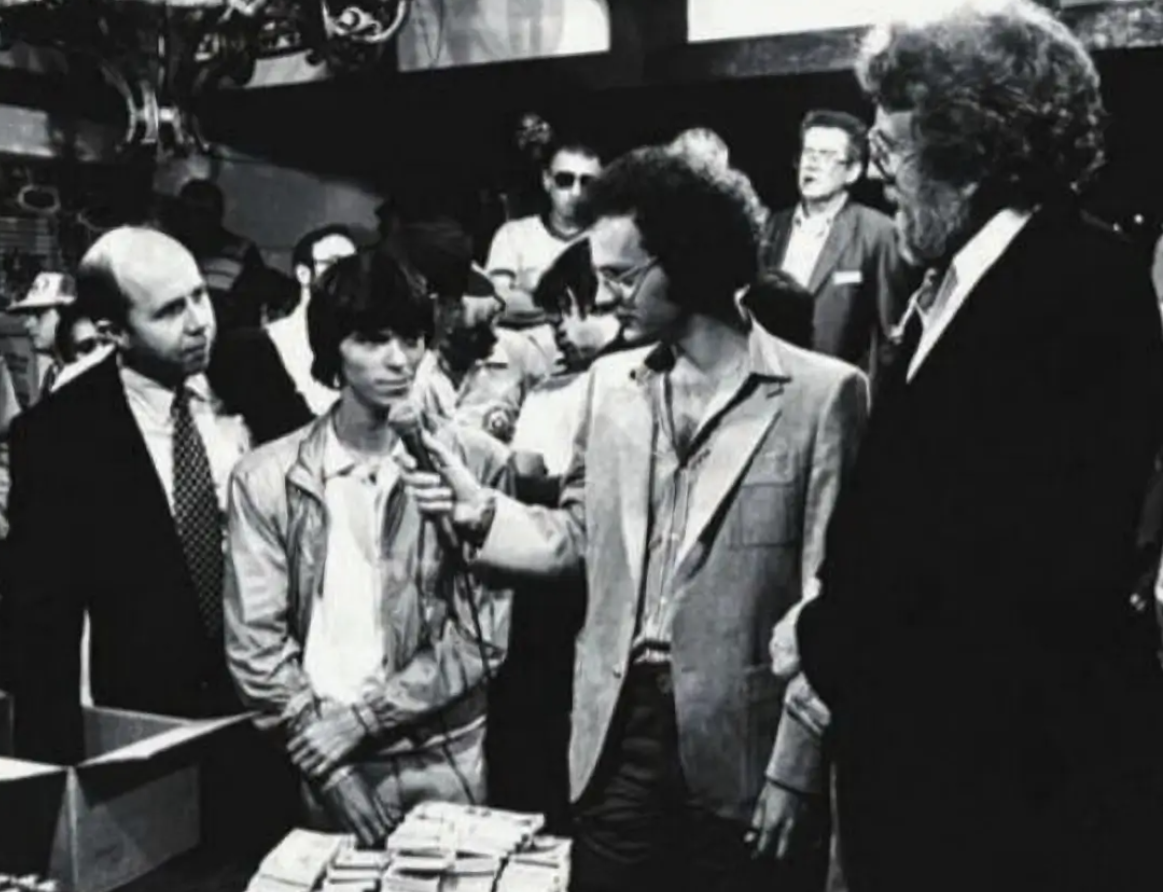
At 26, Stu Ungar became the youngest Main Event champion in history, winning a record $365,000. With his aggressive style and brilliant intuition, he stunned professionals and proved that poker’s future belongs to a new generation.
More from WSOP History
The History of WSOP: 1979 – A Milestone Triumph for an Amateur and the Birth of the Hall of Fame
The History of WSOP: 1978 – The End of the 'Winner Takes All' Era
The History of WSOP: 1977 – The Miracle of 10-2 Repeats Itself
The History of WSOP: 1976 – Texas Dolly's First Triumph and the Birth of the Legendary Hand 10-2
The History of WSOP: 1974 – Johnny Moss's Return to the Throne and the Birth of Iconic Bracelets
The History of WSOP: 1973 – Puggy Pearson's Triumph and the Dawn of the Television Era
The History of WSOP: 1972 – Amarillo Slim's Controversial Win
The History of WSOP: 1971 – The First Freezeout Tournaments
The History of WSOP: 1970 - The First World Champion Elected by Vote
Sources: WSOP, Wikipedia, PokerListings, w50p, Legacy

