

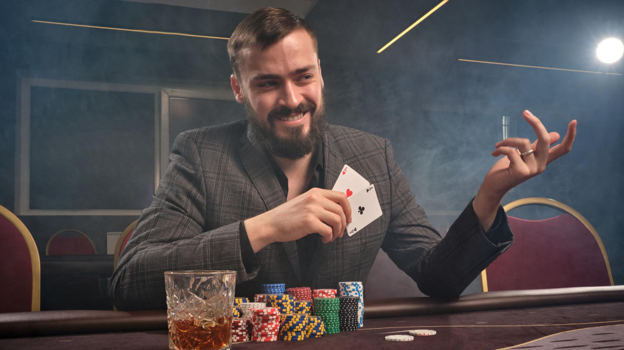
However, the reality is very different as professional players deal with long hours of waiting, intense bursts of concentration, irregular sleep, and weeks away from home. In this article, we will explore this overlooked side of professional poker and how the best players fill the gaps between games.
The Physical Dimension – Why More Pros Are Taking Fitness Seriously
Previously, fitness was an uncommon aspect for most professional poker players. But today, it has become a normal part of life for many tournament regulars. The reason is simple: even though playing hands and mind games may not be physically demanding, the body is still under stress. As tournament days last anywhere from 10 to 14 hours, during this time players must:
- Sit for long periods of time
- Stay mentally sharp through hundreds of difficult decisions
- Avoid mistakes caused by fatigue
- Keep up appearances
- Keep emotions under control during wins and losses
All of this adds up, and if players are not prepared, it can significantly impact their performance. Research has shown that cognitive performance is dependent on physical fitness as it directly supports attention and memory capabilities. These benefits matter a lot in poker, especially when strain comes into play during long tournament runs.
Pros like Daniel Negreanu, with his strict workout routine, show just how much fitness matters. Just think of the last time you did anything for hours on end with large stakes at hand. Professional poker turns out to be a much greater physical challenge and test of endurance apart from being a test of wit and skill.
Mental Recovery – How Pros Decompress Between Sessions
Poker demands constant attention and sharpness as decisions must be made under uncertainty. Constantly calculating the board and your opponents is straining, even without constantly regulating your emotions and actions to not give hints. Now throw in some mind games, and you can see how stimulated professional poker players can get for hours on end.
Because of this, many professionals treat mental recovery as seriously as studying strategy and their opponents. Common methods to unwind include:
- Meditation
- Mindfulness exercises
- Journaling
- Walking outdoors
- Taking extended breaks from poker
Fedor Holz is a prominent player who has publicly spoken about mindfulness and meditation as healthy habits that support mental recovery. Another overlooked aspect of mental recovery is sleep, a recurring problem as professionals travel the world and experience jet lag routinely. Furthermore, sitting constantly in the spotlight can make players lose track of time and further disrupt their routines and internal clock.
Other Games – What Pros Play When They Are Not Playing Poker
Professional poker players do not spend every free minute thinking about poker. Most enjoy exploring other hobbies and interests to relax their minds rather than challenge them. Players like Phil Ivey proudly showcase their passion for golf, chess, or other sports while others take a more casual approach.
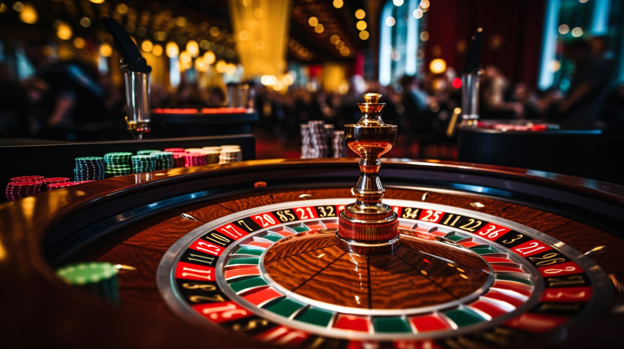
Video games are very popular among younger professionals as a way to unwind after long tournament days. In this space, casino games such as blackjack on online casinos like NetBet stand as popular options. This is because they are in a familiar field but offer a more recreational experience in the same hobby.
For professionals, this is crucial as it keeps them engaged but allows them the room to take a step back. It is important to note that casino games carry real financial risk and should be treated as entertainment rather than sources of income.
Travel and the Tournament Circuit Life
Life on tour means constant movement: EPT stops in Europe, WSOP in Vegas, WPT festivals worldwide. Airports, hotels, and shifting time zones become routine. Some players study hands mid-flight; others use travel to switch off completely and recover. There's no universal formula, just constant balancing. The circuit also builds a tight-knit community, with the same faces turning up month after month. Still, many pros admit the hardest part isn't the poker; it's holding relationships together while living out of a suitcase.
Study and the Work That Happens Away From Tables
Real improvement rarely happens at the felt. Off the clock, pros pour hours into:
- Reviewing hand histories.
- Running spots through GTO solvers like PioSOLVER or GTO Wizard.
- Working with coaches.
- Breaking down tough decisions in private study groups.
- Discussing hands with other players.
Many top players say prep can rival actual playing time, especially before major series. Content creation has also crept into the routine: streaming, YouTube breakdowns, and social posts now double as both income and a way to give back to the community.
What Off-Table Life Reveals About the Professional Mindset
The lesson is consistent: professional players treat their downtime with the same discipline as their decisions at the table. Fitness, recovery, travel, and preparation aren't extras; they're the job. That structure is what carries players through poker's brutal downswings, when results dry up for weeks, but good decisions still have to get made.
Poker looks like dramatic all-ins from the outside. From the inside, it's built on preparation most people never see, the quiet hours behind every calm bad-beat reaction. By taking the time to understand the depth of the professional scene, fans gain a far greater appreciation for what separates the best players from the rest, not just talent at the table, but discipline everywhere else.