

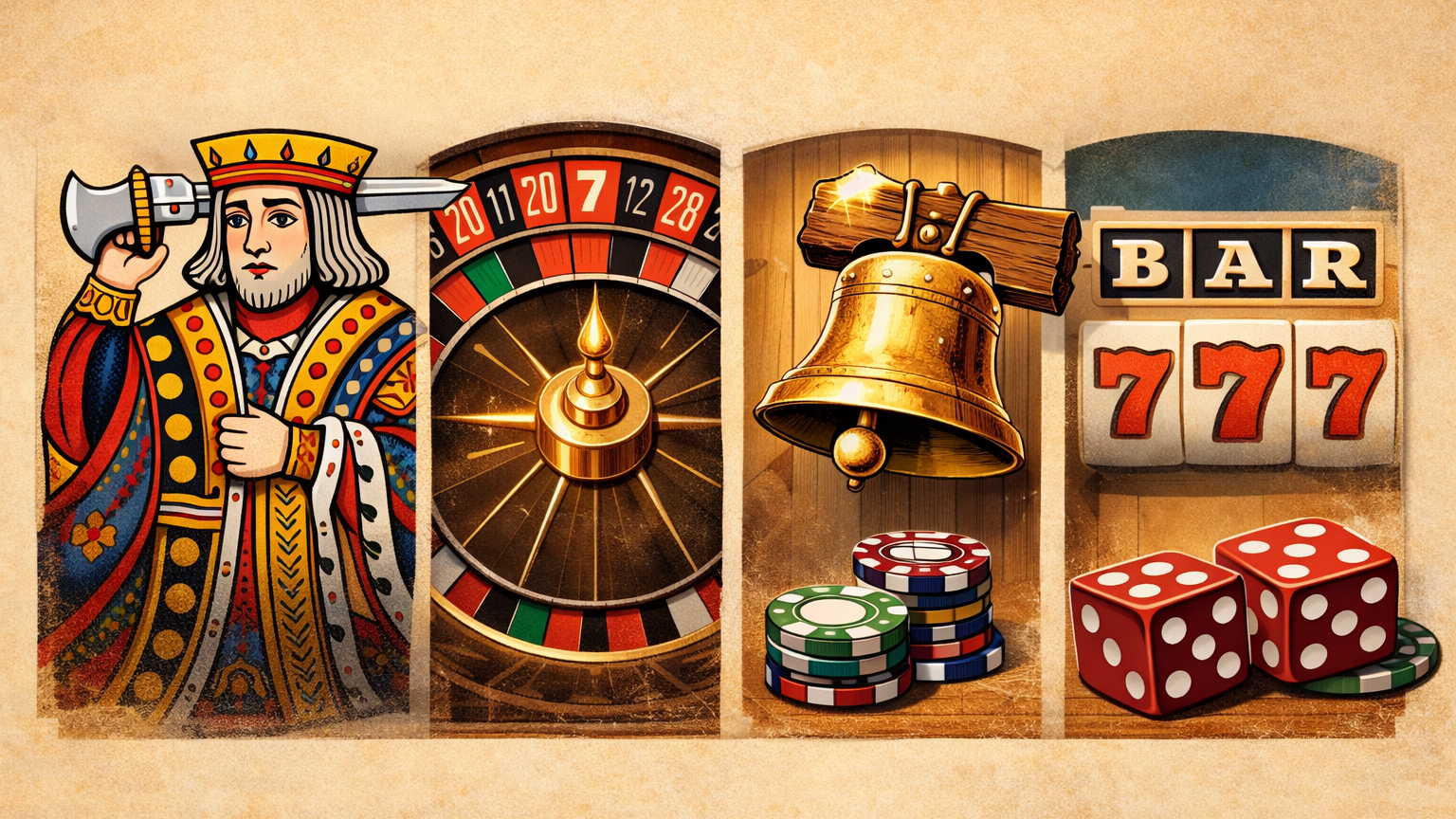
Mnozí milovníci karet sní o tom, že si zahrají poker v pulzujících digitálních hernách, jako je Wingaga casino, kde vyzvou přátele a společně budou moci bojovat o velké poty a vysoké výhry. Jen málokdo se však zastaví a zamyslí nad tím, proč se právě tyto symboly staly zkratkou pro náhodu, naději či zklamání. Tento článek se podívá pod povrch herních stolů a odhalí příběhy ukryté v balíčku karet, v ruletě a v hracích automatech. Když se hráči a zvídaví čtenáři dozvědí, odkud tyto známé symboly pocházejí, mohou získat nový pohled na tichou dramatičnost, která se odehrává pokaždé, když se otočí karta nebo padne kulička. Pochopení jejich původu může být i malou výhodou, protože hráčům připomene, že každý symbol na herním stole byl navržen s konkrétním záměrem, a ne jen jako čistě dekorativní prvek.
The King of Hearts: A Love Story in a Deck
Among the fifty-two faces in a standard deck, none is as dramatic as the King of Hearts. He is often called the “suicide king” because the hilt of his sword appears to pierce his own crown. The design, however, was never meant to be morbid. Early woodblock printers in 15th-century France drew the king holding a battle axe. Over centuries of copying, fine details vanished, and the axe slowly morphed into a straight sword that looked as if it were turned inward. Historians believe the figure originally represented Charlemagne, the legendary emperor celebrated for loyalty and courage. Modern players keep that idea alive by viewing the King of Hearts as a symbol of noble risk: the willingness to put everything on the line for love or country. When a poker hand turns on this card, many regulars read it as a sign to act boldly, trusting that brave hearts can still win pots.
Lucky Number Seven on the Roulette Wheel
Step onto any roulette floor and ears immediately tune to the cheers for number seven. Statistically, seven is no more likely to land than any other pocket, yet it remains the most popular wager worldwide. The superstition traces back to ancient cultures that linked the number with completeness—there are seven days in a week, seven visible planets in classical astronomy, and seven wonders of the ancient world. When roulette arrived in French salons during the 18th century, players carried these beliefs with them. The red 7 on modern European wheels sits opposite the black 28, creating a pleasing visual balance that dealers point out during demonstrations. Casino marketers have further fueled the myth by paying out bonuses or free drinks when the number hits on special nights. Because seven holds a middle position in many sequences, gamblers often see it as a stabilizing force, a friendly midpoint between extremes. That comforting idea keeps chips piling on the red 7 spin after spin.
The Bell and the Bar: Slot Machine Icons
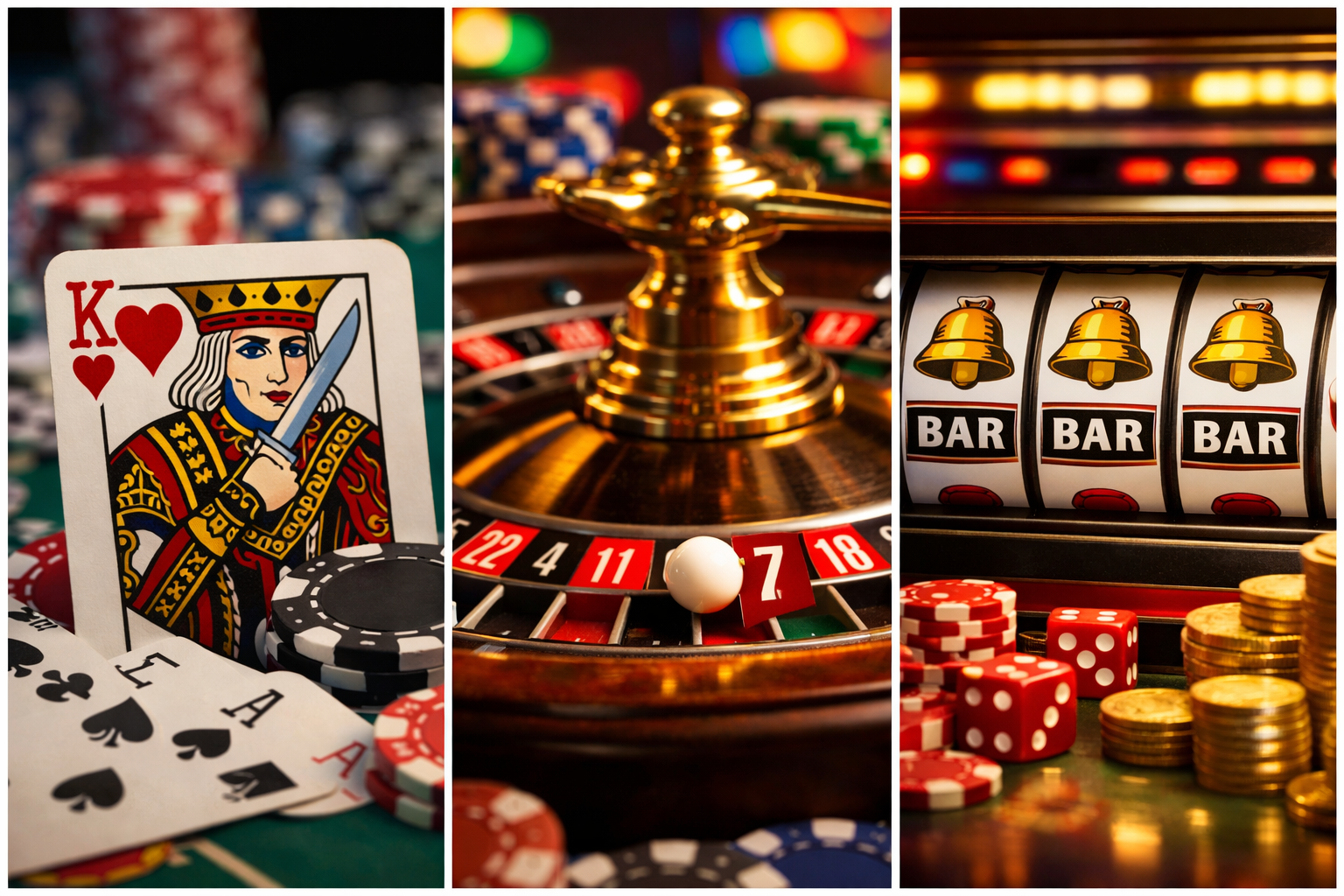
Long before video screens filled casino floors, mechanical slot machines used simple images to tell players when they had won. The Liberty Bell, designed by Charles Fey in 1895, lent its name and symbol to the very first three-reel machine. Fey chose the cracked bell as a patriotic nod, hoping that “liberty” would resonate with customers seeking freedom from workday worries. When three bells lined up, players received the top payout of fifty cents—a fortune at the time. A few years later, the Bell-Fruit Gum Company produced machines that paid winners in flavored gum rather than coins to skirt anti-gambling laws. Their reels displayed juicy fruit images and a stylized “BAR” logo that copied the company’s wrapper design. The Bar icon stuck, even after cash prizes returned. Today’s digital slots honor that legacy by mixing cherries, bells, and bars with modern graphics. Spotting three bars in a row still signals a jackpot, connecting today’s spinners to a century of reel history.
Dice, Chips, and the Universal Language of Luck
Walk through any casino corridor and the sound of dice clacking across green felt carries farther than the loudest pop song. The six-sided cube is one of humanity’s oldest gaming tools, with examples carved from bone over 5,000 years ago in Mesopotamia. Despite technology’s march, the basic design has hardly changed: opposite sides always add up to seven, a subtle nod to balance and fairness. Casino chips tell a newer story. Introduced in the late 1800s to replace uneven piles of gold coins, chips standardized value and made cheating harder. Their bright colors and clear denominations speak a common language across borders, letting tourists join a table even if they cannot speak the dealer’s tongue. Together, dice and chips symbolize accessibility; anyone with a stake can roll, bet, and hope. When a shooter yells “hard eight” and stacks chips behind the pass line, every onlooker understands the moment, proving that luck needs no translation.

