

The changes in POY rules mean the quest for the season’s crown becomes a true global marathon. Players can earn points at three key stops:
-
WSOP Europe: March 31 – April 12 in Prague.
-
World Series of Poker: May 26 – July 15 in Las Vegas.
-
WSOP Paradise: December 1 – 18 in the Bahamas.
Under the new rules, the final standings will include a player's top 15 results from open bracelet events at these three tournaments. In contrast, results from online tournaments and specific events (such as events for seniors, ladies, or casino employees) traditionally do not count towards the POY leaderboard.
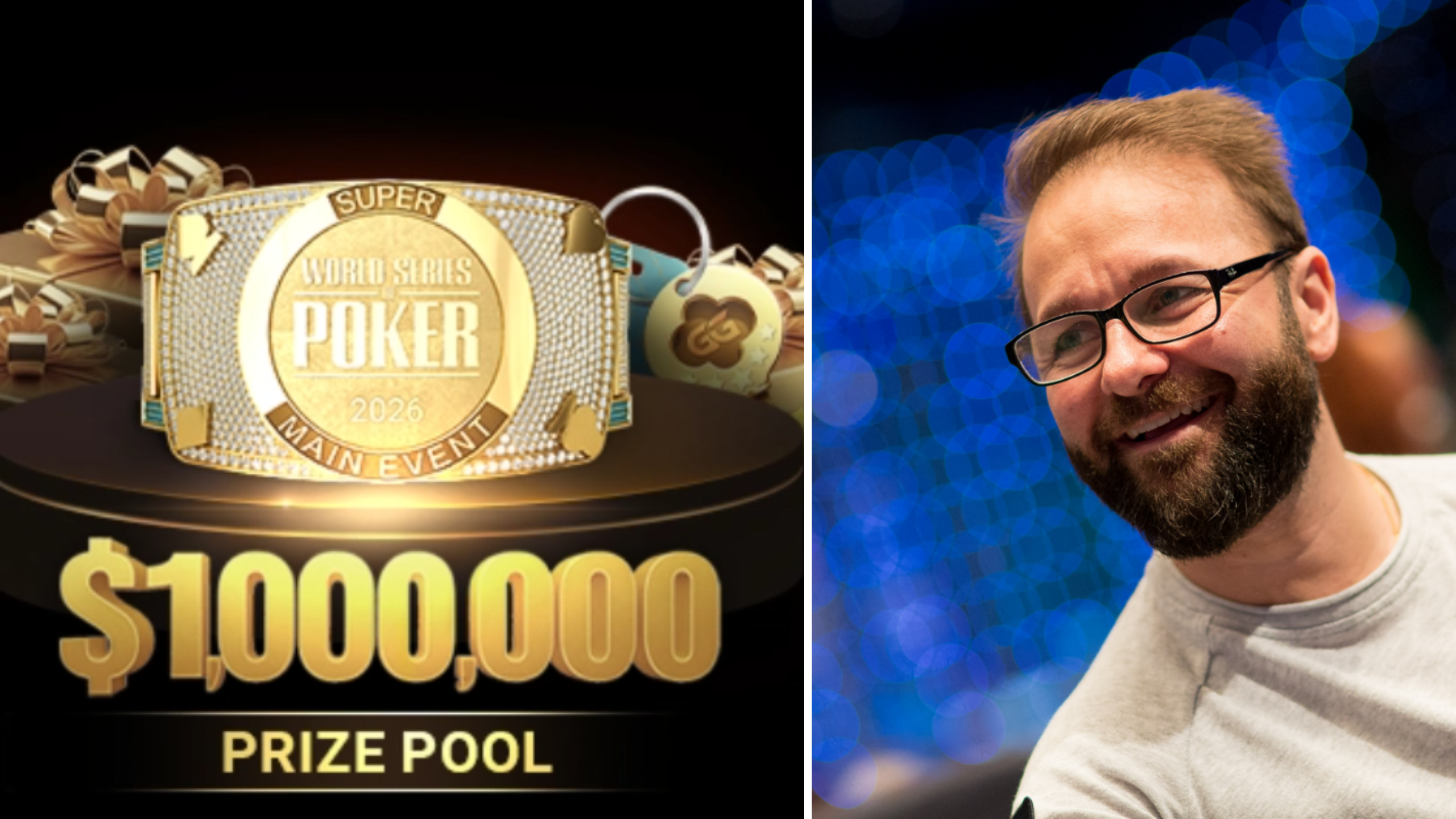
Beyond immense prestige, top players in 2026 will also vie for generous rewards. The top 100 players in the POY leaderboard will split prizes totaling $1,000,000.
The absolute champion of the 2026 POY rankings will receive a grand prize of a $100,000 package for the WSOP Paradise festival. In addition to this valuable prize, the Player of the Year title also traditionally includes other exclusive perks:
-
A ticket to the WSOP Main Event for the following calendar year.
-
A special champion's trophy.
-
A personalized banner featuring the winner's likeness, displayed in the playing halls in Las Vegas throughout the following year’s series.
The 2026 reward system also considers other successful players. For instance, those finishing in 2nd and 3rd places will also receive a $100,000 WSOP Paradise package, while a top 15 finish guarantees a $30,000 Super Main Event package. This entire incentive structure underscores organizers' efforts to boost the appeal of the POY race.
Historic Changes in Scoring
Including European bracelets in the POY race is not entirely new but rather a return to a proven model. The Player of the Year leaderboard was first introduced in 2004. Although the WSOP Europe (WSOPE) series debuted in 2007, its results were only counted towards the POY leaderboard from 2011. In subsequent years (2013 and 2014), the short-lived WSOP Asia-Pacific (APAC) was also included in the calculations.
However, the link between the European bracelets and the POY title had been severed in recent years. Starting in 2021, results from WSOP Europe bracelet events were no longer included in the Player of the Year leaderboard, sparking discussions about the value of European bracelets compared to those from Las Vegas. The year 2026 finally remedies this gap, once again uniting bracelet events into a cohesive, year-long narrative.
How WSOP Europe Crowned Daniel Negreanu in 2013
The connection between European and Asia-Pacific series with the POY leaderboard delivered one of the most memorable moments in the legendary career of Daniel Negreanu. “Kid Poker” long held the unique distinction of being the only player in history to win the WSOP Player of the Year title twice. He first achieved this feat in the inaugural leaderboard year of 2004, and again in 2013 (Shaun Deeb matched this in 2025 with victories in 2018 and 2025).
Negreanu's dominance in 2013 was ignited by his triumph at the inaugural WSOP Asia-Pacific, where he won the Main Event and walked away with a prize exceeding a million dollars. Throughout the summer in Las Vegas, he racked up various ITM finishes, highlighted by a second-place showing in the Limit 2-7 Triple Draw. However, the POY title was ultimately decided at the autumn WSOP Europe festival.
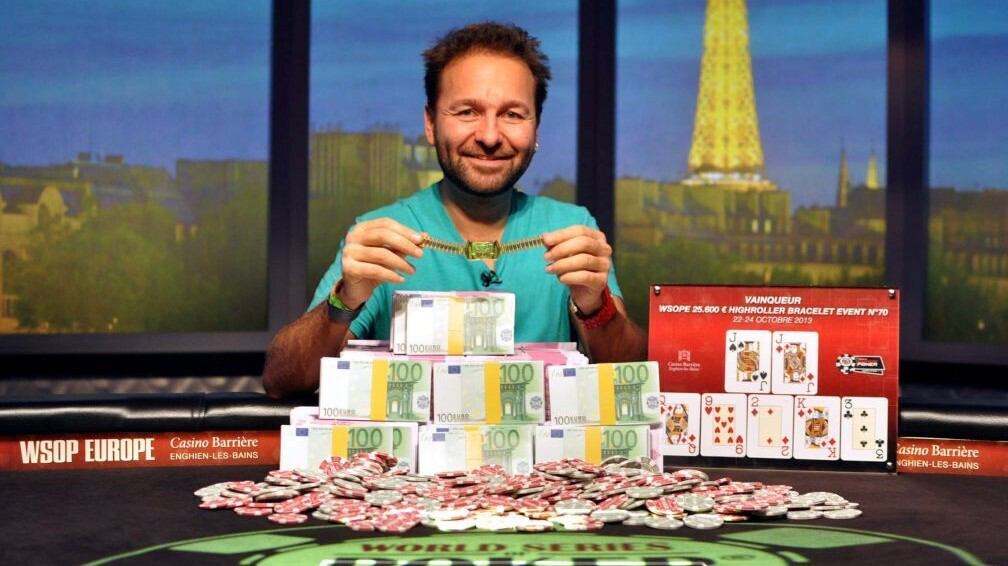
It was the final event of WSOPE 2013 – the €25,600 High Roller – that secured Negreanu's immortality. By reaching the final table, he amassed enough points to overtake Matthew Ashton in the standings and clinch the POY title. Negreanu went on to win the entire High Roller, earning his sixth gold bracelet and a payout of €725,000.
These accolades have always held great significance for Negreanu. “I’ve always been a fan of the Player of the Year rankings... they showcase consistent results, which means more to me than just a single tournament win,” Negreanu remarked at the time. His historic achievement in 2013 stands as the best testament to the fact that European events have the power to influence the greatest poker destinies.
Sources: WSOP, Wikipedia

