

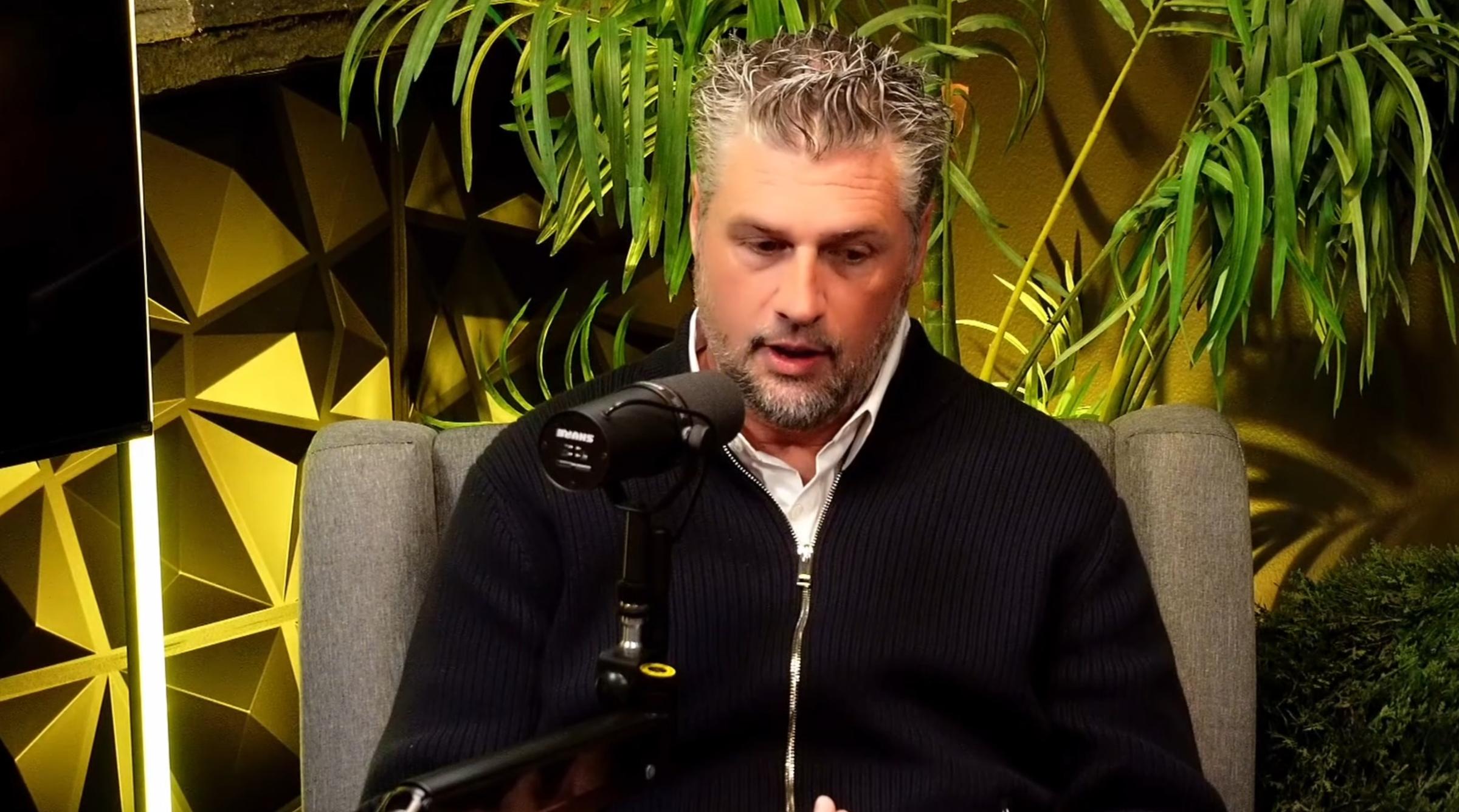
From Hockey to Casinos
In the opening of the interview, Brad Booth talks about how he got into cards during his childhood—starting with collectible hockey cards, home games, and later, illegal visits to casinos at a young age. Poker was a natural continuation of the competitiveness he previously found in hockey. Although the university path didn't work out for him, the competitive environment and desire for the game gradually drew him into the world of cash games.
A pivotal point was his time in northern Canada's Yukon, where the nickname “Yukon Brad” was born. It was there he built his bankroll in regular underground games and started considering poker as a full-time professional journey.
Soon after jumping onto the professional wave, the online poker boom hit. Brad was among those who quickly grasped the advantages of new games and the massive growth of poker. He started playing more and soon moved to Las Vegas, a natural step—he simply wanted to be “at the center of the poker universe.”
A significant part of the podcast is memories of life directly in the casinos. Booth openly talks about how he spent long months practically without leaving Bellagio, playing for tens of hours a day and sleeping between sessions. This extreme lifestyle allowed him to quickly reach the biggest games, but it also took its toll.
High Stakes Poker and the Iconic Bluff Against Phil Ivey
One of the main topics of the podcast is undoubtedly the legendary hand from High Stakes Poker where Brad Booth went all-in with a complete bluff. Holding 4 s 2 s, he decided to massively bluff on the flop of 3 d 7 s 6 d against none other than Phil Ivey.
Booth breaks down his thinking in that situation—why he believed Ivey couldn't call at that moment, how the psychological pressure worked, and why an overbet back then was something completely exceptional. Looking back, he admits it wasn’t just about the hand itself, but also about building an image and “advertising” for future games. This situation is rightly considered one of the most iconic bluffs in televised poker history.
Downfall, Personal Crisis, and Life in the Woods
The interview doesn’t shy away from darker chapters. Booth openly discusses Black Friday in 2011, losses of his online bankroll, pivotal decisions, and the gradual decline that led to his complete disappearance from public life. One of the most powerful parts of the interview describes the period when Booth retreated to the Oregon woods, cut off contact from the outside world, and lived away from the poker scene for several years. It was there that he underwent deep self-reflection, engaged in physical work, and returned to basic values.
Today, Brad Booth plays poker again—but in a completely different mode. Instead of chasing the largest stakes, he focuses on lower limits, the joy of the game, and mental balance. In the podcast, he repeatedly emphasizes that he leaves his ego outside when entering the casino and sees poker as a tool, not the goal.
More from Table One Podcast
Landon Tice: When Talent Outpaces Maturity and Poker Forces You to Grow Up
Jeremy Ausmus: From Dusty Poker Games in Colorado to the Pinnacle of World Poker
Cary Katz: Why High Stakes Attracts Extremely Analytical Personalities
Sources – YouTube, PokerNews, WSOP

