
Chris Brewer
Chris Brewer is an American professional poker player, two-time World Series of Poker bracelet winner and a successful competitor across No-Limit Hold’em, Short Deck, Pot-Limit Omaha and mixed games. Before poker became his profession, he competed as a distance runner at the University of Oregon.
His career is built around a striking change of scale. A small home game during his university years led to live cash games, international high rollers and eventually a 5.293.556 $ WSOP victory. That journey made him one of the most recognisable players of his generation on the elite tournament circuit.
The Hendon Mob profile for Christopher Brewer lists 29.966.214 $ in recorded live tournament earnings at the time of preparation. The total captures his tournament results, while his extensive cash-game background sits outside that public record.
The story is therefore larger than one spectacular summer. Brewer reached the highest stakes through cash games, developed into a tournament regular and demonstrated that his ability extended beyond the two-card game most spectators associate with him.
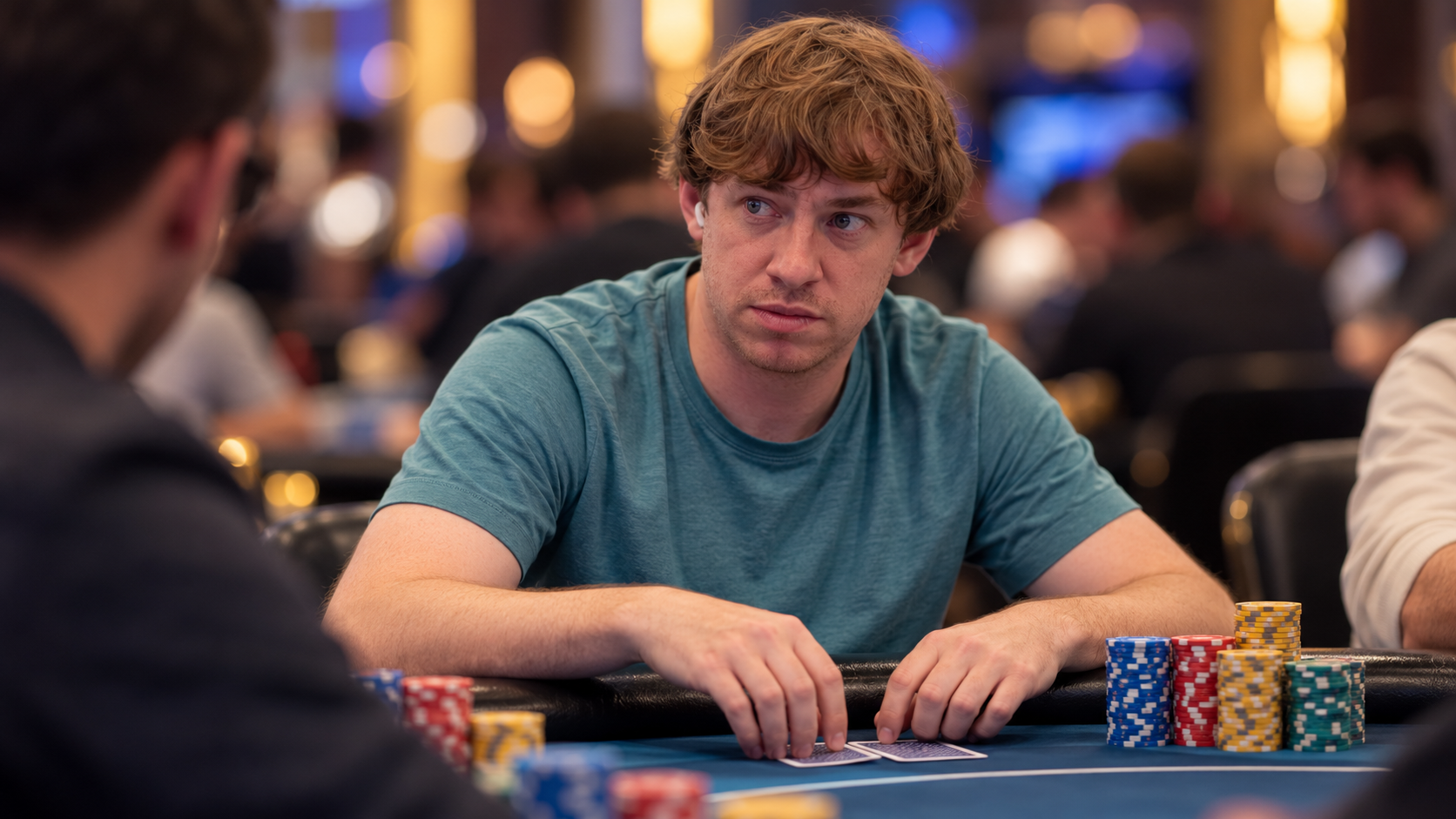
Early Life and Birth
Christopher David Brewer was born in 1993 and grew up in the San Diego area of California. Public biographical records list January 16, 1993, as his birthday.
His early competitive identity came from athletics. He attended Rancho Buena Vista High School, where distance running provided a demanding outlet for his ambitions. The University of Oregon later gave him the opportunity to train in one of American collegiate athletics’ strongest environments.
That background matters because poker did not introduce him to preparation or pressure. By the time he began learning the game, he already knew what it meant to work toward a difficult goal and compete against people who had prepared just as seriously.
Running for the Oregon Ducks
Brewer competed in track and cross country for Oregon. His university record includes a 1,500-metre personal best of 3:44.18, recorded in Salem in May 2013.
The daily requirements of competitive running shaped his approach to improvement. Training was organised around consistency, physical effort and the willingness to repeat work without an immediate reward.
A runner cannot make up for months of poor preparation with one inspired afternoon. Poker involves much more short-term luck, but the need to build a reliable process carries across both activities. Brewer’s later career makes that connection particularly interesting: the results changed dramatically, while the habit of serious preparation remained relevant.
A Small Home Game Opens a New Path
Brewer first played poker at age 19 during the 2012 Olympic Trials period. The introduction was a home tournament with a 5 $ buy-in, far removed from the enormous games he would eventually enter.
His early development took place in low-stakes live cash games rather than through an immediate leap into major tournaments. Repeated sessions gave him a practical education in betting, opponents and the difference between a winning result and a well-played hand.
The modest beginning is one of the most revealing parts of his career. Poker initially offered an enjoyable new competition. Only later did it become a profession with a global calendar and buy-ins capable of exceeding the price of a house.
Choosing Poker After University
Brewer completed university with a business degree and a mathematics minor. He then pursued poker professionally, moving through progressively larger live cash games in California.
His route was not a single uninterrupted climb. Moving up in stakes required dealing with swings, taking opportunities and learning to compete in environments where one mistake could cost much more than it had before.
That progression helps explain why a tournament database gives an incomplete account of his development. By the time major televised results brought him wider recognition, he had already spent years building experience in games whose outcomes were not recorded on a public leaderboard.
Cash Games Before Tournament Fame
Brewer’s professional background centres on cash games. During the pandemic period, his activity expanded into high-stakes online play, bringing a different pace and a wider pool of opponents.
The distinction between cash games and tournaments is important. In a cash game, a player can usually replace a lost stack and keep playing. In a tournament, losing the final chips ends the opportunity to win that event.
Transferring skills between the two therefore requires more than changing the setting. Tournament players must manage survival, changing stack depths and the pressure created by payouts. Brewer’s later success suggests an effective transition, without making his cash-game experience interchangeable with tournament expertise.
The 2021 High Roller Breakthrough
In January 2021, Brewer won a 10.000 $ ARIA High Roller for 113.400 $. Later that year, he captured the 50.000 $ Super High Roller at the Seminole Hard Rock Poker Open for 420.670 $.
Those results gave his tournament career a clear upward trajectory. He was competing successfully in an environment populated by professionals whose reputations had already been established over many seasons.
The sequence also changed how spectators encountered him. A player previously known mainly through high-stakes games became a recurring name in tournament coverage, with final tables providing a visible record of his progress.
Winning at the Poker Masters
Brewer won the 25.000 $ No-Limit Hold’em event at the 2021 Poker Masters for 427.500 $. The tournament attracted 57 entries, and he defeated Darren Elias heads-up.
The final match began with Brewer at a substantial chip disadvantage. He recovered, moved into the lead and eventually completed the victory.
It was a particularly satisfying result because the win unfolded on a broadcast stage. A cash-game session may be profitable without producing a clear public ending. A tournament title supplies a champion, a final hand and a moment that spectators can remember.
The Poker Masters trophy strengthened his place among the emerging regulars of the American high roller circuit.
Taking the Game Abroad
Brewer’s schedule became more international as his tournament career developed. At EPT Prague in 2022, he won a 10.200 € high roller and finished fourth in the festival’s 50.000 € Super High Roller.
Travelling introduced more than new venues. It created opportunities to face a different mix of players and encounter people he had previously known mainly through online competition.
A successful professional must adjust to those changes without relying entirely on familiarity. Different opponents bring different assumptions, habits and approaches to risk. Brewer’s international results made his résumé broader than a run of successes within one local high-stakes community.
The First Triton Title in Madrid
In 2022, Brewer won the 20.000 € Short Deck event at Triton Madrid for 372.000 €. Mike Watson finished second.
Short Deck changes the strategic landscape by removing the lowest cards from the pack. Players must adjust their assessment of hand strength and the frequency with which powerful combinations appear.
The title gave Brewer an important result outside conventional Hold’em. It also demonstrated the value of remaining competitive while short-stacked: he rebuilt during the late stages before finishing the tournament as champion.
Triton supplied a new setting for his development, with large buy-ins and an international field bringing together established tournament professionals and experienced high-stakes players.
Two High Roller Victories in Paris
February 2023 brought two titles at EPT Paris. Brewer first won a 25.000 € single-day high roller for 357.180 €, then captured the 50.000 € Super High Roller for 959.520 €.
The second event attracted 68 entries and ended with Brewer defeating Jules Dickerson heads-up. A decisive pot saw Brewer’s four eights beat Dickerson’s full house.
The larger victory produced his first live tournament payout worth more than one million dollars when converted into US currency.
Paris was an important step in its own right. It preceded the much larger WSOP result and showed that his 2023 breakthrough had already begun before the summer series in Las Vegas.
Pot-Limit Omaha Success in Cyprus
Brewer added a second Triton title in May 2023 by winning the 25.000 $ Pot-Limit Omaha event in North Cyprus. He received 292.449 $ after a heads-up deal with Jason Koon.
The tournament had 37 entries. Brewer eliminated every opponent who returned for the final day, although Koon provided resistance during the concluding match.
Winning in Omaha added another dimension to the same year’s results. Four-card poker requires a different understanding of connected hands and competing draws, making the trophy more than another entry in a Hold’em record.
By the time the WSOP began, Brewer had already won major events in Europe and demonstrated success in multiple formats.
The 2023 WSOP Super High Roller
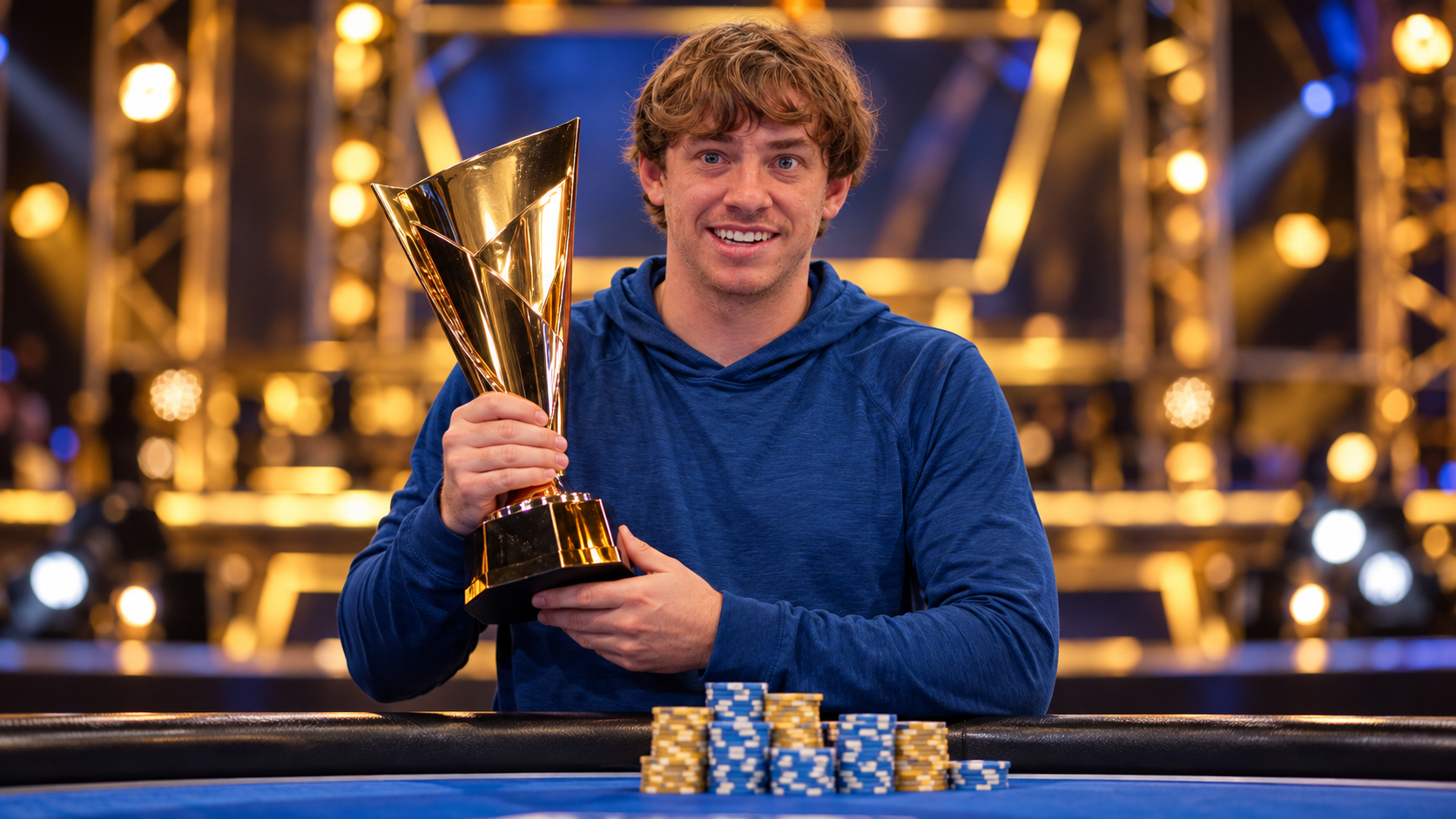
Brewer’s defining tournament victory came in the 250.000 $ Super High Roller at the 2023 World Series of Poker. The first-place prize was 5.293.556 $, accompanied by his first WSOP bracelet.
He faced Artur Martirosian heads-up and recovered from an initial chip disadvantage. The deciding hand was dramatic: Brewer’s ace-seven overcame Martirosian’s ace-king by completing a straight after a king-high flop.
The result remains the largest recorded payout of his career. More significantly, it gave an established high-stakes professional the championship moment that his earlier tournament résumé had lacked.
A bracelet cannot measure every aspect of poker ability, but this one supplied a highly visible achievement in one of the WSOP’s most expensive events.
A Second Bracelet in a Different Game
Only two weeks later, Brewer won the 10.000 $ No-Limit 2-7 Lowball Draw Championship for 367.599 $. He defeated Alex Livingston heads-up and outlasted 154 entries.
The final table included experienced specialists such as David “ODB” Baker, Chris Vitch and Daniel Negreanu.
In 2-7 Lowball, the objective is to make a low hand rather than the strong high hand familiar from Hold’em. Drawing decisions and the information conveyed by standing pat create a distinctive contest.
The two bracelets therefore tell different stories. One came in an enormous Hold’em high roller; the other arrived in a draw championship. Together, they gave Brewer’s summer both financial impact and evidence of technical range.
Chris Brewer’s WSOP Bracelets
| Year | Event | Prize |
| 2023 | 250.000 $ Super High Roller No-Limit Hold’em | 5.293.556 $ |
| 2023 | 10.000 $ No-Limit 2-7 Lowball Draw Championship | 367.599 $ |
Major Tournament Results
The biggest results in Brewer’s public record are concentrated in the modern high roller era. The selected payouts below include victories and major final-table finishes; they are not all tournament wins.
Original event currency is retained where appropriate. This avoids treating a euro payout and its historical dollar conversion as two separate results.
| Year | Tournament | Result | Prize |
| 2023 | WSOP 250.000 $ Super High Roller | 1st | 5.293.556 $ |
| 2023 | Triton Monte Carlo 125.000 $ NLH Main Event | 4th | 1.450.000 $ |
| 2025 | Triton Jeju 125.000 $ NLH 7-Handed | 4th | 1.093.000 $ |
| 2025 | WSOP 250.000 $ Super High Roller | 5th | 1.066.731 $ |
| 2023 | EPT Paris 50.000 € Super High Roller | 1st | 959.520 € |
| 2021 | Poker Masters 25.000 $ No-Limit Hold’em | 1st | 427.500 $ |
| 2021 | Seminole Hard Rock 50.000 $ Super High Roller | 1st | 420.670 $ |
More Than a Hold’em Specialist
Brewer has also made significant runs in the 50.000 $ Poker Players Championship, finishing fifth in 2021 and third in 2024.
That competition places a special emphasis on versatility. A player cannot depend on one familiar format throughout the event, because the rotation repeatedly changes the decisions required.
His record across Hold’em, Short Deck, Omaha and Lowball is therefore central to understanding his career. The largest prize naturally attracts the most attention, but it should not conceal the range of games behind the results.
Versatility also keeps a professional’s options open. When the most attractive tournament or cash game uses a different format, the ability to adapt can matter as much as mastery of one established specialty.
Competition, Preparation and Perspective
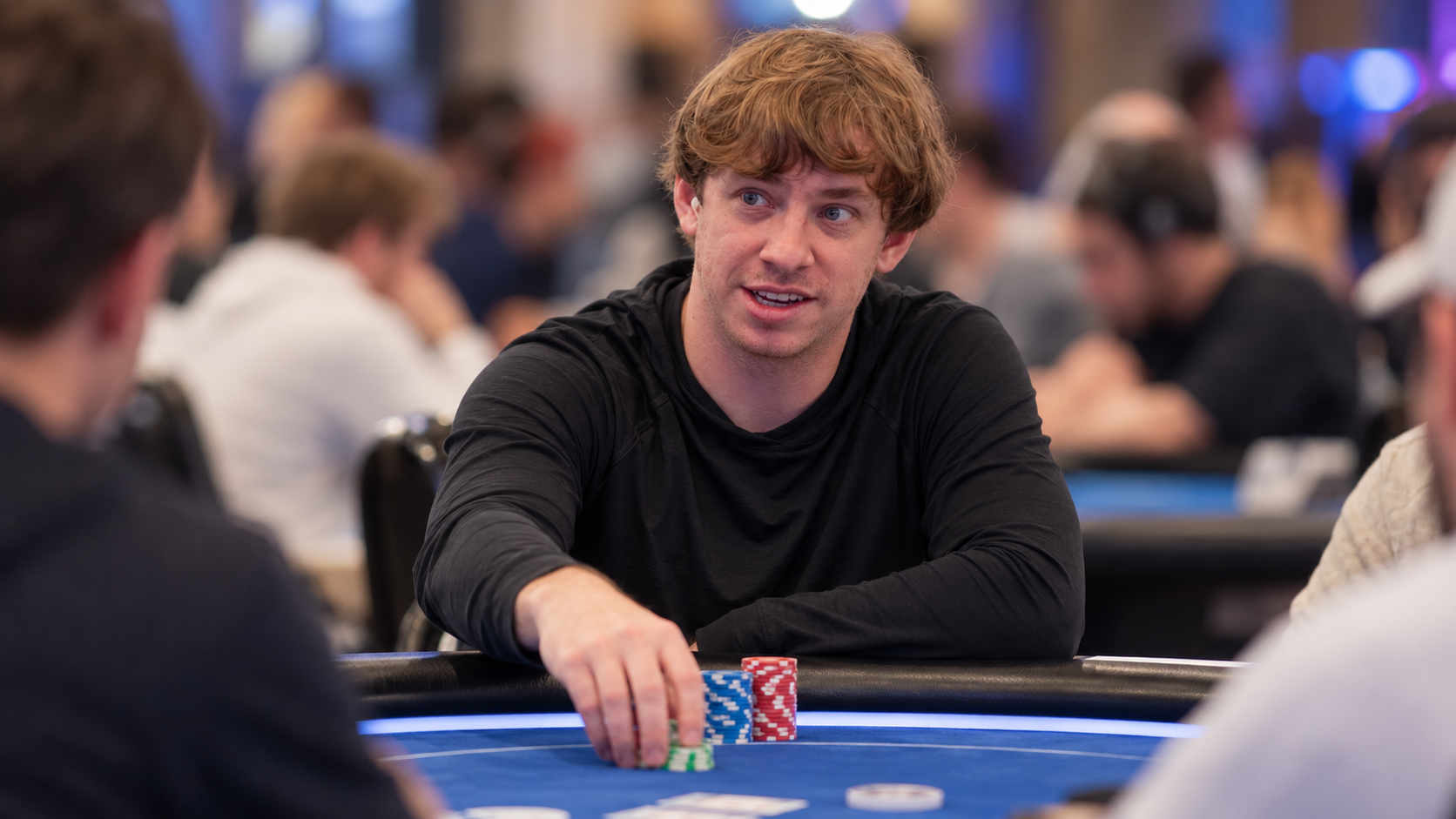
In interviews, Brewer has connected his athletic background with the discipline needed for poker. He has also emphasised evaluating his play rather than allowing a tournament result to decide whether he performed well.
That distinction is fundamental to a game with incomplete information. A profitable decision can lose a particular pot, while a poor decision can be rewarded by a fortunate card. Results become more informative over time, but one afternoon rarely tells the whole story.
Brewer’s career illustrates both sides of that relationship. Preparation made competing at high stakes possible; favourable cards still mattered in some of the moments that produced his most famous trophies.
The combination gives his public story a human quality. Even at the highest level, a champion must work through uncertainty rather than expect skill to eliminate it.
Continued Results in 2025 and 2026
Brewer remained active at major events after his breakthrough summer. In 2025, he recorded seven-figure payouts at Triton Jeju and in the WSOP 250.000 $ Super High Roller.
His 2026 WSOP schedule again included both high rollers and mixed-game championships. Results included fourth in a 50.000 $ Hold’em High Roller, fifth in the Seven Card Stud Championship and sixth in the Stud Hi-Lo Championship.
The continuation matters because an outstanding season can otherwise dominate a player’s biography. Later results show that Brewer kept participating successfully across demanding events after the attention surrounding his two bracelets had faded.
Tournament Earnings and Their Limits
Brewer’s recorded live tournament cashes stand close to 30 million dollars, but the figure is not his net worth or his lifetime poker profit.
Tournament databases record payouts. They do not subtract all entries, travel costs or taxes, and they do not reveal how much of an individual result a player retained after staking arrangements.
Cash-game outcomes are another separate component. For a professional whose route into elite poker began in those games, excluding them leaves a substantial part of the career unmeasured.
The earnings total is useful for describing the scale of his tournament results. It should be read alongside his titles, the formats he played and the progression of his career.
Chris Brewer’s Place in Modern Poker
Brewer’s career brings together several characteristics of modern professional poker: rapid movement through the stakes, experience online and live, international travel and the need to compete across different formats.
His two WSOP bracelets remain the clearest championship achievements, while the Triton and European victories provide a wider view of his success.
The runner’s background gives the story its distinctive beginning. The later results give it substance. He changed the arena in which he competed, then built a new career through learning, persistence and the willingness to face stronger opposition.
Chris Brewer is remembered most immediately for a spectacular WSOP victory. His broader record explains why he belongs in the conversation well beyond that final hand.
Career information checked in October 2026. Recorded live tournament earnings represent gross cashes and exclude private cash-game results. Image positions are reserved for AI-generated illustrations.