

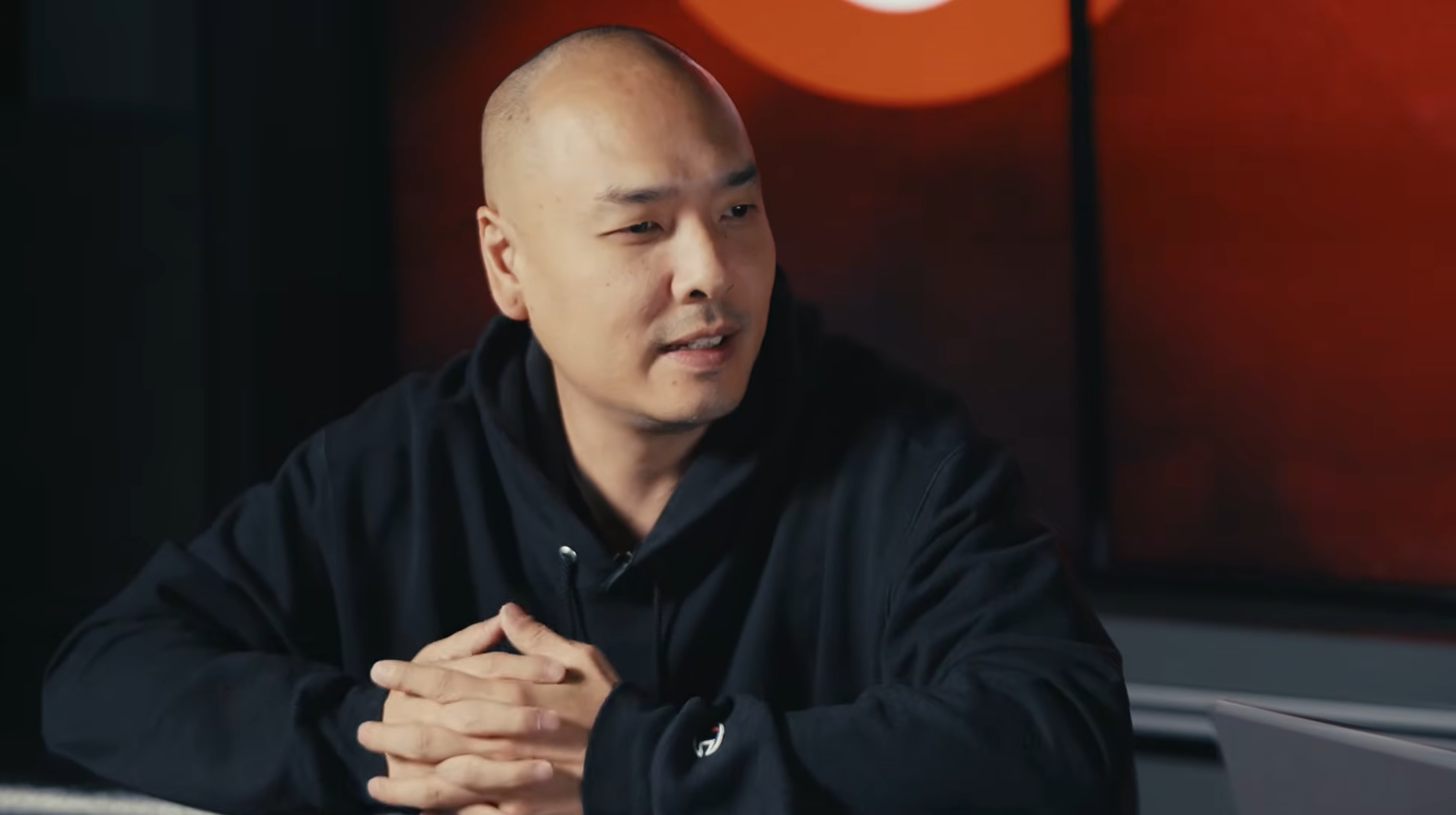
Chino Rheem is one of those players whose poker career can't be encapsulated by results on the Hendon Mob alone. He reached the WSOP Main Event final table, won major WPT events, triumphed at the PCA, and consistently held his own against various generations of the world's best players. Yet, stories of debts, gambling, and a lifestyle where one big win could mean a new beginning — or another problem — have long accompanied his name.
It all began during the poker boom at the turn of the millennium, which was the perfect environment for Rheem. Tournaments were plentiful, online poker was at its peak, and a player could walk into Bellagio for a standard $1K tournament and leave with tens of thousands of dollars. Rheem traveled, played, won, and was always on the lookout for the next action.
It was about more than poker. Rheem describes a constant cycle of tournaments, online sessions, nightlife, and additional gambling. Money, he says, lacked stable meaning. It was fuel for the next opportunity to make a run. His poker style was shaped in this environment. He started with limit hold’em in Florida but was fascinated by no-limit play where he could force opponents to fold. He began to experiment, pressuring players and using aggression in a manner that perfectly suited his personality at the time.
The 2008 Main Event showed him he could beat anyone
The year 2008 propelled Rheem to a different level. He finished seventh in the WSOP Main Event and soon added another 7-figure result. After years of grinding and financial chaos, he suddenly had results that confirmed he was among the best. Yet Rheem describes this period more as a curse than a blessing.
Big wins gave him immense confidence; there was no longer any doubt he belonged at the top. He had results against the best players in the world and knew he could win on the biggest stage. However, his ego went through the roof.

A big win didn’t mean he had money
One of the most candid parts of the conversation is Rheem’s take on his own finances. The public saw big cashes and million-dollar results. The reality behind them was far more complicated. Rheem describes times when he won a major tournament and instead of feeling financial freedom, he immediately began calculating whom he had to pay. Part of the winnings belonged to backers, another portion went to old debts, and something was needed for his own life. The rest often quickly found its way back into the game.
Rheem openly admits that some of his financial commitments are over a decade old and he’s still not entirely debt-free. However, he claims he can now better understand the perspective of those he owed. In his own words, if he were in their place, he would be equally angry.
PCA could have changed everything. It didn’t
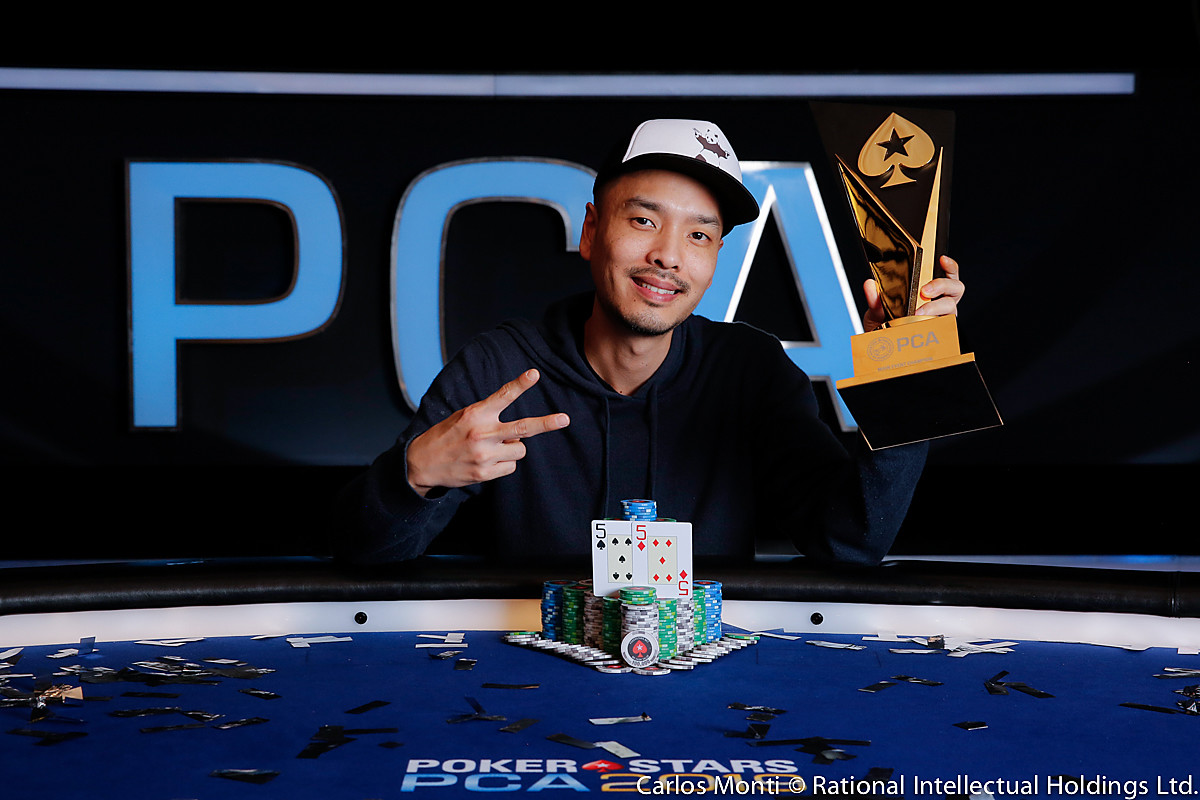
His victory at the PCA, earning roughly $1.5 million, holds a special place in his career. Rheem recalls that his close friend Noah got him into the tournament, having stood by him through numerous problems and later played a critical role in his journey to sobriety. That’s why the win meant more than just money to him.
Yet it came during one of his worst personal periods. Rheem admits he was deeply entrenched in addiction at the time. A million-dollar win could have been the perfect moment to reset his life. He had the money, support from those around him, and another chance. Everything could have changed. Today, he views this moment as one of the greatest lessons of his life. Just getting the opportunity isn’t enough; one must be ready to seize it.
Fatherhood changed what poker never could
The biggest turning point didn’t come at the poker table. It came with the birth of his son, Leo. Rheem says fatherhood truly forced him to understand that life wasn’t just about him. He had to eliminate many bad habits, build a steadier routine, and think about what his decisions meant for someone else.
Even as he continues to navigate environments full of gambling and various pitfalls, he knows where one wrong step can lead, and the consequences mean much more to him now than they used to. Rheem also admits he couldn't have explained anything to his younger self; some lessons simply had to be lived.
Against the solver generation, he still trusts intuition
Rheem grew up in a completely different poker world than today’s high stakes regulars. Ranges and strategies were discussed among friends; much of the edge came from experience and the ability to accurately read the person across the table. Today, he plays against a generation raised on solvers.
Rheem openly admits he doesn’t devote as much time to technical study as some of his opponents and acknowledges that ego plays a role. After two decades at the tables, he often feels he already knows many situations. Yet he concedes that more study could only help.
One big trophy is still missing
Rheem has virtually all kinds of major poker results to his name, but one thing remains elusive—the WSOP bracelet. Not because he needs to prove his place in poker history. Rheem claims he no longer doubts his abilities. The bracelet is more of a personal unfulfilled dream.
The problem in recent years has been his approach to winning it. During the WSOP, he played practically everything. He busted one tournament and immediately sat in another. If he busted from that one too, he found a new event. Eventually, burnout set in, but Rheem kept going. He now says he doesn’t want to repeat this approach, planning to choose tournaments based on his own criteria next summer, resting and keeping the freedom to decide when it’s the right time to play.
At the end of the interview, Rheem is asked a simple question: Do you still love poker? The answer is yes, but not so much for the game itself, but for the people it has brought into his life. Friends from the poker world have been a major part of his life during its best and worst times. Some stood by him through addictions, others helped him get back, and much of his close circle today comes from this community.
Chino Rheem's story is not the typical tale of a fall and a singular grand comeback. It’s the story of a player who fell multiple times. He won millions, lost money, went into debt, got more chances, and squandered some. Today, he's still not completely sorted, and he doesn't pretend to be. But he has his son, is sober, and has a completely different idea of what it means to win. And that might just be the biggest comeback of his career.
More from Face the Ace
Lucas Jumalon: Considered a Regular Job, Then Won $10 Million
Josh Arieh: Gambling, Fame, Inner Chaos, and a Return That Came Only After a Life Change
Sources - YouTube, X, PokerNews, PGT, WSOP

