

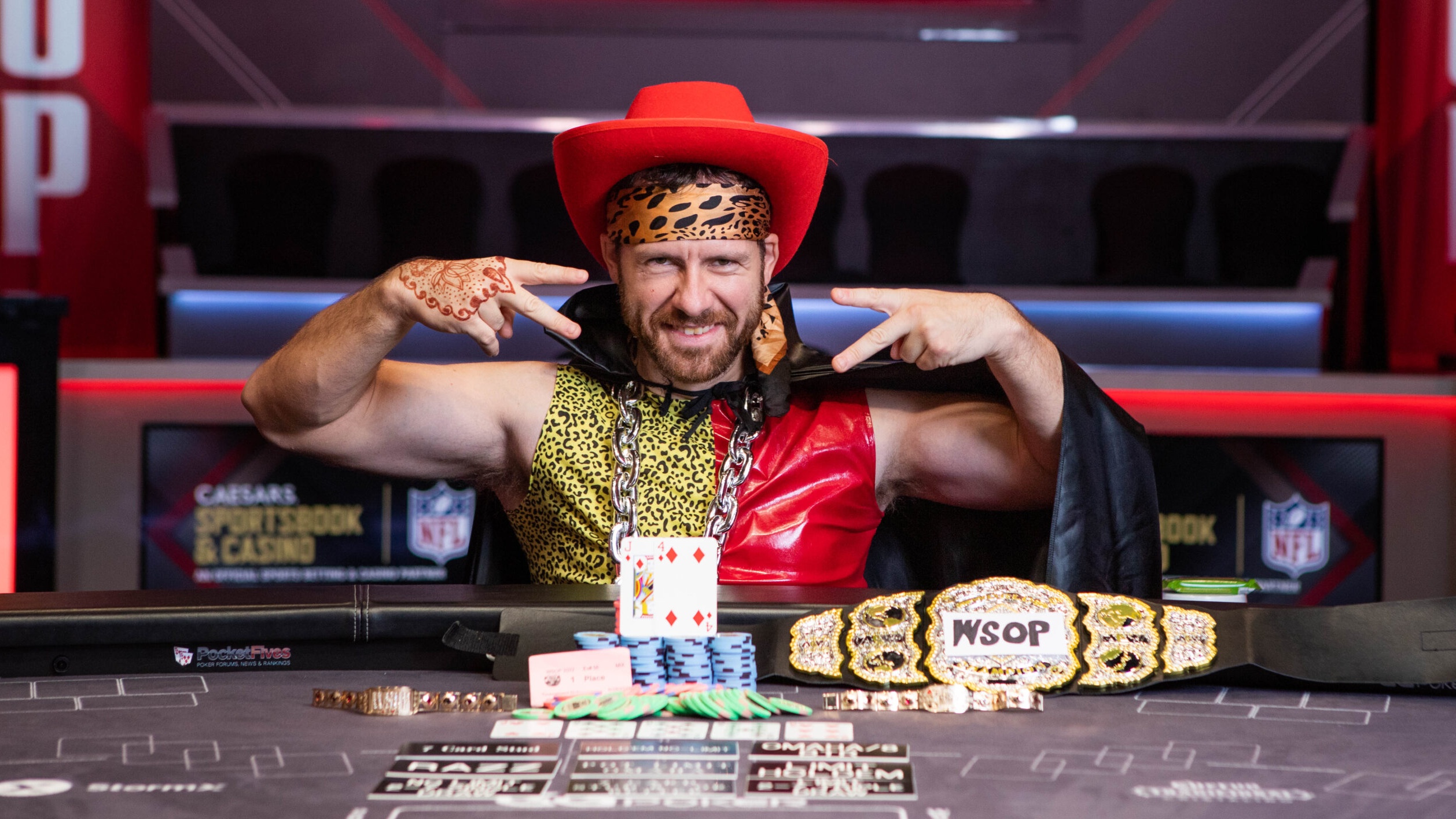
Daniel Cates, known as Jungleman, ranks among the most talented players poker has ever seen. It's no surprise that he found himself a guest on the popular GTO Lab podcast, where he didn't discuss iconic victories or legendary heads-up matches. This interview delves into the inner world of a player whose talent sustained him for a long time but also held him back.
When Skills Outgrow Structure
Cates begins the interview by recounting a period when he thrived without a clear system. Intuition, creativity, and a willingness to pursue unconventional lines gave him a massive edge. Yet he admits that the lack of structure in study and life created chaos, which he didn't recognize at the time.
Poker forgave him for a long time. Results came without routine, mental frameworks, or long-term vision. This, he believes, created a false sense of security. When the game began to change and the competition caught up, his weaknesses were quickly exposed.
Creativity: A Gift and a Trap
A central theme of the interview is Cates' relationship with creativity. He explains that his strength always lay in seeing solutions others couldn't. He didn't play by the book but followed his feelings and his own model of the game.
However, he acknowledges that without feedback, creativity can become an end in itself. Not every creative move is correct. Without a disciplined framework, a player can easily get lost in decisions that might seem brilliant but don't provide long-term value.
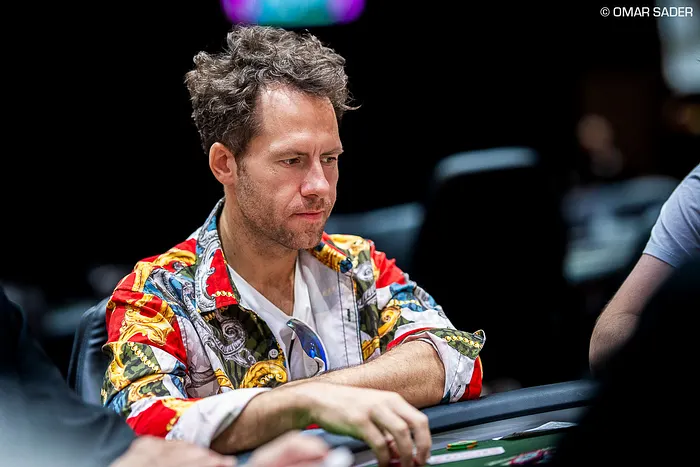
The conversation also touches on a period when poker ceased to be a choice and became an escape. Cates talks about phases when he played not to grow, but because he didn’t know what else to do. The game provided stimulation, identity, and temporary meaning. It is in these moments he believes poker starts taking more than it gives. Without clear boundaries, playing becomes a habit, and results lose significance.
GTO as a Stabilizing Anchor
Cates naturally discusses solvers and the GTO approach. He doesn’t present them as a fix-all but as an anchor. GTO helped him build a stronger foundation, something to rely on when intuition fails.
He emphasizes, however, that blindly following solutions was never his goal. He sees the solver as a tool for understanding the game, not as an unquestionable authority. The best decisions, he believes, come from a blend of structure and creativity.
A significant takeaway from the interview is the theme of identity. Cates speaks openly about how he defined himself exclusively as a poker player for many years. Achievements dictated his value and self-esteem. When the game changed and success wasn't automatic, he had to reassess who he truly was. Gradually, he began to build an identity outside of poker — interests, relationships, and goals unrelated to his bankroll. This shift allowed him to return to the game with greater calm and less pressure.
This episode of the GTO Lab podcast isn't about playing better range against range. It's about creating a system that can support talent. Daniel Cates demonstrates that even extreme genius isn't enough if lacking direction, discipline, and self-awareness. It's a conversation for anyone who feels they have potential but struggles with chaos, pressure, or a lack of motivation. In this story, poker is merely the setting. The real game takes place within.
More from the GTO Lab Podcast
Stephen Chidwick: Why Results Are Deceptive and Decisions Matter More
Ike Haxton: Precise Sizing Doesn’t Matter, the Real Edge is a Calm Mind
Alex Kulev: What You Need to Change in Your Mindset to Make the Leap to High Stakes
Leon Sturm: Independent Thinking in the High Roller Scene
Orpen Kisacikoglu: Solvers Provide Quick Answers, But Take Away the Thinking Process
Alex Ponakovs: Why Independent Thinking is More Important Than Blindly Following Solvers
Nick Petrangelo: In $100k Events There Aren't Weak Players Anymore, So There's More Work to Do
Daniel Negreanu: Being at the Top of Poker for Years is Hard Work, Not Luck
Fedor Holz: I Used to Want Wins, Titles, and Money. Today I Want Happiness
Sources – Podcast GTO Lab, Flickr, PokerNews, Poker.Academy
