

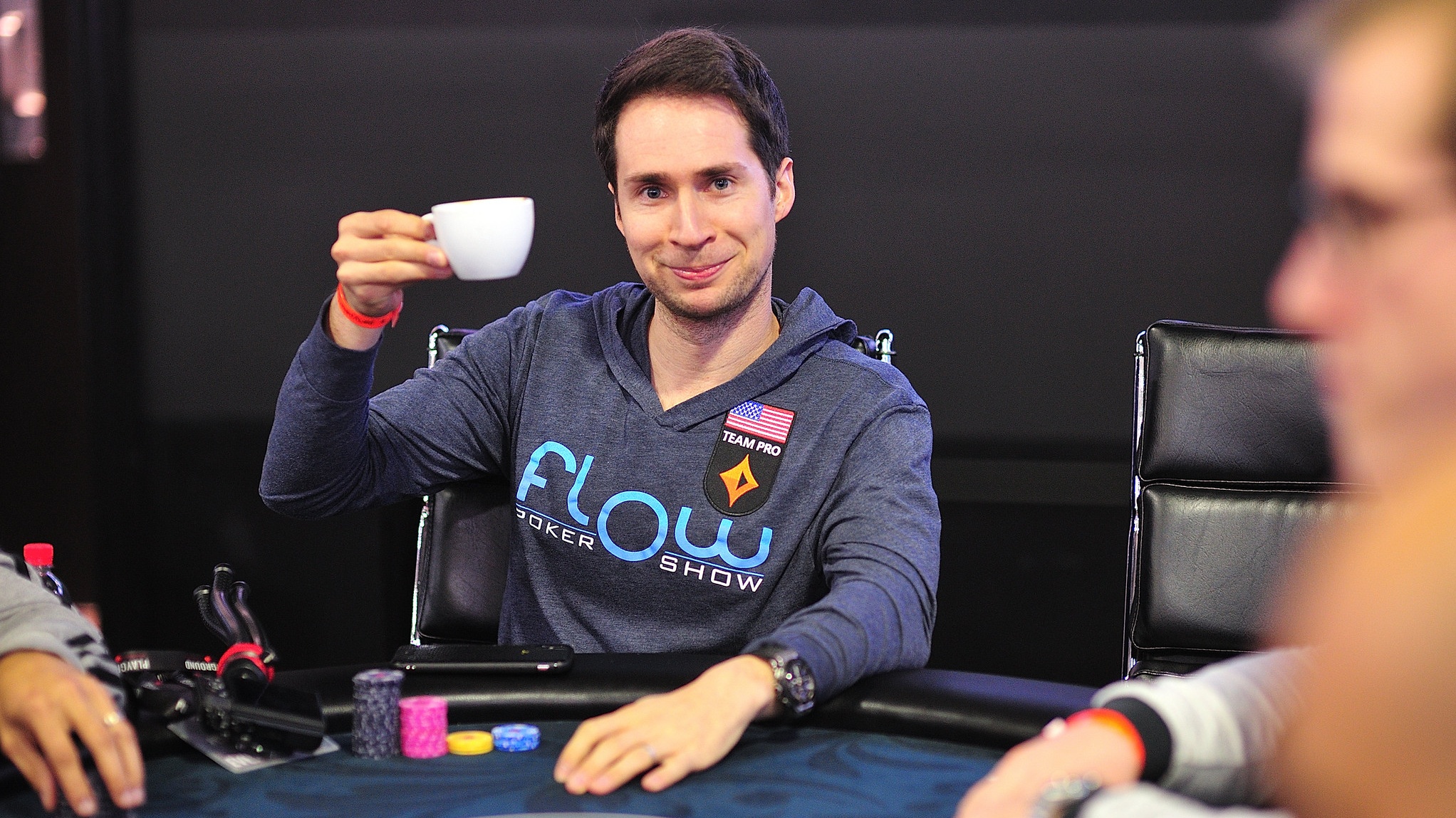
From Michigan Football to Online Poker
Gross grew up in Ann Arbor, Michigan, with football dominating his early life. He played at a high level as an offensive center and went all the way to the University of South Carolina. However, his college football chapter didn't unfold as expected. His coach didn't give him much playtime, and Gross soon realized that a professional sports career was probably closing.
That's when poker fully opened up for him. Gross recalls his first major encounter with the game during the Moneymaker era and the movie Rounders, when someone brought a chip set to a football camp. He discovered a game that combined board games, computer games, competitiveness, and the opportunity to win real money. Online poker instantly captivated him. While still in high school, he would play until 4 a.m. and dive into bed when he heard his father's alarm, pretending to be asleep.
At university, he became a player who officially lived a football lifestyle but was mentally drifting elsewhere. He studied marketing and management, trained with the team, but spent evenings at online tables. He describes it as an ideally odd situation: he was fit, had a team routine, but didn't play many matches, allowing him to stay up late and focus on poker. He transitioned from a football player to a grinder.
Affiliate Hustle That Built His Bankroll
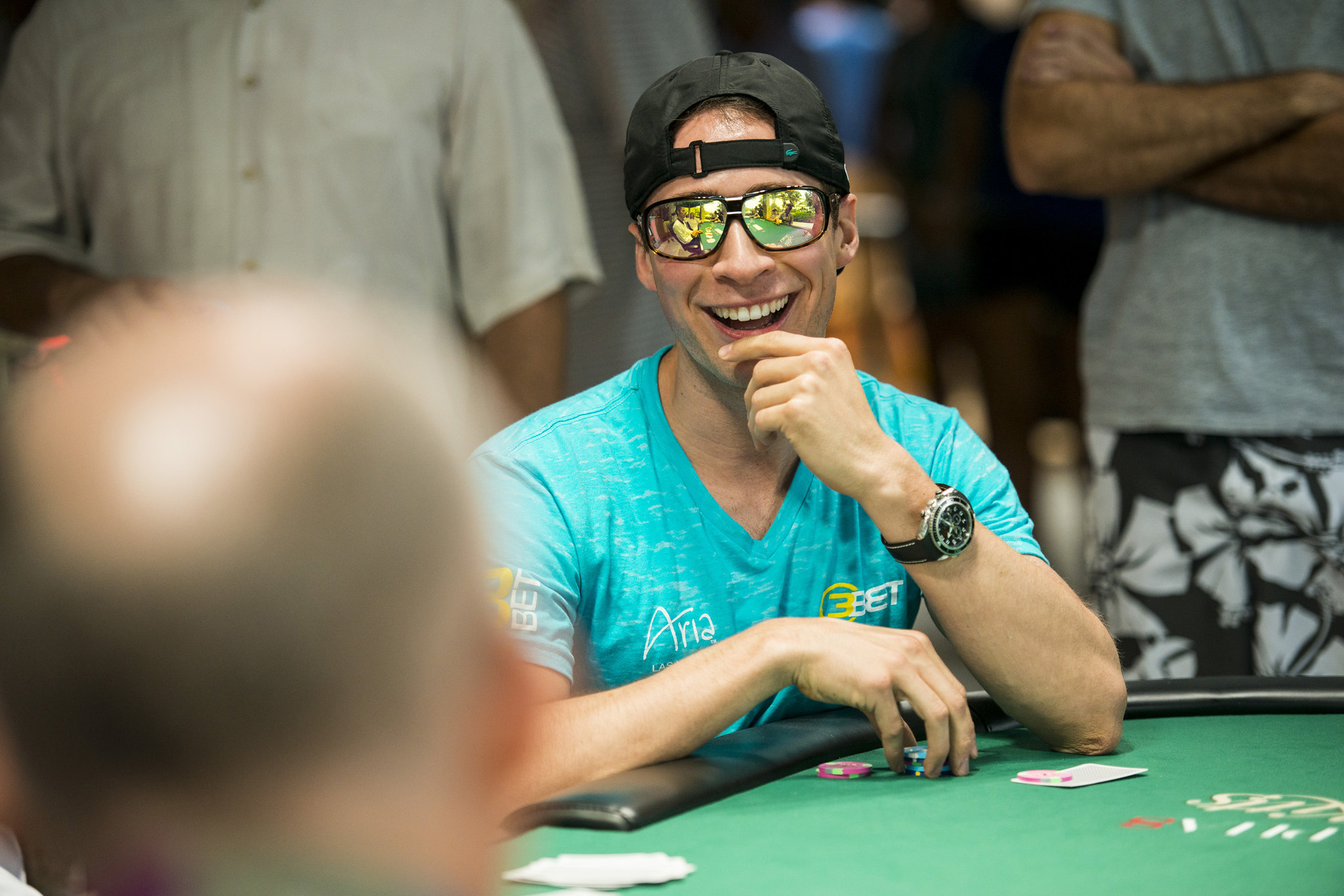
One of the best parts of the interview comes from his memories of the PartyPoker affiliate program. Gross wasn't just another student playing online cash games. In his freshman year at university, he discovered a model that started bringing him $6,000 to $10,000 a month. He went around dorms, set up accounts for people, managed initial transfers, explained how to play necessary hands, and took referral bonuses.
In practice, it worked like a college startup before the term even existed. Gross had a system, tracked players, checked if the bonus conditions were met, and could scale it when PartyPoker incentivized further referrals. He even started a sub-affiliate model, teaching friends to do the same and taking a percentage of their activity. The joke in the podcast that he should have studied marketing but could actually teach it hits the mark.
This story is important because it explains why Jeff Gross was never just a “pure player.” From the start, he thought like a businessman. Poker was a game, but there were systems, bonuses, networks, and many opportunities around it. Gross saw them earlier than most. Even though he admits it may have taken time away from actual playing, this hustler approach built his bankroll and taught him to find value outside the standard path.
Michael Phelps, Black Friday, and a New Direction
The next big chapter in his life began at poker tables in Windsor, where he met Michael Phelps. Gross describes how he initially didn't recognize the sports megastar. Seeing a young player in an expensive car, he quickly realized that the money likely didn't all come from poker. From a chance encounter at the table, a close friendship developed, leading to them living together in Baltimore.
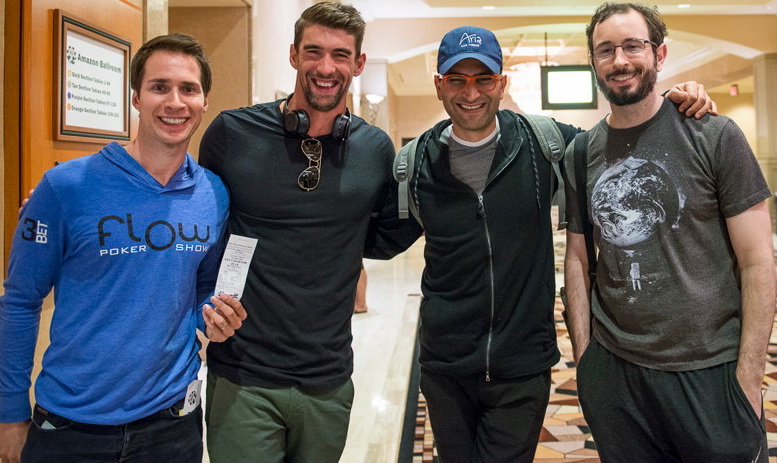
The period with Phelps is among the most interesting parts of the interview. Gross says watching the Olympic champion's mental setup helped him understand competitive resilience. In both poker and sports, one must learn to handle losses, return to the next event, and maintain focus amid big swings. Observing Phelps showed him extreme work ethic and a winning mindset. That's why he compares significant poker moments to Olympic ones today: years of preparation, a brief moment, and a result that can change everything.
Then came Black Friday. Gross clearly remembers the date and place: April 15, 2011, on a friend's couch in New York, with a warning from authorities in place of the online poker lobby. He didn't have millions on his accounts like some high-stakes players, but the mental reset hit him hardest. Suddenly, he had to ask himself what he was doing and in which direction he wanted to go. In hindsight, something that seemed like a huge problem eventually pushed him towards live poker, traveling, better fitness, and new opportunities.
Tattoo Bet, Bracelets, Bad Beats, and Tournament Reality
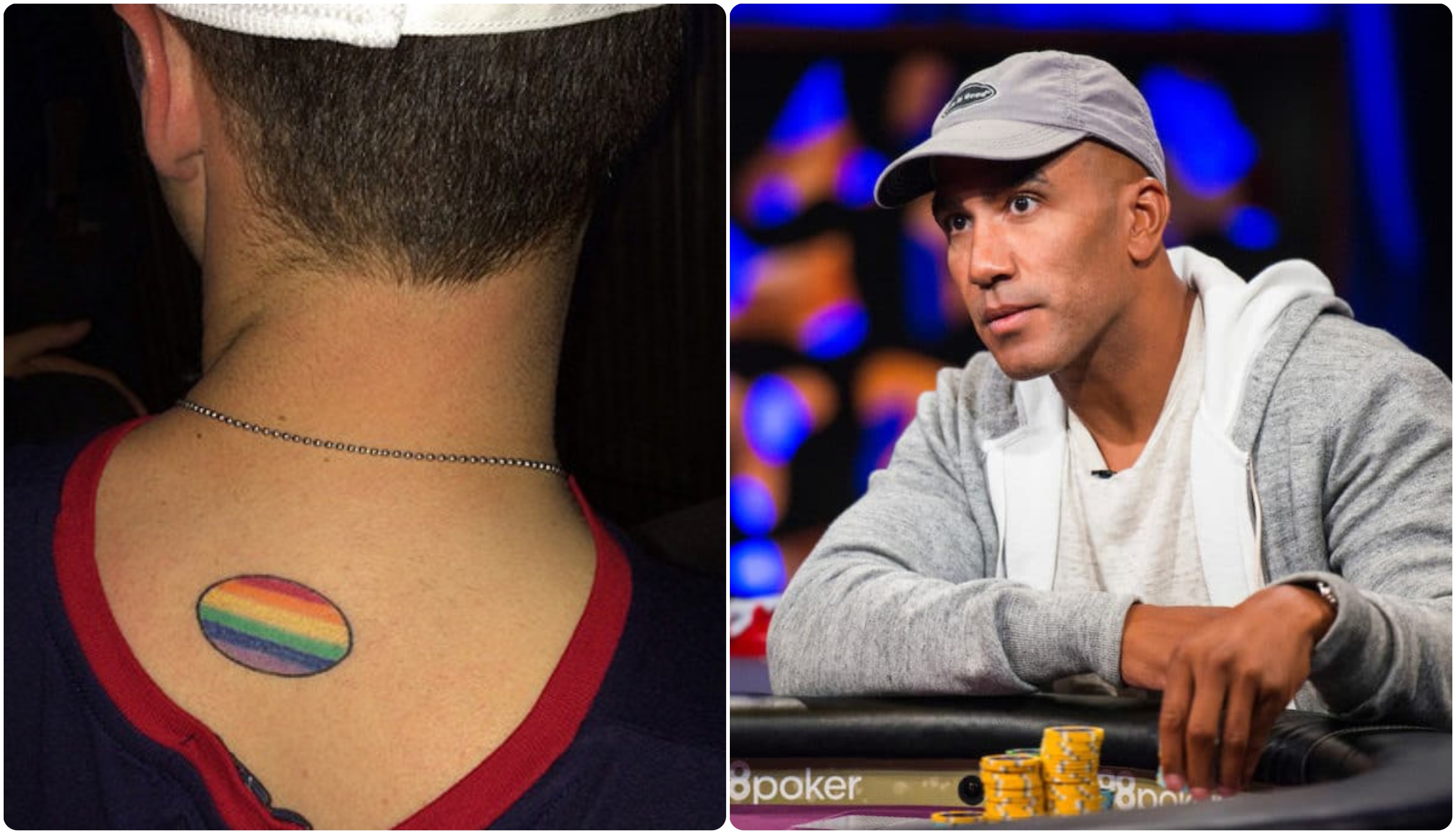
The most legendary gambling story of the episode comes with a prop bet with Bill Perkins. Gross describes how in 2013 in Amsterdam, he faced the question of how much it would take for him to get a tattoo of something he didn't choose. Knowing Perkins was ready to book a sizable sum, he threw out a number he considered absurd. The answer came instantly: booked. The result was a six-figure tattoo bet where Gross got a small colorful tattoo on the back of his neck. He doesn’t reveal the exact sum in the podcast but hints that the numbers appearing in poker media were roughly accurate.
Gross has multiple significant results, final tables at WPT and WSOP series, and millions in tournament cashes, but the WSOP bracelet still eludes him. In the podcast, he approaches it with humor but also a sober perspective. He says he'd love a bracelet, but he no longer plays the volume of tournaments to expect it as a natural outcome each summer. He also knows that his career includes several spots that could have ended differently.
He recalls situations where he was in heads-up for a bracelet, went in as a favorite, and lost. It's not an excuse, but a realistic look at how thin the line is between being a “titled player” and someone who missed the mark a few times. This part of the discussion shows the maturity of a player who no longer needs to chase every event just to prove something. Gross understands that poker results matter, but they're no longer the sole center of his life. He has family, business, a fund, projects, content, and other priorities.
Content as an Edge and a Drawback
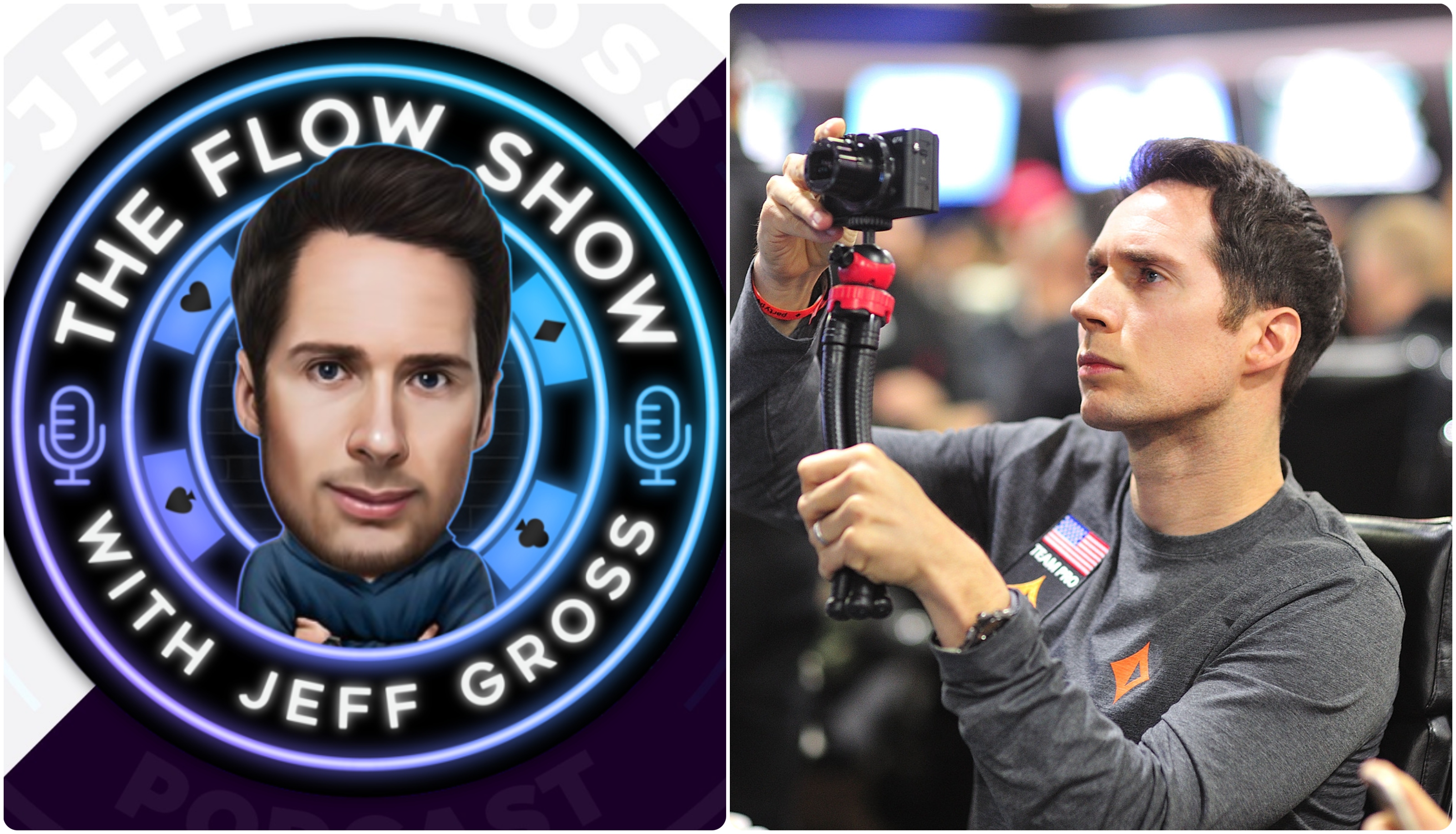
A significant portion of the conversation focuses on Jeff Gross's transition into content. He discovered Twitch around 2015, watching Jason Somerville, Kevin Martin, and Jaime Staples. He quickly realized that poker content had massive potential because it combined the game, community, and personality. Gross enjoys talking, communicating, and naturally felt at ease in front of the camera. That was his advantage.
However, content also started affecting his performance. Gross openly admits that when he launched his YouTube channel, he often arrived late to tournaments, dealt with editing, episode narratives, communication with editors, and wasn't as focused at the table as the best players. He describes 2017 and 2018 as his first losing WSOP years. Later, mental coaching helped him understand that if he pursued content, he could gain sponsorship and reach, but he likely sacrificed part of his results in return.
Being a content creator and a professional player aren't always the same role. Twitch with delay, multiple tables, chatting, YouTube storytelling, and trying to be entertaining can weaken pure performance. Gross doesn't claim content was a mistake. Instead, he emphasizes understanding what you buy and what you pay for. In his case, content opened doors to the poker ecosystem in ways pure results never could.
Venture Capital as Tournament Poker
In the closing segment, Gross explains his main current business line: venture fund Accretion Capital. He mentions that although he has been investing individually in various projects for years, he realized it's more efficient to create a structure where investors gain exposure to a broader package of deals. Instead of sending individual opportunities to dozens of people, the fund allows participation in a portfolio and potential selection of side deals of interest.
The best analogy Gross provides compares venture investing to tournament poker. In tournaments, you play many events with different buy-ins, structures, expecting most won't hit. One or two big wins, however, can cover the entire package. Similarly, Gross views venture capital: many investments won't succeed, some will break even, a few might explode, and one big win will change the entire portfolio. Real estate, he equates more to a cash game – more stable, less flashy, with lower variance, but a different yield profile.
This analogy is one of the podcast’s best moments because it explains why poker players often excel in investment thinking. They understand variance, sizing, risk, long-term EV, and that not every poor result signifies a poor process. However, Gross acknowledges venture capital isn't for everyone. Funds are often locked up for five to seven years, requiring mental resilience for a long horizon without immediate liquidity.
A key takeaway from the episode is the idea that poker is the new golf. Not in terms of a recreational sport, but as a place where contacts are made, character is tested, and business relationships naturally develop. Gross says a significant portion of his closest friendships and business contacts formed directly or indirectly at the poker table. At the table, you quickly learn about someone’s character — how they act when winning, how they respond to loss, how they tip, how they handle pressure, how they communicate with others.
More from Table One Podcast
Matt Savage: The Man Who Helped Organize Poker Chaos from WSOP to WPT
Mike Matusow: Million-Dollar Falls, Old School Charm, and the Comeback of a Player Who Never Gave Up
Justin Saliba: Moved to Vegas, Wanted to Win Millions, Quickly Realized He Hated It
John Bornstein: Underground Clubs, Robberies, Total Collapse, and a Poker Miracle
Nikki Limo: From YouTube and Stand-Up to a $130,000 Poker Run
Joe McKeehen: Stopped Looking at His Cards and Won the WSOP Main Event
Andrew Moreno: From $3 Sit & Gos to High Roller Champion
Yukon Brad Booth: Return to High Stakes Poker and the Ultimate Bluff Against Phil Ivey
Landon Tice: When Talent Outpaces Maturity and Poker Forces You to Grow Up
Jeremy Ausmus: From Dusty Poker Games in Colorado to the Pinnacle of World Poker
Cary Katz: Why High Stakes Attract Extremely Analytical Personalities
Sources – X, YouTube, Twitch, CardPlayer, Flickr/WorldPokerTour

