

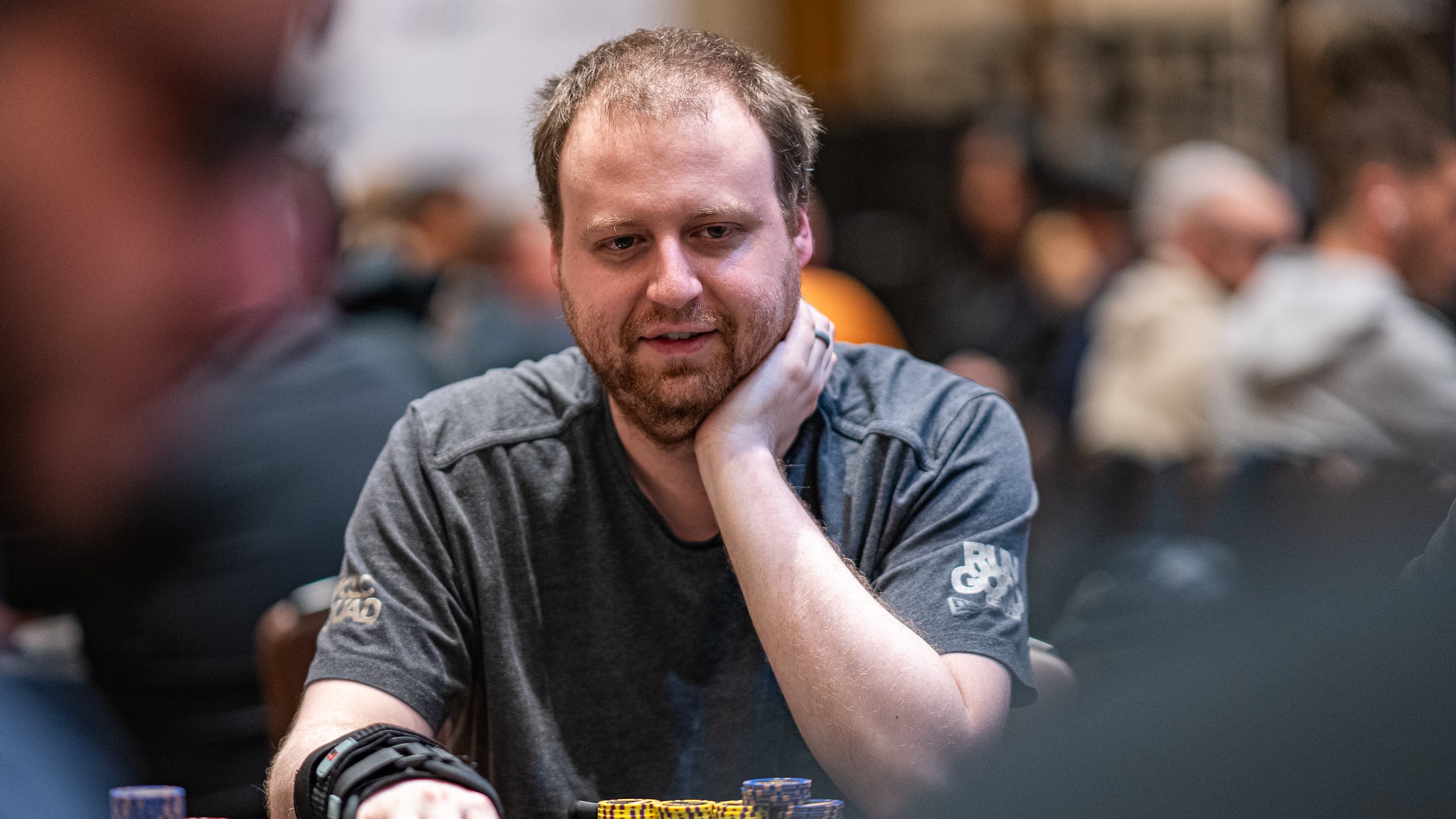
Joe McKeehen made history with one of the most dominant performances at the WSOP Main Event, but his approach to the game is just as fascinating as his victory. In an open interview on the Table One Podcast, he reflects on the moments that defined his rise to the top and the decisions most players would never make. This perspective comes from a player who won not by chance but by controlling every phase of the tournament.
The Journey to a Dominant Title
Entering the professional scene, Joe McKeehen was a player with a clearly defined style. His game was built on discipline, mathematics, and the ability to read opponents. He wasn't a typical showman but a player who methodically built his advantage without unnecessary emotions.
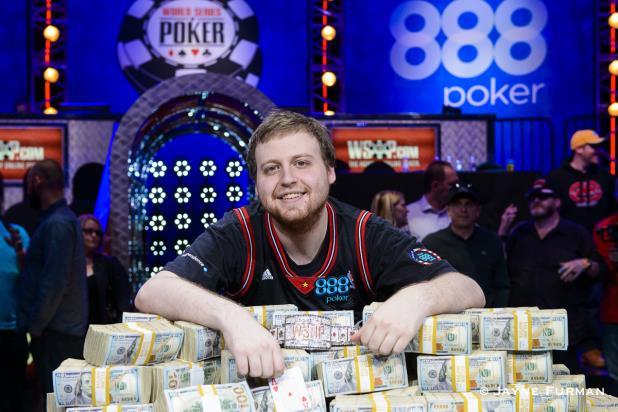
At the 2015 WSOP Main Event, he perfected this approach. Gradually, he amassed a massive stack and controlled the table dynamics so thoroughly it seemed routine. No dramatic moments, no chaos — just precise decisions at the right time. This consistency was key to his title.
What's Changed Over the Years
Since his victory, poker has dramatically evolved. Today's players engage with solvers, data analysis, and detailed study of every spot. The competition is tougher, shrinking the gaps between players, which increases the significance of every decision.
Yet, McKeehen remains faithful to his pragmatic approach. Rather than striving to play "perfect poker," he focuses on what works at the table. In an environment where many players search for theoretical optimal solutions, he relies on the game's reality and opponents' mistakes. This practical understanding continues to earn him respect.
His mental approach is also intriguing — in the interview, he describes situations where he removed unnecessary variables to simplify his decision-making. He cites moments when he stopped looking at his cards. This isn't a trick but a way to focus on opponents’ behavior and the flow of the game. This method shows that poker is not just about technical perfection. It's about filtering information and making the right decisions under pressure, where mental simplicity can be the greatest advantage.
"I found that looking at the cards did me more harm than good," McKeehen admits in one of the interview's most surprising moments. This statement illustrates his willingness to go against the grain and find his own path. "When you understand what your opponents are doing, your cards are not the most important thing." This perspective transforms how we can view poker — and suggests that the true edge lies elsewhere than most players think.
Joe McKeehen's story shows that poker isn't just about theory, but about application in practice. In an era relying increasingly on data and solver solutions, his approach offers an alternative view — simpler yet highly effective.
More from Table One Podcast
Andrew Moreno: From $3 Sit & Go to High Roller Champion
Yukon Brad Booth: Return to High Stakes Poker and the Ultimate Bluff Against Phil Ivey
Landon Tice: When Talent Outpaces Maturity and Poker Forces You to Grow Up
Jeremy Ausmus: From Dusty Poker Games in Colorado to the Pinnacle of World Poker
Cary Katz: Why High Stakes Attracts Extremely Analytical Personalities
Sources – YouTube, WSOP, Flickr/WorldPokerTour

