

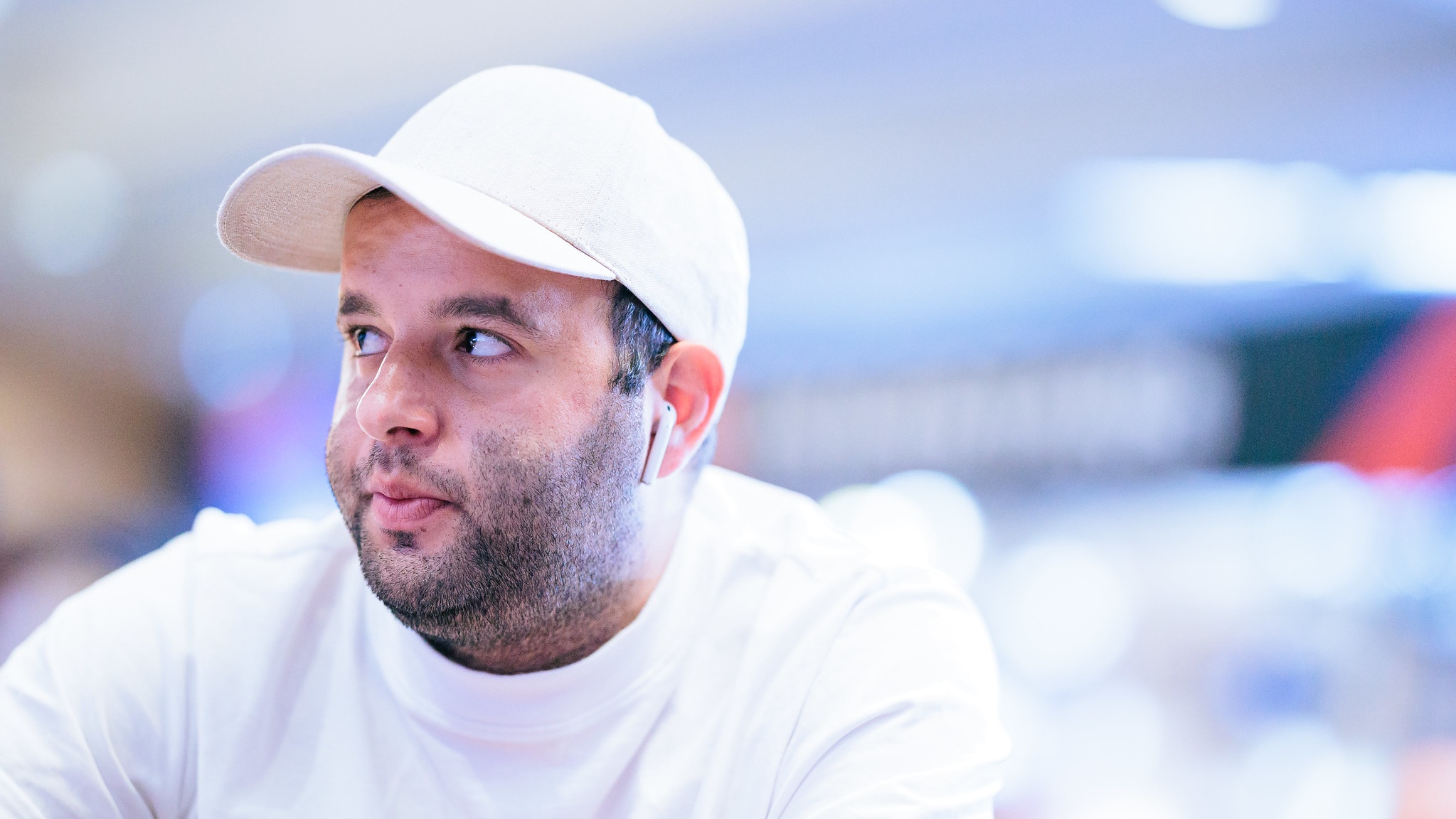
A Player's Journey to Finding a True Edge
The young Norwegian professional grew up in the online poker scene, where he quickly gained access to cutting-edge tools and theoretical models. Solver studies were a natural part of his development and laid the strong foundation for his game. However, he soon realized that real-life tables often don't match ideal solutions.
This discrepancy pushed him further. Instead of blindly following GTO, he started analyzing where deviations occur and how to exploit them. Over time, he developed an approach based on a blend of theory and adaptation. The result is a playing style that allows him to create an edge even in an extremely competitive environment.
Modern poker has evolved to a stage where most players have access to the same tools. Solver solutions, databases, and study materials are now available to almost anyone serious about the game. This means the differences in theoretical preparedness are gradually fading away.
Mokri, therefore, emphasizes the ability to adapt as a key factor. “The high stakes scene isn't about who knows the solver better, but who can react better to specific situations and opponents. Today, the edge arises in decisions that aren't completely modelable – in game dynamics, timings, and the ability to work with real-time information.”
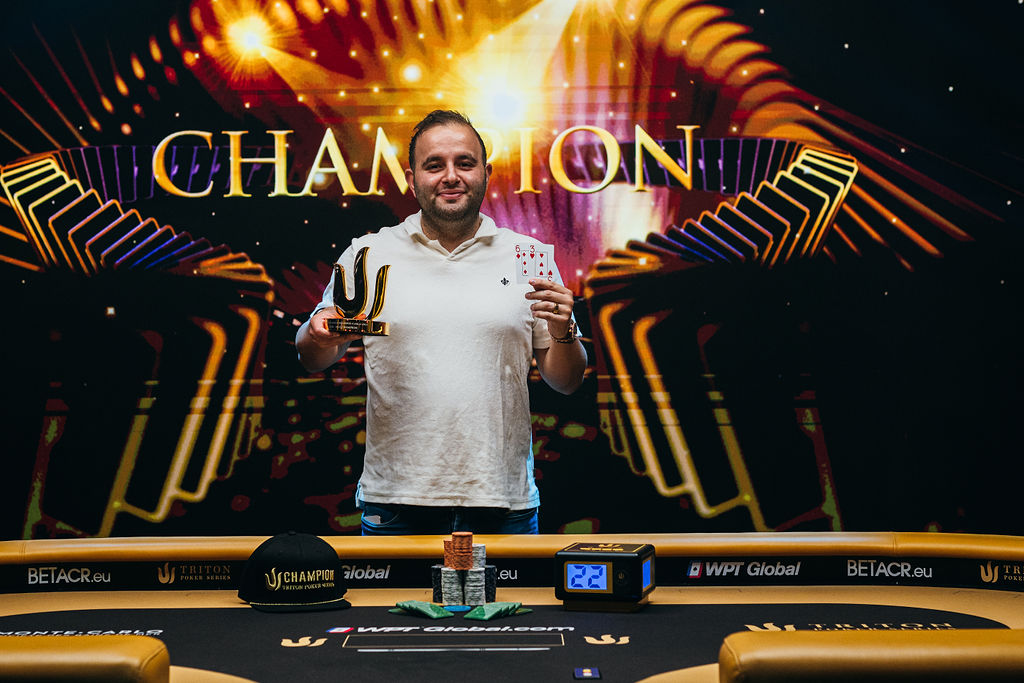
Thinking Beyond the Game
One of the strongest insights from the interview is the view of poker as a decision-making tool. Mokri doesn't see the game merely as a set of strategies, but as a way to handle uncertainty and information.
He places great importance on flexibility and the ability to change one's mind based on new data. This mindset allows him to remain competitive even in a rapidly changing environment. For him, poker isn't a static discipline but a process requiring constant adaptation and learning.
“If everyone uses the same tools, the edge must come from something else. Theory is just the beginning, not the final solution.” With these thoughts, Kayhan illustrates that poker is reaching a phase where adaptability is more decisive than theory alone. Players who want to keep up with the elite must know how to work with the dynamic of the game and react to changing conditions.
More from GTO Lab Podcast
Seth Davies: Poker Teaches You a Lot, But You Have to Grow Up Away from the Table
Stephen Chidwick: Why Results Are Deceptive and Decisions Matter More
Ike Haxton: Precise Sizing Doesn’t Matter, the Real Edge is a Calm Mind
Alex Kulev: What You Need to Change in Your Mindset to Make the Leap to High Stakes
Leon Sturm: Independent Thinking in the High Roller Scene
Orpen Kisacikoglu: Solvers Provide Quick Answers, But Take Away the Thinking Process
Alex Ponakovs: Why Independent Thinking is More Important Than Blindly Following Solvers
Nick Petrangelo: In $100k Events There Aren't Weak Players Anymore, So There's More Work to Do
Daniel Negreanu: Being at the Top of Poker for Years is Hard Work, Not Luck
Fedor Holz: I Used to Want Wins, Titles, and Money. Today I Want Happiness
Sources – GTO Lab Podcast, Flickr/PSlive, TritonPokerSeries

