

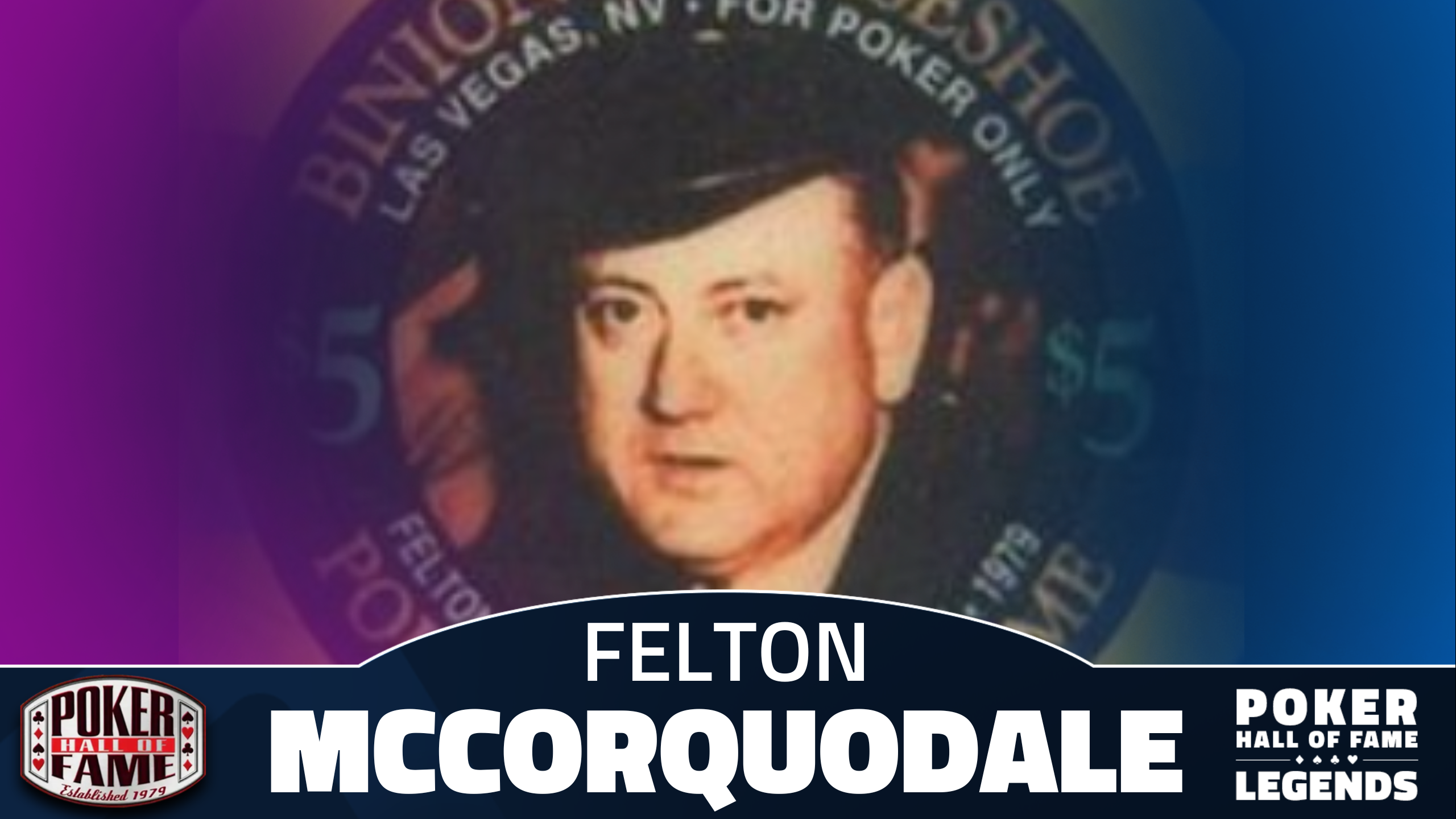
A Curious Mix-up in the Hall of Fame
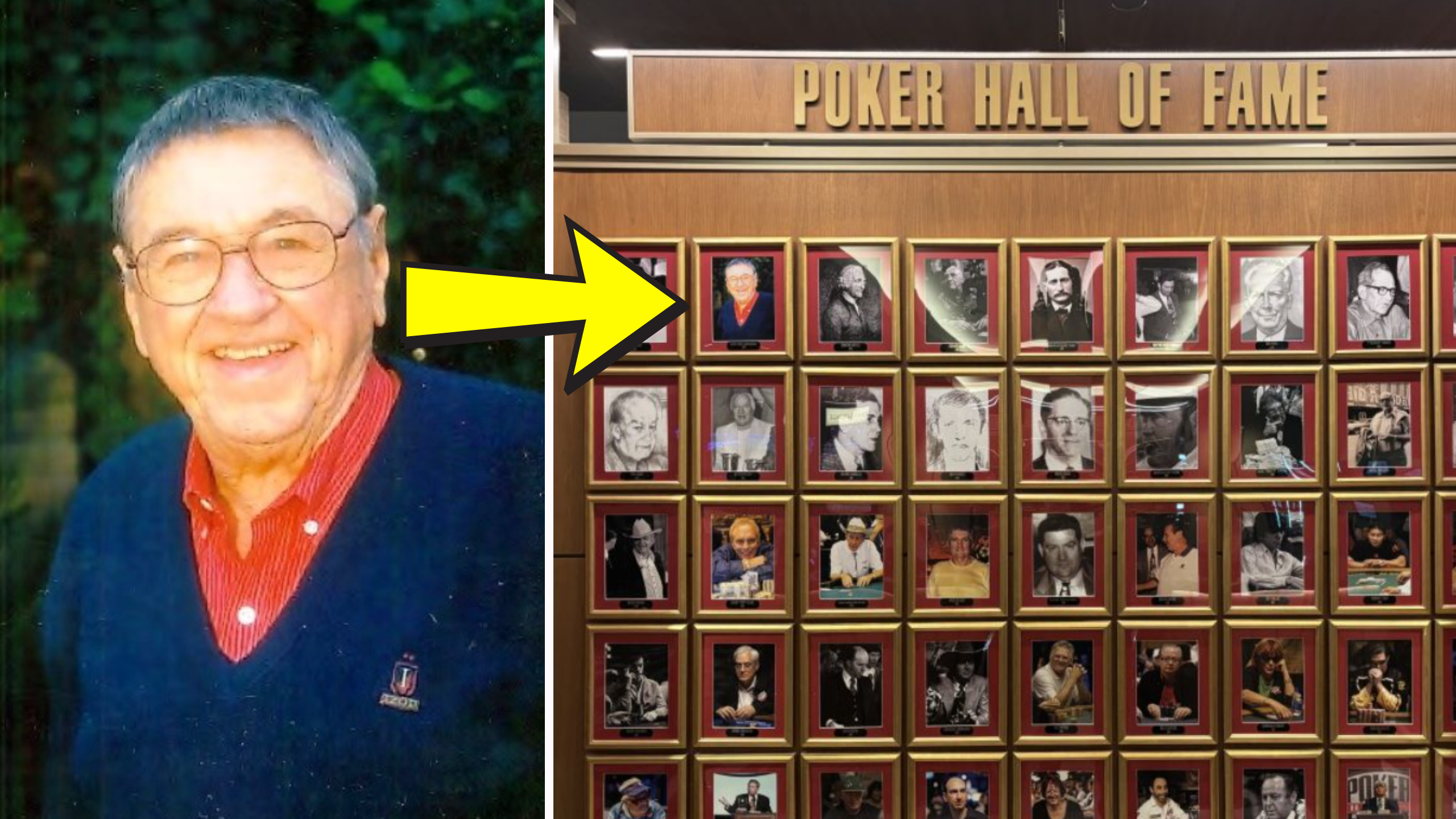
Felton "Corky" McCorquodale is indeed a member of the Poker Hall of Fame, yet information about him is as rare as hen's teeth. This scarcity possibly led to a bizarre mistake you won't read about anywhere. On the current wall of fame, a symbol of poker history, hangs a portrait erroneously attributed to Felton.
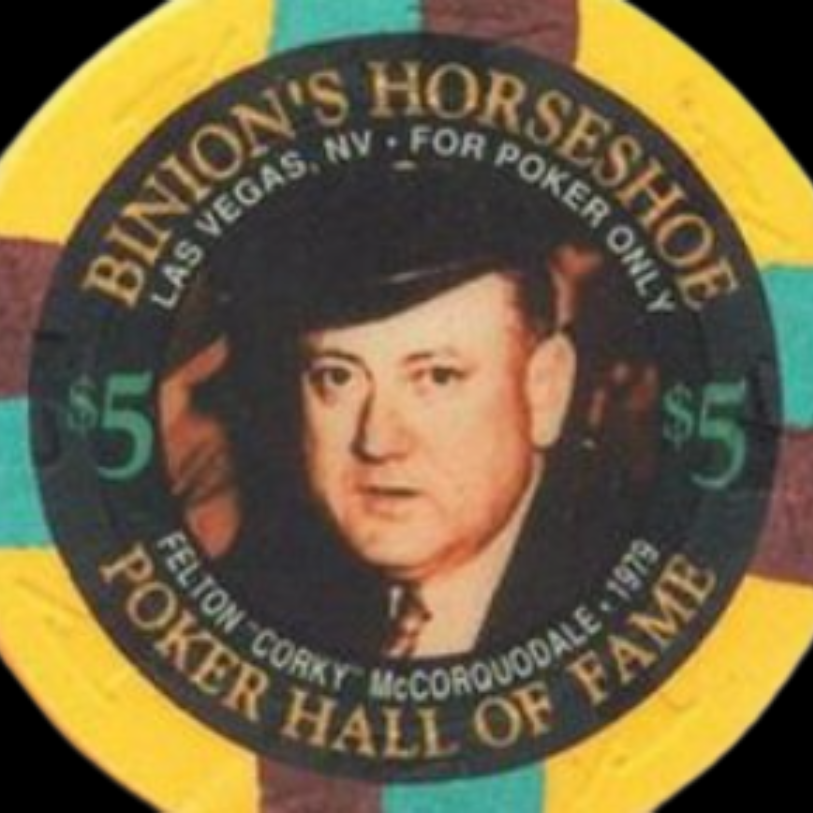
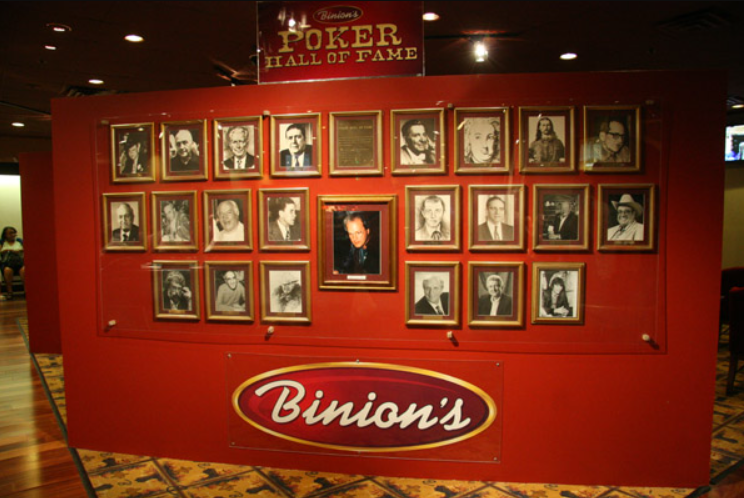
The photograph actually features James “Corky” McCorquodale, a World War II veteran unrelated to the Hall of Fame member, who passed away in 2015. Evidently, a fatal error occurred, likely during the reopening of the wall in 2023 at the Horseshoe Las Vegas hotel and casino. On the original wall of fame, established by Benny Binion, the correct portrait was displayed! This little-known fact highlights how enigmatic Felton McCorquodale was and how easy it is to overlook his true identity.
A Road Gambler from Old Texas
Felton McCorquodale was born in Texas in 1904. Not much is known about his youth or early life, but like Johnny Moss, he was part of the wild world of Texas gambling. He was one of the so-called "road gamblers," traveling across the state seeking high-stakes action, often held in smoky bars and private rooms.
What made him famous, however, wasn't his playing skills. In the 1920s and 30s, Texas Hold'em (then simply known as "Hold'em") was played in only a few poker rooms in Dallas and El Paso. McCorquodale saw potential in it and believed that this variant, with its unique combination of community cards and multiple strategic options, could surpass the then-dominant Seven Card Stud in popularity.
A Pivotal Move for Texas Hold'em
The biggest turning point for Texas Hold'em came in 1963 when "Corky" McCorquodale introduced his beloved game to the gambling hub of Las Vegas. He first showcased it at the now-defunct California Club. From the start, Hold'em gained popularity, but it was its spread to other casinos like Golden Nugget, Stardust, and Dunes that marked a real breakthrough.
Professional players quickly realized they could leverage their skills against less experienced players more effectively. While draw poker offers two betting rounds, Hold'em offers four, making strategy a much bigger factor. The game's ease of learning also contributed to its fast-growing popularity among amateur players.
The Foundation of WSOP that Lasts to This Day
In 1970, when Benny Binion founded the World Series of Poker, he was seeking a format that would attract the most players. By then, Texas Hold'em had already become the most popular cash game in town. This led to the idea for a competitive format using No Limit Texas Hold'em for the main event of the WSOP. While the first WSOP only attracted a handful of players, the Main Event format has endured, now drawing thousands.
Though McCorquodale's poker skills weren't as noted as his contemporaries, and no stories of his table successes survive, his legacy lies in the game that captivated the world. Without his contributions and conviction, Texas Hold'em might never have emerged from the backrooms of Texas card houses to Las Vegas's grand casinos. It may never have become a global poker staple.
Induction into the Poker Hall of Fame
Felton McCorquodale was inducted into the Poker Hall of Fame in 1979 alongside other legends. While his name isn't as renowned in the community as Johnny Moss or Nick "The Greek" Dandolos, his place in the Hall of Fame is indisputable. He serves as a reminder that a true poker legend isn't just who wins the most money but also who transforms the game for the better.
Corky McCorquodale didn't live to see his Hall of Fame induction or even the era of WSOP, having died two years before its first event. Nevertheless, his legacy lives in every hand of Texas Hold'em played around the globe.
More from Legends of the PHoF
Legends of the Poker Hall of Fame II: Nick "The Greek" Dandolos
Legends of the Poker Hall of Fame I: Johnny Moss
Source: Wikipedia, WSOP, Dignity Memorial, ClubPoker
