

Las Vegas Before the Boom and a Guy Fixated on Cars
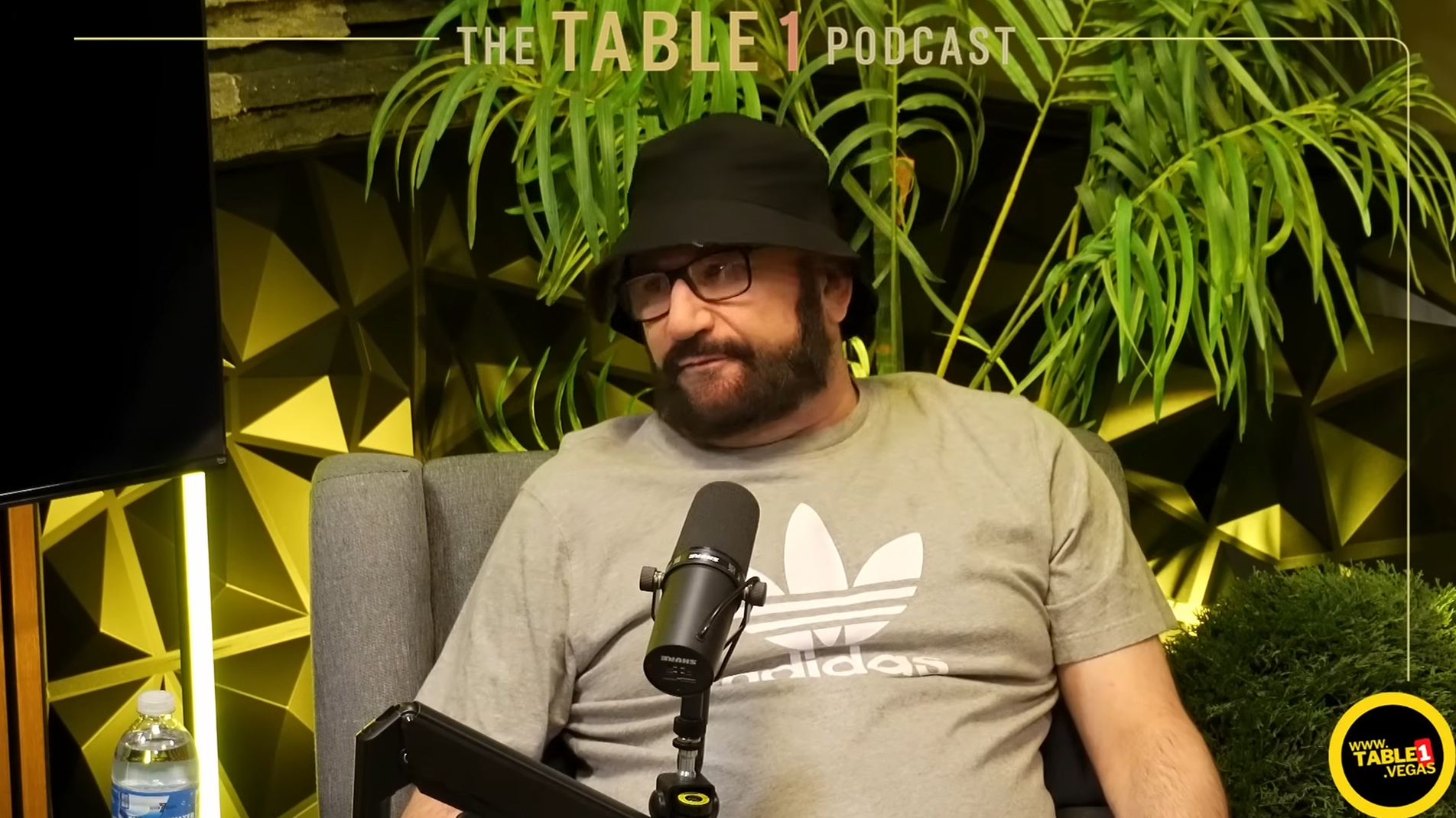
Matusow starts by reminiscing about a Las Vegas that was nothing like today's city. He recalls moving there in 1978, to an area that was pretty much desert amongst today’s suburbs, roads, and luxury homes. Roads were narrow, gas stations old, the airport had just a few Cessnas, and the city ended much sooner than visitors today can imagine. It was in this environment that the player who would become one of poker's most prominent faces grew up.
Interestingly, his first major passion wasn't poker—it was cars. As a teenager, he owned a ‘76 Chevy Nova, which he gradually enhanced using money he made selling candy at school. Matusow openly shares how, as a child, he wore thick glasses, struggled with a squint, and was often mocked. It wasn't until he found his clique through cars that he began to build his own identity at school.
From Video Poker to Hold’em
Matusow didn’t dive into gambling through big tournaments—his first addiction was video poker. He recounts how he began playing slot machines with a fake ID, won small amounts, then hit a royal flush, ultimately feeding everything he earned into the machines. He admits it was a severe addiction, even reaching for money from his mom's purse.
The turning point came when Phil Sam approached him at the slots and told him he'd teach him something that would ensure he'd never have to work again. That’s how Matusow first encountered hold’em. He bought David Sklansky's book, learned the basics of hand selection, and quickly grasped nuances he believes couldn’t be gleaned from books. He speaks of having a photographic memory for opponents, tells, sizings, and tendencies, which he mentally cataloged. Matusow recalls that in his early professional years, his focus was so sharp that even if he didn’t see someone for two weeks, he still knew how they played.
Matusow’s early professional years took place in a setting most modern players only know from books or old documentaries. At Binion’s Horseshoe, he played limit hold’em with Johnny Moss and other legends of the past. No-limit hold’em wasn’t a daily staple back then, belonging to a small elite circle, with most action taking place in limit games or mixed variants. Matusow describes moving up from 10/20 to 20/40, advancing to higher limits in L.A., and eventually to games at the Mirage, where he played alongside names like Jennifer Harman and Doyle Brunson.
It was there he started to realize he wasn’t just good—he was one of the best. When Huck Seed, shortly after his Main Event win, noted that only the two of them knew what was happening, it sparked a new level of confidence in Matusow. For the first time, he questioned just how far he could take his game.
Scotty Nguyen and a Bracelet That Meant Little at the Time
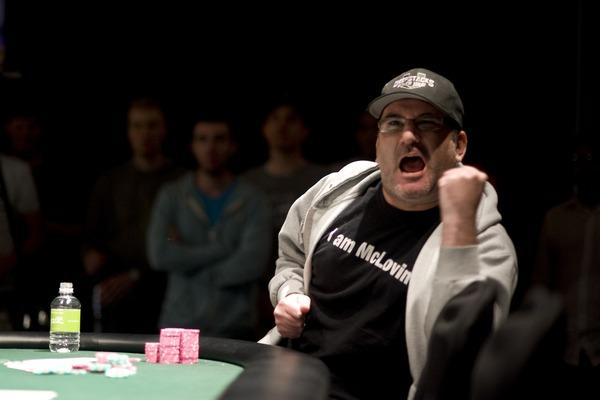
One of the strongest parts of the conversation revolves around Scotty Nguyen. Matusow recalls nearly winning an Omaha 8 or Better bracelet in 1997 when he faced Scotty in heads-up play. He had a massive chiplead but admits he didn’t realize the significance a bracelet could hold for a career. He insists that had he known, he wouldn't have lost the tournament, but at the time, he was more concerned with money and deals than titles.
The following year brought an even bigger story. Matusow claims he had a dream where Scotty Nguyen won the Main Event. Scotty, however, didn’t have a backer to enter the tournament, and Matusow helped him get into satellites. After several attempts, Scotty won his last satellite the night before the Main Event, entered, and went on to win the 1998 WSOP Main Event. Matusow had a stake in his buy-in, turning an initial $500 investment into a six-figure return.
The most emotional part of the interview centers around the 2005 WSOP Main Event. Matusow reflects on the period post-incarceration, post-therapy, post-addiction struggles, and after intense mental preparation. He mentions that during his six months in jail, he kept telling himself he’d crush the poker world upon release. But his return wasn’t smooth. In the $25K WPT Championship, he busted quickly and felt out of rhythm. Then came a mistake with medication, a depressive spiral, and a Main Event he initially didn’t want to play.
When he was finally convinced to play, he says the depression lifted within hours as he shifted into the mindset of “one day, one hand, one hour.” This mental frame took him all the way to the final table, where he faced an iconic hand with kings against Scott Lazar’s aces. Matusow alleges that seeing the aces kept him calm because he still had a plan. When he hit a king on the flop, for the first time, he truly believed he might win the Main Event. But then, a fourth heart on the river delivered a brutal reversal, eliminating him.
After the 2005 Main Event came the Tournament of Champions, a freeroll with a huge prize and one of the best-televised final tables of the era. Matusow openly shares that he was motivated against Steve Dannenmann and was in the zone. He describes the final table as extremely long and challenging, especially the trio with Phil Hellmuth and Hoyt Corkins. He jokingly adds that Hoyt later claimed Mike won partly because he took Ritalin every three hours while others took nothing.
Old Poker vs New Poker
The interview frequently contrasts the old and new school. Matusow recognizes the importance of solvers but insists that without natural talent, players will hit a ceiling. According to him, the best no-limit player today is Jason Koon because he successfully combines natural instincts with GTO study and knows when theory becomes redundant.
His remarks on main events and smaller tournaments are particularly insightful. He argues that you can't walk into a $1,000 WSOP event with a pure high-stakes GTO model and expect everything to work. Against recreational players who don’t think in those terms, you need to exploit, simplify, and capitalize on their mistakes.
In the conclusion, Matusow discusses his documentary, a severe spinal injury, and how it's not your regular back pain as many might assume. He details spinal cord damage, surgeries, paralysis risks, and the daily caution required to function. This is why he wanted the documentary to showcase what it takes just to make it to the World Series. To spectators, he might seem like someone who just sits down and starts chatting. In reality, it involves rigorous preparation, regimen, assistants, food, sleep, medication, and energy control.
Matusow reveals that he performed best when each day was as consistent as possible. Consistent sleep, diet, medication timing, less chaos, more control. He believes this was the difference between bad years and improved WSOP performance. He describes poker as a mental game where being technically proficient isn't enough if your head isn't in the right place. If a player enters a series negative, tired, angry, or convinced they’re running bad after just a week, they start creating their own downfall.
More from Table One Podcast
Justin Saliba: Moved to Vegas, Aspired to Win Millions, Quickly Realized He Hated It
John Bornstein: Underground Clubs, Robberies, Total Collapse, and a Poker Miracle
Nikki Limo: From YouTube and Stand-Up to a $130,000 Poker Run
Joe McKeehen: Stopped Looking at His Cards and Won the WSOP Main Event
Andrew Moreno: From $3 Sit & Go's to High Roller Champion
Yukon Brad Booth: Return to High Stakes Poker and the Ultimate Bluff Against Phil Ivey
Landon Tice: When Talent Outpaces Maturity and Poker Forces You to Grow Up
Jeremy Ausmus: From Dusty Games in Colorado to the Pinnacle of World Poker
Cary Katz: Why High Stakes Attracts Extremely Analytical Personalities
Sources – X, PokerNews, YouTube, Flickr, DaytonFlyers