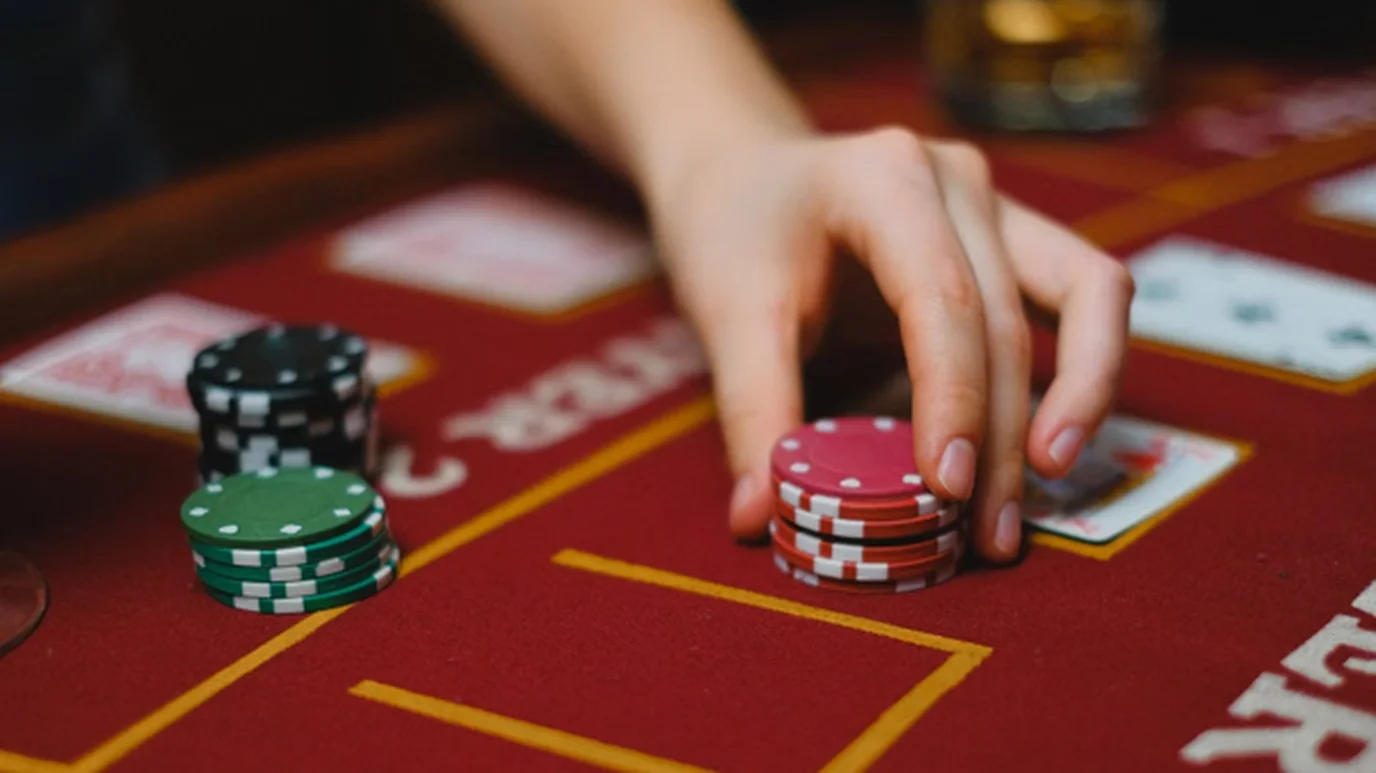
For Canadians moving between poker, blackjack, video poker and casino hold’em, the question is which habits remain useful when the mathematics change.
Bankroll discipline travels better than poker tactics
The most portable poker skill has nothing to do with cards. It is the ability to decide beforehand how much money and time a session may consume, then respect those limits regardless of results.
In poker, a player might choose stakes that leave room for inevitable downswings. At a casino game, use a fixed entertainment budget, not a reserve for a hoped-for recovery. A 1/2 poker cash game and a blackjack table can involve very different amounts risked per hour.
Canada’s Lower-Risk Gambling Guidelines, developed by the Canadian Centre on Substance Use and Addiction, advise limiting both frequency and spending. They also caution that fast-paced games can consume money quickly.
Poker players already understand variance, but that knowledge needs a qualification. A losing stretch in a game with a house edge is not necessarily evidence of poor decisions, and a winning stretch does not prove that the player has acquired an advantage. Neither outcome justifies increasing the budget to chase a particular result.
Blackjack rewards calculation, not table image
Consider a player deciding whether to hit, stand, double or split. The relevant information is the player’s hand, the dealer’s upcard and the table rules. It is not whether the dealer looks nervous, has won several hands in a row or seems likely to “give back” a loss.
Poker’s habit of considering probabilities can help with that adjustment. Its bluffing and opponent-reading skills cannot. The dealer follows prescribed actions and cannot fold because someone has shown strength.
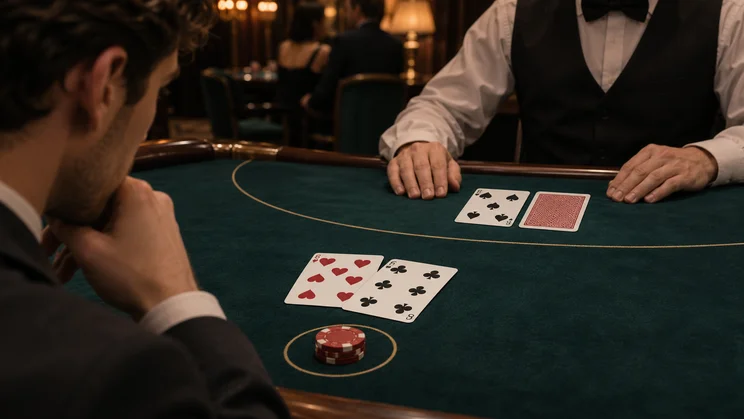
Blackjack basic strategy maps decisions to the available information. It can reduce the house edge, but it cannot erase it under ordinary rules. Equally important, a blackjack game paying 6:5 for a natural blackjack is not mathematically identical to one paying 3:2. The detailed rules matter.
Video poker gives hand selection a new meaning
Video poker may feel closer to five-card draw. The player receives a hand, decides what to hold and replaces the other cards. Understanding straights, flushes and pairs therefore helps with reading the screen.
What does not transfer is the contest over a pot. There is no rival weighing a bluff or adjusting a calling range. The objective is to select a draw against a published paytable, and the best choice can change when that table changes. Even games carrying the same “Jacks or Better” name may reward a full house or flush differently.
A player searching for online casino Canada may encounter Casino.org Canada, for comparisons of casino platforms, payment methods and game selections offer broader market context alongside the specific paytables that shape video poker decisions.
This is also where variance can be deceptive. An infrequent high-paying hand may account for a substantial share of a game’s theoretical return. A favourable published return is a long-run calculation based on specified play, not a prediction of what one session will produce.
Casino hold’em looks familiar until the betting starts
Casino hold’em borrows two hole cards, a flop, turn and river from Texas Hold’em. The hand rankings carry over, and recognizing possible combinations is useful.
The betting logic does not. Depending on the version, a player posts an ante and chooses whether to fold or make a fixed call bet after seeing the flop. The dealer’s hand may have to qualify before particular payouts apply. Side bets have separate paytables.
There is no button-versus-blind battle, no opponent range shaped by past aggression and no opportunity to bluff the dealer off a stronger hand. Importing a tournament strategy into this structure mistakes familiar card graphics for familiar economics.
Game selection is still a skill, but the criteria change
In poker, choosing a table often means assessing opponents, rake and whether the game suits one’s abilities. In casino games, selection centres on rules, payout schedules, optional wagers and the pace at which bets are resolved. A rule difference can matter more than a polished interface.
Emotional discipline remains relevant across both settings. SpadePoker’s discussion of Phil Galfond’s approach to downswings emphasizes perspective, breaks and resisting decisions driven by frustration. These habits do not create a casino advantage, but they can help a player recognize when to stop.
The central distinction is simple. Poker expertise can improve how someone evaluates a casino game, manages spending and understands uncertainty. It cannot turn a fixed-payout game into a contest against exploitable opponents. Recognizing that boundary matters more than knowing the cards.