

A Revolution in Rewards and the Birth of the Gold Bracelet
WSOP 1974 introduced two pivotal changes that forever defined the world of poker. First was the departure from the strict „winner-takes-all“ principle. Organizers decided to distribute the prizepool among several players, a revolutionary move for the growth of the tournament scene. In hindsight, it seems logical, but at the time it was a visionary idea that significantly helped increase participation. This change initially only applied to side events, while the Main Event adopted this prize distribution format four years later.
The second and more significant novelty was the introduction of the gold bracelet for winners. In previous years, champions received silver cups and plates. Johnny Moss took home a silver cup for his Main Event victory, but he also received a gold bracelet, becoming the first player to earn this prestigious trophy. From the following year, every WSOP event winner, whether from the Main Event or side events, received a bracelet.
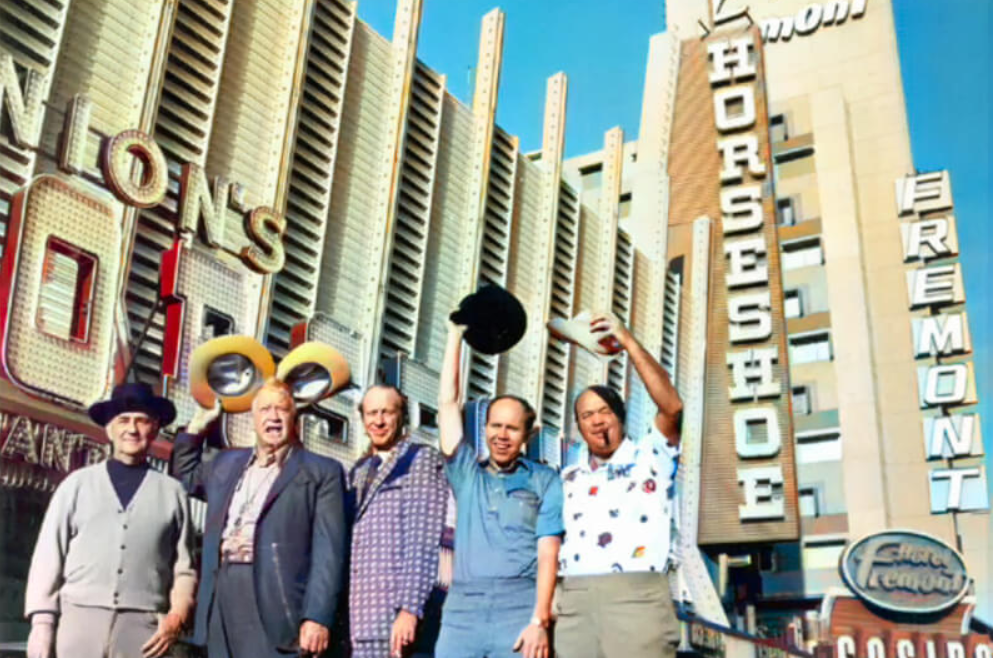
List of WSOP 1974 Events:
|
Tournament |
Entries |
Winner |
Prize |
|
Event #1: $10K Limit Seven-Card Stud |
9 |
Jimmy Casella |
$41,225 |
|
Event #2: $1K Limit Razz |
36 |
Jimmy Casella |
$25,000 |
|
Event #3: $5K No-Limit Five-Card Stud |
8 |
Bill Boyd |
$40,000 |
|
Event #4: $5K No-Limit 2-7 Draw Lowball |
16 |
Sailor Roberts |
$35,850 |
|
Event #5: $1K No-Limit Hold'em |
21 |
Amarillo Slim |
$11,100 |
|
Event #6: $10K Main Event (NLH) |
16 |
Johnny Moss |
$160,000 |
Reports on the number of events in 1974 vary – some sources mention the six tournaments listed above, along with a $500 No-Limit Hold'em event dominated by Duane Hickman. With 47 entries, it had the highest participation of that WSOP. Although contemporary newspapers confirm the tournament took place, it is missing from the official WSOP databases.
Casella's Triumph and Boyd's Stronghold
The star at the beginning of the series was Jimmy Casella, who made history as the first player to win the first two events in a single WSOP edition. In the initial Limit 7-Card Stud tournament, he defeated Johnny Moss heads-up, and then dominated Razz the following day. Casella's story, however, had a tragic end. He died from a drug overdose in 1976, leaving his WSOP tally at three gold bracelets.
Bill Boyd also put on an incredible performance. He won the Five-Card Stud discipline for the fourth consecutive time (1971–1974), remaining the only player in history to secure a bracelet in this format. Boyd’s dominance was such that no competitors entered against him at WSOP 1973, and he won the title uncontested. The organizers' patience wore thin, and this format was permanently removed from the WSOP schedule after 1974. Without his dominant game, Boyd never added another bracelet, yet his winning streak remains unbroken.
A Historic Milestone for Women
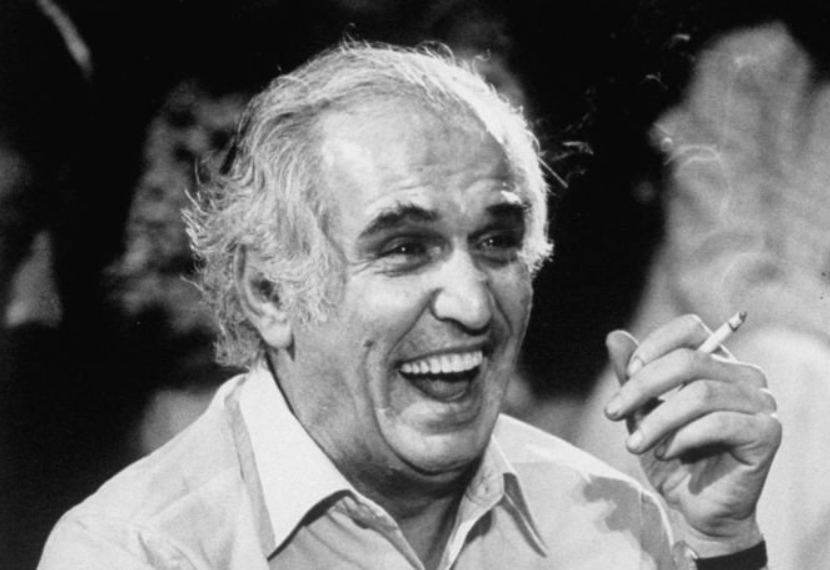
The year 1974 also marked an important symbolic moment for women's poker. In the $1,000 NLH event, Bonnie Baez became the first woman ever to finish in the money at a WSOP tournament. She finished fourth, and although her $1,050 prize meant a net gain of just $50, her breakthrough paved the way for future generations of female players. Until then, poker was seen as a strictly male world. Baez's success foreshadowed that change was closer than many thought.
The “Grand Old Man of Poker” Returns as Main Event Champion
The $10,000 Main Event attracted 16 players, breaking its participation record again from the previous year. Unlike side events, the Main Event retained the „winner-takes-all“ format, with the entire $160,000 prizepool awaiting a single winner.
Among the players was Johnny Moss, nicknamed „The Grand Old Man of Poker,“ who participated despite declaring after his heads-up loss to Puggy Pearson the previous year: „I will never play in tournaments again. Never. I'm too old.“ Breaking his hasty vow, Moss battled his way to the finals again at 66 years and 362 days old. He faced Crandell „Dandy“ Addington, a charismatic Texan millionaire and entrepreneur.
Their duel lasted a lengthy four hours, but Addington was fated not to claim a single WSOP title. In the final hand, the players went all-in on the turn with a board of 3 d 9 c T c Q s. Addington held a flush draw with A c 2 c, while Johnny Moss had 3 h 3 s with a set on the flop. The river 9 d completed Moss's full house and sealed his victory.
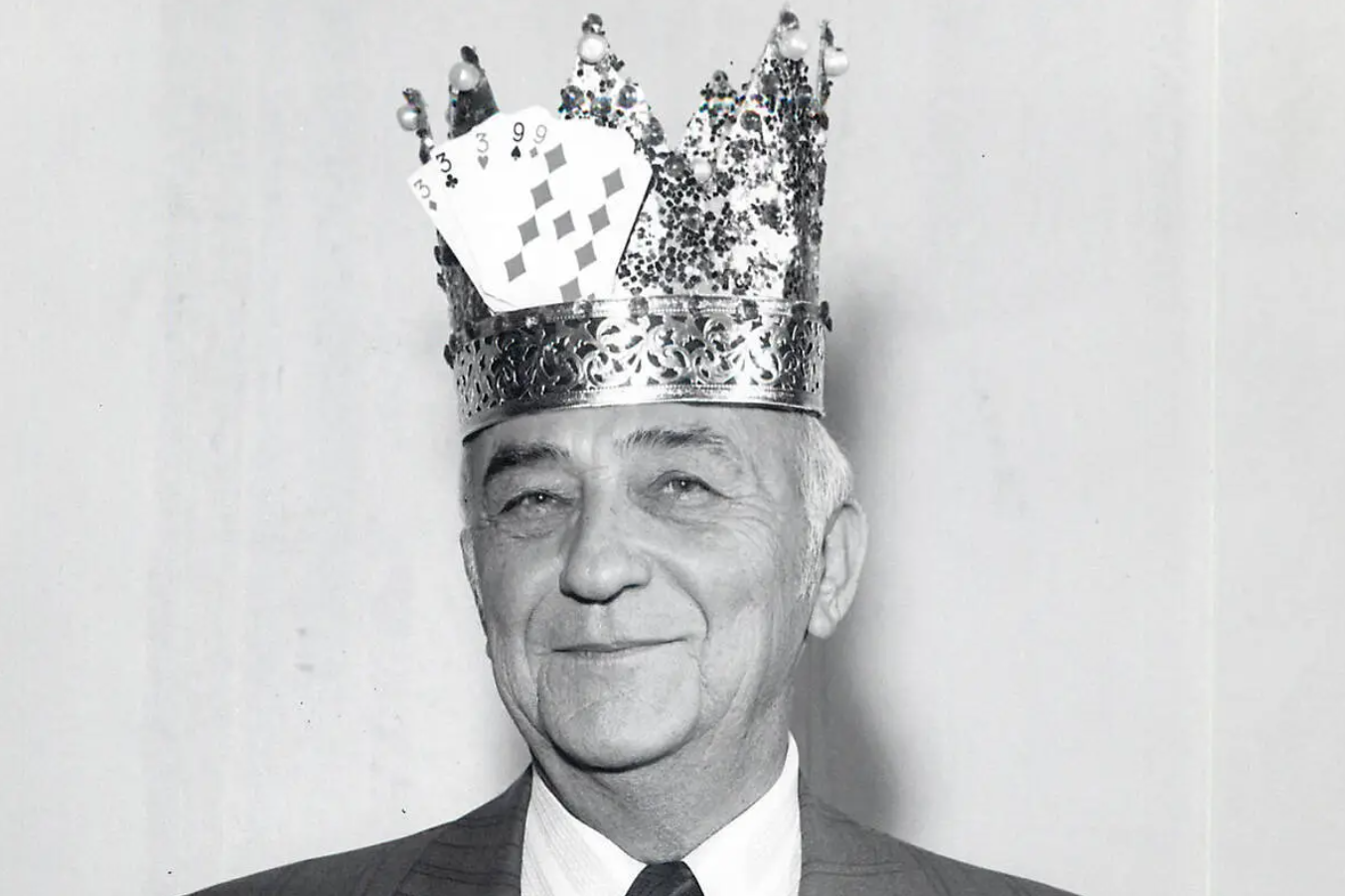
Moss became the first player in history to win the WSOP Main Event three times (1970, 1971, 1974). This feat was later matched only by Stu Ungar. Today, this record seems impossible not just to break, but even to match. Johnny Moss also set the record as the oldest Main Event winner, a record still standing.
1974 was the year WSOP gained its crown in the form of the gold bracelet and a king in Johnny Moss. His return, after prematurely announcing his retirement, didn't end there, as he continued to push his own records in the years to come.
More from WSOP History
The History of WSOP: 1973 – Puggy Pearson's Triumph and the Dawn of the Television Era
The History of WSOP: 1972 – Amarillo Slim's Controversial Win
The History of WSOP: 1971 – The First Freezeout Tournaments
The History of WSOP: 1970 - The First World Champion Elected by Vote
Sources: WSOP, Wikipedia, PokerListings, GGPoker, The Hendon Mob
