

CBS Influence on Main Event Winnings
According to various sources, the change in the Main Event's payout structure was driven by pressure from the television network CBS. They wanted the final table to be more exciting for viewers, which led to a formal distribution of prize money among the top five players. The structure was precisely set: the winner 50%, second place 20%, third 15%, fourth 10%, and fifth with 5% of the pot.
This change sparked controversy because the 'winner takes all' format was more appealing to the media, and many 'old school' players preferred the previous format with a single champion. However, Doyle Brunson, the winner of the previous two Main Events, was reportedly a strong supporter of this change.
One reason for support from some players was the tax attention focused on tournament winners, who had to pay taxes on the entire sum, even if a deal was made to split the winnings during the finale.
Gary Berland Rising and Chip Reese's First Bracelet
Before the main event kicked off, side events drew attention, showcasing future legends. Gary 'Bones' Berland, a talented young player who had previously contended for the Main Event title, had an outstanding series start. He won two bracelets over two days (Razz and Seven-card stud) and nearly made history, finishing second in the $1,000 Limit A-5 Draw Lowball. Had he won, he would have been the first to claim three bracelets in one series.
David 'Chip' Reese also claimed his first gold bracelet. Doyle Brunson later called him one of the two best young players of the emerging generation. These weren't just empty words; Reese's contribution to the legendary book Super System, where he covered strategy for Seven Card Stud, attests to his skills.
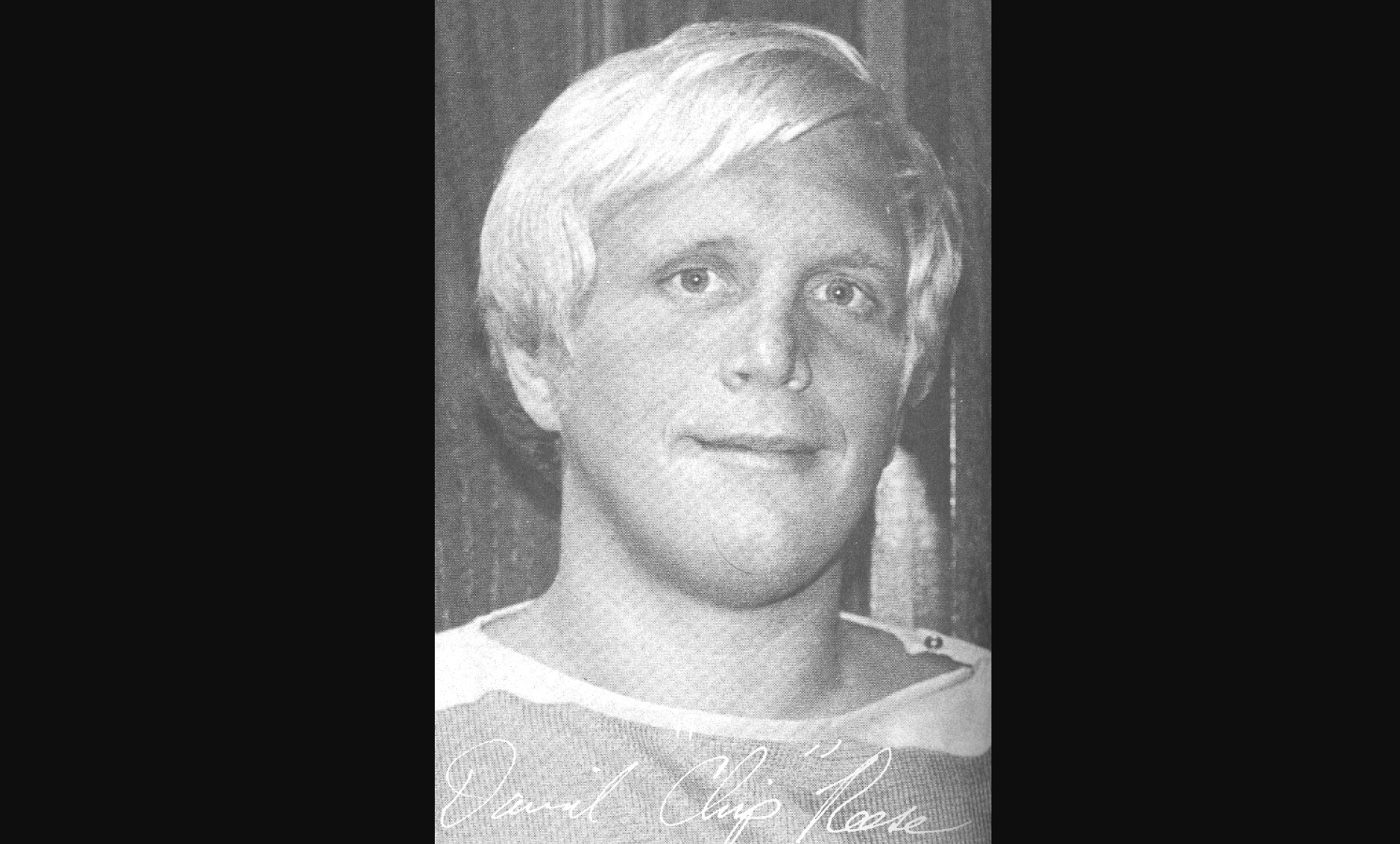
Lakewood Louie also drew attention, winning the first-ever Limit Draw High tournament in WSOP history. Louie's unique stat is noteworthy; he secured only four paid finishes at WSOP throughout his career, and each came with a bracelet.
|
Tournament |
Entries |
Winner |
Winnings |
|
Event #1: $10,000 NL 2-7 Draw Lowball |
15 |
Billy Baxter |
$90,000 |
|
Event #2: $1,000 Limit Razz |
32 |
Gary Berland |
$19,200 |
|
Event #3: $500 Limit Seven-card stud |
57 |
Gary Berland |
$17,100 |
|
Event #4: $5,000 Limit Seven Card Stud |
23 |
Doyle Brunson |
$68,000 |
|
Event #5: $1,000 No Limit Hold'em |
71 |
Aubrey Day |
$42,600 |
|
Event #6: $200 Ladies' Limit Stud |
84 |
Terry King |
$10,080 |
|
Event #7: $5,000 Limit Draw High |
7 |
Lakewood Louie |
$21,000 |
|
Event #8: $1,500 NL Hold'em (Non-Pro) |
52 |
Hans Lund |
$46,800 |
|
Event #9: $1,000 Limit Stud Hi-Lo |
32 |
Chip Reese |
$19,200 |
|
Event #10: $1,000 Limit A-5 Draw Lowball |
32 |
Henry Young |
$19,200 |
|
Event #11: $10,000 NLH Main Event |
42 |
Bobby Baldwin |
$210,000 |
Successful Female Experiment Continued
The historically first women's tournament in 1977 set an all-time participation record with 93 entries. In 1978, despite organizers doubling the buy-in from $100 to $200, the interest remained high.
With a total of 84 entries, the tournament nearly matched the previous year's success, once again becoming the event with the highest participation in the entire WSOP 1978 schedule. The winner, and bracelet holder, was Terry King, who later became a staple in these formats, reaching paid positions in women's tournaments four more times in subsequent years.
Third Year of Doyle Brunson's Dominance
Although Doyle Brunson didn't defend his Main Event title for the third time, he wasn’t empty-handed, taking home a bracelet for winning the $5,000 Limit Seven Card Stud event.
For 'Texas Dolly', this was a remarkable entry into history, marking the third consecutive year he clinched at least one tournament victory at the WSOP. This admirable streak began with his legendary Main Event triumphs in 1976 and 1977, to which he always added a second title in side events.
With his fifth title, Brunson closed in on Johnny Moss, the decade's king, trailing by just one bracelet.
Main Event Massacre of Legends and New Blood
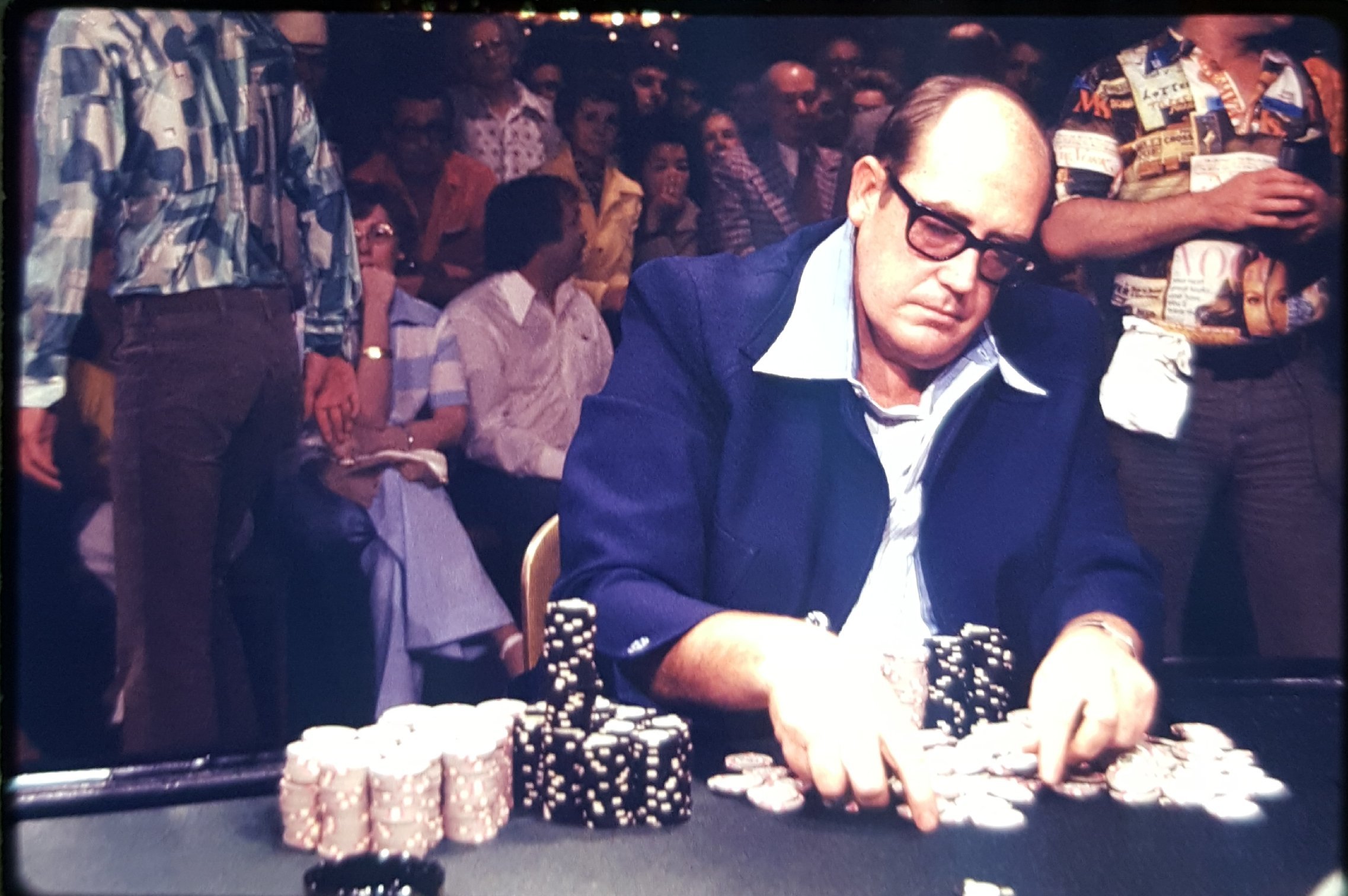
The Main Event attracted a record 42 players, including Barbara Freer, the first woman in the main tournament, and famed comedian Gabe Kaplan, who later hosted High Stakes Poker.
The first day delivered a massive shock. The aggression of young players decimated the old guard. Past champions Doyle Brunson, Johnny Moss, Amarillo Slim, Sailor Roberts, and Puggy Pearson all fell on day one. Johnny Moss humorously remarked, “I lost three hands in a row, and I'm so old I just can't take it anymore.”
The six-player final table featured the Main Event's first-ever bubble. The unfortunate sixth-place finisher, leaving empty-handed, was Ken Smith, notably dressed in a tuxedo and top hat.
The final heads-up saw 28-year-old Bobby 'The Owl' Baldwin facing veteran Texas player Crandell Addington. For Addington, it was his second heads-up appearance (after 1974) and his seventh final table. Despite this impressive record, a WSOP victory eluded him.
Crucial Hand and Historic Triumph
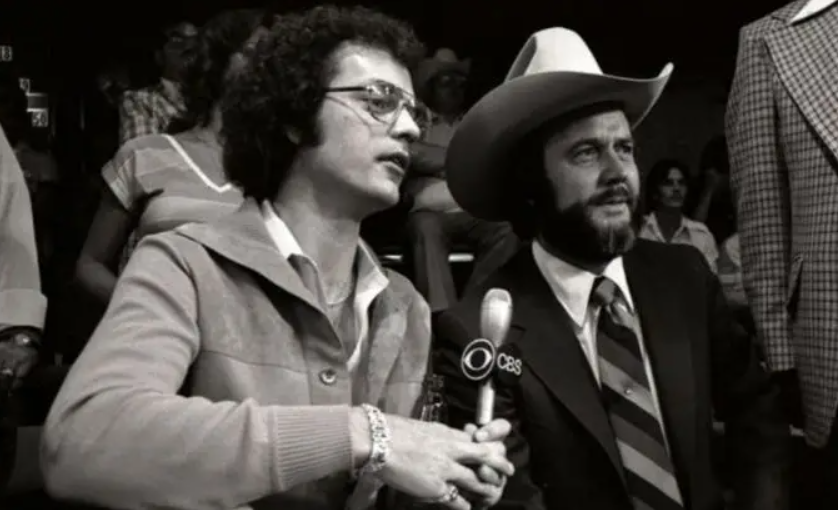
The key showdown came with Baldwin holding Q d Q c and Addington holding 9 d 9 c. Facing roughly a 1:7 deficit, Addington declared all-in pre-flop, and Baldwin quickly called.
The dealer laid out Q s 9 h K s, giving both players sets. Addington's chances of winning were then slim, needing the last remaining nine in the deck. The turn A s and river T d didn’t bring the miracle.
Bobby Baldwin became the youngest Main Event winner in history (at 28 years, 4 months, and 18 days), breaking Doyle Brunson's previous record by 14 years.
Baldwin’s victory carries a human element with his friendly wagers with Doyle Brunson. Baldwin later humorously recalled that in 1976, Doyle bet him $2,000 on who would last longer in the Main Event. Doyle won the tournament and naturally the bet. In 1977, Doyle offered 2:1 odds, but again, he won the title, and Baldwin lost more money.
For WSOP 1978, Baldwin refused the bet, telling Doyle to find another 'sponsor.' Ironically, this year Doyle was knocked out on the first day, and Baldwin triumphed. After his win, Bobby 'The Owl' Baldwin advanced not only as a player but also as a successful businessman and president of Golden Nugget and Bellagio casinos. His name now adorns the legendary high-stakes poker room 'Bobby’s Room' at the Bellagio.
More from WSOP History
The History of WSOP: 1977 – The Miracle of 10-2 Repeats Itself
The History of WSOP: 1976 – Texas Dolly's First Triumph and the Birth of the Legendary Hand 10-2
The History of WSOP: 1974 – Johnny Moss's Return to the Throne and the Birth of Iconic Bracelets
The History of WSOP: 1973 – Puggy Pearson's Triumph and the Dawn of the Television Era
The History of WSOP: 1972 – Amarillo Slim's Controversial Win
The History of WSOP: 1971 – The First Freezeout Tournaments
The History of WSOP: 1970 - The First World Champion Elected by Vote
Sources: WSOP, Wikipedia, YouTube, Poker1
