

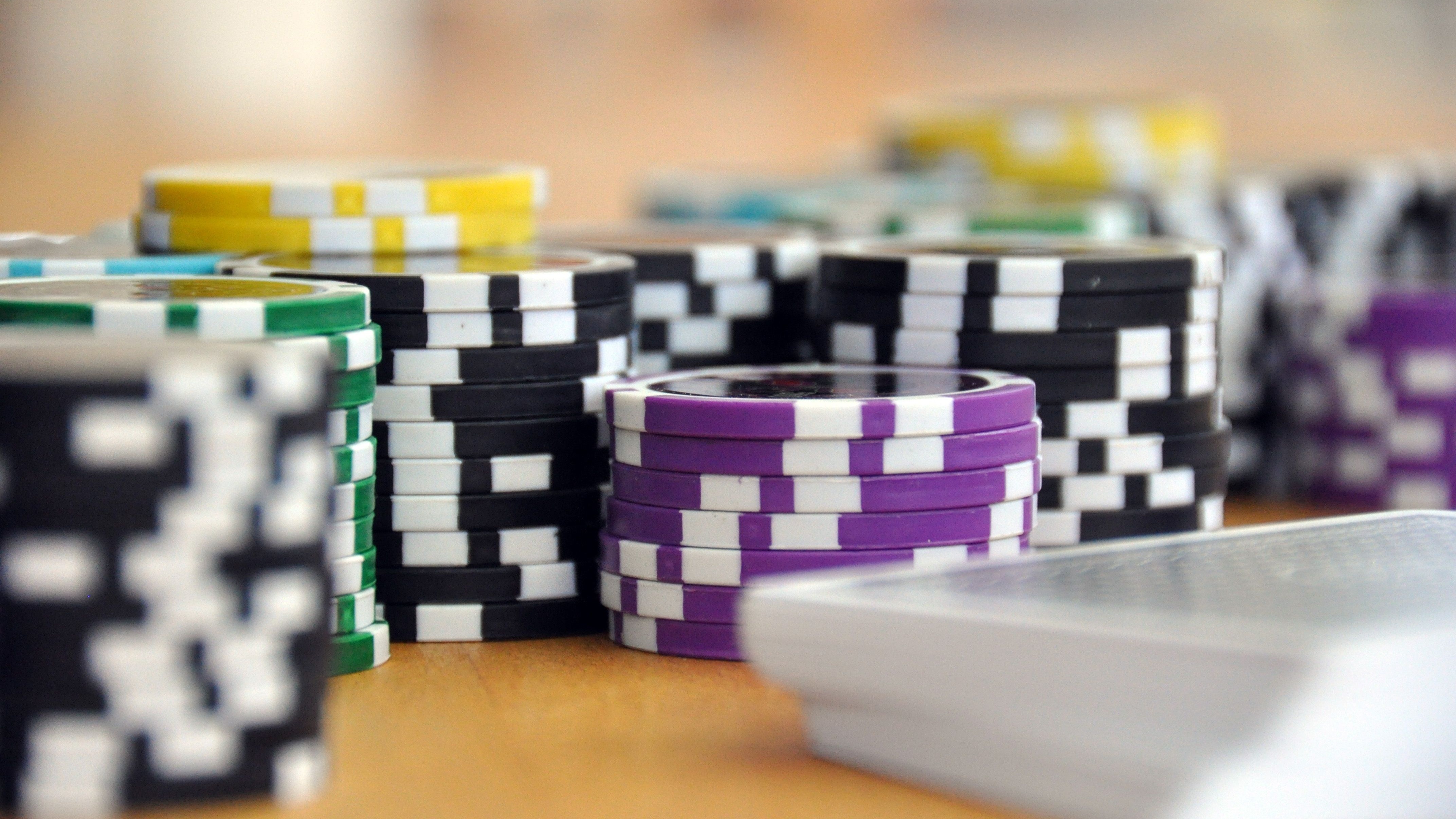
The value depends on how you use it. ReplayPoker gives players access to ring games and tournaments without putting cash at risk. The tables offer a practical place to learn how a hand develops. They also expose you to decisions that a hand-ranking chart cannot recreate. Free poker can prepare you for serious play, provided you understand which lessons travel well and which ones stay at the play-money table.
You learn the pace of a real hand
A new player can know that the flop comes before the turn and still feel lost once the action begins. Online poker adds its own demands. You must follow the dealer button and watch stack sizes. At the same time, a timer is running beside your name.
Free tables turn those separate rules into a routine. After a few sessions, posting a blind stops feeling like an event. You begin to notice when the action has checked around. You also learn how quickly a pot can grow after one modest preflop raise. That familiarity leaves more attention for the decision itself.
ReplayPoker offers Texas Hold’em alongside Omaha and Seven-Card Stud. Players can enter ring games or several tournament formats. Moving between them reveals how much the structure changes your choices. A ring-game player can leave whenever desired. A tournament player must work with rising blinds and a stack that becomes less comfortable over time.
You see the value of the lesson when you watch a beginner time out with a strong hand. Knowing poker rules and keeping up with a table are separate skills. Free play closes that gap.
Loose tables make position impossible to ignore
A typical play-money hand may begin with several limpers. Someone then makes a small raise. Two callers come along with hands that would usually reach the muck in a tighter game. The action can appear untidy, but it gives the player on the button an advantage. That person has already seen how much interest everyone else has shown.
Position carries measurable value beyond casual poker wisdom. The computer scientists who essentially solved heads-up limit Hold’em confirmed that the dealer holds a substantial advantage. Full-ring no-limit poker presents a much larger problem, although the reason for the advantage remains familiar. Acting later gives you more information.
Loose free tables exaggerate the cost of acting early. Raise a marginal hand from under the gun and you may face several callers. You will then play the rest of the hand without knowing what those players intend to do. Try the same hand near the button and you can make your choice after seeing who has entered the pot.
Position becomes visible through repeated hands. You start folding cards in early position that once looked tempting. Later, you may open those same cards when the table folds to you.
Frequent callers teach value betting
Free poker has a reputation for producing too many calls. As a result, elaborate bluffs (now detectable with AI) often perform badly. A player holding bottom pair may call simply because another chip refill remains available. Attempting to represent a narrow range against that opponent can become expensive.
The same behaviour makes these games a good ground for practising value bets. When you hold top pair against opponents who call too freely, checking back every river leaves chips behind. You have to judge whether a weaker hand can pay another bet. You must then choose a size that receives a call.
That process teaches an important difference between having a decent hand and extracting value from it. Beginners often relax after making a strong pair. More experienced players continue thinking about the hands an opponent could hold. They consider which of those hands will call.
Bad beats become crucial evidence
You raise with pocket aces. An opponent calls with nine-seven suited. The flop brings a nine, while the river delivers another one. Your strong starting hand loses to a decision you would never have made yourself.
Free poker lets you experience that result before money gives it extra weight. The cards do not reward the player who began ahead on every deal. Good decisions improve results across many hands, while any single pot can finish badly.
Look at the point where the chips entered the pot. If you gave an opponent a poor price and received a call, the decision may have been sound even though the river hurt. If you made an oversized bet that only a better hand would call, the lost pot may expose a genuine error.
Research hosted by the University of Helsinki found that poker decision accuracy increased with experience and self-reflection. Simply playing more hands offers limited value when every loss gets blamed on luck. Reviewing the decision gives repetition a purpose.
Free chips change the game in important ways
Play-money success can create false confidence. Chips without a cash value rarely produce the same pressure as a real loss. Players can reload or rebuild without affecting household money. That changes the meaning of risk.
Fold equity also behaves differently. A bluff works partly because the other player dislikes the cost of calling. At a free table, that cost may feel trivial. A move that fails repeatedly in play-money games could work against a disciplined cash player. The opposite also applies. An aggressive style that wins through loose calls may struggle once opponents protect their stacks.

