

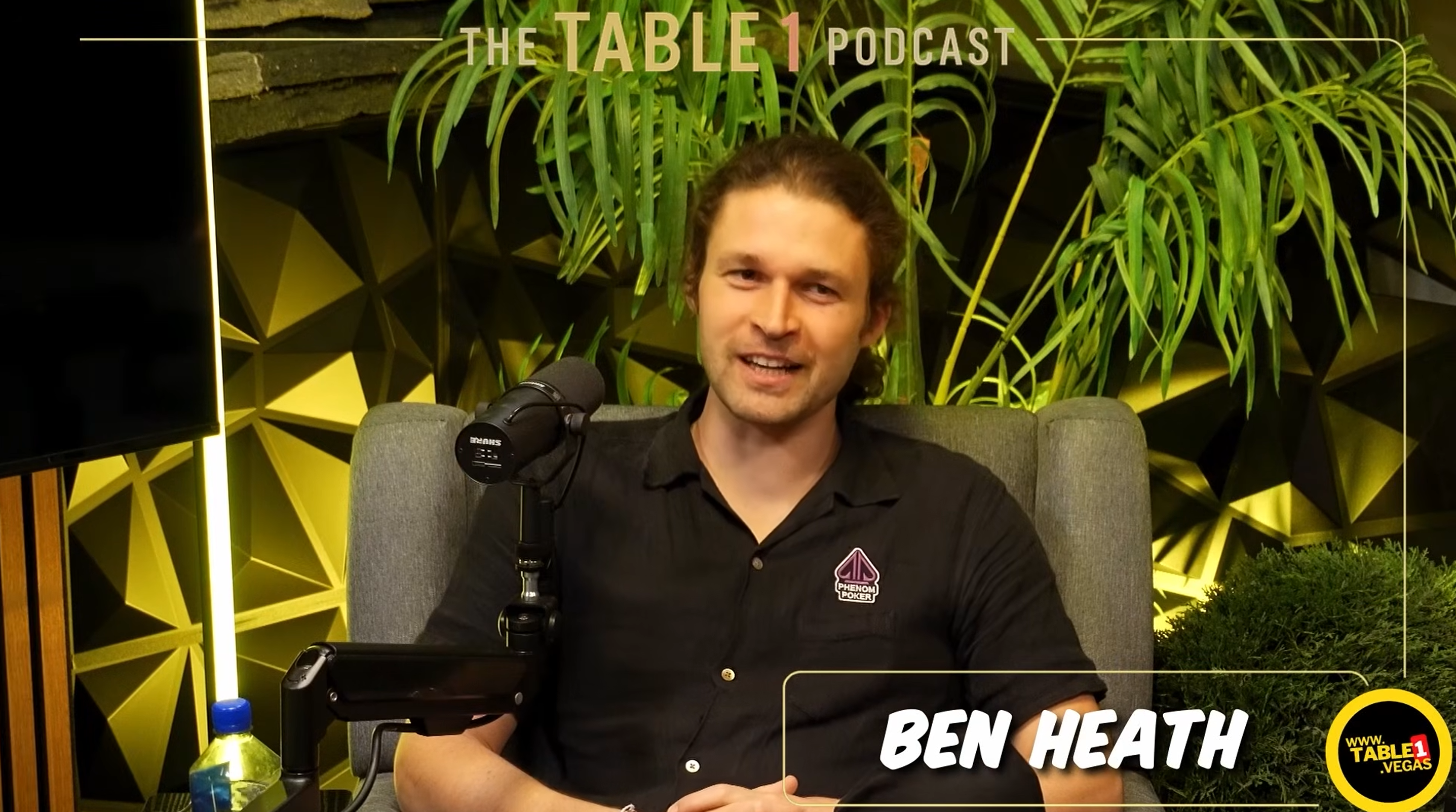
When you look at Ben Heath's career today, it's easy to overlook just how unlikely its beginning was. The British professional regularly competes in $50K, $100K, $250K, and even $500K events now, but during his university days, he considered poker more as a way to earn a few thousand a year without having a traditional job. He wasn’t an online prodigy who quickly climbed all the stakes. His journey was much more chaotic, with several moments where he questioned if he was still a professional player or just someone willing to risk almost everything.
Heath grew up in Brighton, on the south coast of England, in a family where gambling wasn't the main theme, but strategic games were. His father played chess with him, and Heath was surrounded by mathematics, logic games, and later, online strategies like Age of Empires. Poker entered his life quite subtly.
At sixteen or seventeen, he played small home Hold'em games with friends. No one in the group really knew who was good and why. Heath himself admits he probably was a very weak player at the time and didn’t even know how to study poker seriously. School remained his priority.
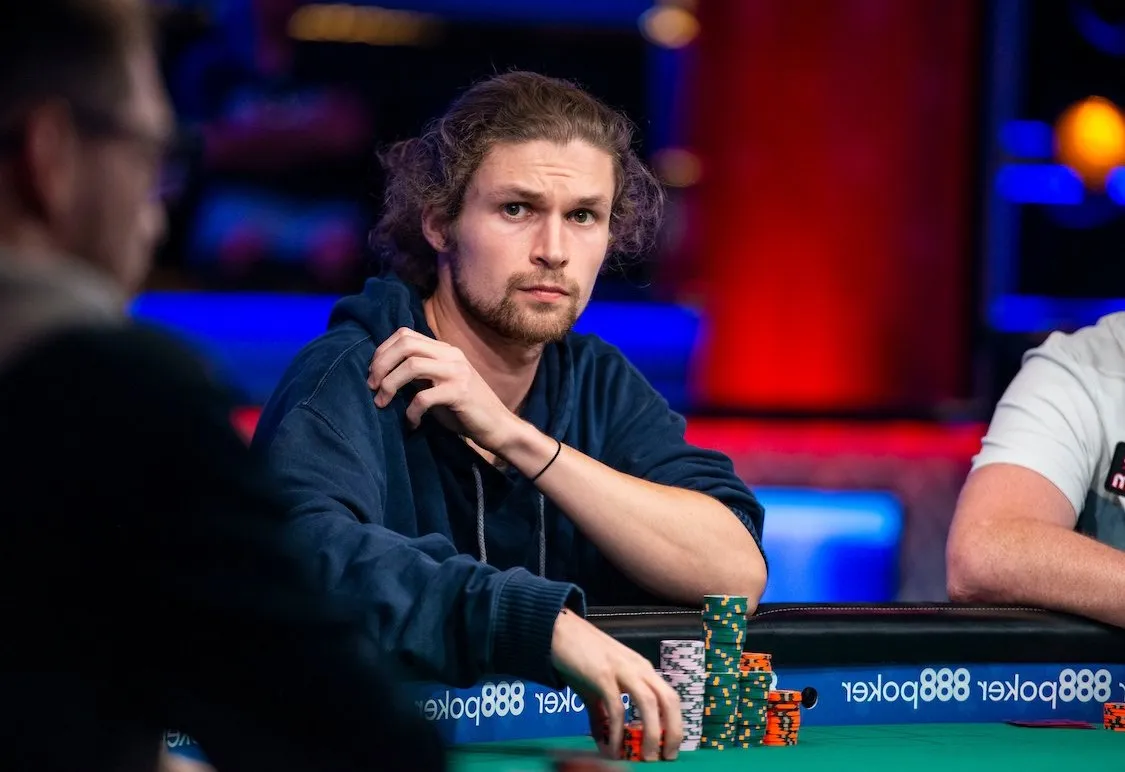
He studied mathematics at the University of Warwick, and according to him, his third year involved about 40 to 50 hours of work per week. Meanwhile, he found one practical benefit of online poker – he didn’t need a part-time job. It wasn’t big money, but it worked.
After school, Heath faced the classic question for math graduates. Finance or academia? He went through several finance sector interviews, but the entire process didn’t appeal to him. Companies expected numerous internships, dozens of applications, and the whole system seemed less and less attractive. Then came a pivotal moment.
One of his university tutors mentioned that several graduates from the same program had transitioned to professional poker and were successful. Suddenly, it didn’t seem like such an absurd decision. His parents were surprisingly pragmatic; they wanted him to finish school first and then gave him about two years to show results in poker.
$3 Tournaments Funded Fiji
In his final years at university, he earned about six or seven thousand from poker, but he spent five thousand on a month-long trip to Fiji, where he helped teach math and English and participated in community projects. In his mind, it wasn’t a problem. Poker earned him money, he spent it on experiences, and then he could earn more.
A major turning point came through a university Skype group, which Heath mostly ignored during school. Charlie Carrel, preparing to attend the same university but already winning significantly online, was in the group. When Carrel won the Sunday Million, he announced in the group that he was taking friends to Amsterdam for a few days. Heath didn’t know him personally but asked if he could join. A few weeks later, they were living together in London.
This was a crucial step for Heath's career. In the days before trainers, solvers, and huge databases, the best way to learn was often just by living with someone who had already mastered the game. During the week, they would grind Zoom cash; in the evening, they’d walk to the casino, and on Sundays, play MTTs.
Half of Net Worth Gone in Two Days
Heath came to Barcelona with about $100,000. He decided to enter the €50K high roller in a manner he admits today was probably a mistake. He swapped some of the action with other players, several of whom fired two or three bullets. After the first two days, Heath had lost half of his initial hundred thousand.
He was used to losing twenty-thousand several times before, but minus fifty-thousand over two days was a new experience. He called his mom, complaining, “This doesn’t feel good.” The uncomfortable question loomed – what if he lost the other half? The answer didn’t come through more conservative bankroll management but through a major breakthrough.

Heath went around the biggest European events, the Bahamas, and finally the Aussie Millions. In about nine months, he went, by his own account, from approximately $50,000 to $950,000. The biggest leap came from the Aussie Millions Main Event 2017, where Heath reached heads-up and finished second.
The money was, of course, significant, but Heath also vividly remembers the nerves. Before the final table, organizers gave players a free day, intended for rest. For Heath, it was the exact opposite – he didn’t sleep, was nervous, walked around Melbourne, waiting anxiously to play again.
First Bracelet and Entry into Super High Rollers
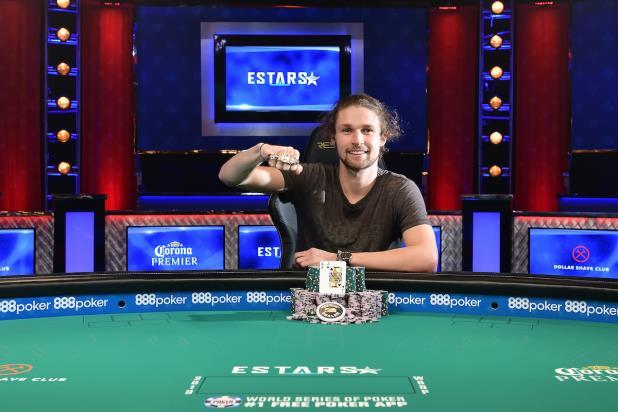
Shortly after Australia, another runner-up result came in, this time at the Wynn Las Vegas for about $130,000. The next significant milestone was the WSOP 2019. Heath won the $50K High Roller and claimed his first bracelet. By then, he was managing buy-ins more conservatively than in his early years. He sold more action and better understood how quickly high stakes variance could turn against a player.
The bracelet didn’t mean Heath automatically signed up for every high buy-in tournament. On the contrary, he gradually realized that the buy-in price tells only part of the story. A World Series $50K event can be entirely different from a $50K at another high roller event.
Heath even mentions being invited to a £1 million invitational event in London, but he declined. He didn’t yet consider himself the type of player who should risk such a sum of someone else's capital. In the following years, this threshold shifted, and post-COVID, he started playing almost the entire high stakes calendar.
From the Worst Year of His Career to Heads-Up for Millions
One of the most extreme examples of tournament variance came much later. Heath entered a $500K invitational event after a period he describes as his worst year in professional poker. He was in the red, and it was in the largest event of the year that he had a deep run. He made it to heads-up, and placing second essentially saved a significant part of the season.
Ironically, he describes the atmosphere entirely different from what a typical fan might expect. On the other side of the table was a group actively railing his opponent. Heath's friends? Some messaged saying they were elsewhere and to contact them after it ended. For his group, swings and similar situations were simply part of the job. And it suited Heath, as during a heads-up for millions, he didn’t want to deal with external distractions.
Fewer Tournaments, More Work Behind the Scenes
Interestingly, Heath now plays significantly fewer weeks than during the period when he traveled almost year-round. His calendar includes about nine to ten tournament weeks, including several Triton stops, selected EPT events, and the first part of the WSOP with high rollers.
But poker isn't just about those ten weeks. Even outside tournaments, he studies six or seven days a week, coaches other high stakes players, and watches streams. His students don’t just ply their trade at lower stakes; some compete in the same $250K events he does.
Heath also openly states that the high stakes tournament life might not last forever. He's gradually being drawn to other poker formats. PLO, split-pot games, and mixed games represent new territories he’d eventually like to explore more thoroughly. For now, though, they're mostly just fun.
More from Table One Podcast
Jennifer Shahade: Chess, Poker, Life Between Two Games, and the Courage to Take Risks
Jonathan Tamayo: Open Talk on Winning $10 Million, the Laptop Gate, and Whether Poker is Dying
Kenny Hallaert: Main Event Specialist Who Knows When to Toss GTO Aside
Allen “Chainsaw” Kessler: From Poker Weekends to 350 Days a Year in the Casino
Jeff Gross – Poker, Business, Six-Figure Prop Bets, and the New World of Poker Entrepreneurship
Matt Savage: The Man Who Helped Organize Poker Chaos from WSOP to WPT
Mike Matusow: Million-Dollar Falls, Old-School Charm, and the Comeback of a Player Who Never Gave Up
Justin Saliba: Moved to Vegas, Aspired to Win Millions, and Quickly Realized He Hated It
John Bornstein: Underground Clubs, Robberies, Total Collapse, and a Poker Miracle
Nikki Limo: From YouTube and Stand-Up to a $130,000 Poker Run
Joe McKeehen: Stopped Looking at His Cards and Won the WSOP Main Event
Andrew Moreno: From $3 Sit & Go to High Roller Champion
Yukon Brad Booth: Return to High Stakes Poker and the Ultimate Bluff Against Phil Ivey
Landon Tice: When Talent Outpaces Maturity and Poker Forces You to Grow Up
Jeremy Ausmus: From Dusty Games in Colorado to the Top of the Poker World
Cary Katz: Why the High Stakes Environment Attracts Extremely Analytical Personalities
Source: YouTube, worldpokerfederation, PokerNews, WSOP

