

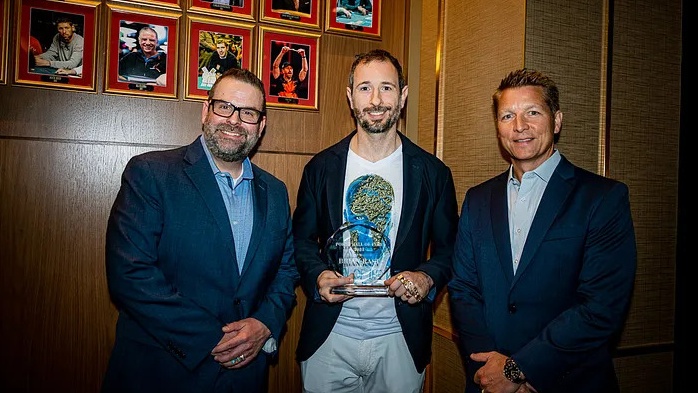
Brian Rast is one of the most complex personalities that poker has brought forth in the last two decades. He's not just a tournament champion, a cash game regular, or a member of the Poker Hall of Fame. Rast has journeyed through the online era, the biggest live cash games, mixed games, Super High Rollers, prop bets, crypto, and Triton commentary. In the GTO Lab podcast, he spoke with Jonathan Jaffe not only about his career but also about how his poker identity has evolved and why even a legend must constantly adapt to the new game.
A Career That Has Embraced Almost the Entire Poker World
Rast's career is remarkable precisely because it defies categorization. He has won tournaments, been among the respected players in the largest cash games, and made his mark in mixed games, where mastering just one format isn't enough. In the interview, he recalled that his poker beginnings were from an era before solvers, where players learned mainly by playing, thinking, and debating with the best opponents. It was in this environment that he developed the instincts that have accompanied him throughout his career.
He also openly admitted that the advent of solvers changed his place in the game. Years ago, he felt like one of the best all-around live players in the world, but after COVID, he faced a phase where he had to honestly admit that the poker elite had moved on. He didn't say this with bitterness but with characteristic player rationality: a good gambler needs to correctly assess their own EV. That's why today he considers commentating on Triton as a way to stay in touch with the highest level of poker and simultaneously learn from the world's best players.
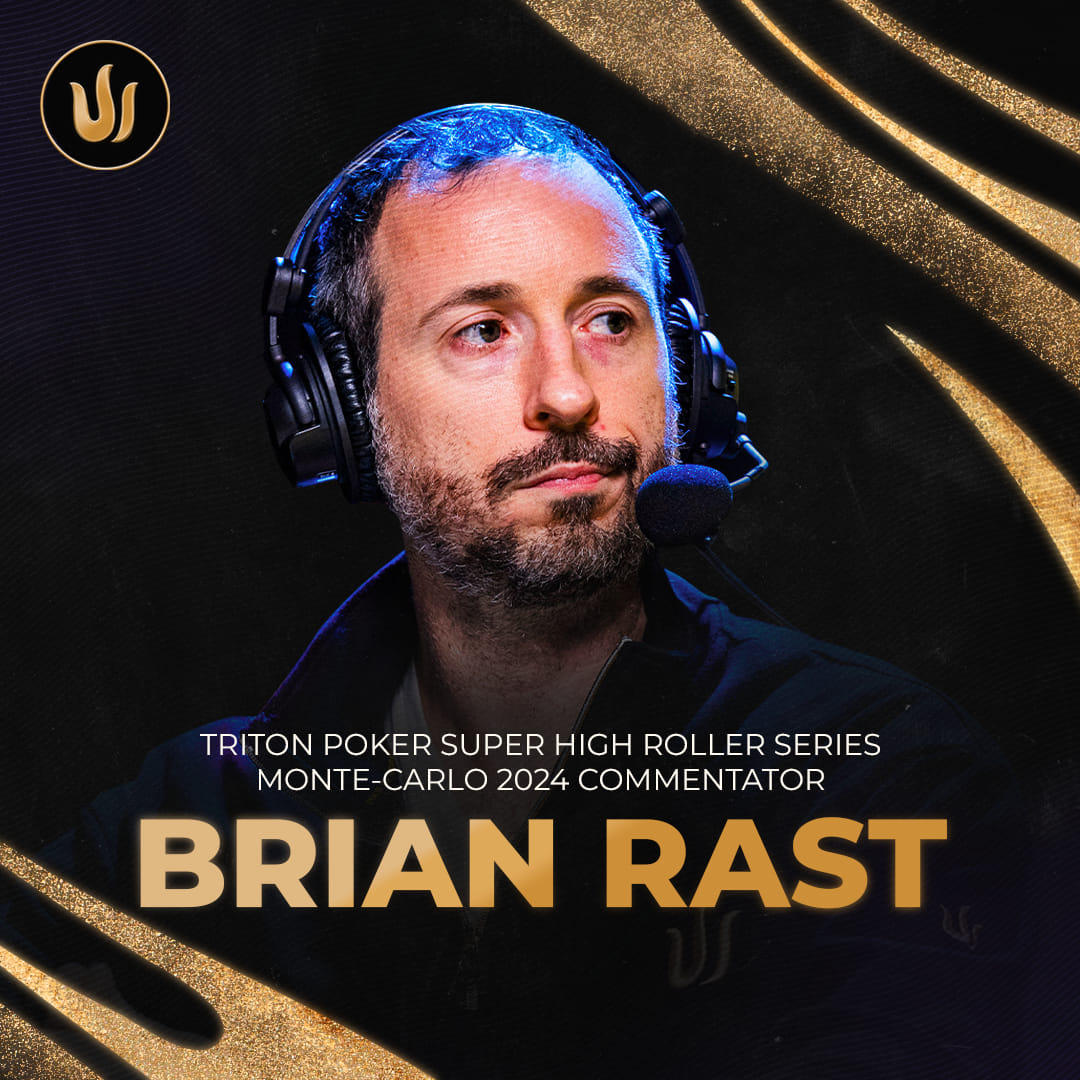
Rast now finds himself in an interesting position between the legend of the old school and the analytical world of the modern era. He doesn't reject solvers, respects their importance, and understands that without them, it's hard to compete at the highest level for long. Yet, he also reminds us that poker was more interesting to him when good players used different strategies and the game was less unified. According to him, the game is more alive when there are multiple diverse approaches, and opponents must constantly seek answers directly at the table.
A significant theme of the conversation was the balance between instinct and technical knowledge. Rast talked about how a great player must blend the solver, personal experience, live readiness, table dynamics, and how opponents have behaved in past spots into one "mixer." Only then can the right decision emerge. “Part of becoming a great poker player is taking all the ingredients – solver says this, instinct says that – tossing it into the mixer and getting the right answer.”
Bitcoin, Curiosity, and the Ability to Shift Perspectives
Rast's story extends beyond poker as he has long been interested in topics outside the game itself. The interview delved into Bitcoin, investing, public opinions, curiosity, and how one makes decisions in a world where not all information is available. Rast emphasized that staying curious is important in life, while also recognizing that even intelligent people operate from their values and interpret facts differently. Thus, merely adopting others' opinions is insufficient; they must be confronted with personal thinking.
His reflection on today’s dopamine-filled world was also intriguing. He mentioned that he used to read more but now must deliberately create space for deeper thinking. He finds help in saunas, silence, music without lyrics, or moments with no new podcast or content input. This part of the conversation revealed Rast not just as a poker professional, but as someone striving to understand his own mind, energy, and learning approach.
He believes these constant stimuli are the killers of A-game. For him, it means a state where nothing exists outside the table – no phone, no conversations, no distractions – only hands, sizing, and every detail that might reveal something about the opponent. This approach explains why he's capable of delivering performances in major moments that differ significantly from a regular day.
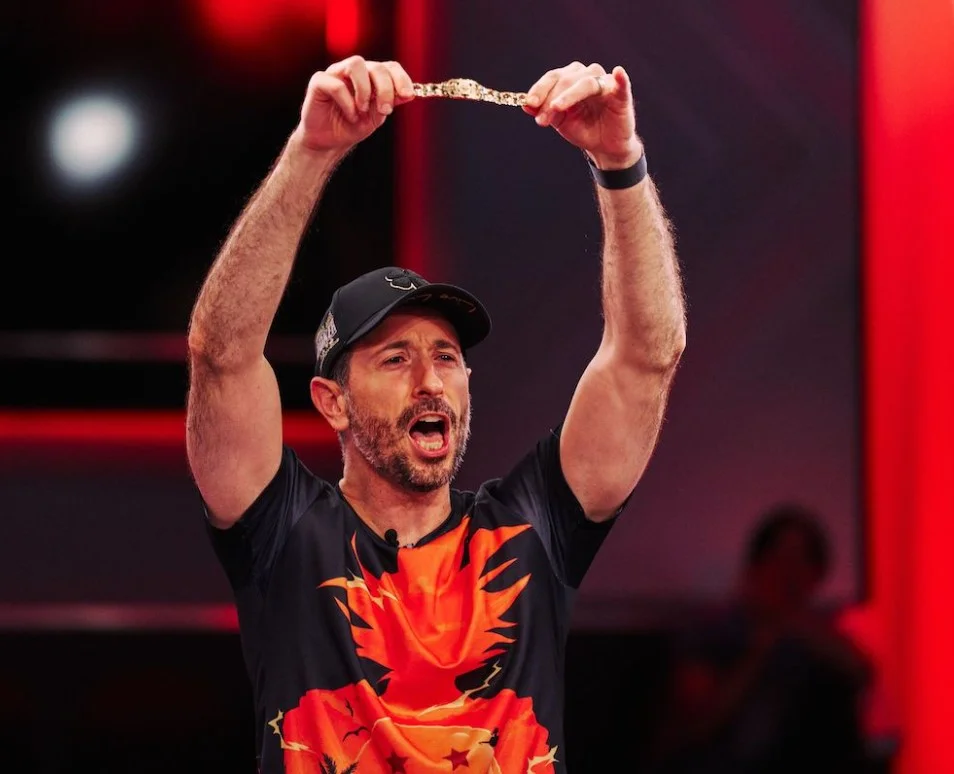
This interview is compelling not just because it’s about the past. Yes, his career is full of titles, huge cash games, Poker Players Championship triumphs, and Hall of Fame membership. But more intriguing is how he copes with the fact that the game has changed and that even a legend must reassess his own place within the ecosystem.
More from GTO Lab Podcast
Kevin Rabichow: Why Poker Growth Is Hindered by Bad Habits, Not Bad Cards
Kayhan Mokri: If Everyone Uses the Same Tools, Find Your Edge Elsewhere
Seth Davies: Poker Teaches You a Lot, But You Have to Grow Up Away from the Table
Stephen Chidwick: Why Results Are Deceptive and Decisions Matter More
Ike Haxton: Precise Sizing Doesn’t Matter, the Real Edge is a Calm Mind
Alex Kulev: What You Need to Change in Your Mindset to Make the Leap to High Stakes
Leon Sturm: Independent Thinking in the High Roller Scene
Orpen Kisacikoglu: Solvers Provide Quick Answers, But Take Away the Thinking Process
Alex Ponakovs: Why Independent Thinking is More Important Than Blindly Following Solvers
Nick Petrangelo: In $100k Events There Aren't Weak Players Anymore, So There's More Work to Do
Daniel Negreanu: Being at the Top of Poker for Years is Hard Work, Not Luck
Fedor Holz: I Used to Want Wins, Titles, and Money. Today I Want Happiness
Sources – YouTube, PokerNews, WSOP, PokerBrasil, TritonPoker

