

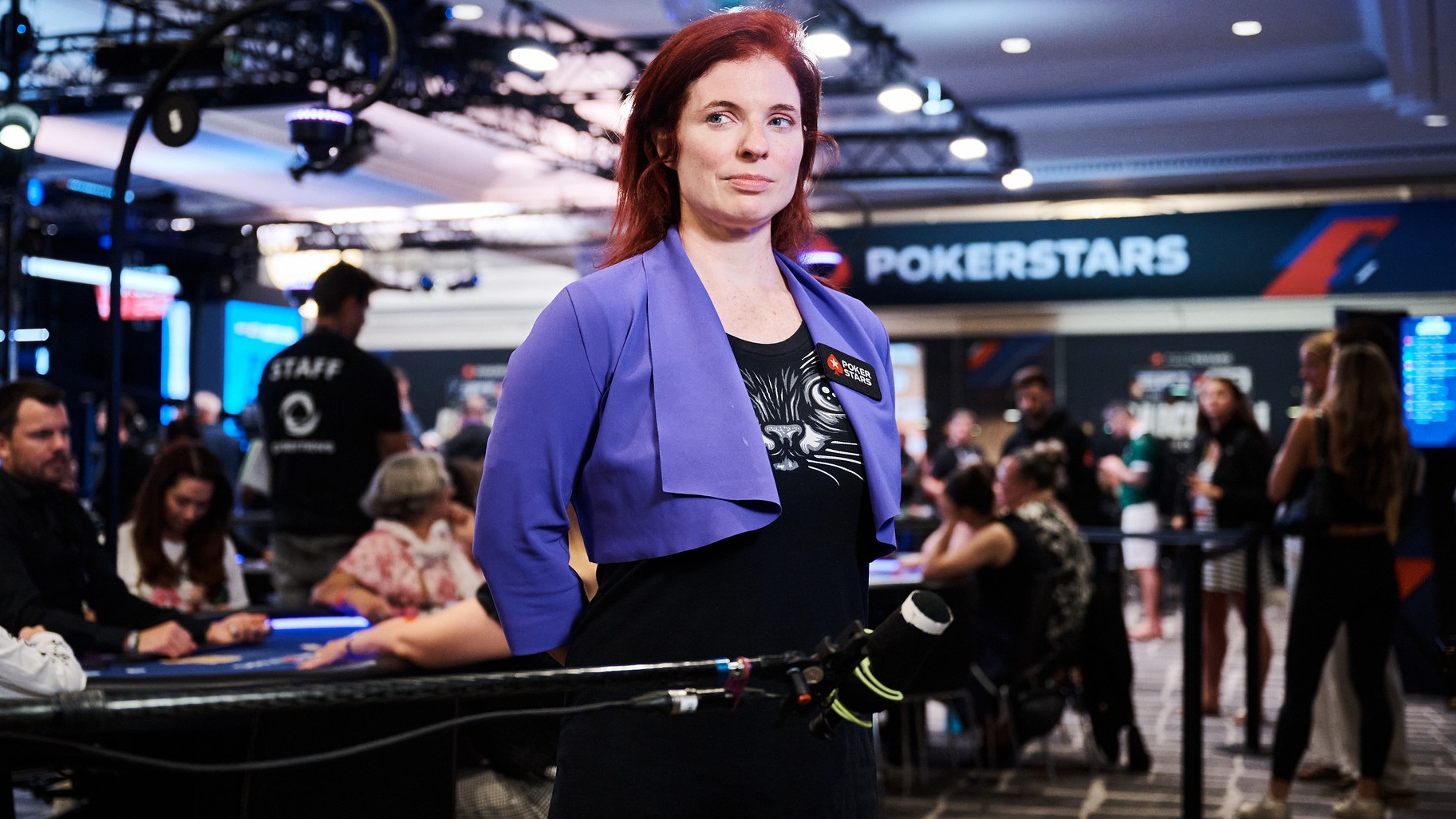
Jennifer Shahade is a unique figure where chess and poker meet more than just by chance. Growing up in a family of strategic players, she eventually became one of America’s top female chess players. During the poker boom, she noticed more of her friends transitioning to a game that promised significantly higher earnings for making the right decisions. However, poker didn’t capture her interest right away. In this episode of the Table One Podcast, she explains why it took her time to warm up to poker, what was paradoxically the hardest part for an elite chess player, and why she still needs both worlds today.
A Family Where Strategic Games Were a Norm
Shahade grew up in Philadelphia, where chess, poker, and sports betting were practically household norms. Her father was a passionate chess player, and her older brother Greg made a name for himself in both chess and professional poker. Her mother was a chemistry professor at Drexel University but also had an unconventional hobby. She loved bridge, poker, and sports betting and even acted as a small bookmaker for her circle, according to Jennifer.
Saturday poker games were a regular event at home. Shahade recalls the laughter, mixed games, and a vibe entirely different from the serious world of tournament chess. Despite her family background, Jennifer didn't initially seem to be the next big chess talent in the family. Her rating hovered around 1400, while her father and brother were above 2200. Then, around the age of 14, there was a sharp turn.
Shahade began seeing chess not just as a competition but as a culture, history, and art. The game started to make sense in new ways, and results followed swiftly. Over approximately two years, she moved from a rating of around 1400 to 2200, becoming one of the youngest female chess masters in the United States. This was followed by national titles, the Woman Grandmaster title, and a professional career during which she became one of the most prominent American female chess players of her generation.
Poker is Free Money for Smart People
Poker had been around her environment long before she took it seriously. During the poker boom, she watched her chess friends transition to online tables, travel to the EPT, and earn sums that professional chess couldn't offer at the time. After finishing her first book, she had a freer period and asked her brother Greg to teach her poker.
Her mother’s reaction was straightforward. “Finally, Jennifer, poker is free money for smart people.” Yet even then, Shahade didn’t become immediately obsessed. Like with chess, it took her time to understand the game on a deeper level. The decisive factor was the combination of online and live poker. Online provided endless repetition, while live poker added a social dimension, travel, and space to really think about the opponent.
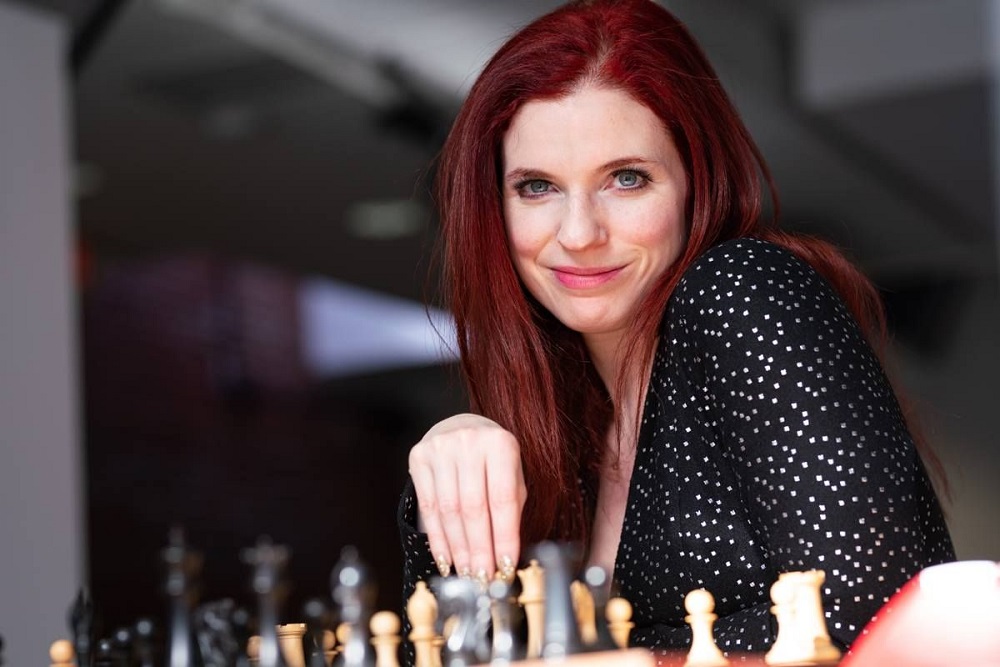
The difference between the two games is one of the most intriguing topics of the episode. According to Jennifer, online poker is about memorizing patterns, whereas live poker is about thinking. However, there is something chess players aren't quite prepared for: bluffing. Chess is a game of complete information. Both players see the same position, and nothing is hidden. Poker operates in the exact opposite way.
According to her, chess players often struggle with bankroll management. In chess, money is a reward for results, but it's not a direct mechanic of the game. Some former chess players are too tight in poker because they were used to environments with little money. Others start to gamble because they are not psychologically prepared for how rarely they actually win in tournament poker.
WSOP, Push-Fold, and Competitors Who Didn’t Like Her
Her first regular encounter with live poker came via the Las Vegas Chess Festival, held around the same time as the World Series of Poker during the summer. Chess friends began staking her for the WSOP Ladies Event. During her first participation, she watched Jennifer Tilly triumph. A year later, she finished among the last two tables.
A big help came from her brother, who taught her short-stack push/fold ranges. At the time, this style was nowhere near as common in ladies events as it is today. The reaction from opponents? “They hated me,” Jennifer laughs. Despite a deep run at the WSOP, poker was still more of an annual adventure. The definitive turning point came online.
Her brother bought her a $215 entry into the Sunday Million. Shahade made a deep run, played again the next week, cashed once more, and gradually had an online bankroll to try satellites for the EPT or PCA. She then understood another similarity with chess. It wasn’t just about the game. Poker offered global travel, tournaments in different countries, and a community of people bound by the same obsession. That was one of the reasons she fell in love with chess years ago.
When Your Face Gives Away Your Hand
For the highly expressive Shahade, live poker brought another challenge—tells. She admits to having a range of facial expressions and naturally outward emotions. Her acting experience only amplified this trait. Ironically, she claims that the solution isn’t necessarily learning not to show anything. The key is simply becoming a better poker player. The better a player understands their range, the less a particular micro-expression can reveal a specific hand.
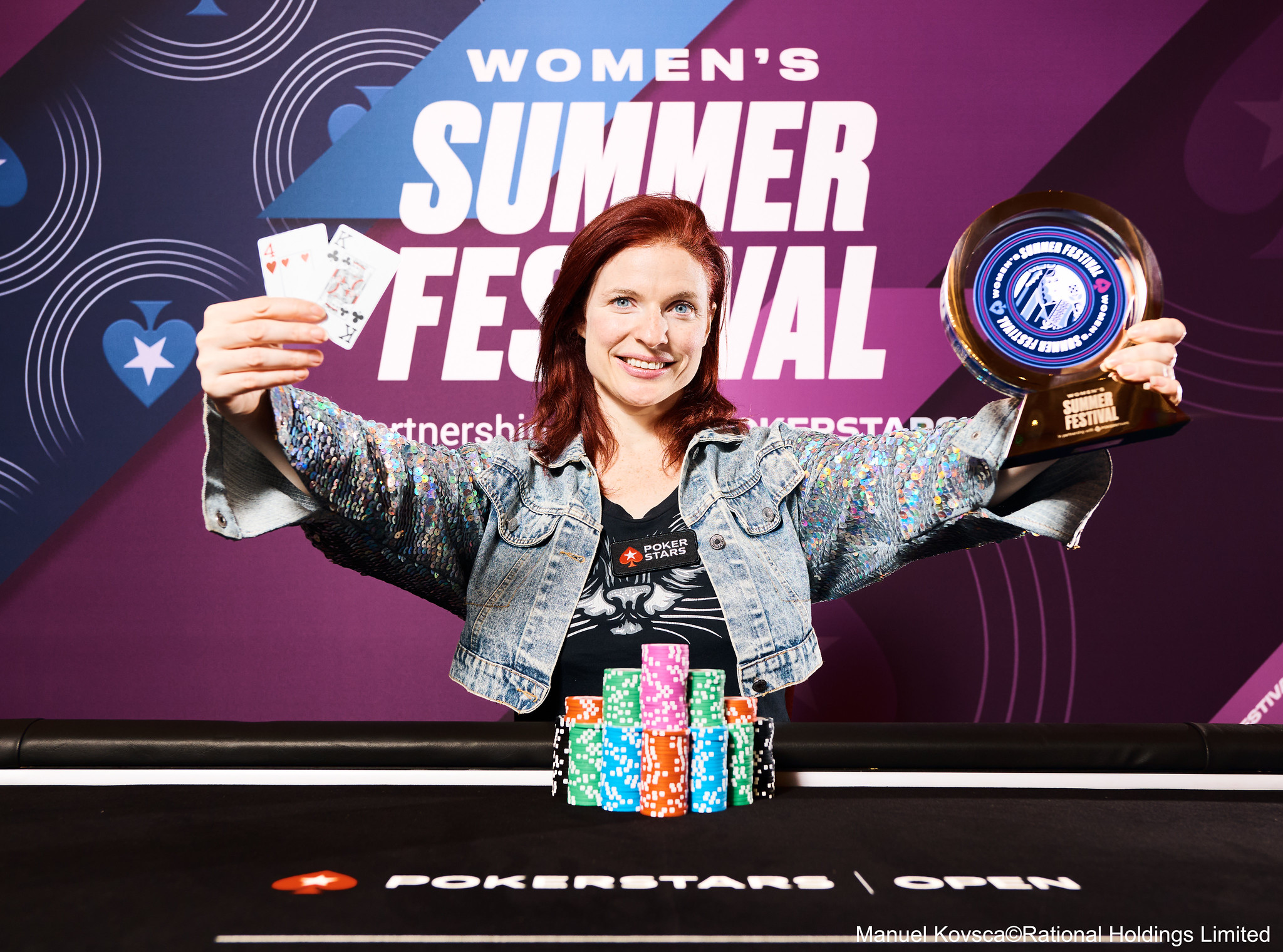
She had a similar experience from chess. In one game against her long-time rival Irina Krush, she immediately realized she’d made a major mistake. Instead of staying at the table and revealing the problem with her reaction, she simply stood up and left. Her opponent didn't find the correct continuation. Shahade won the game.
Women’s Tournaments as a Final Table Lab
A significant part of her poker career has been devoted to promoting women in the game. She collaborated on PokerStars Women and later on other projects and festivals. She offers an intriguing strategic argument for the significance of women's events in developing female players.
Smaller fields mean more final tables, more short-handed play, more heads-ups. And more experience dealing with pressure in situations one rarely encounters in a massive tournament. Shahade would, therefore, like to see a Women's Player of the Series and more support for women's achievements in open events.
The Biggest Risk of Her Life Had Nothing to Do with Bankroll
The most personal part of the conversation arrives toward the end. Shahade describes the moment she went public about being sexually assaulted by a prominent chess grandmaster. After speaking out, she was contacted by other women with similar experiences, leading to several years, including a legal battle. She calls it probably the biggest risk of her life.
It was here that chess and poker became more than just games. Both prepared her for the moment when you see a decision that you know is right, but also know its consequences are beyond your full control. Poker taught her to accept risk, while chess trained her all her life to find the right move.
Despite decades at the chessboard and poker tables, Shahade doesn’t seem like someone eager to stick to one solved format. After completing her book Thinking Sideways, she finally has more space to focus on her next goal—mixed games. She is particularly drawn to draw games and already has experience in Open Face Chinese, with past successes in both tournaments and cash games. It’s another beginning in a career that’s had several already.
More from Table One Podcast
Jonathan Tamayo: Candid talk on winning $10 million, the laptop gate, and whether poker is dying
Kenny Hallaert: The Main Event specialist who knows when to toss GTO aside
Allen "Chainsaw" Kessler: From poker weekends to 350 days a year in the casino
Jeff Gross – Poker, business, six-figure prop bets, and the new world of poker entrepreneurship
Matt Savage: The man who helped organize poker chaos from WSOP to WPT
Mike Matusow: Million-dollar falls, old-school charm, and the comeback of a player who never gave up
Justin Saliba: Moved to Vegas, aspired to win millions, and quickly realized he hated it
John Bornstein: Underground clubs, robberies, total collapse, and a poker miracle
Nikki Limo: From YouTube and stand-up to a $130,000 poker run
Joe McKeehen: He stopped looking at his cards and won the WSOP Main Event
Andrew Moreno: From $3 Sit & Go to High Roller champion
Yukon Brad Booth: Return to High Stakes Poker and the ultimate bluff against Phil Ivey
Landon Tice: When talent outpaces maturity and poker forces you to grow up
Jeremy Ausmus: From dusty games in Colorado to the top of the poker world
Cary Katz: Why high stakes attract extremely analytical personalities
Source: YouTube, Flickr/PSlive (Photo Credits Manuel Kovsca, X, ChessBase

