

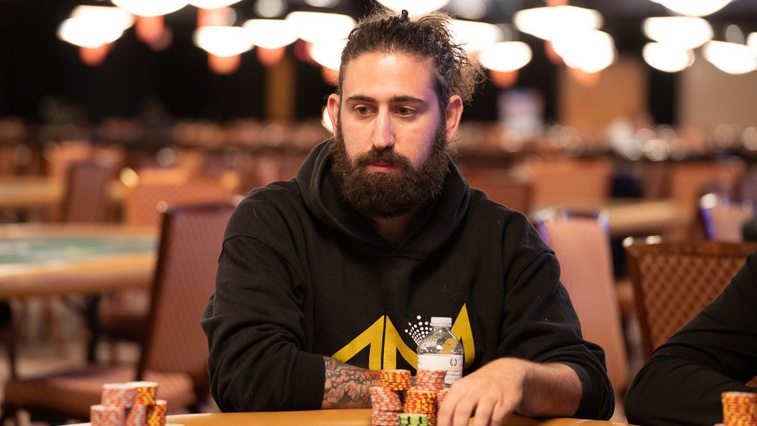
John Bornstein isn't your typical poker player with a straightforward journey from studies to a professional career. On the Table One podcast, he presented a narrative closer to a wild movie than a polished interview about tournament results. Growing up in New Jersey, school was more of an obstacle for him; he discovered poker very early and found himself in underground games even before adulthood. His journey includes getting expelled from schools, winning big online, late-night cash games, an armed robbery, and a moment when he lost every dollar he had.
From the very first minutes of the interview, it’s clear that Bornstein isn’t interested in presenting himself as a perfectly prepared professional with a spotless resume. Bornstein grew up in Teaneck, New Jersey, just a stone's throw from Manhattan. As a child, by his own admission, he wasn't a good student and switched high schools three times in four years. Poker was ever-present in his life – initially through family card games taught by his dad, later through Texas Hold’em and home games. His early school problems partly stemmed from his attempts to organize poker games where they definitely shouldn’t have taken place. An empty classroom was seen as an opportunity to start a game and take others' money, which spoke volumes about his future path.
From School to Underground Poker and First Wins
Bornstein's teenage story in the interview takes on an almost absurd tone. One tale involves a stolen van he ended up in with a group of friends, though he claims he wasn’t the one who stole it. A crash followed, then fleeing, returning to the vehicle, and eventually being turned in by a friend who left his documents inside. It was enough for the school to take firm action, and Bornstein found himself out of a system that never really suited him anyway.
But poker had already become a strong magnet. Bornstein got into small home tournaments and later into underground clubs in New Jersey, where cash games were played. Simultaneously, he was trying online poker, and the breakthrough came on Full Tilt Poker when, through a $0.25 satellite, he entered the Double Deuce tournament with a $22 buy-in. The tournament, featuring thousands of players, saw him win approximately $27,000. Suddenly, a teen was sitting at home with a sum on his account that felt like a ticket to a completely new life.
The Full Tilt Poker victory opened doors to a world that captivated him. He didn’t just see the money as a bankroll but also an entry into the underground scene, where he felt part of something big and forbidden. When one of the clubs needed money for a new spot after some issues, Bornstein offered help. He lent the money, wanting to learn to deal and at the same time secure a stake in the game. The new Jersey spot didn’t impress from the outside, but inside, it featured multiple tables, food, massages, and games that grew from $1/$2 up to $5/$10.
As an eighteen or nineteen-year-old, he earned sums far beyond everyday reality. In the interview, he mentions that between dealing and a stake in the club, he could make around $4,000 a night, several nights a week. He spent money quickly, often on friends, because he felt at that age that there would always be enough. However, underground poker wasn't just about atmosphere, adrenaline, and money. Bornstein quickly discovered that many people in this world couldn’t be trusted and that the line between a game and real danger could be very thin.
From Robbery to a Normal Life
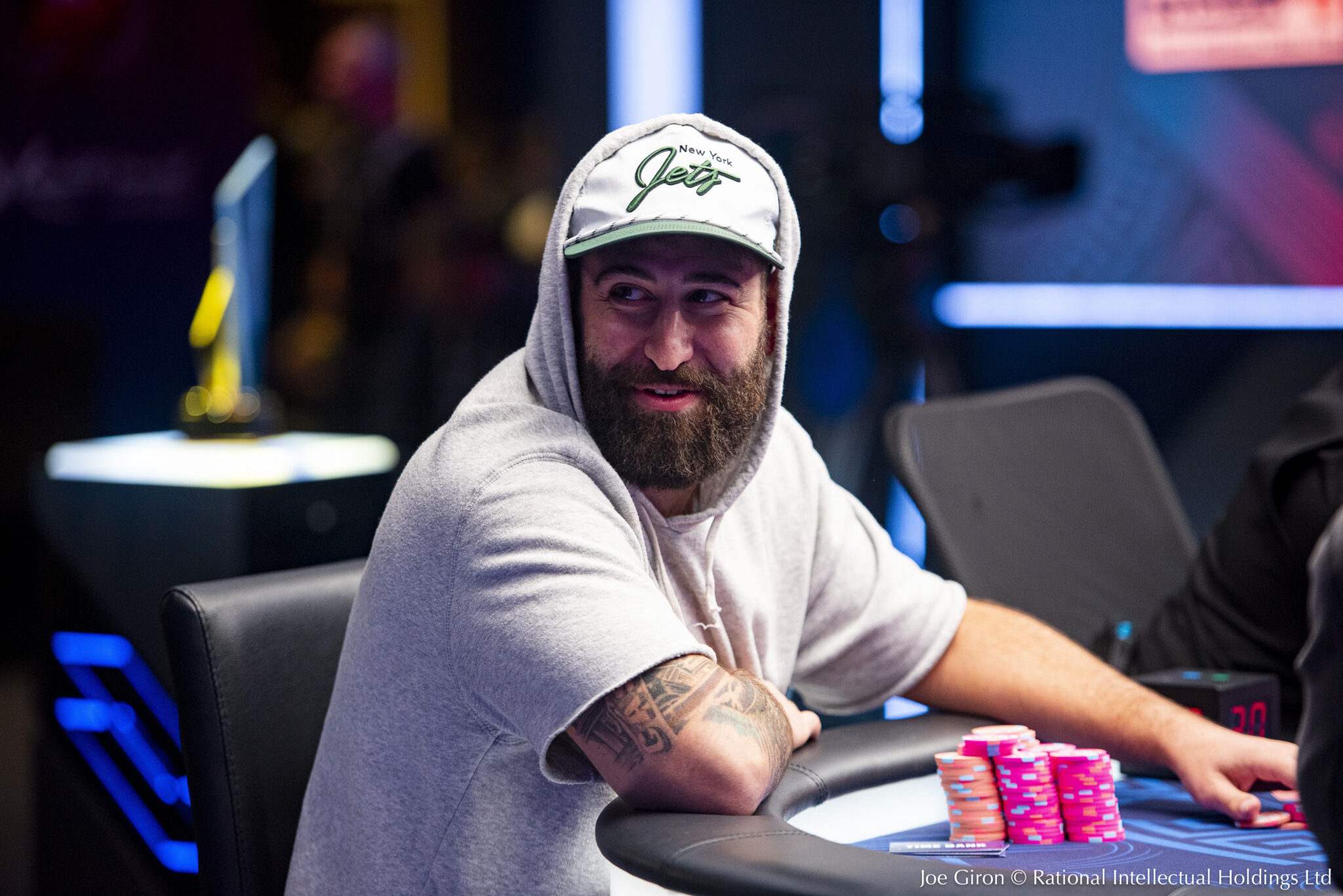
The darkest part of the interview comes with the description of an armed robbery during one of the games. Bornstein recalls how men with guns and stockings on their heads burst into the room, demanded players put their phones, money, and keys on the table, and forced everyone to the ground. At one point, his leg was shaking, and a man with a gun threatened to shoot it off if he didn’t stop. For a nineteen-year-old player, it wasn’t just a poker story for effect but a moment he genuinely thought might be his end. Even stranger was recognizing one of the attackers as someone he’d met in another poker environment.
Today, Bornstein recounts this scene with humor, but between the lines, it’s evident that this wasn’t just another wild night. He says that when he lay on the ground, he didn’t see his whole life flash before his eyes, as often described. Instead, he looked at someone under the table he disliked and wondered if that was the last face he'd see. The robbers left with the money, and phones, leaving the keys outside. According to Bornstein, the police didn’t get involved at the time. In underground poker, some things were simply resolved differently—or not at all.
After years in this environment, a moment came when Bornstein thought maybe he was wrong and poker wouldn’t be his path. He tried a regular job and got employed at an Amazon warehouse. This chapter, however, didn’t last long. After a trip to Atlantic City, he lost all his money and called work asking if they could advance him some of his next paycheck. The gambler's logic was simple – he’d come to work anyway, the company would keep his salary, and he’d get home. Amazon, however, said no.
When he returned to work, he was fired. Later, he found another job but was already grinding online poker full-time in New Jersey. He’d play until two or three in the morning and get up for work, which wasn’t sustainable long-term. Then he won a tournament in Atlantic City for about $40,000. The next day he didn’t go to work. In his mind, it was decided – he was a professional poker player.
Big Fields, Big Dreams, and Colossus
Bornstein's poker career didn’t begin in small elite tournaments. His natural environment was massive fields where he had to battle through hundreds if not thousands of players. In the interview, he explains that before the solver era, he felt strong in reading opponents and table talk. He engaged with people, finding out what they did, whether they had families, what jobs they had, and what kind of decisions they’d probably make at the table. He saw poker as a strategic duel between two people, not a search for the one right answer in software.
One of his biggest milestones was his deep run in the Colossus event, playing against a massive field of over 22,000 players. Bornstein made it to the final table and openly admits that he thought about the money intensely. He had a 100% share of himself, the buy-in was relatively low, and the first place meant a million dollars. He finished eighth, which was both a huge disappointment and his first six-figure result of his career.
Borgata, The Biggest Result, and a Shift in Poker Perspective
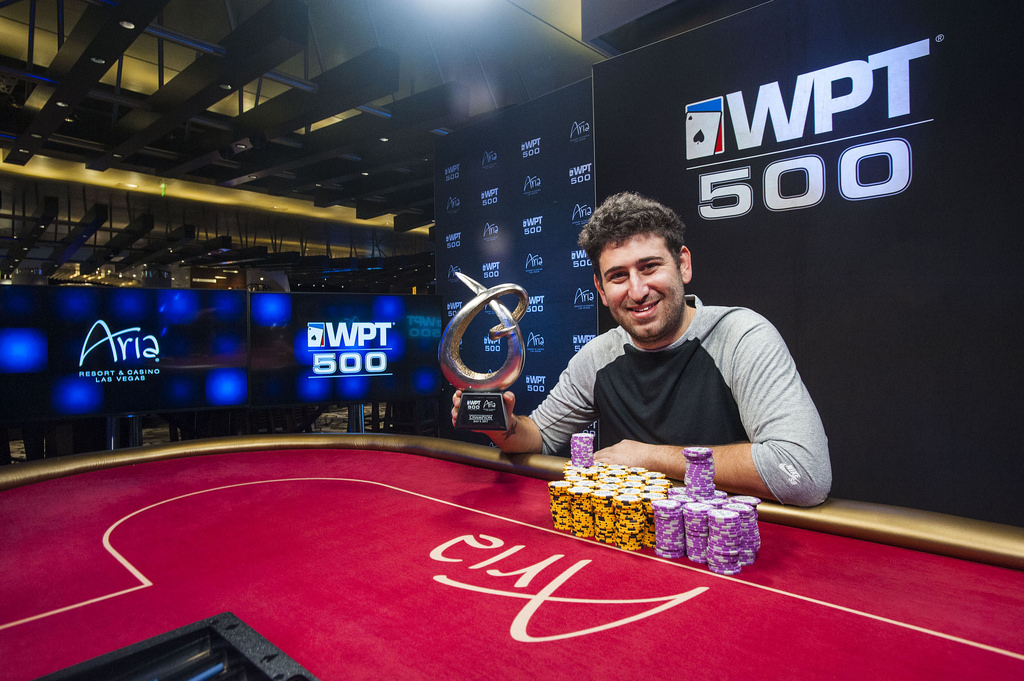
The biggest live result of Bornstein’s career came in a Borgata event with a $5,000 buy-in known as The Return. In the interview, he mentions not being in an ideal mental state leading into this tournament, and that’s why the close to $400,000 result meant a lot to him. He felt that final tables often ran below expectations for him and that he needed a big hit to break this pattern. The tournament brought him that hit. It was one of those moments that remind a player that a significant result can come even after years of frustration.
Yet, Bornstein openly admits his relationship with no-limit tournaments has changed. Today’s poker doesn’t bring him the same joy it once did, mainly because of the solver era and the feeling that the game has shifted more towards seeking correct answers than battling personalities. He still loves poker but is more drawn to PLO, mixed games, and cash games. He doesn't claim tournaments are bad for everyone, but that they no longer offer him the same drive. Poker became less romantic and more of a technical world, not exactly what he once fell in love with.
Lost Every Dollar and Came Back the Next Day with $85,000
The strongest story of the entire episode comes towards the end. Bornstein recalls a night in Florida when he had his entire bankroll, about $50,000, with him. He was in Hard Rock, drinking, playing high-limit table games, and after a big swing, lost everything. Friends tried to pull him away from the table, but he stayed. In one crucial game, according to him, everything was on the table, and the dealer drew a card that took away his entire bankroll. “I couldn’t breathe,” he describes the moment when he lost every dollar he had.
The next day, a friend woke him up for day 2 of a $360 buy-in tournament. Bornstein was angry, hungover from the previous night, broke, and didn’t want to go anywhere. Eventually, he got up, sat in the tournament, and in the first orbits reportedly tried to bust out. Instead of busting, he doubled up and realized this might be his way back. He finished third in the tournament and thanks to a deal, took home around $85,000. Less than 24 hours after losing everything, he was back in the game.
Bornstein’s story works because it doesn’t try to sell poker as a clean tale of discipline, planning, and professional growth. It’s also a story of bad decisions, night games, dangerous people, wasted money, and situations that could have ended far worse. Yet, it’s also the story of a person whom poker pulled out exactly when everything seemed lost. Bornstein isn’t a polished hero of a poker fairy tale. He’s more of a player who has navigated through chaos, risk, and his mistakes, yet still found his way to big success.
More from Table One Podcast
Nikki Limo: From YouTube and Stand-up to a $130,000 Poker Run
Joe McKeehen: Stopped Looking at His Cards and Won the WSOP Main Event
Andrew Moreno: From $3 Sit & Go to High Roller Champion
Yukon Brad Booth: Return to High Stakes Poker and the Ultimate Bluff Against Phil Ivey
Landon Tice: When Talent Outpaces Maturity and Poker Forces You to Grow Up
Jeremy Ausmus: From Dusty Poker Games in Colorado to the Pinnacle of World Poker
Cary Katz: Why High Stakes Attracts Extremely Analytical Personalities
Sources: YouTube, PokerNews, SeminoleHardRock, Photo by Joe Giron, Danny Kim

