

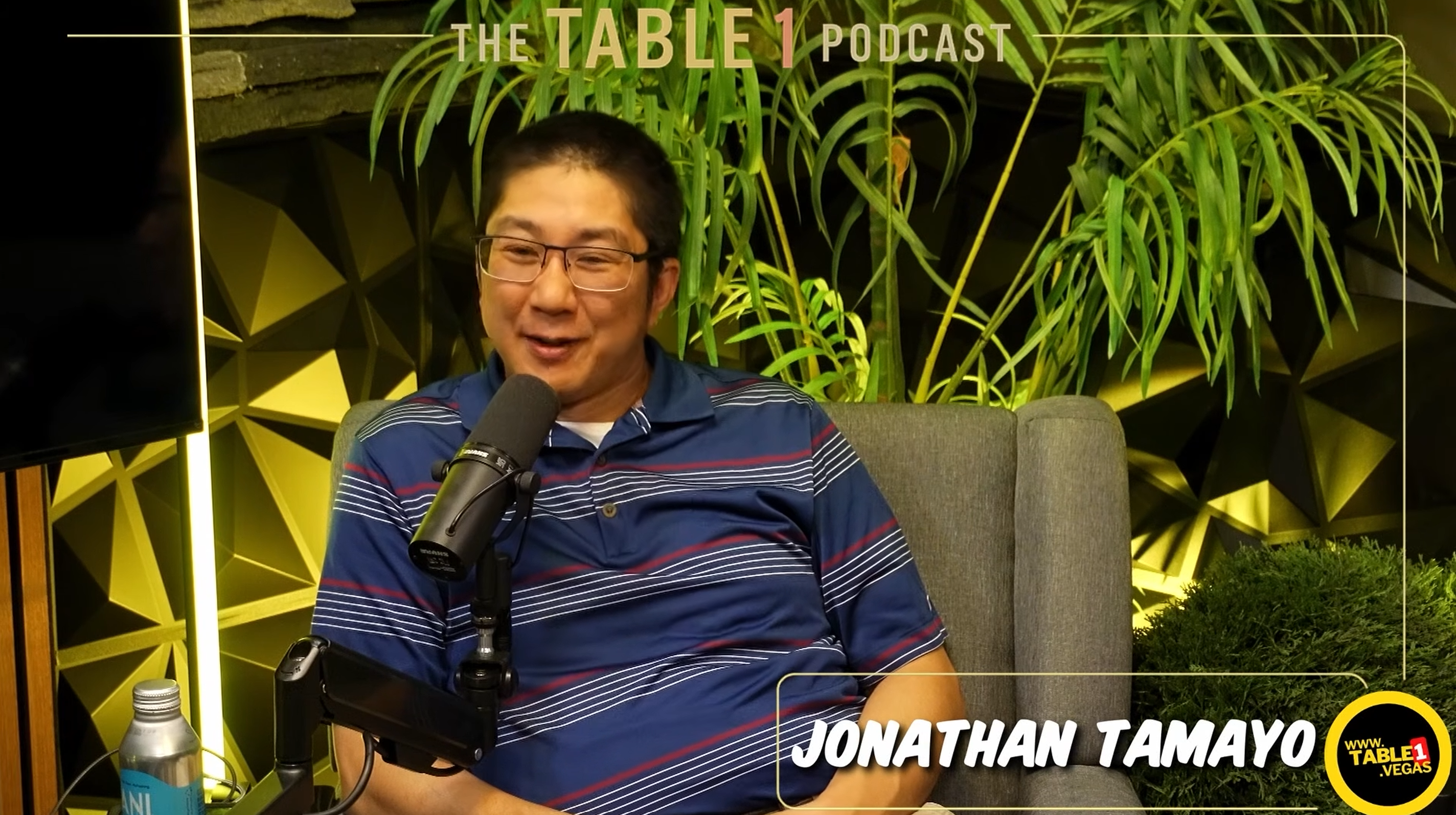
From Mahjong in Houston to First Home Games
Tamayo grew up in Humble near Houston as the eldest of three siblings. Games were a family tradition, especially playing mahjong with his grandparents. In the podcast, he fondly recalls 'crushing' home games as a child. Games, patterns, memory, and competitiveness were part of his world long before poker entered the scene. With a father in research and a mother at NASA, Tamayo describes himself as a good but lazy student.
He discovered poker in 2003, coinciding with the Moneymaker effect turning American living rooms into small poker rooms. His golf team buddies started playing home games with an unusual structure: no blinds, just an increasing ante until someone left or busted. Tamayo admits he didn't know what he was doing initially but started experimenting and found a simple strategy: bet the flop, turn, and river against opponents who didn't yet know how to defend. This marked the beginning of his first bankroll from a recreational pastime.
Cornell and a Unique Jackpot
Tamayo later attended Cornell, specifically the hotel school, describing the decision as a blend of chance, the admissions process, and a shift toward business. Moving from Texas to Ithaca wasn't just an academic transition but a cultural and climatic shock. Snow was charming for a day, he says, but soon complicated everyday life and car journeys. Importantly, Turning Stone was nearby, where poker increasingly became a serious part of his life.
Alongside live poker, Tamayo played online, where he hit a bad beat jackpot. He recounts one of his worst-played hands with aces: a limp under the gun led to quads on the flop, while his opponent hit a straight flush on the river. Suddenly, instead of a typical pot, a pop-up announced a jackpot share of around $45,000.
WSOP 2008 and Meeting McKeehen
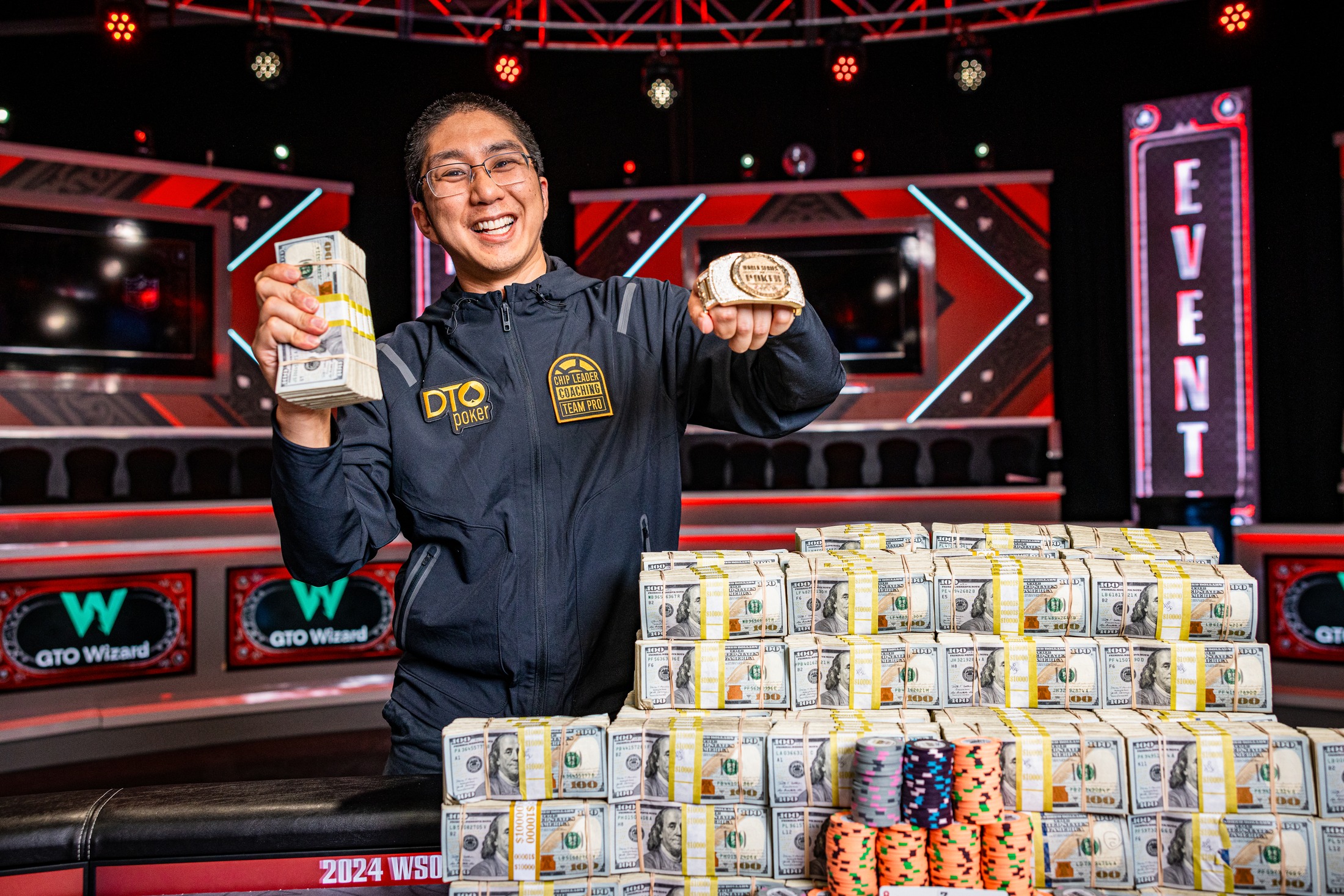
After Cornell came 2008 and the reality of a recession-hit job market. Tamayo had a job offer involving extensive travel, modest pay, and an uncertain future. Instead, he decided to try WSOP and see where poker would lead. A summer in Las Vegas quickly became pivotal. He finished second in a $1,500 WSOP event, proving poker could be more than a temporary alternative to a conventional career. During this time, he also played sit and go, limit hold'em, and cash games, which then had a very different dynamic than today's more sterile environment.
Tamayo became a regular at WSOP, culminating in an iconic Main Event story in 2015 when he supported Joe McKeehen from the rail. McKeehen had a massive chiplead, but intense strategizing happened behind the scenes. Tamayo recalls laptops, hand recording, the technological limits of Rio, and a delayed stream still providing near-instant information on played spots. Calvin Anderson handled strategy, Tamayo managed logistics and data, and McKeehen checked insights between hands.
It's not just historical nostalgia. It's a demonstration that teamwork at the Main Event final table isn't new, it's just more visible now. In 2015, technology was less obtrusive, cameras less unforgiving, and public debate less rapid. Nine years later, Tamayo found himself on the opposite side - no longer helping a winner but as a player receiving help. And the internet was ready to scrutinize every move, every laptop, every break, and every return from the rail.
Main Event 2024 and the Hand That Sparked Debate
Tamayo didn't enter the 2024 WSOP Main Event as a player dictating the tournament from the first minute. He even explains that for years he's not been one to show up early, as the Main Event is deep, long, and energy during the WSOP summer is a limited resource. He did register for day one, but later ran into a chip count mix-up when his bag got lost in the organizational chaos. Day two was excellent, but during day four, a critical spot occurred when he shoved AQ with less than 15 blinds, faced a rejam, and another player folded ace-king - the board brought an ace, and he survived the hand, which his friend Steve deemed the turning point each future Main Event winner experiences.
From there, he experienced a string of days with great starts, favorable spots, and steady survival. Tables dwindled, and Tamayo found himself among the final ten - where the story that later was discussed more than the victory itself began: the folded queens.
To the average viewer, it seemed incomprehensible, yet for Tamayo and his team, the spot arose amid extreme ICM pressure, short stacks, significant pay jumps, and the assumption that the largest stacks would overrealize top placements. Tamayo explains the factors considered at the time. Later analyses showed that the queens were profitable, but not as drastically as many thought in the moment. Tamayo emphasizes that when dealing with equity in million-dollar scenarios, one shouldn't take marginal spots simply because they look strong on TV.
Laptop Gate: Scandal or Just New Reality?
The biggest public uproar stemmed from the so-called laptop gate. Dominik, Joe, and others on Tamayo's rail worked with information, communicated via Discord, watched streams, adjusted strategies, and provided him with quickly processed recommendations during breaks. According to Tamayo, it wasn't a spectacle or provocation but about efficiency. If a player trusts his team in the biggest tournament in the world, he wants the best information as quickly as possible.
Interestingly, Tamayo doesn't pretend he managed everything solo. Quite the opposite. He speaks about Dominik Nitsche and Joe McKeehen as people he trusted more than himself in certain areas. "They're smarter than I am, he's better than I am. I was there to execute," is one of the conversation's standout quotes.
Paradoxically, amid all the laptop talk, perhaps the purest poker moment arrives in the heads-up. Tamayo describes how, after one big hand, he began reading his opponent, noting significant behavioral differences. When the opponent had a strong hand, he looked at a specific spot, held his breath, and his face changed. When lacking strength, his eyes behaved differently, breathing more naturally, and his overall demeanor shifted. Tamayo says it might not have been visible on camera as the shot didn't capture all details, but it was readable for him at the table. This is why some calls weren't just theoretical decisions. He waited 30 to 35 seconds, not because he didn't know what he wanted to do, but because he needed the physical tells to arise.
Money That Must Work
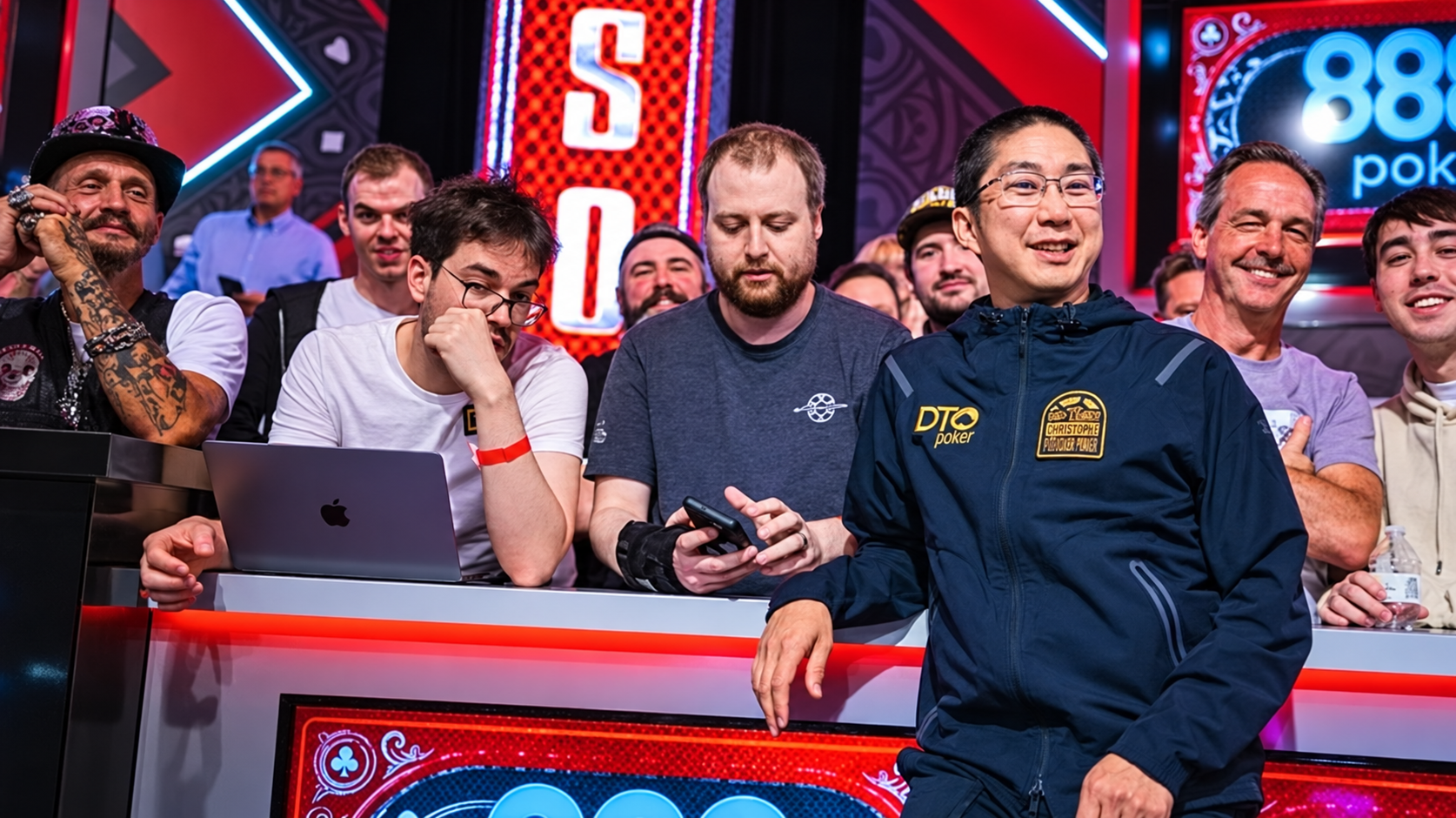
After winning $10 million, you'd expect the conversation to drift toward grand plans, high rollers, and luxury. Tamayo takes a different route. He says he's put the money away to let it work. At 40, he's not pretending one victory means endless bankroll for everything.
Therefore, he doesn't want to jump blindly into $25K events or endure a 70-hour grind that wouldn't really improve his quality of life. Tamayo talks about staying in his lane, playing what's sensible, and not pushing into games because one result changed his Hendon Mob. It's a healthy contrast to stories of players who quickly jump into higher buy-ins after a big win, only to find that the path from one million to five is much harder than from zero to the first significant bankroll.
Is Poker Dying, or Is Its Economy Changing?
Finally, Tamayo is asked if he believes poker is dying. He doesn't answer with sensationalism but instead names risks many players feel. Rake is rising, expenses are increasing, buy-ins in many segments are stagnant or moving lower, and the player pool is aging. Re-entries, he suggests, often mask the issue because total entries may look good, but the number of unique players may be fewer. Moreover, the Main Event often reacts belatedly to broader market conditions, so even its numbers may not immediately reflect what's happening beneath the surface.
Tamayo fears that if poker loses the perception of long-term profitability, it might edge closer to the fate of horse racing. Major events will remain, tight-knit communities will survive, but the wider energy and influx of new players could wane. He believes poker is still alive but at a crossroads. The question isn't just who will win the next Main Event, but who will even be in the field in ten years.
More from Table One Podcast
Kenny Hallaert: The Main Event Specialist Who Knows When to Toss GTO Aside
Allen "Chainsaw" Kessler: From Poker Weekends to 350 Days a Year in the Casino
Jeff Gross – Poker, Business, Six-Figure Prop Bets, and the New World of Poker Entrepreneurship
Matt Savage: The Man Who Helped Organize Poker Chaos from WSOP to WPT
Mike Matusow: Million-Dollar Falls, Old School Charm, and the Comeback of a Player Who Never Gave Up
Justin Saliba: Moved to Vegas, Aspired to Win Millions, and Quickly Realized He Hated It
John Bornstein: Underground Clubs, Robberies, Total Collapse, and a Poker Miracle
Nikki Limo: From YouTube and Stand-Up to a $130,000 Poker Run
Joe McKeehen: He Stopped Looking at His Cards and Won the WSOP Main Event
Andrew Moreno: From $3 Sit & Go to High Roller Champion
Yukon Brad Booth: Return to High Stakes Poker and the Ultimate Bluff Against Phil Ivey
Landon Tice: When Talent Outpaces Maturity and Poker Forces You to Grow Up
Jeremy Ausmus: From Dusty Poker Games in Colorado to the Pinnacle of World Poker
Cary Katz: Why High Stakes Attracts Extremely Analytical Personalities
Sources – YouTube, WSOP, Poker.org, GipsyTeam
