

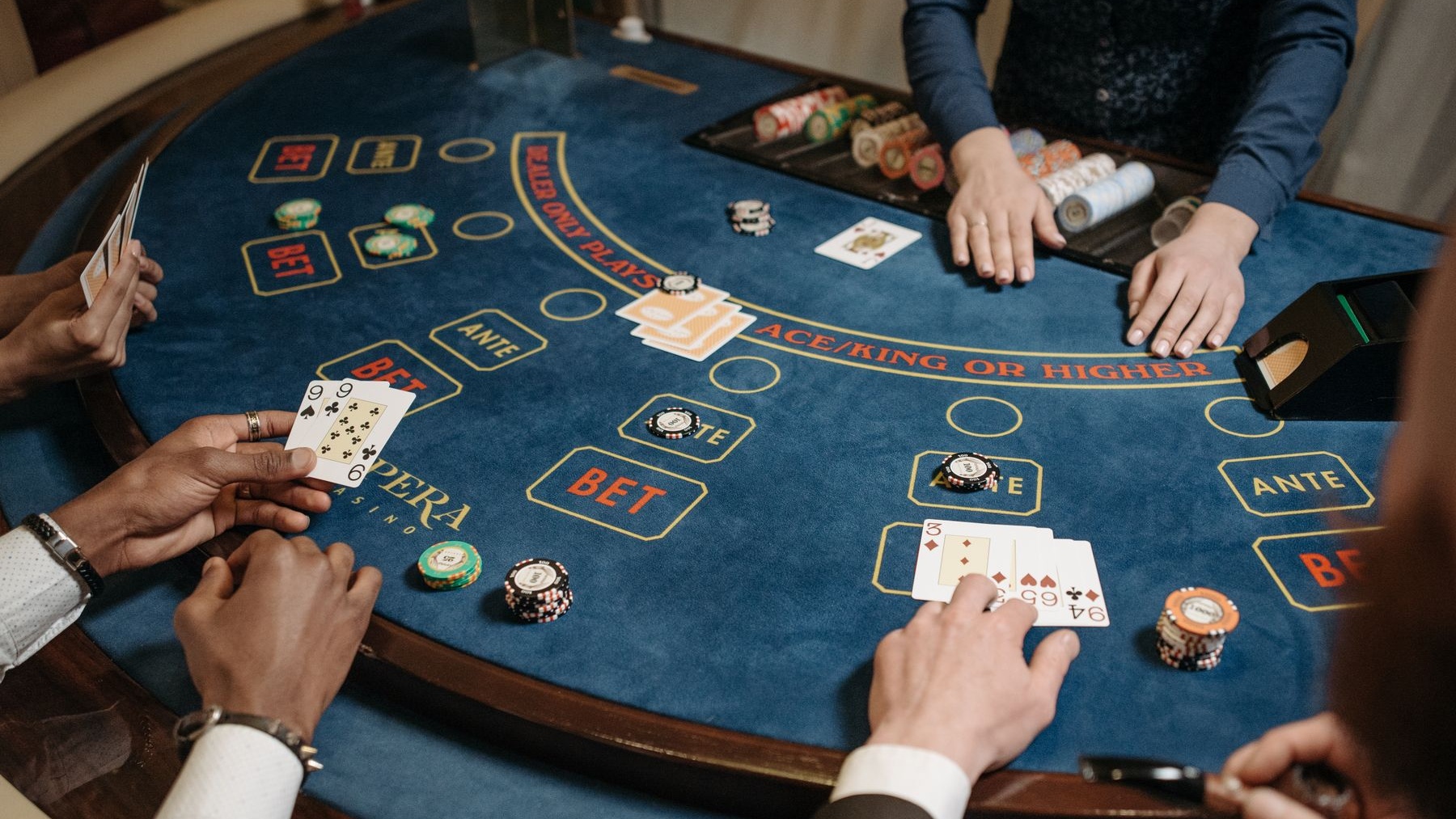
The player stops judging progress by a lucky river card and starts judging choices. GTO Gecko said its 2026 database covered 673,118 solver-graded decisions from 317 players, giving practice a record that memory alone cannot keep.
The 1000-hand experiment gives a new player a small structure with a clear purpose. Play the hands. Write down choices. Then compare the early record with the late record. A PLOS One study available through PubMed Central found that skill begins to dominate chance when researchers measure performance across about 1,500 hands. One thousand hands still leaves room for variance, but it gives enough evidence to show habits taking shape.
Volume Alone Won't Create Learning
Free poker gives a beginner a place to practise without turning every mistake into a financial lesson. The value comes from attention rather than volume alone. A player who clicks through 1000 hands may learn little. Another player who records awkward folds and loose calls may spot patterns by the second evening. Practice works when the hand produces a record.
Free poker games can also help a beginner understand the difference between casual play and paid risk. The free poker game Replay Poker appears on Casino.org through a browser-based page that describes free chips and no download. That setup gives a learner room to test table flow before money enters the decision. A practice account should still get serious treatment. Notes should track why a choice happened and whether the same problem returns later.
Create An Error Diary Before Playing
Before the first hand, build a short error diary. Use one line for each difficult decision. Mark excessive calling and predictable folding. Add ignored position and uncertain postflop choices. Position means your order to act in a hand. Acting later gives you more information, which beginners often undervalue during early play.
The diary needs simple language because complicated notes rarely survive 1000 hands. Write the situation in one sentence. Then write the reason for the action. A note such as “called because the pot looked large” tells you more than the result. The result may flatter a bad call or punish a sound fold. The reason gives the review material.
Compare Early And Late Decisions
GTO Gecko found that players made 27% fewer mistakes by their 25th training session. It also reported a 28% drop in expected-value loss per decision within 1000 trained hands. Expected value means the long-run worth of a decision. In poker terms, a sound choice can still lose one hand while gaining value over repeated spots.
Michael Addamo offers a high-end reminder that poker rewards repeated review more than a dramatic hand story. Card Player lists his recorded tournament earnings above $29 million. A beginner should draw a modest lesson from that level. Elite results grow from decisions that hold up across many situations. The experiment asks for the same habit at a smaller stake.
Test The Gap Between Words And Actions
Knowing a concept and using it under pressure create different tests. The 2026 PokerSkill paper gives a technology example of that gap. Its authors wrote that large language models hold extensive poker knowledge but perform far below solver-based agents when asked to play directly. Their framework used expert-built rule skills to ground actions. A learner can borrow the same idea by checking whether each explanation matches the action taken.
Manuel Ferrari’s career earnings also show why review should focus on decisions rather than a single outcome. This is a player who's made more than $500,000 during his time at the table. However, tournament records compress many choices into one line. Study expands them again. A beginner should ask whether the logged explanation would still sound sensible if the card result changed.
Judge Strategic Leaks Without Chip Bias
MIT News described a 2026 benchmark for imperfect-information games and explained exploitability through poker. Exploitability measures how well an opponent could perform if they knew your strategy. A zero score would imply perfect play in that framework. A high score points to patterns an opponent could attack.
That idea helps a beginner review hands without giving chip count too much authority. Over-folding lets opponents steal too many pots. Excessive calling pays them when their strong hands arrive. Chip results can hide both leaks across a short sample. The diary should ask whether opponents could predict the action. If the answer keeps returning yes, the leak deserves the next study block.
Build Feedback Into The Routine
Break the experiment into five blocks of 200 hands. After each block, pick one leak for the next round. A player may choose position awareness after the first review. Later, the focus may move to river calls or small blind defense. The point stays practical. One chosen leak gives the next session a task, while a long improvement list tends to vanish during play.
A final review should compare hand blocks rather than one standout pot. Count the same categories you used at the start. Then note where the reasons improved. The player may still lose chips during the final block. That result does not erase better logic. A beginner who finishes 1000 hands with clearer decisions has gained the part of poker that survives beyond one session.

