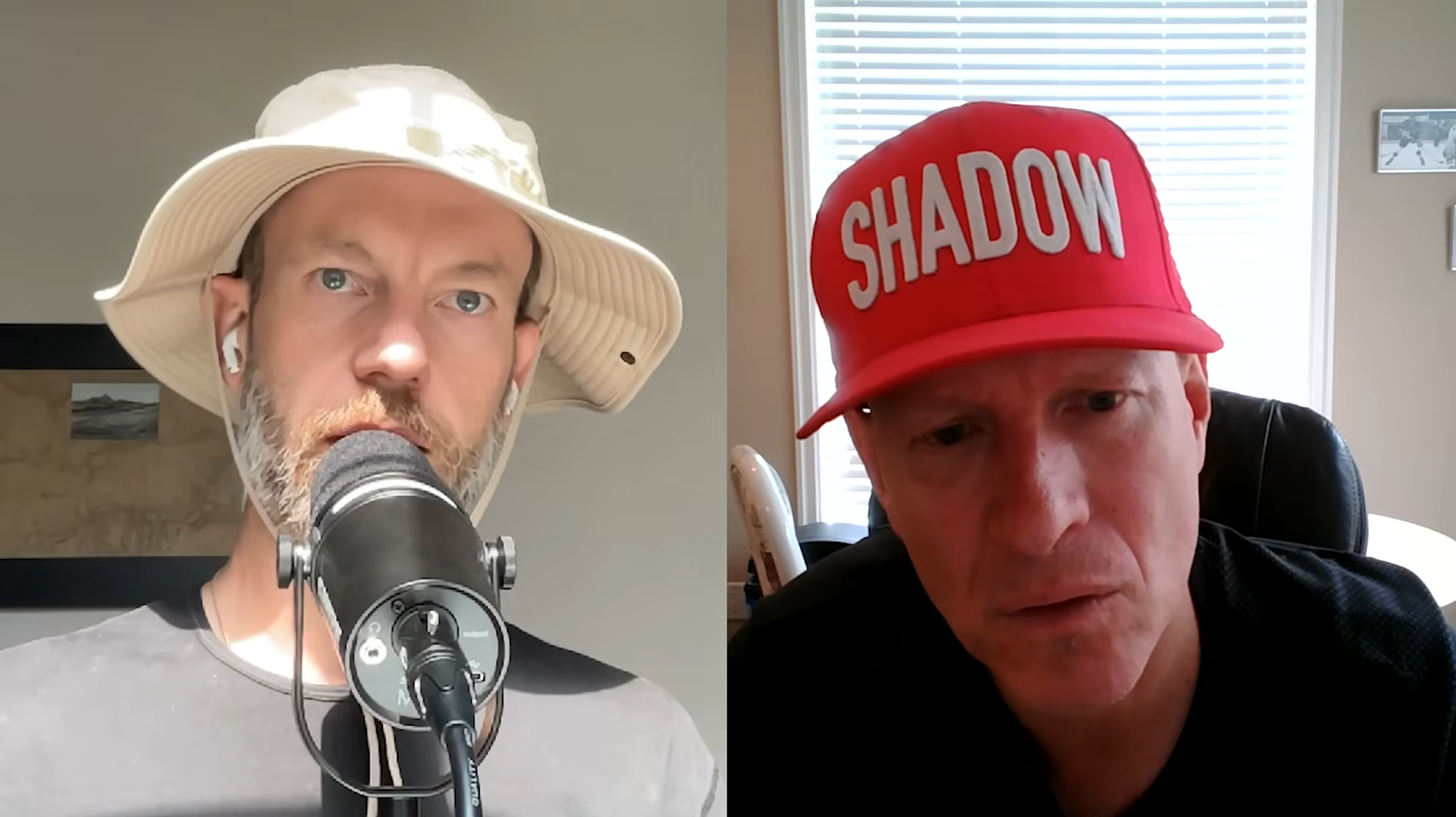
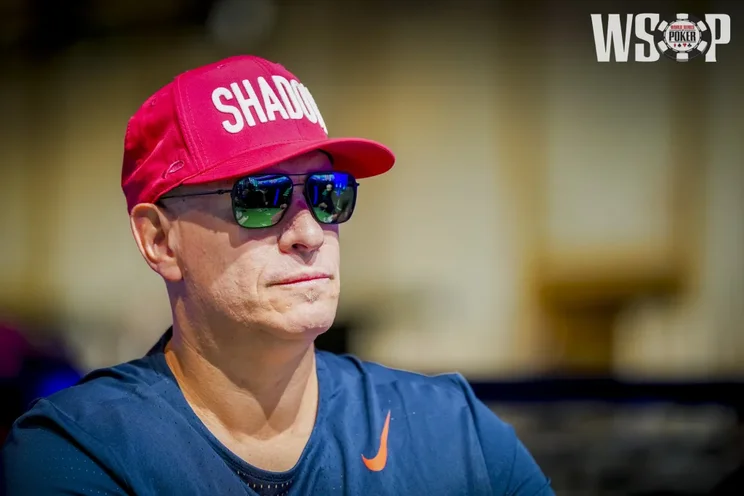
Greg “FBT” Mueller has nothing left to prove in poker. The former professional hockey player has transitioned from low stakes limit cash games to winning WSOP titles and belongs to a generation that forged their edge long before solvers, GTO wizards, and eight-hour study sessions came into play. However, success has its flip side. Over the years, Mueller began losing his zeal for the grind, spending less time at the poker tables. Just before the Main Event, a close friend gave him some harsh but honest feedback: he no longer seemed like someone eager to fight. A few days later, everything changed. Mueller navigated through a massive field to make it to the final table of the WSOP Main Event.
Mueller admits the issue wasn’t that he didn’t want to play the Main Event—he plays it regularly. Over time, however, he lost something that used to be second nature—the desire to sit at the table and battle for every pot. Poker had no longer been the centerpiece of his life, and during some tournaments, he found himself just mechanically moving from one day to the next.
According to Mueller, the Main Event is peculiar in that every player starts with dreams of winning, yet simultaneously understands that sooner or later, they might get knocked out. The final table feels almost unreal given the vast field—until the player count starts dropping from hundreds to dozens.
After the first day, Mueller had about 100,000 from a starting stack of 60,000, and following the next day, around 175,000. No overwhelming dominance, just steady progress through the tournament. But when it got down to 21 players, things began to shift. Mueller was 19th in chips and perceived his twenty-blind stack as being short, but those around him kept reminding him that twenty blinds among the final 21 in the Main Event is a completely different ball game than twenty blinds in a regular tournament. Suddenly, there were no longer 21 players, but 12. Then nine.
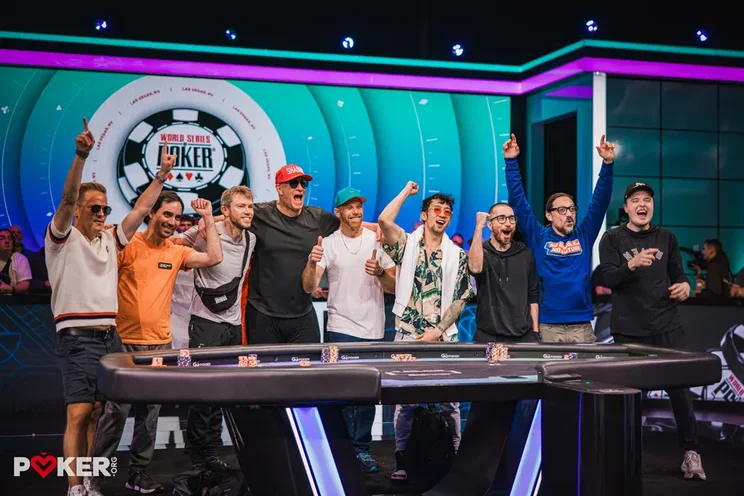
The Recipe for the Main Event? Play Well, Get Lucky, and Avoid Bad Luck
Mueller doesn’t pretend that his deep run was solely due to experience. By the eighth day, he had only been all-in for his tournament life once—holding kings against ace-queen. But then came a day when stacks dwindled, preflop decisions carried much more weight, and he found himself in several spots that simply had to go his way.
He ended up on the right side of coolers and won crucial flips. For the Main Event, he believes it's not enough just to play well. “You have to play really well, you have to get lucky, and you can't be unlucky.” A single card can erase eight days of flawless play, no matter how well you’ve handled the tournament up to that point.
Two Bracelets in a Week. Yet This Run Means More
Mueller is no stranger to what a heater feels like. In 2007, he finished second in a WSOP event, earning around $350,000. His father couldn’t understand why he wasn’t elated about the huge win, but Mueller could only see one thing at the time—he finished second, and the bracelet had slipped away again.
Two years later, there was no such debate. Mueller finally clinched his first WSOP bracelet and soon after added a second. Two titles in a single week created one of those rare poker moments when everything seems to go a player's way, and confidence grows with every hand.
Despite this, he now says that reaching the final nine in the Main Event resonates even more deeply. Although two bracelets in one week remain a career highlight, he believes making it through thousands of players to the table where the Main Event champion is decided carries an entirely different weight.
“Sometimes I feel like I'm sitting at a table with eight robots”
Mueller is a product of an entirely different poker era. When he started, today's study tools didn't exist, and gaining an edge required hours at the tables. His game was built on reads, image, bet sizing, and understanding what his opponents thought of him—and then using that perception against them.
However, modern poker operates differently. Mueller knows players who study for eight hours a day, work with solvers, and show up to their first big live tournament technically more prepared than a veteran with thousands of hours at the table. “Sometimes I feel like I'm sitting at a table with eight robots,” he describes the current reality.
Mueller openly shares about the time when poker seemed to be slipping away from him. About three years ago, he spent a summer in Vegas and couldn't win anything. Tournaments didn't work. Cash games didn't work. Mixed games didn't work. He tried another form of gambling, and the result was the same. Gradually, he took more days off, sat by the pool, and began to ask himself a question no professional wants to ask: has the game simply passed me by?
Adam Friedman once reminded him of the brutal reality of variance. Two months of intense WSOP summer might feel like a year of losing, but in poker, they still might not mean anything remarkable. A downswing can easily continue into the next summer. And maybe even the one after that. Mueller drew one of the most important lessons of his career from this. If a player can manage their bankroll and poker isn't their only source of life's validation, tough times become much easier to handle.
Poker Life Looks Completely Different Today
For most of the year, Mueller hardly plays poker. He can go ten and a half months without playing a single hand, instead spending his time golfing and playing hockey, exercising, attending sports events, and being with family and friends. He returns to Vegas mainly for the WSOP or a few events that still excite him with their atmosphere.
This life balance is also why the long Vegas grind became so challenging for him. When he doesn’t have an alarm at home, he can go play golf at lunch, catch hockey in the evening, and plan the next day completely differently. But spending six weeks in a casino with little sleep starts to feel even more intense.
The biggest paradox of the whole interview is clear. Mueller came to the WSOP unsure of how many more years he wanted to spend grinding poker. However, the Main Event forced him back into the mindset of a professional athlete. After making it to the final table, he flew home, began training regularly, adjusted his diet, and focused on quality sleep. According to him, his hockey past allows him to “flip the switch” at the right moment and go all out for several weeks.
The player who, shortly before the Main Event, was losing his desire to compete, suddenly thinks about poker as a contest he wants to win. After decades on the scene, Greg Mueller found something that can’t be recorded in the Hendon Mob – a reason to still care about the next hand.
More from Face the Ace
Chino Rheem: Addiction, Debts, Fatherhood, and a Life Where Everything Was at Stake
Lucas Jumalon: Considered a Regular Job, Then Won $10 Million
Josh Arieh: Gambling, Fame, Inner Chaos, and a Return That Came After a Life Change
Sources – YouTube, Poker.org, WSOP, SoMuchPoker, Instagram