

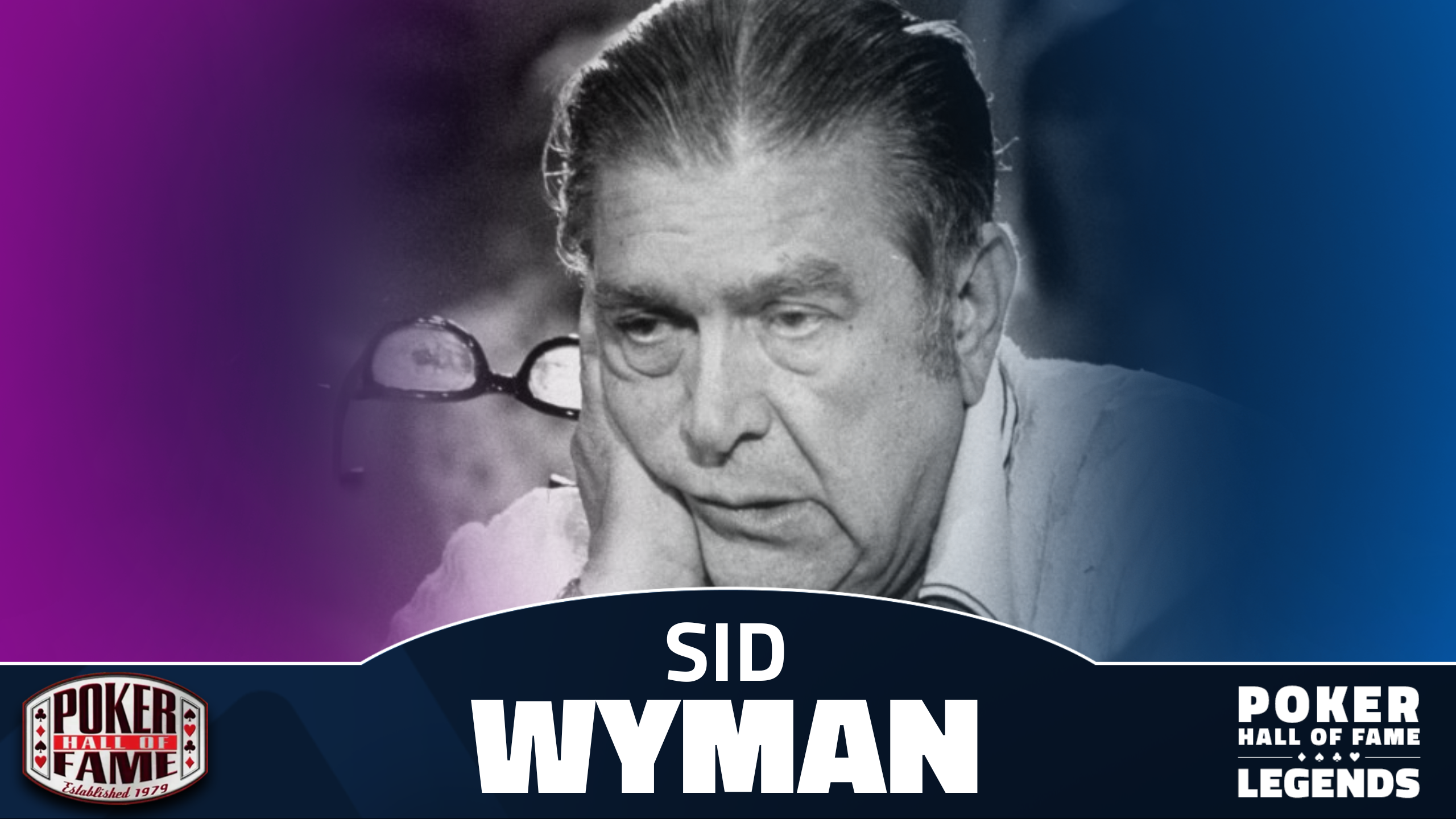
The Man Who Conquered the Desert
Sidney "Sid" Wyman was born on June 1, 1910, in St. Louis, Missouri. As a teenager, he delved into the world of betting and gradually became one of the city's biggest bookmakers. His operations were sophisticated: he rented an entire floor in a building just outside the city, where bets were placed nationwide via Western Union. Employees of the telegraph company received 25 percent of the winnings and other perks—a classic Wyman trick to maintain loyalty.
His activities in St. Louis ended in 1948 when the police targeted his illegal network. Due to his business dealings, the prosecutor labeled him as the “Kingpin” of a gambling racket. He even testified before a special congressional committee investigating organized crime, but thanks to his connections, he was never charged. Wyman then moved to Las Vegas, bringing him closer to the world of gambling.
In "Sin City," Sid Wyman quickly became a key figure in the burgeoning gaming industry on the Strip. He started managing gaming operations at several iconic resorts, including Royal Nevada, Riviera, and Sands, working alongside influential partners connected to organized crime, which was common in Las Vegas at the time. His most significant role came at The Dunes, where he served as co-owner and head of gaming operations from 1961 and as a consultant from 1971 after selling his stake. Under his leadership, Dunes became the Strip's most successful casino in the 1960s, thanks to a strategy of attracting high rollers, seating them with legends like Puggy Pearson and Johnny Moss.
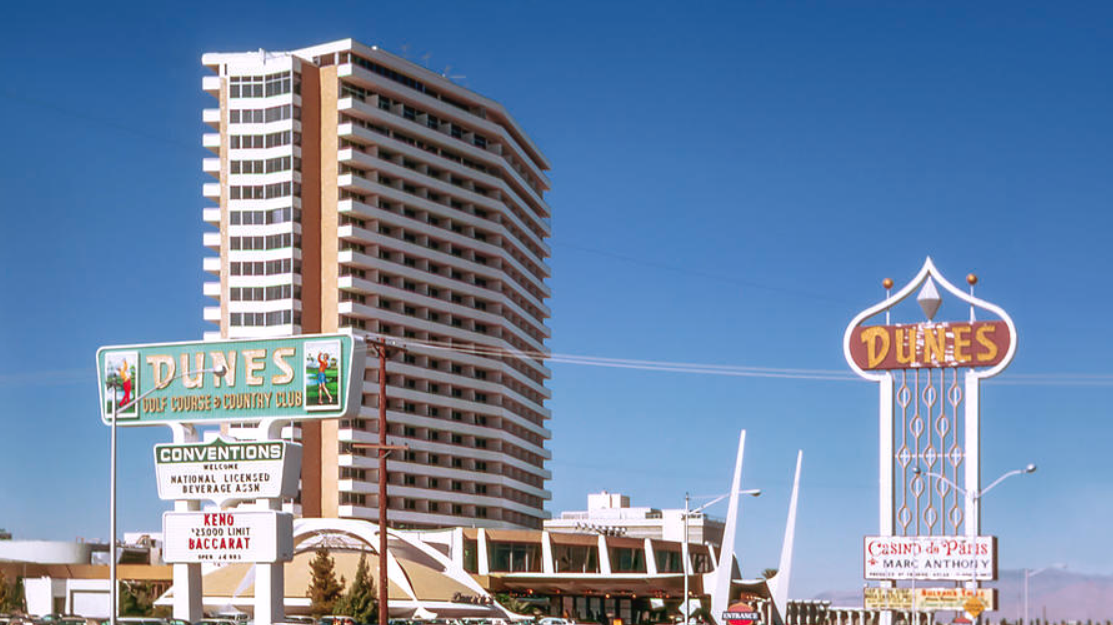
His presence in managing and co-owning such giants shows the trust the poker community and investors placed in him. He was part of an era when the line between legal and illegal gambling was still very thin, requiring operators to have not only financial acumen but undeniable authority.
Life in Vegas for Wyman was synonymous with extravagance — he loved daily action, fried bananas, cabaret women, and parties, such as the one for his 60th birthday in 1970, where he jokingly said he was actually 240 years old because "his year counts as four regular ones." He never married but had a longtime girlfriend, former Miss USA Loretta Powell. Las Vegas was a place where Sid could be himself and become one of the city's biggest personalities.
Why is Wyman So Important to Poker?
Sid Wyman was a catalyst who connected the game with business. But he wasn't just a businessman; he was also an active player, and his passion for high-stakes led the Nevada Gaming Commission to create a rule prohibiting casino owners from playing in their own establishments to avoid conflicts of interest.
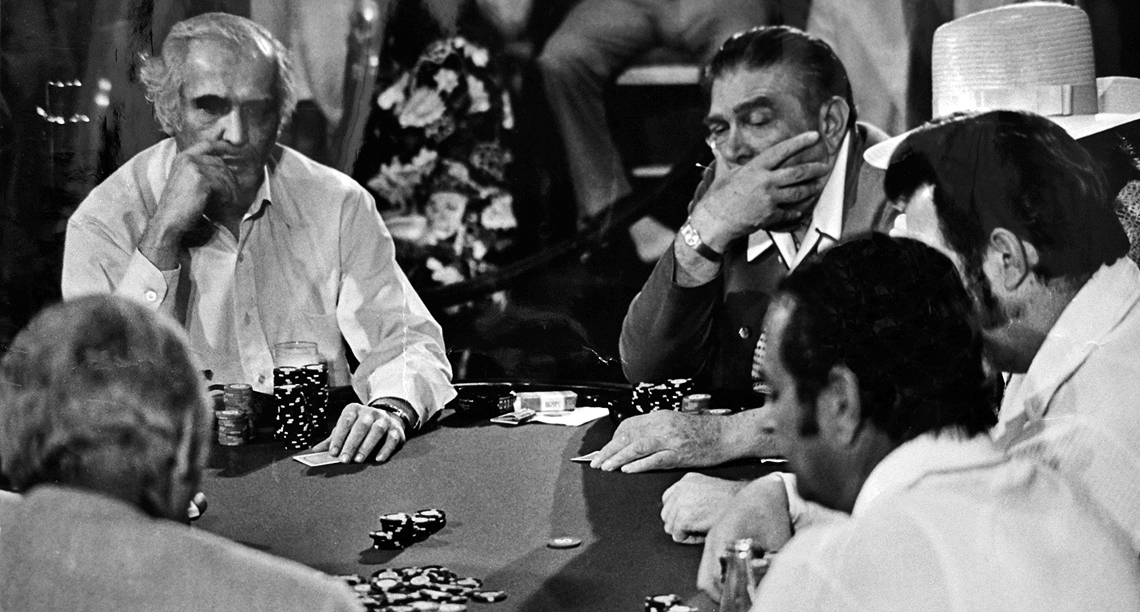
His love for big games made him a star at high-stakes tables. In 1969, he stole the famous "big game" from Golden Nugget by moving the table right in front of the entrance of Dunes, attracting crowds and making poker a customer magnet.
His influence extended to the early stages of the World Series of Poker. In 1974, he finished third in the $10,000 Seven-Card Stud event and fifth in the Main Event. Two years later, he added another third-place finish in the $1,000 Ace to Five Draw tournament. These results confirmed that Wyman was recognized not just as a casino magnate but also as a player at the table, despite never winning a WSOP gold bracelet.
Wyman's contribution to the poker world mainly manifested in his influence on the game's popularization. He created the conditions for poker's growth in Las Vegas, helping turn poker from a shadowy game into a global phenomenon.
Induction into the Poker Hall of Fame
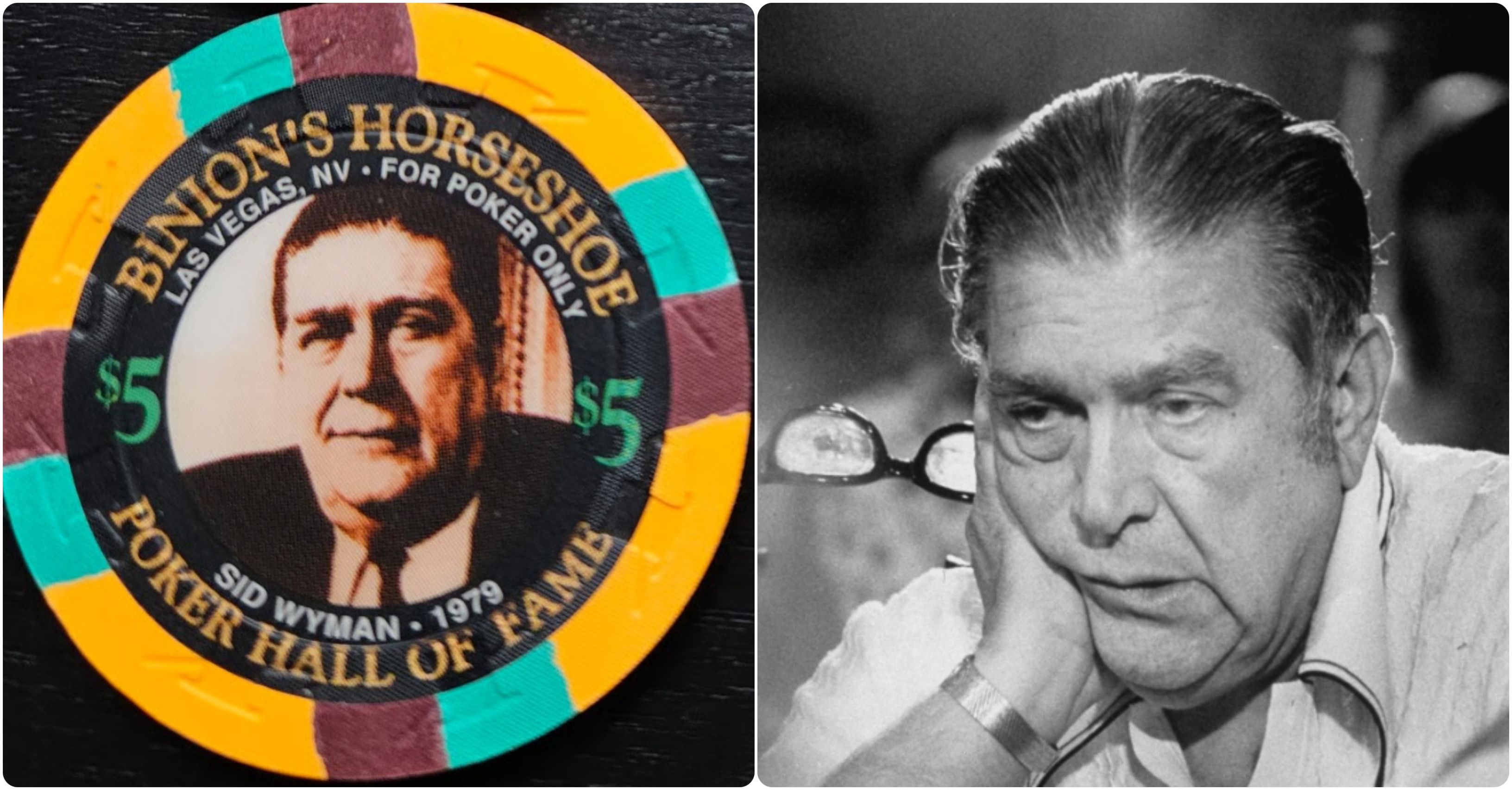
Sid Wyman was inducted into the Poker Hall of Fame in 1979 as one of its first seven members at its founding. His longtime friend Benny Binion, founder of the WSOP, nominated him as a symbol of an era when poker grew thanks to visionaries like Sid.
He was inducted posthumously, following his death from cancer on June 26, 1978, in Los Angeles, at the age of 68. In his honor, all gambling activities at the Dunes were paused for two minutes—an act that speaks volumes about his influence. Some even said, "Dunes died with him." Yet poker, thanks to Wyman, still thrives today.
More from PHoF Legends
Legends of the Poker Hall of Fame V: Red Winn
Legends of the Poker Hall of Fame IV: Edmond Hoyle
Legends of the Poker Hall of Fame III: Felton "Corky" McCorquodale
Legends of the Poker Hall of Fame II: Nick "The Greek" Dandolos
Legends of the Poker Hall of Fame I: Johnny Moss
Sources: Wikipedia, WSOP, Card Player

