

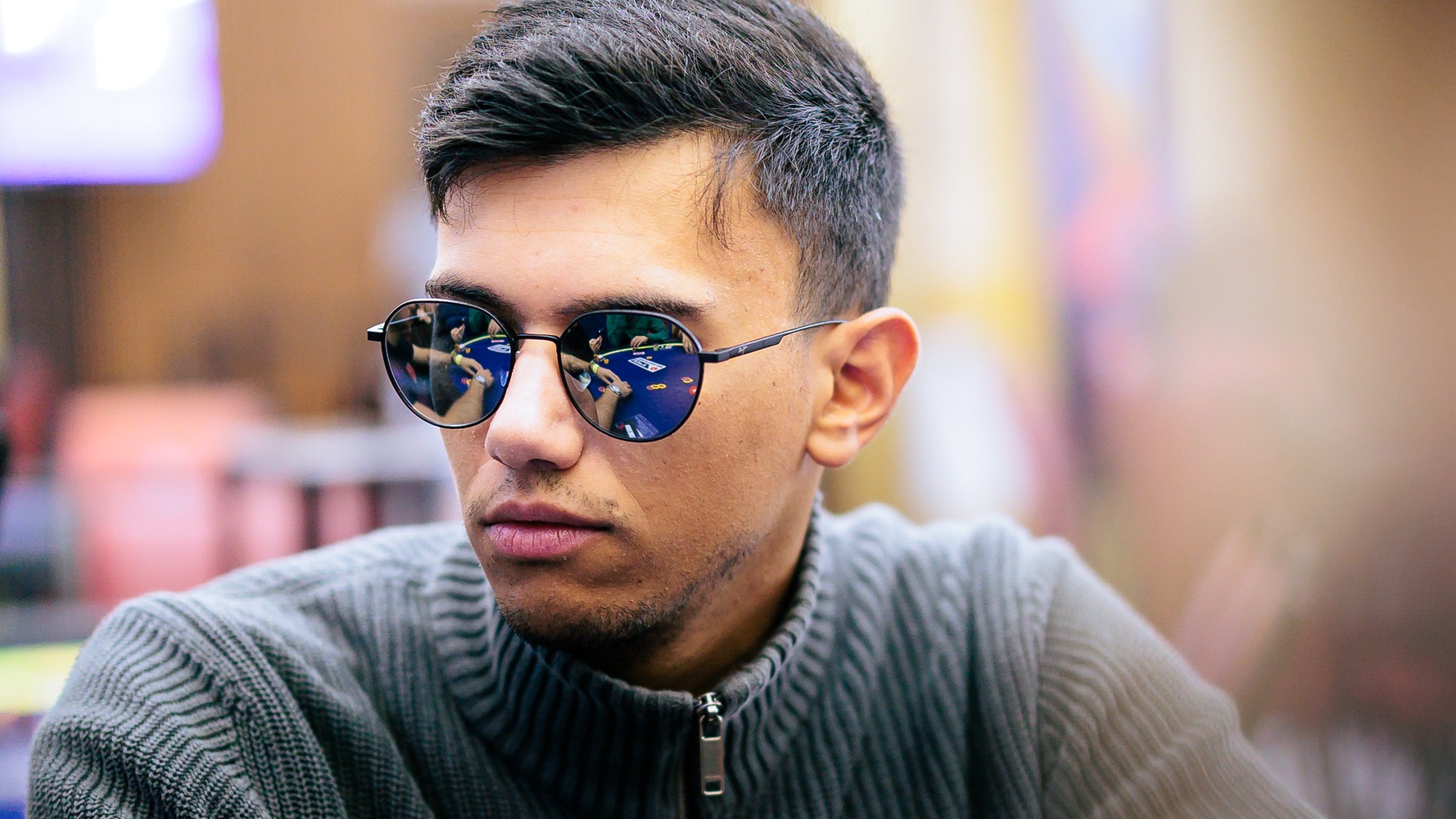
At 28, Samuel Mullur made waves in the poker world with his victory in a 26K event in the Bahamas. This achievement was pivotal for his career, opening new doors, establishing connections, and reshaping how the high stakes community perceives him. In the GTO Lab podcast with Leon Sturm, Mullur doesn't present his story as an instant success without effort. Instead, he reflects on beginnings in his mom's basement, micro stakes, satellites, his gaming past, and the moment he realized going solo wouldn't suffice.
Leon Sturm leads the conversation, admitting early on that he's stepping in for regular host Jonathan Jaffe. The episode’s tone is thus slightly different—less historical, more generational. Both Sturm and Mullur are players who grew up in an environment of internet, online games, Discord, training platforms, and solvers.
Mullur doesn't label himself as a genius. Instead, he emphasizes the ability to sit down, grind, accept feedback, and constantly improve. He admits starting as a lone player trying micro stakes, satellites, and chatting with fans on random Discord servers. Over time, he realized that to level up, he needed to surround himself with better players and people.
From Esports to Poker
Before poker, Mullur was deeply immersed in video games. He explains that since childhood, he was the type of gamer who didn’t switch between games but fully immersed himself in one. Initially, it was shooters, spending considerable time on Uncharted 3, gaining experience competing against the best, learning every detail, and seeking advantage through repetition. Call of Duty followed, where competition was stiffer, making him realize he might not have enough talent or ideal conditions to reach the top professionally.
Mullur directly connects this experience to poker. In gaming, he learned to take tough feedback, communicate with a team, and listen to where he went wrong. Initially, it was uncomfortable, as teammates bluntly pointed out his mistakes and where he needed improvement. Eventually, he grew to appreciate this feedback. Improvement became a source of energy. When he discovered poker, he naturally carried the same approach—identify weaknesses, acknowledge them, and work on them.
During a period when he realized professional esports might not be a viable path, He went through a challenging phase. He talks about a depressive period around sixteen when he didn’t know what he wanted to do with his life. He started studying marketing, reaching out to clients, and spent two and a half years trying to start his agency. It wasn't a massive success, but it allowed him to pay bills and learn a critical lesson—networking and approaching people can dramatically accelerate learning.
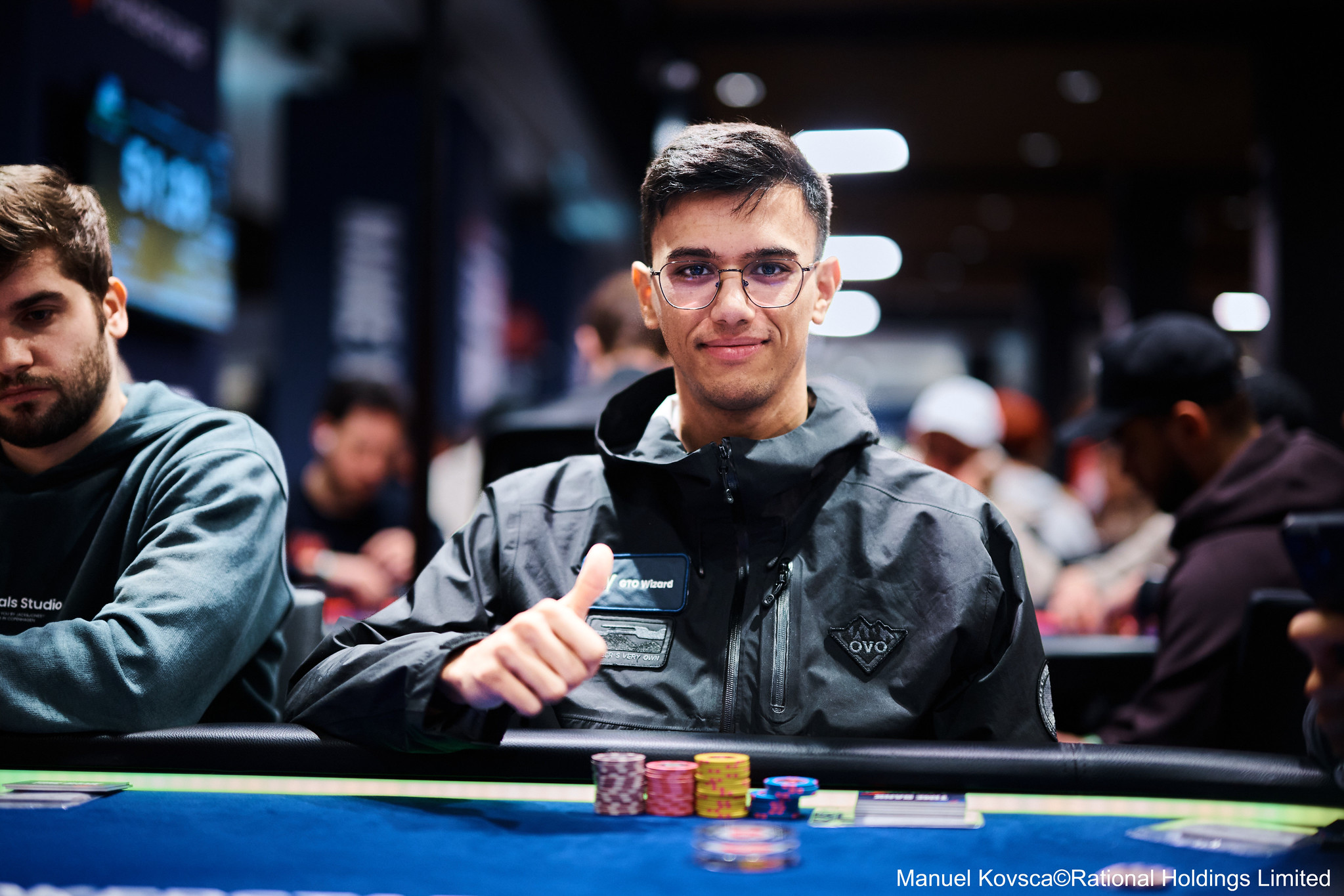
This realization later translated into poker. Mullur notes that in marketing, he understood that learning from those longer in the field takes you further. When he moved to poker, he sought out a similar environment. Small live events across Europe came first, and then, through contact with someone from Pokercode, he joined Grindhouse, where he met Fedor Holz—a significant turning point in his journey.
Fedor Holz, Grindhouse, and the Power of the Right Team
One thing Mullur is known for in poker is his close relationship with Fedor Holz. He explains in the interview that meeting Fedor and entering the right environment was a massive step towards his goal of reaching high stakes. According to him, Fedor quickly explained the value of teamwork. If a group has ten people, and each contributes one unit of work, everyone can benefit from the work of the other nine. In a complex game like poker, this is a significant advantage.
Thus, Mullur clearly states that while poker is formally a solo sport, it doesn’t feel that way to him. A good environment helps technically, as each member brings new spots, insights, and perspectives. But, more importantly, it’s the social aspect. Traveling the world, playing cards, and having people around you whom you want to succeed changes the entire poker experience. In a money-driven, ego-comparing world, being genuinely happy for others’ success is a huge advantage.
The Bahamas: A Moment That Changed Everything
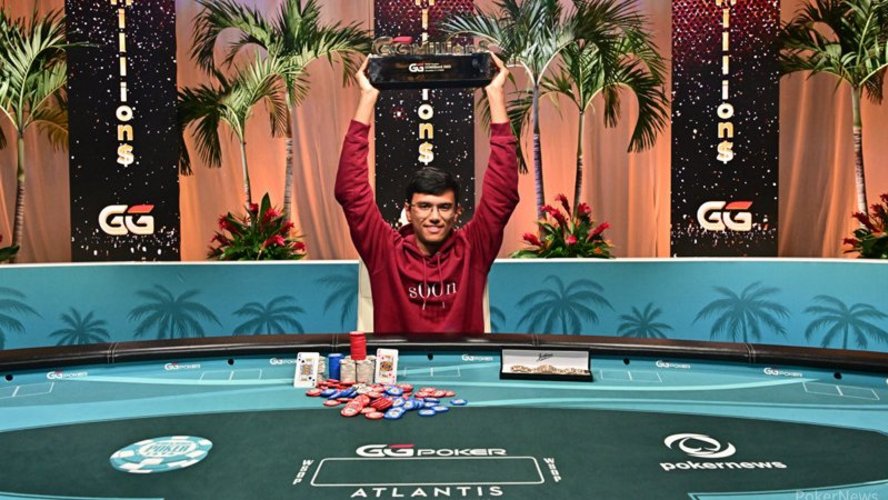
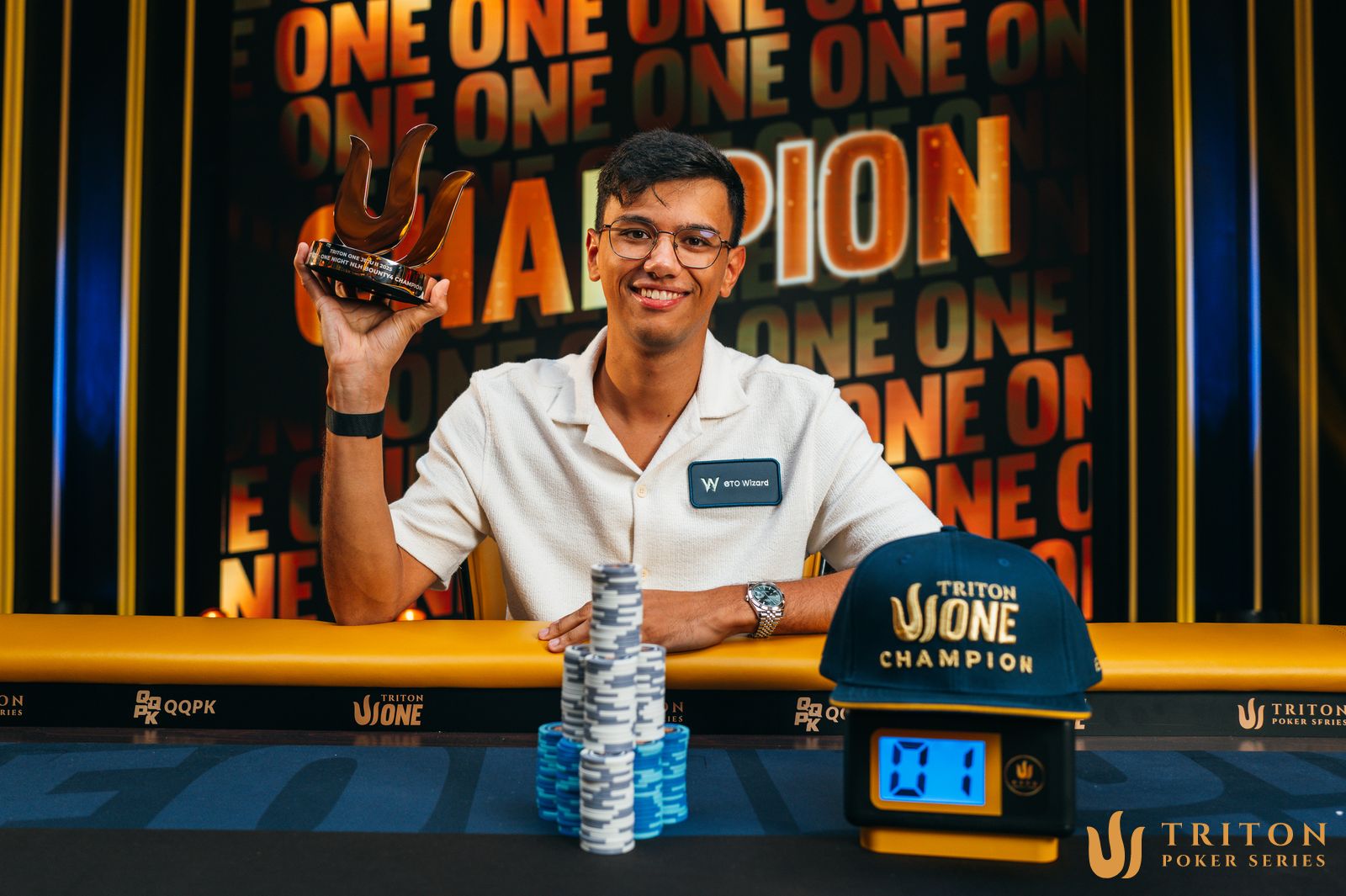
Winning the 26K event in the Bahamas was a significant milestone for Mullur’s career. He acknowledges that many people now recognize him through this achievement. It wasn't just about the money but the change in perception. In high stakes poker, how other players view you is crucial, and Mullur understands that quick success and his association with Fedor helped create a positive image. However, he knows that one result doesn’t make a career.
Therefore, his goal isn’t just about having a “big score.” He talks about the need to establish himself in the high stakes community over the long term and prove he belongs. That’s an important distinction. Many players experience one big result, but the high stakes environment demands consistency, stability, the ability to handle swings, and constant adaptation.
Sturm and Mullur also discuss the younger generation of players. Both belong to a group raised on computers, online gaming, and long hours in front of the screen. Mullur says that when he started with poker, he already knew about solvers, courses, and theoretical tools. He even studied them before seriously playing.
However, Mullur emphasizes that the future of poker won’t be solely about techniques. Despite the game moving closer to theoretical optimization, it remains necessary to play, talk to people, understand the population, and know how players think in reality. Young players may have an advantage with access to tools and the capacity to spend extensive time studying, but reaching the top requires more than just solver knowledge. Emotional stability, the ability to handle financial swings, and enough experience from millions of hands are also necessary.
Online vs. Live Poker
Mullur sees value in combining online and live poker. Online gives volume, technical precision, and regular opportunities to work on one's game. Live poker, on the other hand, offers a healthy environment, major events, and increasing EV, especially as record numbers at live festivals show a growing segment. Live poker is becoming more important, particularly as the online environment tightens around questions of AI and cheating.
A significant part of the conversation focuses on meditation and mental work. Mullur relates to this through family—his father is a yoga teacher, and his mother practices breathwork. As a child, he didn’t perceive this as cool or significant. It wasn’t until a phase of not knowing what he wanted to do with his life that he started reading self-development books. He was most influenced by 'The Power of Now' by Eckhart Tolle. The most impactful takeaway was realizing he doesn't have to identify with his thoughts and can observe them from a distance.
In poker, this is major. Bad beats, a bad river, downswings, or unpleasant spots can trigger strong emotions, but Mullur says that being able to observe these without being overwhelmed by them changed his life. Meditation isn't just about sitting in a corner with closed eyes. It could be walking, movement, yoga, or even the moment before bungee jumping when one is completely present.
Success and the Need to Stay Curious
Mullur admits poker is a game with incomplete information, and no one truly knows how good a specific player is. Community opinions are based on results, impressions, conversations, and short-term samples. This can be dangerous, as success can quickly lead to feeling you're already doing everything right. While some degree of confidence is part of the poker ecosystem—it may not work if people didn’t believe they were better than they are—the problem arises when this turns into closed-mindedness, unwillingness to listen to feedback, or underestimating others.
Mullur isn’t the type of person to have a detailed five or ten-year life plan. He often doesn’t know what day of the week it is, and his relationship with time isn’t strong. Instead of big specific goals, he focuses more on being present, daily progress, and small personal victories. In poker, he wants mainly to prove that his fast entry into high stakes isn't a fluke. He aims to establish himself, remain competitive, and that, for him, is currently more critical than another title or specific sum.
Yet, he admits poker isn’t the ultimate purpose of his life. In the future, he'd like to do something with a broader positive impact. Poker, after all, is a zero-sum game, and even though he's recently started coaching, he still feels that his direct positive impact on others’ lives is limited. However, he acknowledges being in a very privileged position—he can invest energy in a game he loves and compete with the best. Perhaps later, there will be a time for broader endeavors. For now, his goal is to stay present, keep improving, and enjoy the process.
More from the GTO Lab Podcast
Ben Tollerene: The Story of an Online Legend and Triton Champion Who Paid a High Price for Success
Brian Rast: Poker, Solvers, Bitcoin, and the Life of the Most Versatile Player of the Modern Era
Kevin Rabichow: Why Poker Growth is Hindered by Bad Habits, Not Bad Cards
Kayhan Mokri: If Everyone Uses the Same Tools, Find Your Edge Elsewhere
Seth Davies: Poker Teaches You a Lot, But You Have to Grow Up Away from the Table
Dan “Jungleman” Cates: Why Raw Genius Isn’t Enough and the Game Will Eventually Catch Up
Stephen Chidwick: Why Results Are Deceptive and Decisions Matter More
Alex Kulev: What You Need to Change in Your Mindset to Make the Leap to High Stakes
Leon Sturm: Independent Thinking in the High Roller Scene
Orpen Kisacikoglu: The Solver Gives Quick Answers but Takes Away Thought Process
Alex Ponakovs: Why Independent Thinking is More Important Than Blindly Following Solvers
Nick Petrangelo: No More Weak Players in $100k Tournaments, It's All About Continuous Work
Daniel Negreanu: Staying at the Poker Pinnacle Requires Hard Work, Not Luck
Fedor Holz: I Once Wanted Wins, Titles, and Money. Now I Want Happiness
Sources – YouTube, Triton Poker, PokerNews, Flickr/PSlive

