

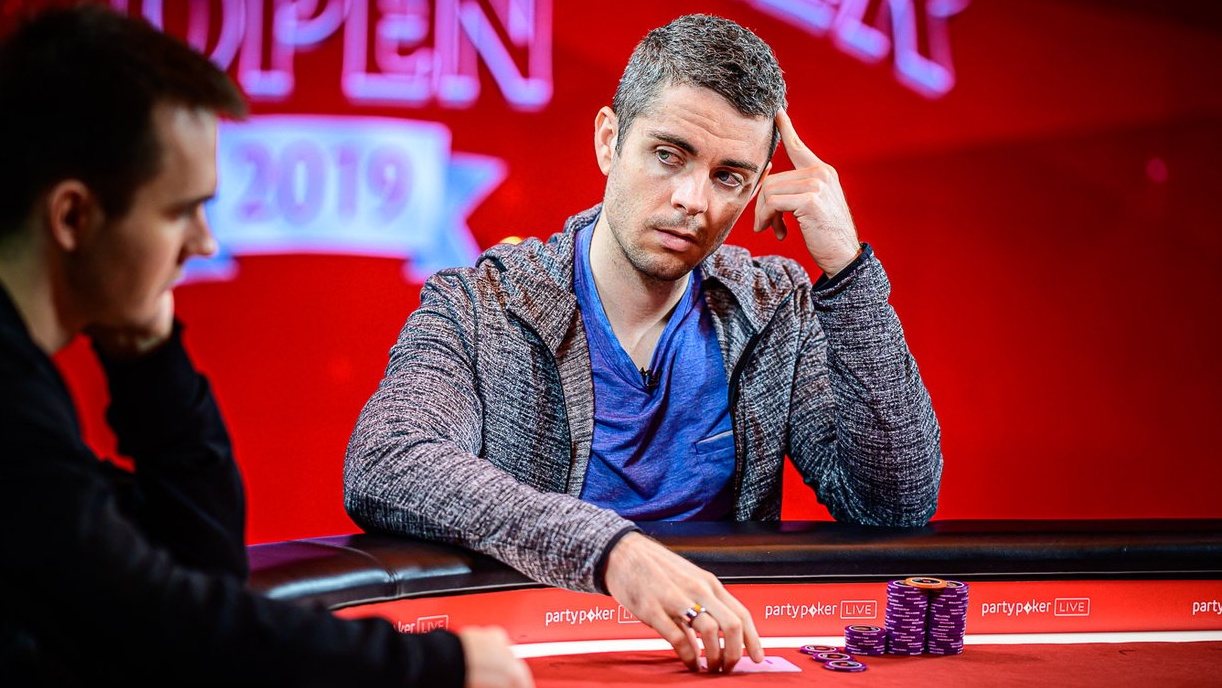
Ben Tollerene, known online as Ben86, re-emerged in the GTO Lab podcast after a media hiatus, offering more than just nostalgia for nosebleed cash games and legendary heads-up battles. He provides a candid look at a person who spent years striving to be the best in the world and now reflects on what it all cost him. Tollerene discusses working with Ike Haxton, studying game theory before the solver era, the toughest PLO games of his generation, and how extreme competitiveness can shape and sometimes harm a person.
Ben86: A Nick Known to Young Players as a Legend
At the beginning of the interview, John Jaffe highlights an intriguing paradox. For the older online generation, Ben Tollerene is one of the biggest cash game legends, but many of today's high roller players might only know him as a former PLO crusher or a name from the past. Tollerene doesn’t shy away from this, humorously recalling how someone congratulated him after winning the 50K PLO event at Triton by saying he wasn't exactly known for PLO. For someone who was one of the most feared PLO names online for years, this point is almost absurd. Yet, it shows how quickly poker memory changes.
Tollerene started taking poker seriously in 2005 and 2006. Before that, he played home games in Texas, but his real online journey began with a Full Tilt Poker deposit using a prepaid card to capitalize on a deposit bonus. He started at microstakes, gradually climbing through $0.10/$0.25, $5/$10, $10/$20, and eventually to the highest games. Initially playing NLH, by around 2009, he shifted more towards PLO, seeing greater opportunities there. His narrative makes it sound simple, but in reality, it's one of the most challenging ascents known in online poker – from the lowest games to nosebleeds.
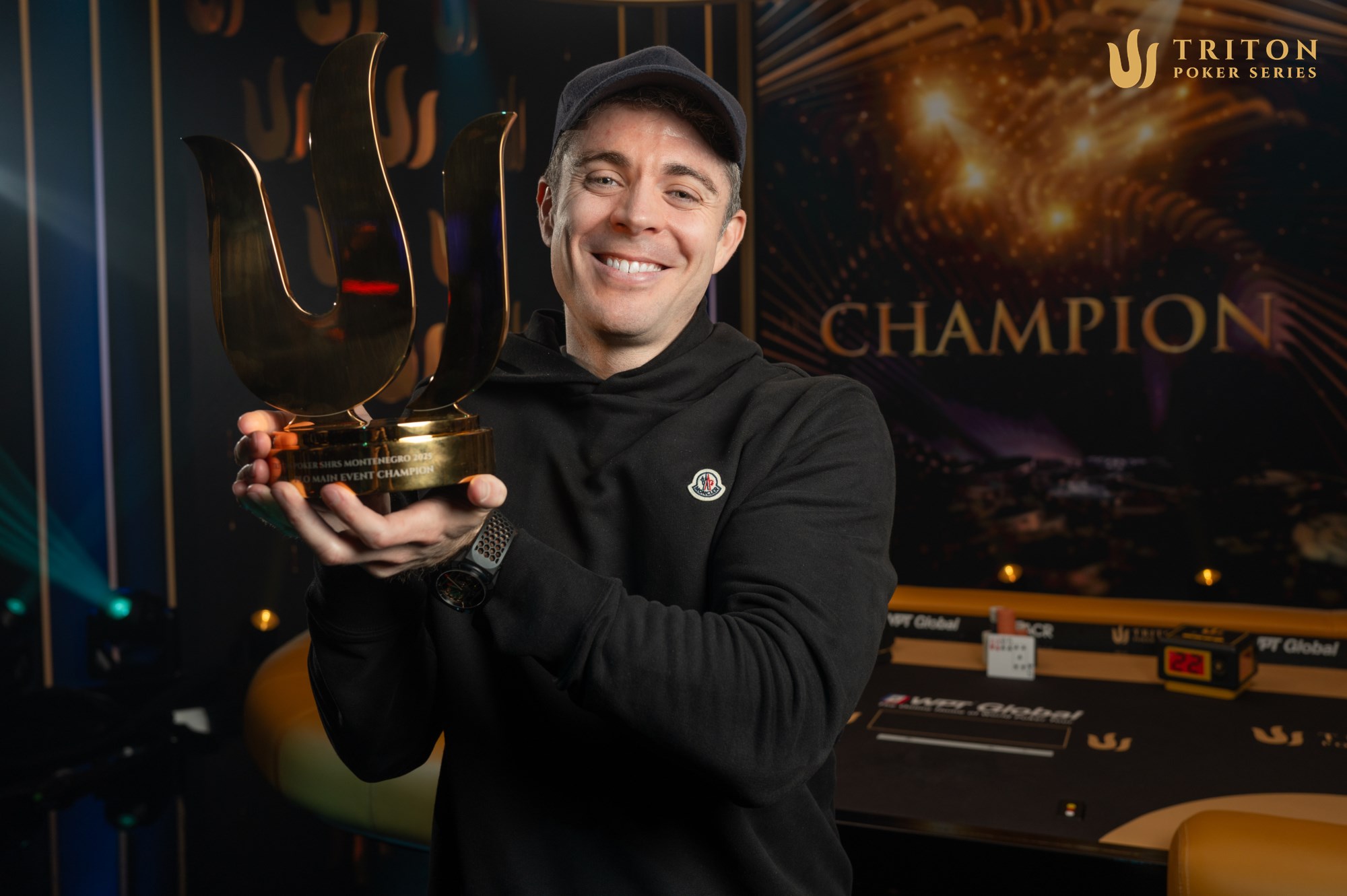
A crucial part of his journey wasn’t just playing, but his approach to study. Tollerene explains that even before solvers, he tried to understand poker through game theory, Excel, old programs like CardRunners EV, and his own models. He wanted to be unexploitable when such a term wasn’t common in poker vocabulary. Ike Haxton significantly influenced him, who he hired as a coach in 2011. Additionally, he worked with a game theory professor who didn’t teach poker tricks but the fundamentals of strategic thinking, balance, and concepts he later applied to the game.
Seeking Answers before the Solver Era
One of the most fascinating parts of the chat is Tollerene’s description of how his approach to the game developed. At a time when most players were solving metagame, timing, and exploit, he aimed to move closer to theoretically correct strategy. He read The Mathematics of Poker, learned from Haxton, and paid for game theory lessons often unrelated to poker. This combination helped him build a framework that was far ahead of the competition at the time.
A significant moment is when he recalls his professor explaining geometric betting. If a polarised range is posing questions to an opponent, it’s better to ask three tough questions instead of just two. This kind of explanation resonated with Tollerene more than empty claims about “perfect poker.” It shows that his journey wasn’t about blindly following trends but understanding why a strategy works.
The Generation that Pushed Online Poker Forward
Tollerene also reflects on the names that defined the highest online games. He speaks about Viktor “Isildur1” Blom as a player with an exceptional knack for deep heads-up big bet poker. According to him, Isildur had the ability to find lines that made sense in hindsight even through solvers, despite his sizing not always being optimal and his preference for large bets. Tollerene played over 50,000 hands heads-up with him, which in itself speaks to the intensity of their rivalry. He recalls legendary cap PLO sessions where millions changed hands in a single day.
His insights into Phil Galfond, Ben Sauce, and Phil Ivey are also fascinating. According to him, Galfond wasn’t a mechanical “solver” killer but a sophisticated player with vast experiences, intuition, and original thoughts. Sauce was a player who, even before solvers, seemed to think edgily and innovate portions of strategy. He describes Ivey as having phenomenal intuition and the ability to mix things up naturally, yet with certain mechanical flaws that could be problematic in long heads-up matches. Over all of this stands Ike Haxton, whom Tollerene calls the most complete player he knows.
Million-Dollar Swings and Heads-up as a Pure Form of Battle
One of the toughest portions of the interview comes when recalling massive heads-up swings. Tollerene details a session against Isildur where he lost about $1.7 million, went to sleep, and won back around $1.5 million the next day. He doesn’t present this as a cheap tale of big numbers. For him, heads-up at the highest stakes was not just a job but an intensely competitive form bringing significant psychological swings.
Tollerene also mentions that heads-up holds a special place for him. In long matches, he studied showdowns, examined opponent’s lines, and felt that after hours of analysis, he knew what the other player would do. This level of data and direct confrontation, he suggests, creates a vastly different rapport with the opponent compared to tournament poker. Heads-up develops the ability to read the thinking style of a specific person.
The Cost of Success: Isolation, Anxiety, and a Sacrificed Life
The strongest part of the interview isn’t about strategies but the price Tollerene paid for his career. He says that from around 2005 to 2016, he went full throttle in poker, aiming to be the best. He sacrificed a lot – skipping friends’ weddings and finding social interactions extremely difficult. At one point, he describes not even being able to order coffee without his palms sweating from stress. This image sharply contrasts the notion of an online crusher sitting behind a screen raking in money from the highest games. Behind the performance was also isolation and a significant narrowing of life to a single goal.
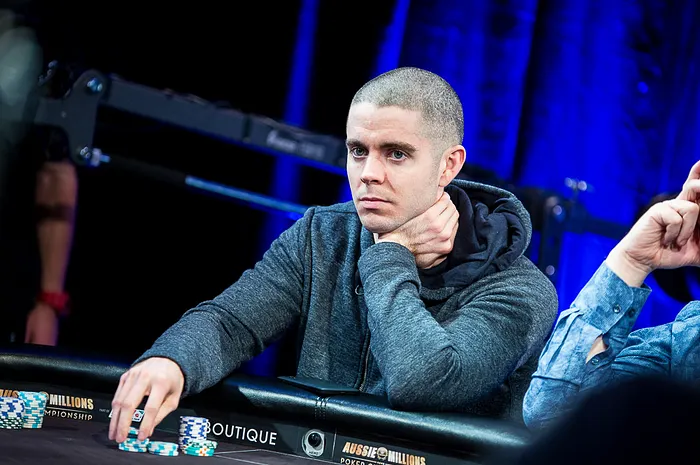
Tollerene doesn’t say he would do everything differently. Instead, he acknowledges that this extreme phase gave him the freedom he values each day. For him, money meant the ability to do what he wants. Yet, he notes, sooner or later, one has to face the rest of life. Poker provided him the freedom, status, and the means to achieve what he wanted, but not necessarily the ability to be balanced or socially integrated. This ambivalence is what makes the interview mature – neither a confession nor a celebration, but an honest acknowledgment of both sides of success.
Returning to Tournaments and a New Battle with Expectations
After a long break, Tollerene has been trying to return to the tournament scene. He won the Triton 50K PLO, but admits he views tournaments differently than the old cash games. When he wins, he often feels mostly relief. When he loses and feels he made mistakes, he can be very hard on himself. This opens up a broader topic of performance, perfectionism, and the ability to be kind to oneself. He recalls leaving tough reminders on his monitor to not repeat mistakes, realizing this approach might have been effective but not necessarily healthy.
One of the most interesting philosophical threads of the conversation is the idea that poker is a form of expression. Jaffe suggests players often express themselves at the table in ways that reflect who they are outside it – attackers attack, defensive players defend, and in critical moments, one often returns to their inherent nature. Tollerene partly agrees, saying people are who they are, especially when they’re running out of time and resources.
He sees himself as an attacker in poker, admitting that his mistakes often lead to putting too much money into the pot. Simultaneously, though, he doesn't want to underestimate opponents and strives not to go too far with hero plays just because he thinks he's “read” someone. This marks an important difference between the old heads-up aggression and today's more mature perspective.
More from the GTO Lab Podcast
Brian Rast: Poker, Solvers, Bitcoin, and Life of the Most Versatile Player of the Modern Era
Kevin Rabichow: Why Poker Growth Is Hindered by Bad Habits, Not Bad Cards
Kayhan Mokri: If Everyone Uses the Same Tools, Find Your Edge Elsewhere
Seth Davies: Poker Teaches You a Lot, But You Have to Grow Up Away from the Table
Stephen Chidwick: Why Results Are Deceptive and Decisions Matter More
Ike Haxton: Precise Sizing Doesn’t Matter, the Real Edge is a Calm Mind
Alex Kulev: What You Need to Change in Your Mindset to Make the Leap to High Stakes
Leon Sturm: Independent Thinking in the High Roller Scene
Orpen Kisacikoglu: Solvers Provide Quick Answers, But Take Away the Thinking Process
Alex Ponakovs: Why Independent Thinking is More Important Than Blindly Following Solvers
Nick Petrangelo: In $100k Events There Aren't Weak Players Anymore, So There's More Work to Do
Daniel Negreanu: Being at the Top of Poker for Years is Hard Work, Not Luck
Fedor Holz: I Used to Want Wins, Titles, and Money. Today I Want Happiness
Sources – YouTube, Triton Poker, PokerNews, PGT
