

The 1985 WSOP not only saw the crowning of new champions but also marked the crossing of two magical milestones. Since 1970, total participation exceeded 10,000 entries, and more than $20 million had been awarded in prizes.
Johnny Chan's First Victory and Slim's Comeback
Before the main event took center stage, the side events brought several historic moments. The most notable was undoubtedly Event #2: $1K Limit Hold'em, which attracted a then-record field of 342 entries. The winner was the 28-year-old Johnny Chan, who was still largely unknown to the world.
Chan took home $171,000 for his first bracelet, and no one could have predicted that they were witnessing the rise of a future megastar and Hall of Fame inductee.
The old guard also made a statement. Amarillo Slim Preston triumphed in Event #8: $5K PLO, earning his third bracelet. It was his first WSOP victory in 11 years, setting a record for the longest gap between titles at that time.
Dick Carson claimed his second career title in the opening tournament, specializing in Lowball and consistently reaching final tables in this discipline for over a decade.
Official Results of the 1985 WSOP Tournaments
|
Tournament |
Entries |
Winner |
Prize |
|
Event #1: $2,500 No-Limit Ace to Five Draw |
40 |
Dick Carson |
$50,000 |
|
Event #2: $1,000 Limit Hold'em |
342 |
Johnny Chan |
$171,000 |
|
Event #3: $1,000 Seven Card Stud Hi-Lo |
149 |
John Lukas |
$74,500 |
|
Event #4: $10,000 No-Limit 2-7 Draw Lowball |
19 |
Tommy Fischer |
$95,000 |
|
Event #5: $1,000 No-Limit Hold'em |
304 |
Rick Hamil |
$152,000 |
|
Event #6: $1,000 Limit Ace to Five Draw |
127 |
Mark Mitchell |
$63,500 |
|
Event #7: $500 Ladies' Seven Card Stud |
74 |
Rose Pifer |
$18,500 |
|
Event #8: $5,000 Pot-Limit Omaha (Rebuy) |
22 |
Amarillo Slim |
$85,000 |
|
Event #9: $1,000 Pot-Limit Omaha (Rebuy) |
112 |
Zorn Venture |
$105,000 |
|
Event #10: $1,000 Limit Omaha |
111 |
Tony Thang |
$55,500 |
|
Event #11: $5,000 Seven Card Stud |
49 |
Harry Thomas |
$122,500 |
|
Event #12: $1,000 Seven Card Stud |
171 |
Don Williams |
$85,500 |
|
Event #13: $1,000 Seven Card Razz |
127 |
Edwin Wyde |
$83,500 |
|
Event #14: $10,000 Main Event (NLH) |
140 |
Bill Smith |
$700,000 |
|
Event #15: $1,000 Casino Employees NLH |
10 |
Ted Binion |
$10,000 |
The Bubble That Refused to Burst
The Main Event delivered the biggest drama, continuing the trend of growing participation. This time, a record 140 players entered, but only the top 9 places were paid. This led to one of the longest "money bubble" stages in history, as the last ten players refused to bust for five hours.
It was during this phase that the eventual winner, Bill Smith, shone. He survived three consecutive all-ins with A-K, then eliminated Gary Lundgren, using the bubble battles to climb back into contention for the title.
The final table featured a stellar lineup dominated by Texans. Notably, it included the legendary Johnny Moss, a three-time Main Event champion and eight-time WSOP winner, who received a standing ovation for his 7th-place finish. Everyone present knew they were witnessing a legendary figure in the twilight of his career.
Alongside him sat future world champions Berry Johnston and Hamid Dastmalchi, and the relentless Jesse Alto, marking his sixth final table appearance in the Main Event.
The Best "Half-Drunk" Player
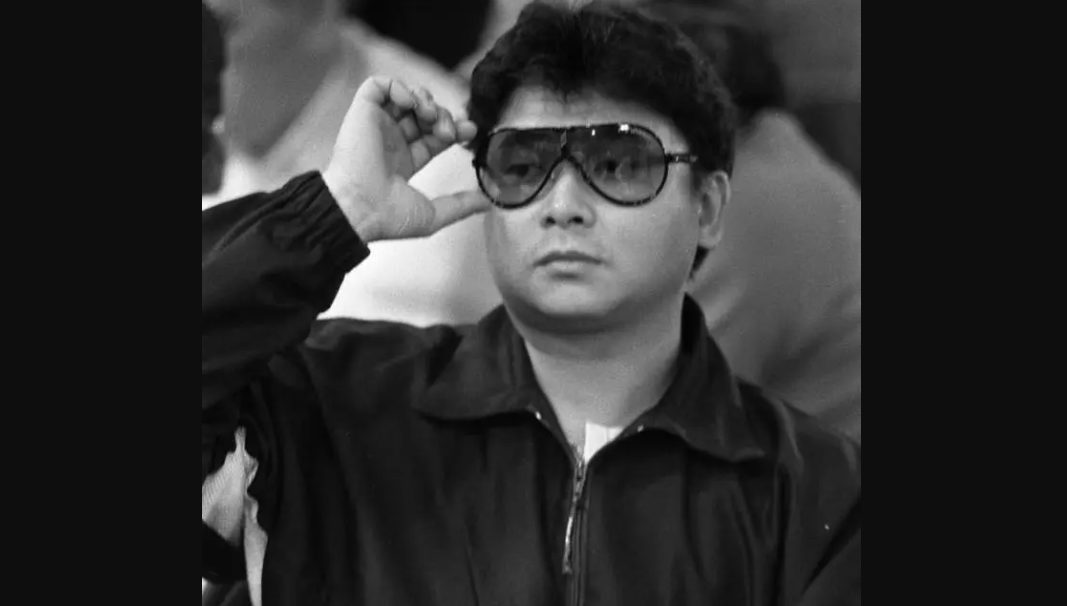
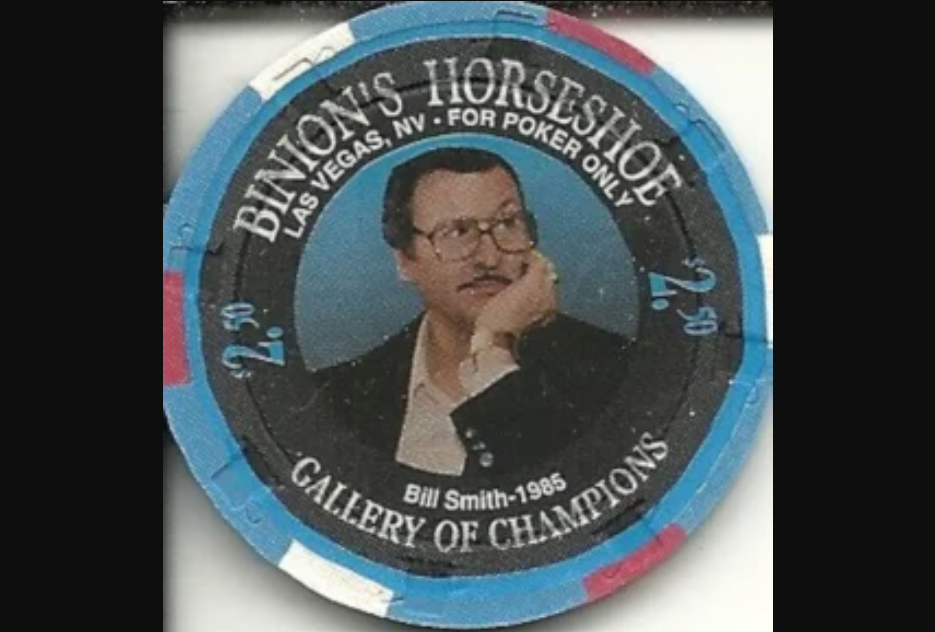
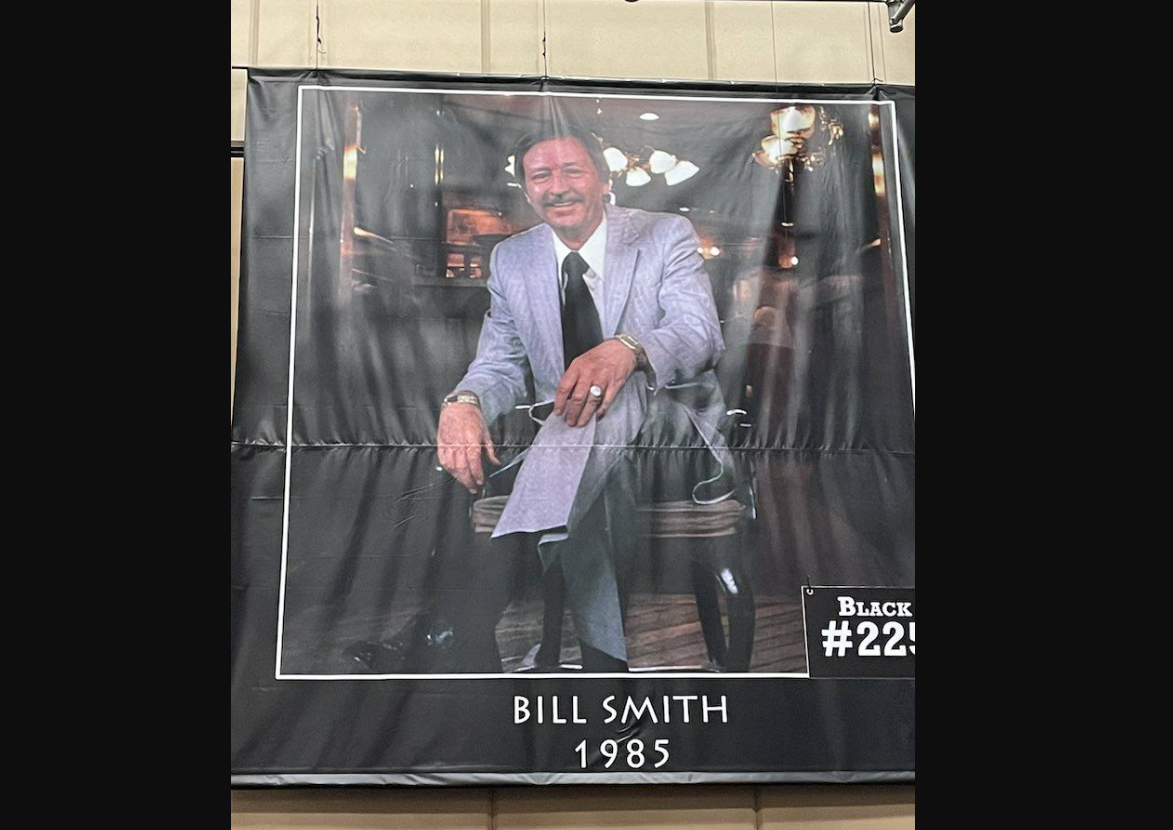
The winner was Bill Smith, a figure who still evokes both awe and sadness in the poker world. Smith was a Korean War veteran and a classic Texas road gambler.
The 1985 champion's story has a quirky background, as his entry to the Main Event was won in a satellite by his friend Dale Suttle. While Suttle lacked confidence in tournaments, seasoned player Smith didn't have the buy-in. They agreed Smith would play the Main Event on Suttle's ticket, and they'd split the winnings.
Bill Smith was known for his love of alcohol. His friend T.J. Cloutier famously wrote in books, "When he was sober, he played simply and predictably. But when he was half-drunk, he was the best player you could sit against. No one could read opponents like him. However, once he got too drunk, he became the worst player in history."
Even Barbara Enright later recalled never seeing Bill without a bottle of Budweiser, yet he was always elegantly dressed and friendly. During the final table, Suttle kept an eye on Smith, ordering him cognacs at the Horseshoe bar to maintain his "genius" level of inebriation.
In the final heads-up, Bill Smith faced T.J. Cloutier, two Texas friends. Though Cloutier initially led, a key hand saw Smith double up with kings against Cloutier's nines.
In the tournament's final hand, Smith raised with a pair of 3 s 3 h and Cloutier, upon glancing at an ace in his hand, announced an all-in with A d 3 c. The board 5 s 5 h 9 s 5 c K d didn’t aid Cloutier, and Bill Smith became the world champion, securing a then-record prize of $700,000.
A Champion's Bitter End
Following his victory, Smith fulfilled a dream shared by every player. He chartered a private plane home to Dallas, believing that every world champion should experience it at least once.
Sadly, the money didn't last. Unable to manage his lifestyle and alcoholism, a year later, he was already seeking investors at the Horseshoe casino to fund his buy-in for the Main Event, having only $6,000 left in his pocket. Nonetheless, he made it back to the Main Event final table in 1986, finishing fifth.
Bill Smith died in poverty in 1996. For many years, he was the only champion whose photo didn't hang among the other winners at the WSOP, as his family wished for privacy. Finally, in 2021, his image took its rightful place among the poker kings. Yet, he remains the only winner from the 1980s missing from the Poker Hall of Fame.
More from the WSOP History
History of WSOP: 1984 – The Aggressive "Gentleman" and Piles of Cash on the Table
History of WSOP: 1983 – The Satellite Revolution and the Triumph of "The Accountant" Tom McEvoy
History of WSOP: 1982 – The Legendary Jack Straus and the Birth of "A Chip and a Chair"
History of WSOP: 1981 – Stu Ungar Reaches the Summit Once Again
History of WSOP: 1980 – The Rise of Stu "The Kid" Ungar
History of WSOP: 1979 – A Milestone Triumph for an Amateur and the Birth of the Hall of Fame
History of WSOP: 1978 – The End of the "Winner Takes All" Era
History of WSOP: 1977 – The Miracle of 10-2 Repeats Itself
History of WSOP: 1976 – Texas Dolly's First Triumph and the Birth of the Legendary Hand 10-2
History of WSOP: 1975 – The Triumph of "The Sailor," a Secret Deal, and the Era of Gold Bracelets
History of WSOP: 1974 – Johnny Moss's Return to the Throne and the Birth of Iconic Bracelets
History of WSOP: 1973 – Puggy Pearson's Triumph and the Dawn of the Television Era
History of WSOP: 1972 – Amarillo Slim's Controversial Win
History of WSOP: 1971 – The First Freezeout Tournaments
History of WSOP: 1970 - The First World Champion Elected by Vote
Sources: WSOP, Wikipedia, GipsyTeam, PokerListings

