

Controversial Payout Structure: Less for the Winner, More for Everyone
The biggest story of the 1986 series was the organizers' decision to dramatically "flatten" the Main Event's payout structure. Although the number of participants increased by only one player compared to the previous year (141 versus 140), the number of paid spots quadrupled from 9 to a record 36.
This move resulted in winner Berry Johnston earning $130,000 less than the 1985 champion, despite having to beat the same competition. While Bill Smith took home $700,000 the year before, Johnston walked away with "only" $570,000. Professionals were unhappy with the decision, but it marked an important step toward the mass popularization of poker.
Women's Historical Entries
Before the main tournament, 12 other events helped rewrite history. The year 1986 was groundbreaking, especially for female players. Alma McClelland, wife of tournament director Jack McClelland, who has been a Hall of Fame member since 2014, caused a shock in the $1K Limit Razz event, finishing second behind Tom McEvoy. She became the first woman in WSOP history to claim second place in an open event.
Legend Barbara Enright won her first of three bracelets in the Ladies Championship by defeating Betty Carey in heads-up. For Barbara, it was just the beginning of a journey that later culminated with her induction into the Poker Hall of Fame as the first woman ever.
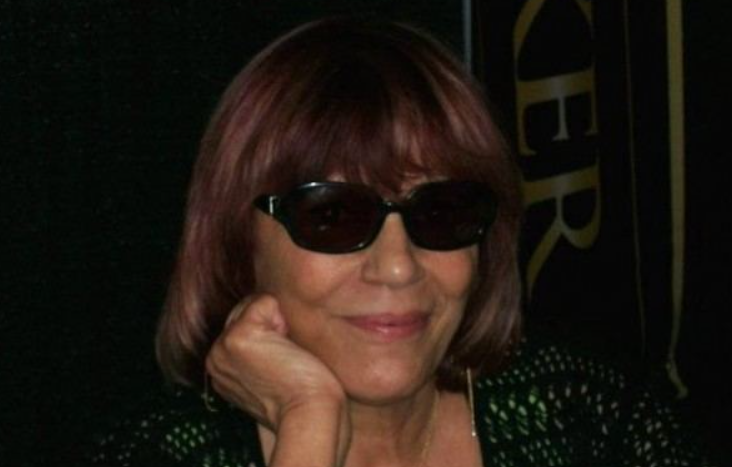
The success of women in 1986 was capped off by Wendeen Eolis, who, thanks to the expanded payout structure, finished in the money at 25th place and became the first woman ever to earn a prize in the WSOP Main Event. Though she only got her $10,000 buy-in back, she left with a profit since she had a bet with Austin Squatty that he would pay out her winnings.
Jack Keller also had an unforgettable series. The 1984 champion demonstrated incredible consistency by being the first player in history to cash four times in one series, surpassing a 13-year record set by Puggy Pearson. Although he didn't win a bracelet this time (finishing second twice), his performance solidified his legendary status.
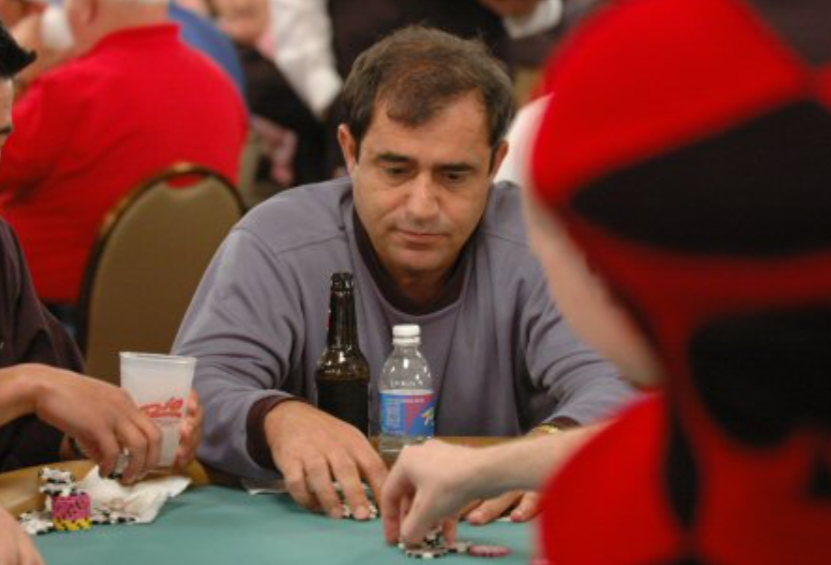
Another significant moment was Hamid Dastmalchi's victory in Event #3: $1,500 NLH. Though living in California, Dastmalchi represented Iran and became the first bracelet winner without U.S. citizenship. Hamid later proved his mettle with two more bracelets, and won the Main Event in 1992.
Official Results of WSOP 1986:
|
Tournament |
Entries |
Winner |
Prize |
|
Event #1: $1,000 Limit Omaha |
121 |
James Allen |
$48,400 |
|
Event #2: $2,500 Pot-Limit Omaha (Rebuy) |
67 |
David Baxter |
$127,000 |
|
Event #3: $1,500 No-Limit Hold'em |
302 |
Hamid Dastmalchi |
$165,000 |
|
Event #4: $500 Ladies' Seven Card Stud |
82 |
Barbara Enright |
$16,400 |
|
Event #5: $5,000 Deuce to Seven Draw (Rebuy) |
31 |
Ron Graham |
$142,000 |
|
Event #6: $1,500 Limit Hold'em |
320 |
Jay Heimowitz |
$175,800 |
|
Event #7: $1,000 Seven Card Razz |
131 |
Tom McEvoy |
$52,400 |
|
Event #8: $1,000 Ace to Five Draw |
173 |
J. B. Randall |
$69,200 |
|
Event #9: $1,000 Seven Card Stud Hi-Lo |
169 |
Tommy Fischer |
$73,600 |
|
Event #10: $5,000 Seven Card Stud |
40 |
Sam Mastrogiannis |
$80,000 |
|
Event #11: $5,000 NL Ace to 5 Draw (Rebuy) |
32 |
Mike Cox |
$118,000 |
|
Event #12: $1,000 Seven Card Stud |
196 |
Sam Mastrogiannis |
$78,400 |
|
Event #13: $10,000 Main Event (NLH) |
141 |
Berry Johnston |
$570,000 |
Another Unsuccessful Attempt for Alto in the Main Event
The Main Event, shortened from five days to three this year, attracted an elite lineup. The final table featured well-known names, including defending champion Bill Smith, who finished fifth, taking home $51,300.
Jesse Alto drew even more attention by reaching the Main Event final table for the seventh time in his career, for the third consecutive year. A brilliant player, Alto was also known for his temper, which often thwarted his success. His dream of a bracelet slipped away again when his A-Q clashed with Berry Johnston's A-K, resulting in a fourth-place finish and $62,700. Alto ultimately never won a gold bracelet, which is regarded as one of poker's greatest anomalies.
A Champion with the Soul of a Gentleman
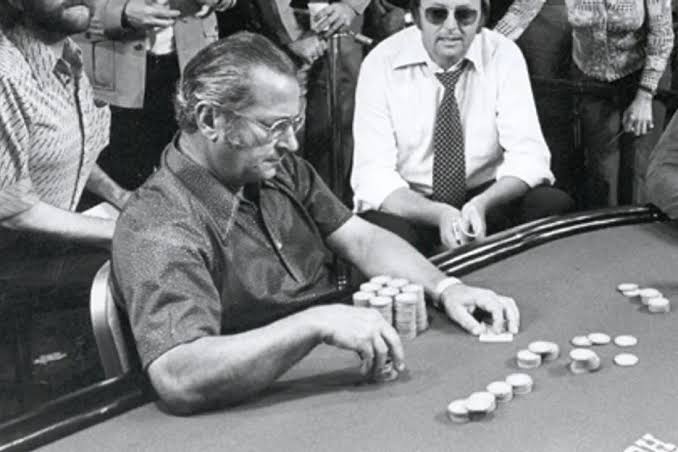
The winner, Berry Johnston, a 50-year-old professional from Oklahoma nicknamed "Numbers," claimed sweet revenge after finishing third in the Main Event in both 1982 and 1985.
In heads-up, he faced Mike Harthcock (also known as Mike Hart), a mixed-game specialist. Johnston, having already eliminated three players in succession, entered the duel with a significant chip lead. The decisive hand followed swiftly.
Harthcock went all-in with A d 8 d, while Johnston instantly called with A s T h. The board of 6 c 7 h 3 s 2 d 4 c brought no surprises, crowning Berry Johnston as world champion.
Johnston humbly stated after the victory: "Winning the title was more important to me than the money." His attitude toward the game and life was illustrated by an incident in 1985 when T. J. Cloutier eliminated him in third place. Instead of anger, Johnston shook his opponent's hand and, when his wife said she was hungry, calmly went to dinner as if nothing had happened.
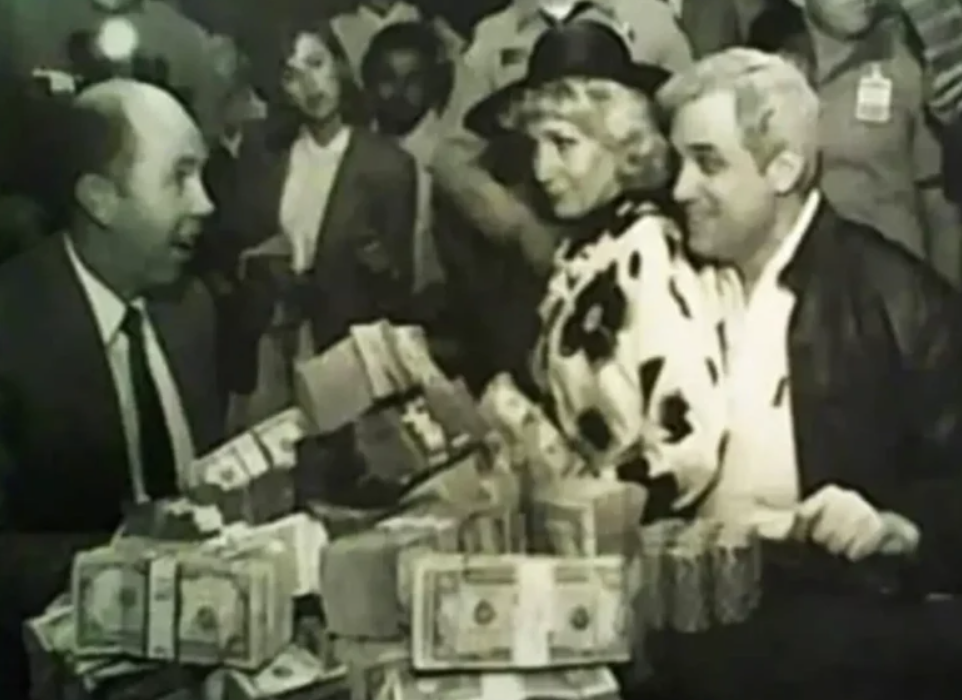
His composed demeanor and poker prowess ultimately earned him five gold bracelets overall. Johnston reached the money in the Main Event ten times and was inducted into the Poker Hall of Fame in 2004.
More from WSOP History
History of WSOP: 1985 – The Genius of a Champion Under the Influence
History of WSOP: 1984 – The Aggressive 'Gentleman' and Stacks of Cash on the Table
History of WSOP: 1983 – The Satellite Revolution and the Triumph of 'Accountant' Tom McEvoy
History of WSOP: 1982 – The Legendary Jack Straus and the Birth of 'A Chip and a Chair'
History of WSOP: 1981 – Stu Ungar Reaches the Summit Once Again
History of WSOP: 1980 – The Rise of Stu 'The Kid' Ungar
History of WSOP: 1979 – A Milestone Triumph for an Amateur and the Birth of the Hall of Fame
History of WSOP: 1978 – The End of the 'Winner Takes All' Era
History of WSOP: 1977 – The Miracle of 10-2 Repeats Itself
History of WSOP: 1976 – Texas Dolly's First Triumph and the Birth of the Legendary Hand 10-2
History of WSOP: 1975 – The Triumph of the 'Sailor', a Secret Deal and the Era of Golden Bracelets
History of WSOP: 1974 – Johnny Moss's Return to the Throne and the Birth of Iconic Bracelets
History of WSOP: 1973 – Puggy Pearson's Triumph and the Dawn of the Television Era
History of WSOP: 1972 – Amarillo Slim's Controversial Win
History of WSOP: 1971 – The First Freezeout Tournaments
History of WSOP: 1970 - The First World Champion Elected by Vote
Sources: WSOP, Wikipedia, PokerListings
