

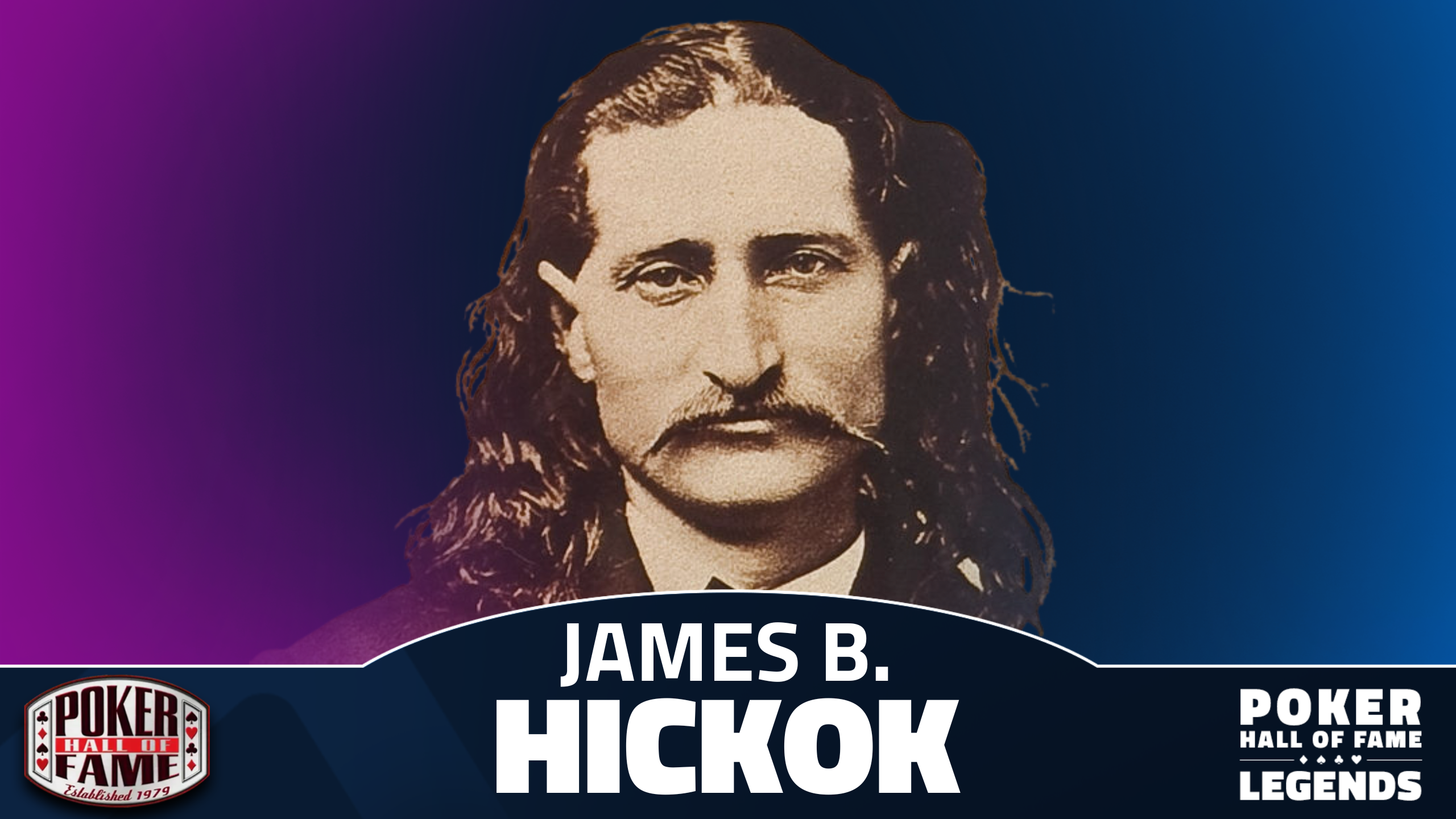
The Man Who Embodied the Wild West
James Butler Hickok was born on May 27, 1837, in Troy Grove, Illinois, the fourth of six children in a farming family. From a young age, he was fascinated by guns, which helped him become an outstanding marksman and gain the reputation of one of the fastest gunslingers in the West. After his father's death in 1852, he left for Kansas at 18, where he joined the anti-slavery movement. It was here he met a 12-year-old William Cody, later known as "Buffalo Bill," with whom he formed a friendship.
His life accelerated in 1861 when he got into a shootout at Rock Creek Station in Nebraska with David McCanles and his men. Several versions exist of what happened, one being that Hickok killed McCanles and allegedly two of his associates, thus beginning to build a reputation as a ruthless gunman. However, it's worth admitting that details were often embellished by contemporary writers.
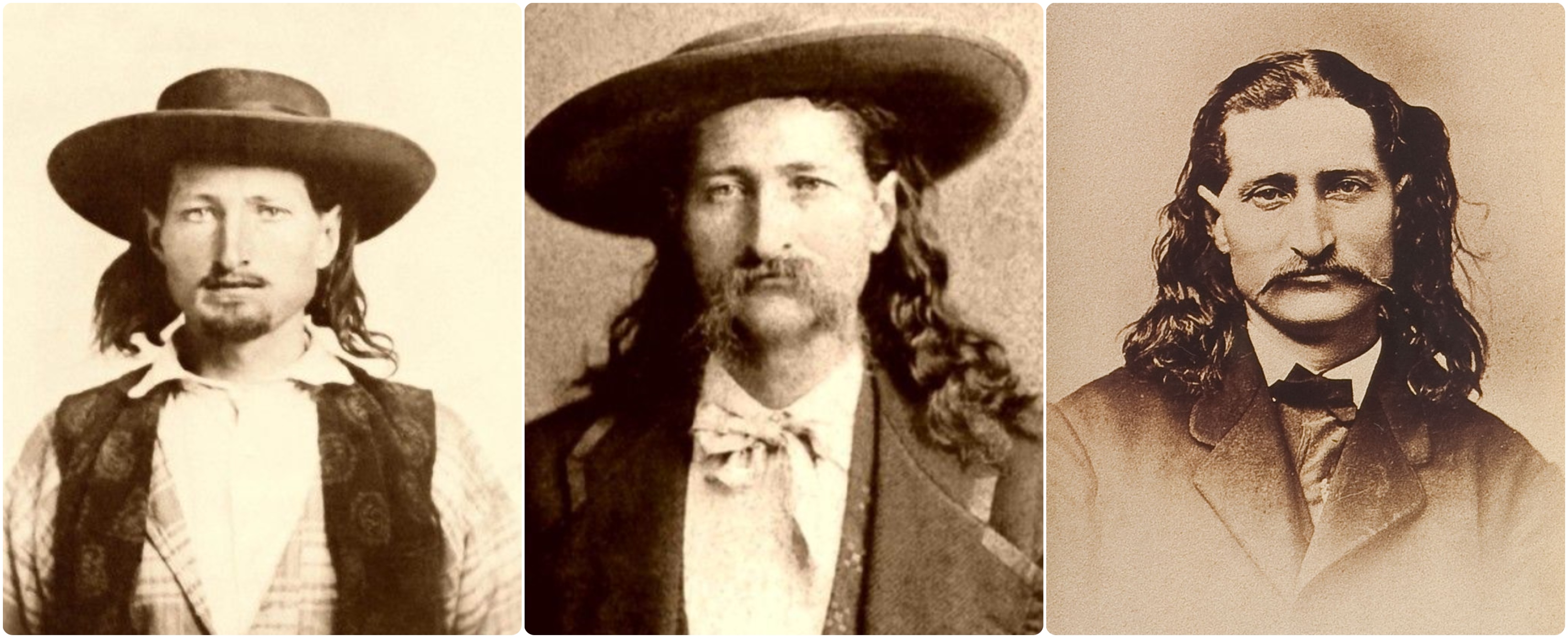
During the Civil War, he served as a spy and scout for the Union, earning the nickname "Wild Bill." His fame surged after an article in Harper's New Monthly Magazine in 1867, where journalist George Ward Nichols celebrated Hickok's feats, helping him achieve legendary status. The article was criticized for exaggerated depictions, including claims of killing hundreds of men. Yet, Hickok himself did not shy away from contributing to these myths.
Such embellished stories bolstered his reputation as a fearless man capable of facing the wildest challenges — whether on the Wild West or at the poker table. A fine example is Hickok's encounter with a black bear in 1860. According to him, a bear with two cubs blocked his path. Hickok dismounted, approached the bear, and shot it in the head, but the bullet bounced off its skull. The bear attacked, pinning Hickok to the ground. Fighting for his life, Hickok fired another shot, injuring the bear's paw, then reached for his knife and slit its throat, killing it.
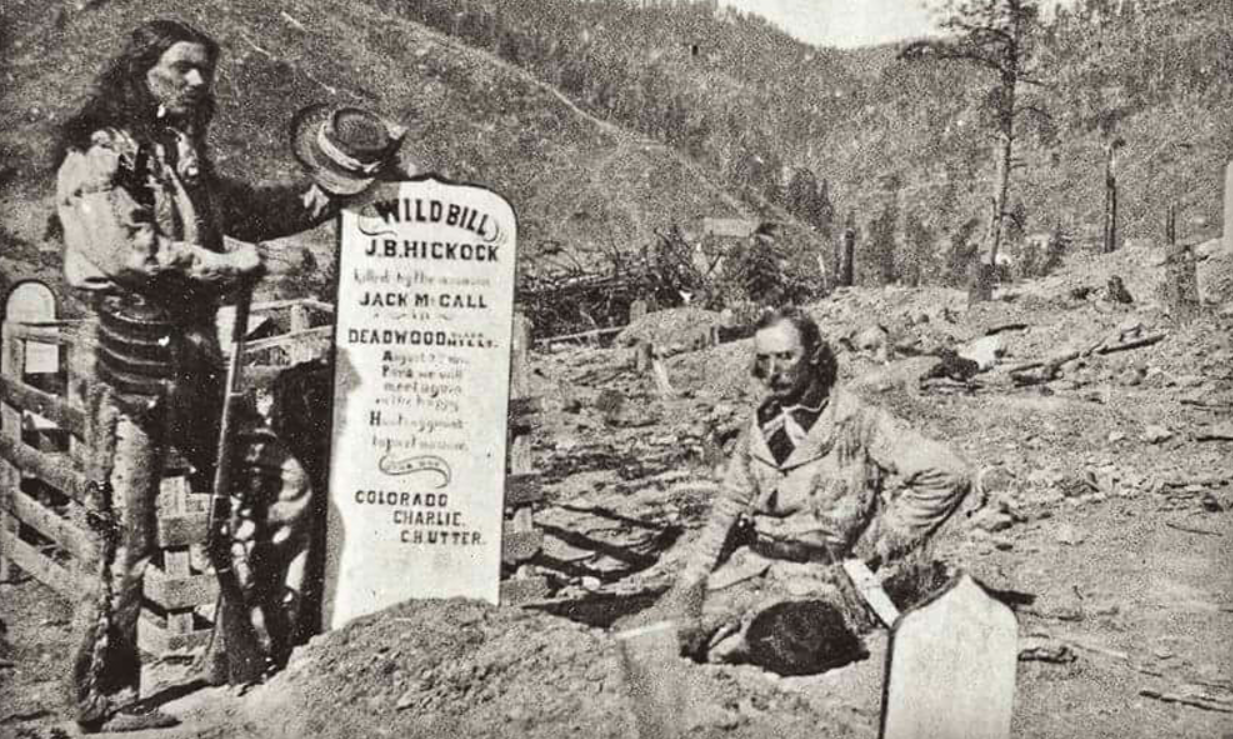
However, every story holds at least a grain of truth, just as when in 1876, shortly after marrying Agnes Lake Thatcher, he went to the gold rush town of Deadwood in Dakota seeking fortune — and found fate.
Why is Hickok Important to Poker?
Wild Bill Hickok wasn't just a gambler; he was among the first professional poker players who lived off their winnings at a time when poker was still shaping its modern form. He mainly played five-card stud, the dominant variant of the 19th century, and his ability to read opponents and strategically bluff made him feared at the table. His lifestyle — a blend of courage, risk, and charisma — embodied the spirit of poker, where luck meets skill.
Hickok's contribution to poker is evident in three key areas:
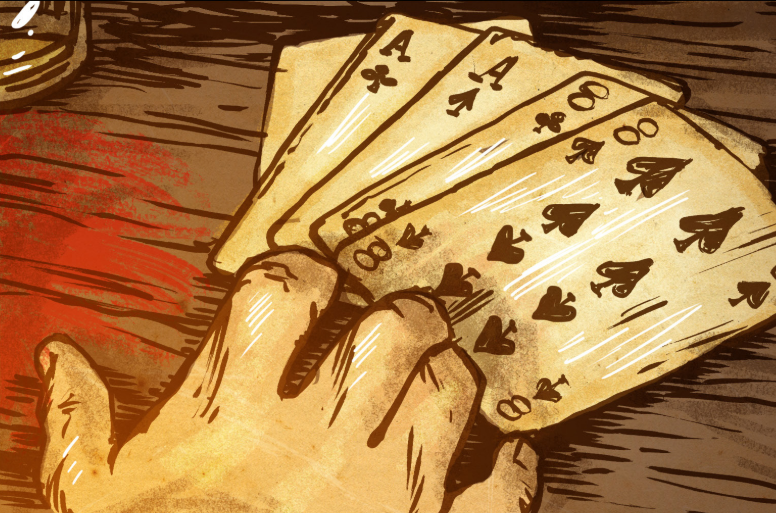
1. Dead Man's Hand: Hickok's death is inseparable from his poker legacy. On August 2, 1876, he sat in Nuttal & Mann's Saloon in Deadwood, playing five-card stud. While holding two black aces and two black eights, he was shot from behind by Jack McCall, a failed gambler supposedly seeking revenge for a previous day's poker loss. McCall, drunk and enraged, fired a bullet into Hickok's head, killing him instantly. Hickok's hand — two aces and two eights — has since been called the "Dead Man's Hand," becoming a symbol of danger and fate in poker culture. Although the fifth card remains a subject of speculation, this combination is an iconic part of poker folklore.
2. Reputation at the Poker Table: Hickok's fame as a gunslinger and sheriff added weight to his presence at the table. He was known for always sitting with his back to the wall to keep an eye on the entrance, a habit he broke on the fateful day when his usual spot was taken. His presence attracted crowds and turned poker into theater, helping popularize the game in Wild West saloons.
3. Strategic Mindset: Hickok's poker skills weren't just about luck. His experiences as a scout and sheriff gave him an exceptional ability to read people, which he used in bluffing and strategic decision-making. Reports indicate that he could earn hundreds of dollars from poker games in one night, a considerable fortune at the time.
His life story, full of dramatic clashes — such as the one with Davis Tutt in 1865, which stemmed from a dispute over a watch won in poker — helped define poker as a game where courage mixes with risk.
Induction into the Hall of Fame
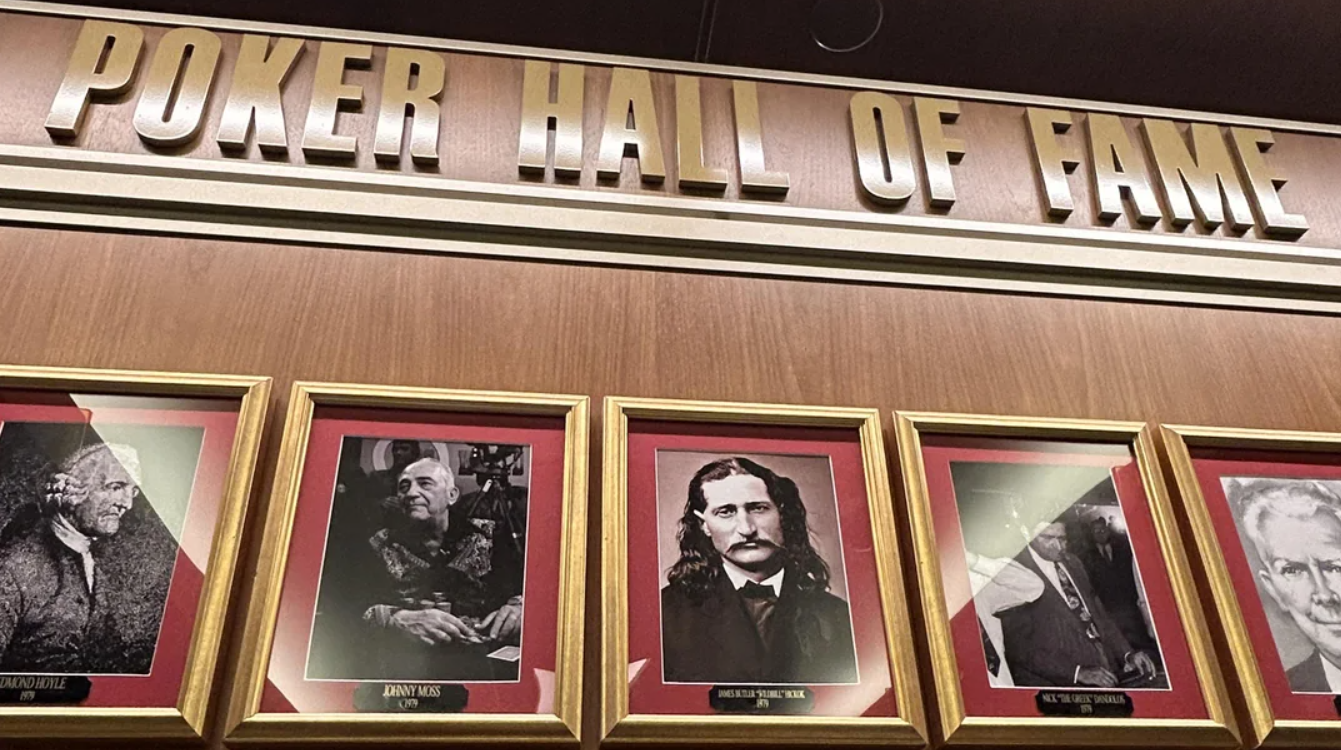
Wild Bill Hickok was inducted into the Poker Hall of Fame in 1979 as one of the inaugural seven members, selected by Benny Binion, the founder of the World Series of Poker. Although he never played in modern tournaments, his impact on poker culture is undeniable. Hickok's death at the table, his charisma, and the association with the "Dead Man's Hand" made him a symbol of an era when poker wasn't just a game but a way of life. His legacy lives on in stories of the Wild West and in every hand that recalls those fateful aces and eights.
More from PHoF Legends
Legends of the Poker Hall of Fame VI: Sid Wyman
Legends of the Poker Hall of Fame V: Red Winn
Legends of the Poker Hall of Fame IV: Edmond Hoyle
Legends of the Poker Hall of Fame III: Felton "Corky" McCorquodale
Legends of the Poker Hall of Fame II: Nick "The Greek" Dandolos
Legends of the Poker Hall of Fame I: Johnny Moss
Source: Wikipedia, WSOP, Legends of America, PokerStrategy

