

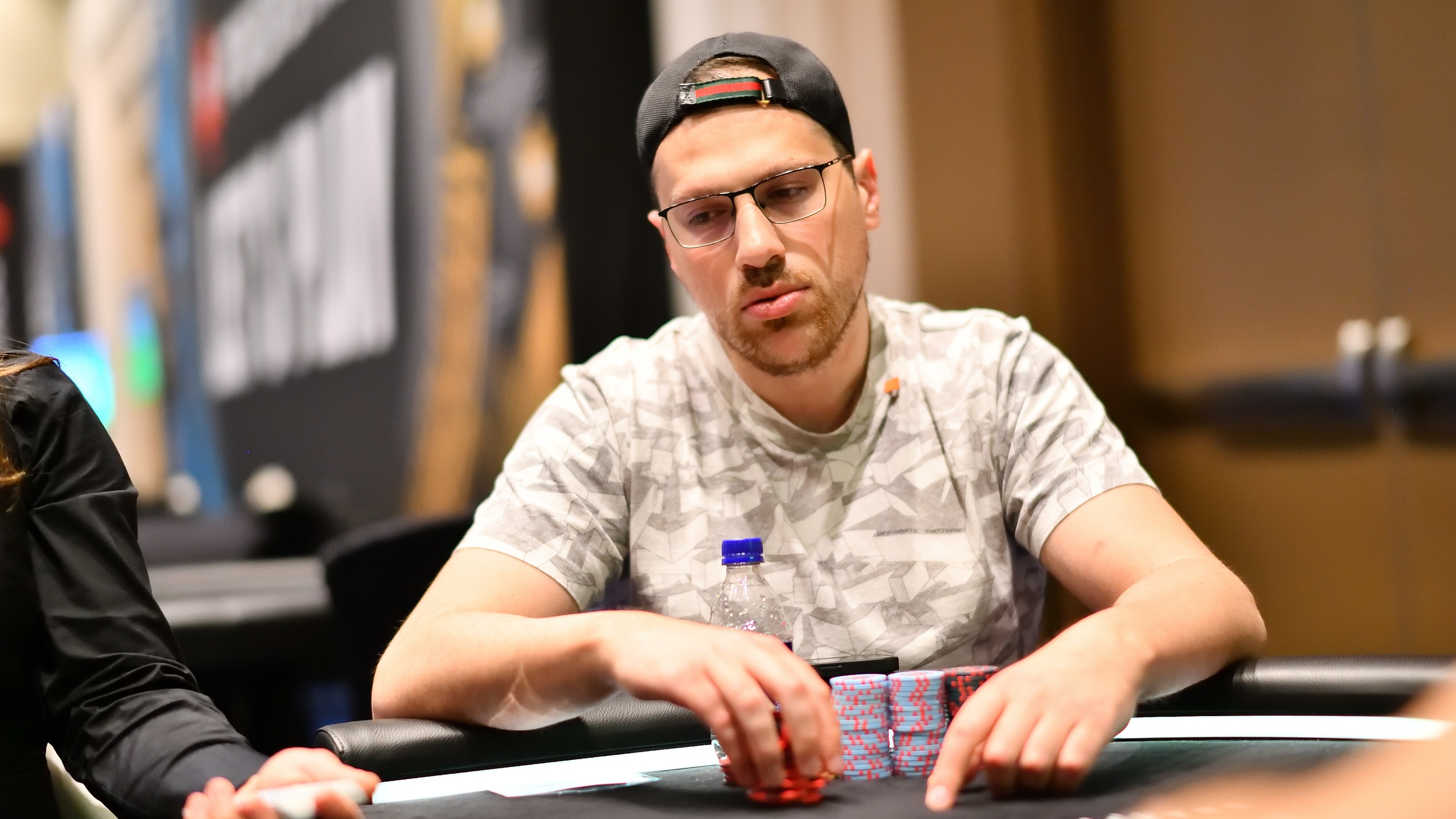
Artur Martirosyan is the type of player whose results speak louder than any poker story. In the GTO Lab Podcast, he shares insights on intriguing topics - How does a player from the Spin & Go scene rise to be among the world's top MTT regulators? What is the mindset of someone who wins GGMillions with absurd regularity? And how does a player, who no longer needs to discover basic strategies, seek an edge in details, ICM, and situations others find uncomfortable?
From Illegal Online Account to First Earnings
Martirosyan started playing poker very early. He admits in the podcast that at the age of 16, he was already playing on PokerStars by simply entering the wrong birthdate, slipping through the then-verification process. Before that, he encountered cards through his father's friends, but the online environment opened a whole new world for him. Initially, he played low stakes, viewing poker more as fun than a professional plan. Then came university, a strict daily routine, and a period where he functioned in a cycle of school, poker, sleep, repeat. Over time, he realized university wasn't fulfilling, and poker was beginning to bring him real money.
His first serious discipline was Spin & Go. On small buy-ins, especially $7 and $15, he managed to earn $10,000 to $15,000 within roughly half a year as a student. At the time, this was significant money for him, confirming it wasn't just luck. Eventually, he worked his way up to higher Spin & Go limits and then discovered MTT. He admits that initially, he played tournaments poorly and without study, but with volume and gradual work on his game, better results followed.
Leap Into 25K Tournaments
Martirosyan's transition into high stakes MTT wasn't backed by a massive bankroll. In the podcast, he states he was fully staked into his first $25K tournaments. Money wasn't the main issue, yet he admits he entered MTTs earlier than he was technically ready. His backer may have trusted him too much, and Martirosyan believes that recommending coaching or a more systematic preparation would have been more beneficial.
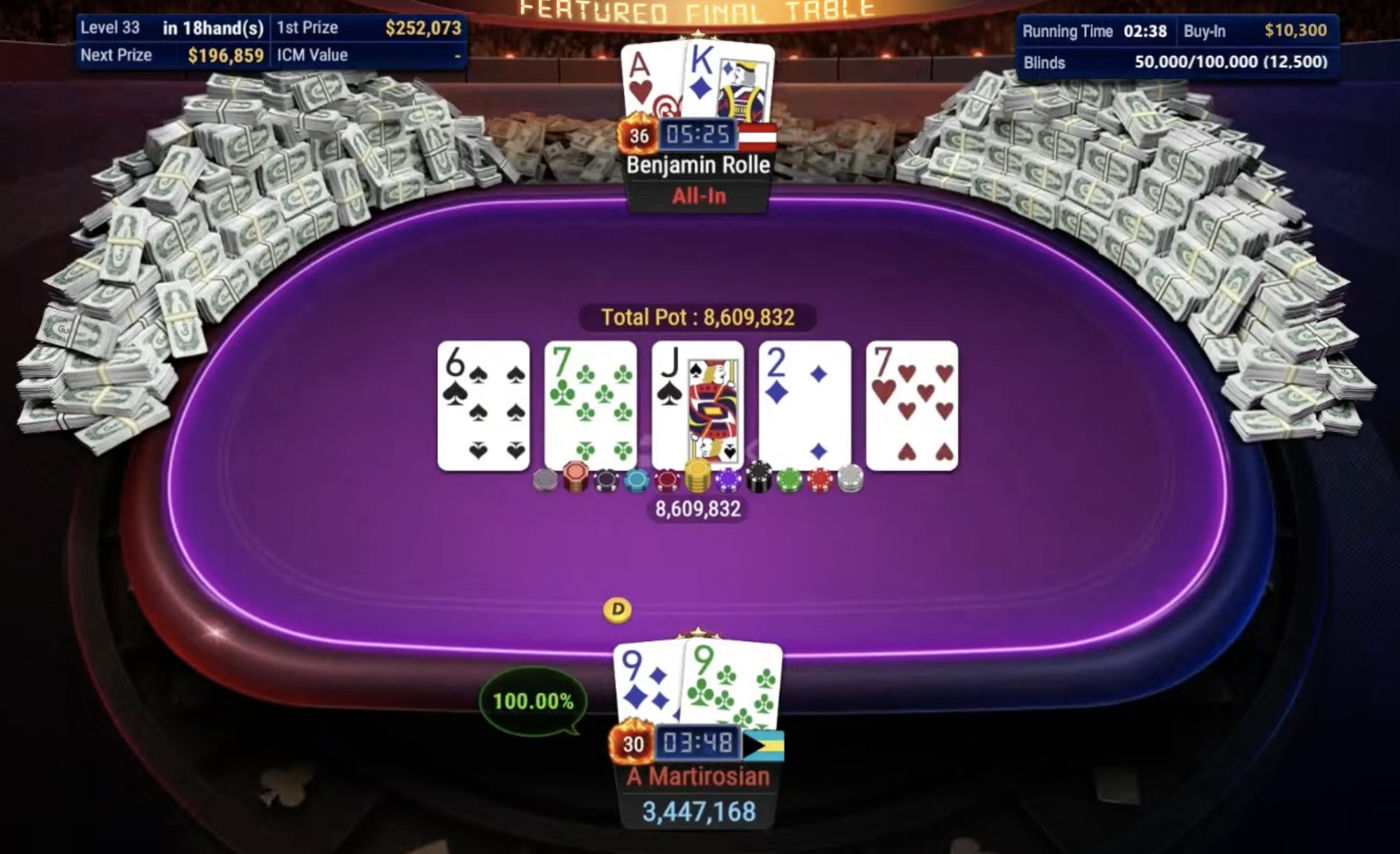
The discussion shifts to GGMillions, where the tone changes. Martirosyan has extraordinary results in this tournament, with a recent title propelling him to an absurd level in the historical rankings. While others might throw a big celebration, he treats it almost like just another day in the office. He speaks pragmatically about GGMillions, even asserting that it's not the hardest regular high stakes tournament. According to him, GGMillions has a unique value because it attracts a broader mix of players and regularly offers the best weekly high stakes product.
When asked about volume and motivation, Martirosyan says he simply enjoys playing. He doesn't force himself into poker and dislikes financial goals. He wants to be one of the best, enjoys working on his game, and cherishes playing. In an environment where players often talk about processes, mental routines, ambitions, and brand building, his answer seems almost old-fashioned. Yet, given his results, it carries significant weight. Not every massive grind needs to be built on motivational slogans. Sometimes, it's enough for a player to genuinely want to sit at the table and solve the next spot.
However, it's not true that he plays relentlessly and under any conditions. Martirosyan describes how he once had periods where he played 12 hours every day for a month and a half. Today, he chooses his schedule based on favorable conditions. Outside major online series, he often plays only Sundays; during major festivals, he might play three, four, or five days a week. The key is that he doesn't play out of compulsion.
Tennis, Magnus Carlsen, and Discipline Beyond Poker
When not playing poker, Martirosyan dedicates much of his time to tennis. He shares in the podcast that he mostly plays with a coach and even against talented youngsters who possess good technique and reasonable power. It might sound funny to those outside the sport, but ten- or eleven-year-old tennis talents can be quite challenging opponents. For him, it's the ideal level that forces him to move, exert himself physically, while not experiencing complete dominance from a professional player. Tennis evidently provides a different type of competition than poker – more physical, rhythmic, and immediate feedback.
Chess is another intriguing topic. Martirosyan uses Magnus Carlsen as his avatar on GG, sparking many questions. He explains that Magnus is, for him, the face of chess, a legend, and possibly the best player of all time. Interestingly, he sees him as a symbol of discipline. Looking at Magnus's face reminds him to stay more disciplined. Martirosyan used to play chess more, especially after the popularity surge from the Queen’s Gambit series, but now he plays only rarely.
WSOP as a Vacation
The most striking statement of the episode comes almost as an aside. When discussing the exhaustion from major live series, Martirosyan states that WSOP feels like a vacation for him. Compared to Triton or the toughest online spots, he perceives WSOP as an environment where he doesn’t have to delve as mentally deep in every hand. He has a strategy, he doesn't face as concentrated a field of elite regulators, and many situations are, according to him, simpler. For many players, WSOP is the most demanding poker marathon of the year. For Martirosyan, it’s paradoxically a more relaxed arena with a vast mix of opponents.
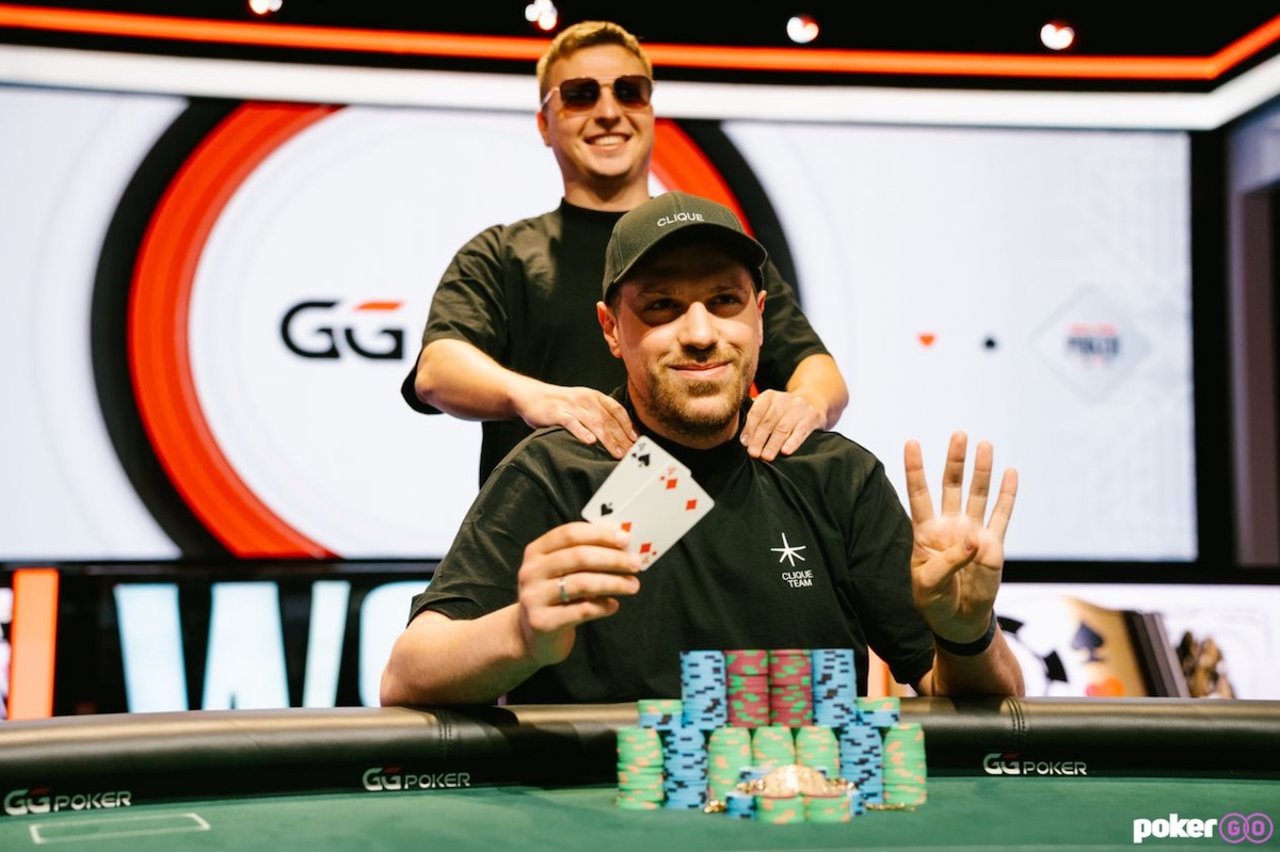
When asked about his strengths as a player, Martirosyan responds specifically: gear shifting. He believes many players, even at high stakes, cannot correctly change pace and adapt to the current stack. If someone was a chipleader and falls to an average stack, they often continue to play as if they still had a massive stack. According to Martirosyan, this is a major mistake. Every hand is played in a new context; stacks change, ICM changes, the position in the tournament changes, and a good player must be ready to switch gears.
Beyond that, he considers theoretical knowledge and the ability to play against VIP players as a strong suit. He says he knows many theoretical areas very well, although not everything, naturally. He also notices that some players approach spots against VIP opponents in a way he would choose entirely differently. This is an important detail. Modern poker isn't just about who has the more precise solver. It's also about who understands when theory should serve as a foundation and when a player must change strategy based on the specific opponent.
Downswings, Calm and Study
Martirosyan claims to handle major downswings relatively well. With every subsequent one, he feels he improves and mentally feels strong. He has never broken things, usually remains patient and can keep poker in his mind to a manageable degree. He might talk less, seem quieter, but externally keeps things to himself.
Yet, he admits that some hands remain in his mind. Particularly, big final tables and situations where he had two almost equal options and post-elimination his mind returns to the alternative. He recalls a major $10K WPT final table where he finished sixth after a very close decision. After busting, a commentator posed a question as if he should be happy with the outcome, which evidently affected Martirosyan. For an observer, sixth place is a great success, but for a player, it's the worst possible end of the day.
When discussing study habits, Martirosyan talks about marking hands for later review and analyzing them in free days. It’s not just his own hands. If someone at the table plays something unusual, he notes it and revisits it later. Most of the time, he finds it genuinely was strange, but occasionally he discovers he was mistaken, and the opponent found a new strategy. This detail reveals his curiosity: suspicion, review, control, and willingness to accept that even an odd line may have logic.
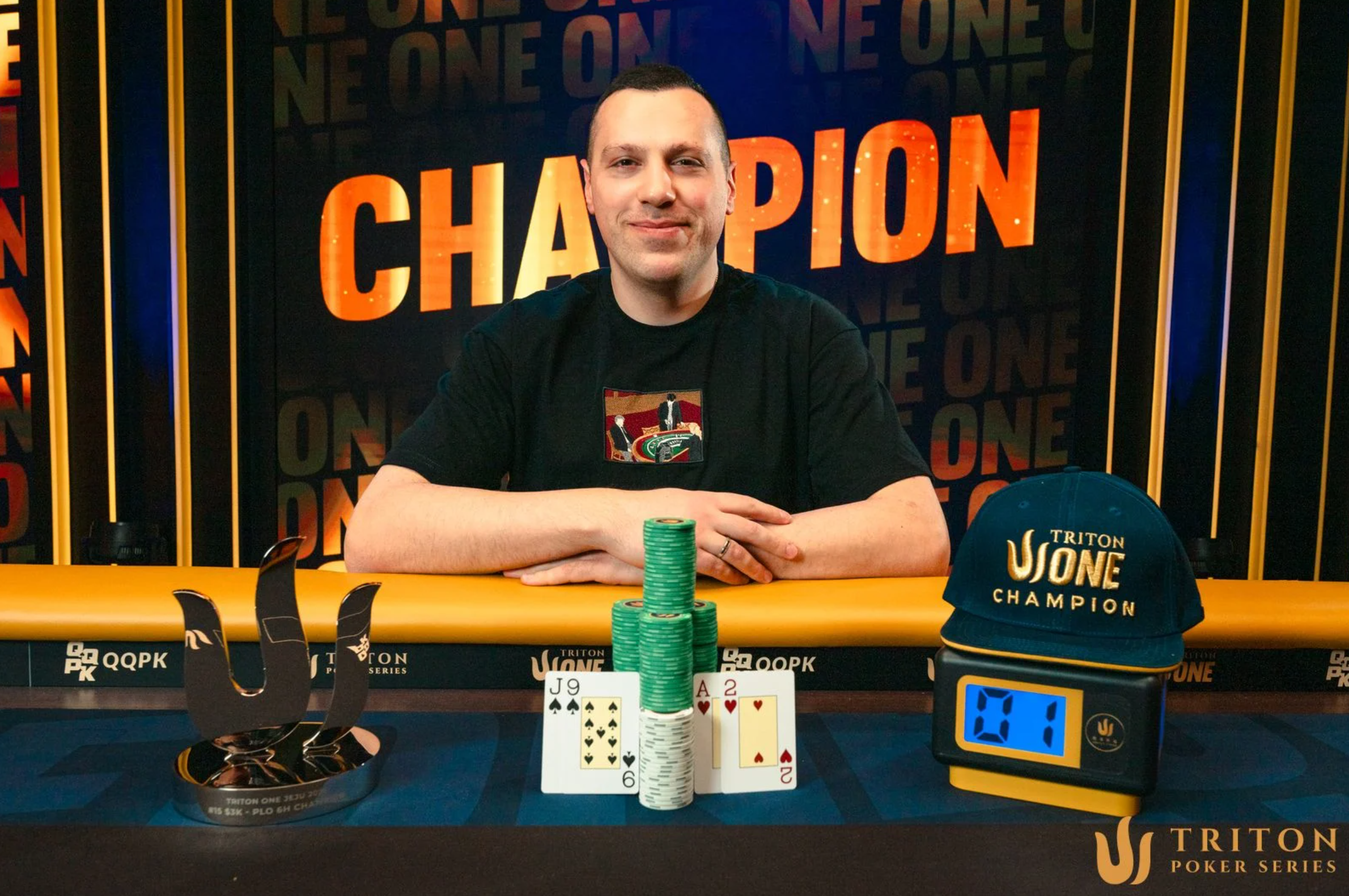
Interestingly, Martirosyan never had a classic coach. Initially, he was entirely on his own. Today, he has students to discuss the game with, and occasionally reviews hands with other players, especially with Ponomarev, who can candidly tell him when he thinks he played poorly. Usually, he's content with analyzing a hand and drawing his own exploits.
Three Names He Hopes to Avoid at the Final Table
For a lighter note, the question arises as to whom he least wants to see at a Triton final table where everyone has 30 blinds. Martirosyan immediately mentions Alex Ponakovs, then Juan Pardo, and finally the duo of Adrian Mateos and Mikita Badziakouski. It's not a lengthy segment, but it speaks volumes. When a player of his caliber selects names without hesitation, it shows whom he truly respects in the toughest possible spots. In the high stakes world, this might be the most genuine form of respect: not a compliment, but the admission that you don't want to share a table with a player when stacks are even, and every decision is excruciating.
In closing, a question on life outside poker presents unexpected possibilities. If not for poker, Martirosyan can imagine journalism, photography, commentary, perhaps business, and humorously adds dolphin training. It's unclear if any of these paths would have truly happened, but it aligns with his profile. He doesn't offer a grand alternative narrative, rather a dry enumeration of things that might interest him if poker hadn't drawn him in so deeply.
In the podcast's conclusion, Martirosyan offers three recommendations. The first is balance – not just in poker, but in life. The second is not forcing oneself to play when one doesn’t want to. The third is the hardest: for those starting in poker and wanting to be good, they must know it’s not as easy or fun as it might appear from the outside. Poker demands a lot of time, effort, and at the end, there might be nothing. One must truly believe in themselves and what they’re doing. It’s not a motivational quote. Rather, it's a warning from a player who seems to have reached the top calmly, but between the lines admits how much volume, solitude, and work was behind it.
More from GTO Lab Podcast
David Yan: Why Empathy and Sleep Can Give You a Bigger Edge Than a Solver
Juan Pardo: GTO Without Ego and a Player's Journey to Being the Best
Dan Smith: Depression, Battling Inner Demons, and Finding Balance Beyond Poker
Samuel Mullur: From His Mom's Basement to the Pinnacle of High Stakes
Ben Tollerene: The Story of an Online Legend and Triton Champion Who Paid a High Price for Success
Brian Rast: Poker, Solvers, Bitcoin, and the Life of the Most Versatile Player of the Modern Era
Kevin Rabichow: Why Poker Growth Is Hindered by Bad Habits, Not Bad Cards
Kayhan Mokri: If Everyone Uses the Same Tools, Find Your Edge Elsewhere
Seth Davies: Poker Teaches You a Lot, but You Have to Grow Up Away From the Table
Dan "Jungleman" Cates: Why Raw Genius Isn't Enough, and the Game Will Eventually Catch Up
Stephen Chidwick: Why Results Are Deceptive, and Decisions Matter More
Ike Haxton: Precise Sizing Doesn't Matter, the Real Edge Is a Calm Mind
Alex Kulev: What You Need to Change in Your Mindset to Make the Leap to High Stakes
Leon Sturm: Independent Thinking in the High Roller Scene
Orpen Kisacikoglu: The Solver Gives Quick Answers, But Takes Away Thought Process
Alex Ponakovs: Why Independent Thinking Is More Important Than Blindly Following Solvers
Nick Petrangelo: No More Weak Players in $100k Tournaments, It's All About Continuous Work
Daniel Negreanu: Staying at the Poker Pinnacle Requires Hard Work, Not Luck
Fedor Holz: I Once Wanted Wins, Titles, and Money. Now I Want Happiness
Sources – YouTube, PokerNews, TritonPokerSeries, PGT
Photo Credits – Tomáš Stacha, PokerGO, TritonPoker
