

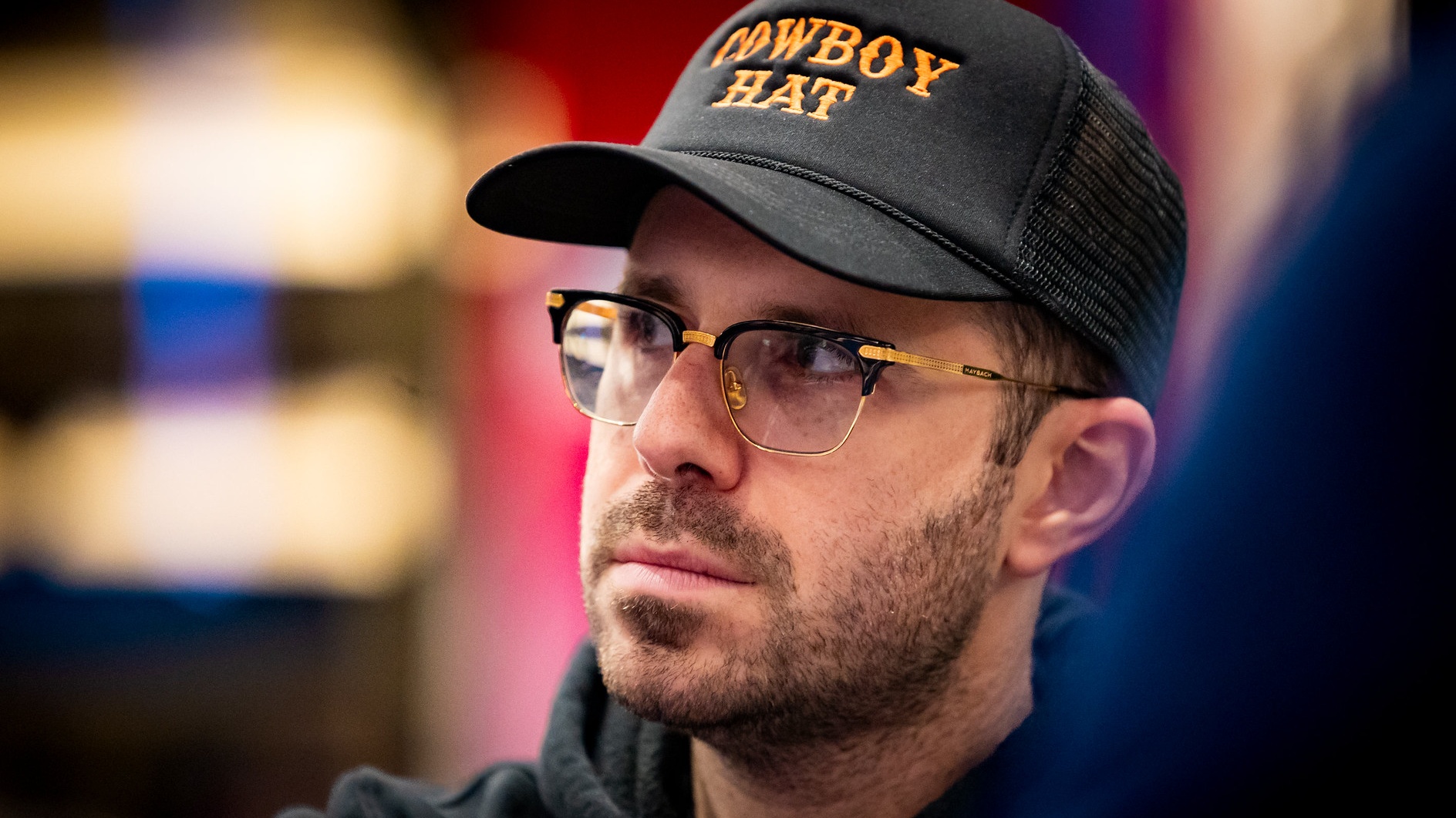
Dan Smith speaks candidly about the pivotal moments of his career. He recalls the years of almost absurd success—like 2012, when he won Player of the Year and hit three $5K tournaments consecutively. He talks about major high roller victories, like the 200K Monte Carlo win for $4 million, and the periods when his name became synonymous with the pinnacle of global tournament poker. During such times, poker seems easy: decisions flow, opponents respect every bet, and a player feels unstoppable.
Yet, this interview is not all about that. Smith also openly discusses the downfalls. After Black Friday, his bankroll took a significant hit. Later, during COVID, he lost a substantial amount in online high-stakes tournaments, prompting him to question if online games were too technical and if he should quit. According to him, Nick Petrangelo told him to stop being a coward and just continue. A month later, Smith won nearly $2 million.
Poker is Neither Just Solvers Nor Pure Intuition
A major part of the interview revolves around what it means to be good at poker today. Smith admits he's never been the type of player whose greatest strength is mechanically memorizing computer strategies. He says sometimes, even after years, he finds himself unsure about pre-flop decisions on the small blind. Yet, he knows he has something else: a natural feel for the game, live reads, the ability to sense when something is off, and the willingness to trust his intuition in situations where the solver’s output isn't the whole story.
This is where the conversation becomes interesting for players who follow modern poker more strategically. Smith argues that good river decisions often result from the entire process. It's not just advice like “call the river more often.” The river is the end of a journey that started pre-flop, continued through the flop, turn, dynamics, sizings, blockers, live reads, and how a specific opponent perceives the situation. Smith says that sometimes he must decide whether to rely on physical tells, such as changes in breathing, or on technical combo and blocker analysis. Both layers are important, but you can't always process them both in full depth.
Smith illustrates this with mixed games and the 50K Players Championship. He knows that in some games, he’s not on par with the best specialists, so he can't afford to dive too deep into the metagame just because he feels an opponent might be exploiting him. This is a lesson that transcends specific hand history. The worst decisions often stem not from ignorance but from an excessive effort to be a step ahead of someone who might already be two steps ahead.
Momentum is Not Just a Poker Myth
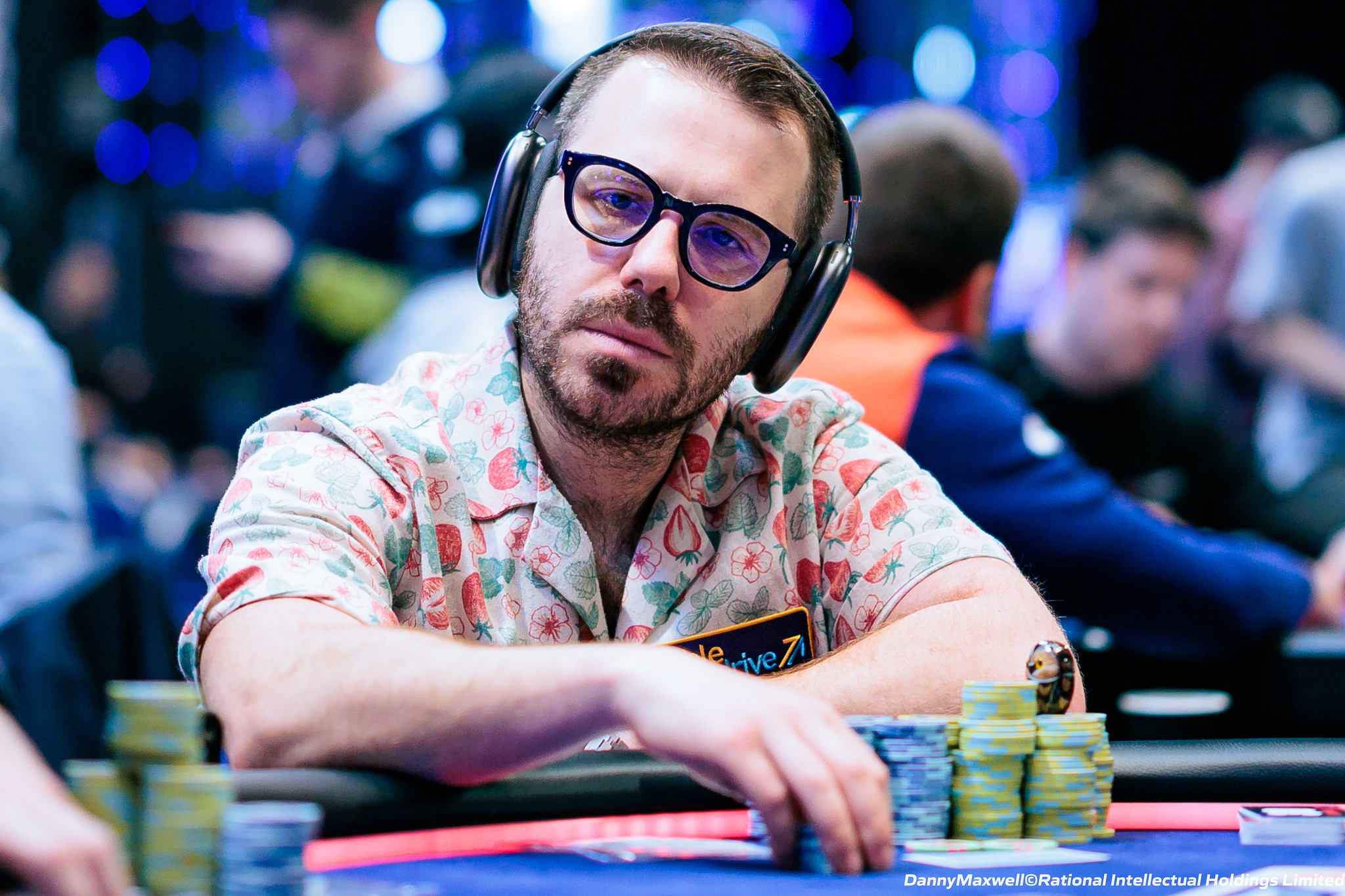
Momentum is one of the main topics of the conversation, and Smith embraces it very openly. Although he understands the argument that cards are independent and people often create patterns where results are random, he also says that momentum feels very real. When he's winning, poker is easier. Decisions come more fluidly, live reads are sharper, and the green light in his head flashes more frequently. When he's losing, the mind works harder, and even simple decisions can feel uncomfortable.
Smith compares this to tennis. After winning a match, playing the next one becomes easier. When he hits his rhythm, he doesn’t overthink every step. If he messes up a few shots, suddenly he's concerned about footwork, stance, and technique. In poker, it's similar, just less visible. Momentum doesn’t mean the next card will be better. It means a player feels freer, less stuck, less afraid, and more capable of making a decision that makes sense at that moment.
Food Poisoning and the Risk of Depression
The interview also offers some extraordinary poker stories. The most intense one takes place at the 25K Monte Carlo High Roller, where Smith got food poisoning right in ITM. The situation deteriorated to the point where he was vomiting into a bin between hands, and staff were urging him to go to the hospital. Smith's response was pure high roller absurdity: he had about $200K equity in the tournament, so he wasn’t leaving.
They even hooked him up with a heart rate monitor. In one hand, he picked up jacks, action escalates before him with a cold 4-bet and 5-bet, and a nurse tells him his pulse is alarming, advising him to leave. Smith contemplates the hand. He finally folds, his opponents show king-jack suited and ace-king, and he would have become the chip leader. Instead, he finishes seventh.
The most personal part of the podcast comes when Smith talks about depression. In the years he tried to reach the top, he says he believed that if he got better at poker, he would be happier. He wanted to win more, achieve higher status, be number one in the GPI, prove he belonged at the top. And much of that he achieved. But when he became an accomplished poker player, the other aspects of his life remained unchanged.
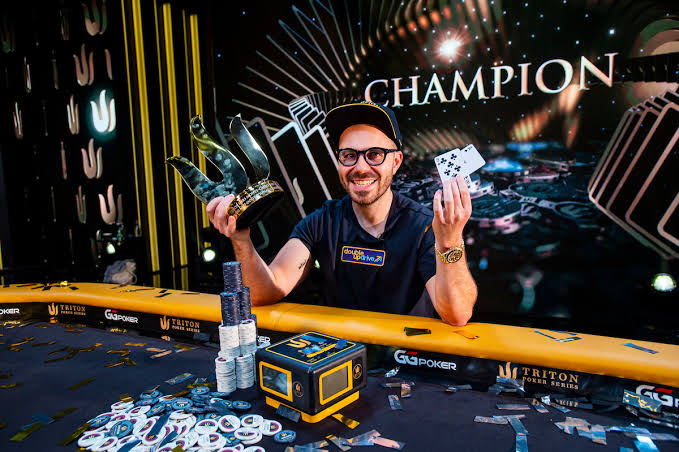
Smith admits that he struggled with depression during this time and that he had a harsh inner voice. The kind of voice, he says, he would never use with another person. The turning point came through meditation, psychological work, and the realization that his worth does not depend on how good he is at the tables. He also talks about Lucky Chewy, whose way of thinking intrigued him so much that he wished his own mind worked similarly.
Out of this period gradually emerged Smith's charitable project, Double Up Drive. In the interview, he explains that the idea came after a deeply personal experience at Burning Man when he started to wonder if, having become a truly exceptional poker player, he might also have a greater chance to do something meaningful beyond poker. Double Up Drive functions as a matching drive: Smith and other matchers create a money pool, and public donations are doubled for selected effective charities. The project's official site states that with the help of matchers and the public, Smith has helped raise over $26 million for effective charities; he mentions in the podcast that over ten years, the total is nearing $30 million.
Exercise, Sauna, and Returning to the Body
A large part of the conversation transcends poker entirely. Smith talks about exercising, saunas, tennis, snowboarding, and the necessity of having things in life that bring joy. Poker is a game where you can do everything right and still lose. A tournament player mostly loses, even when playing excellently. Thus, he believes it’s important to have activities where you put in effort and see results almost immediately. Training, going to the sauna, moving the body—these are small victories the brain needs.
Smith also advises people to find a form of movement that doesn’t feel like punishment. For him, it’s tennis or snowboarding. He doesn’t need to “go for a run” if running doesn’t excite him. He wants to chase a ball, ride powder, do something where he’s present. This beautifully ties into the theme of momentum. In poker and life, it’s hard to create a good mental state purely through willpower. Sometimes it needs to be built through the body, routine, movement, and simple action.
An interesting paradox is that Smith describes himself as extremely competitive, yet poker doesn’t always fulfill this need. In tournaments, a player may sit for long hours, folding, observing other hands, and waiting for moments where their edge truly comes into play. It’s not comparable to tennis, where each point brings an immediate duel and every rally offers clear feedback. Poker is competitive, but often slow, interrupted, and full of variance.
In this episode, Dan Smith doesn’t come off as a player looking to hide behind psychology, charity, or life philosophies. He still speaks like a professional, thinking about range, sizing, ICM, river decisions, exploitation, and how the game evolves. Yet he also shows that pure strategic language is not enough to understand the entirety of a career. Momentum, confidence, depression, inner voice, health, movement, charity, and the ability to be a beginner in other areas—all these form a player as much as studying solvers.
More from GTO Lab Podcast
Samuel Mullur: From His Mom’s Basement to the Pinnacle of High Stakes
Ben Tollerene: The Story of an Online Legend and Triton Champion Who Paid a High Price for Success
Brian Rast: Poker, Solvers, Bitcoin, and the Life of the Most Versatile Player of the Modern Era
Kevin Rabichow: Why Poker Growth is Hindered by Bad Habits, Not Bad Cards
Kayhan Mokri: If Everyone Uses the Same Tools, Find Your Edge Elsewhere
Seth Davies: Poker Teaches You a Lot, but You Have to Grow Up Away from the Table
Dan “Jungleman” Cates: Why Raw Genius Isn’t Enough and the Game Will Eventually Catch Up
Stephen Chidwick: Why Results are Deceptive and Decisions Matter More
Ike Haxton: Precise Sizing Doesn’t Matter; The Real Edge is a Calm Mind
Alex Kulev: What You Need to Change in Your Mindset to Make the Leap to High Stakes
Leon Sturm: Independent Thinking in the High Roller Scene
Orpen Kisacikoglu: The Solver Gives Quick Answers, but Takes Away the Thought Process
Alex Ponakovs: Why Independent Thinking is More Important than Blindly Following Solvers
Daniel Negreanu: Staying at the Poker Pinnacle Requires Hard Work, Not Luck
Fedor Holz: I Once Wanted Wins, Titles, and Money. Now I Want Happiness
Sources – YouTube, Triton Poker, PokerNews, Flickr/PSlive
