

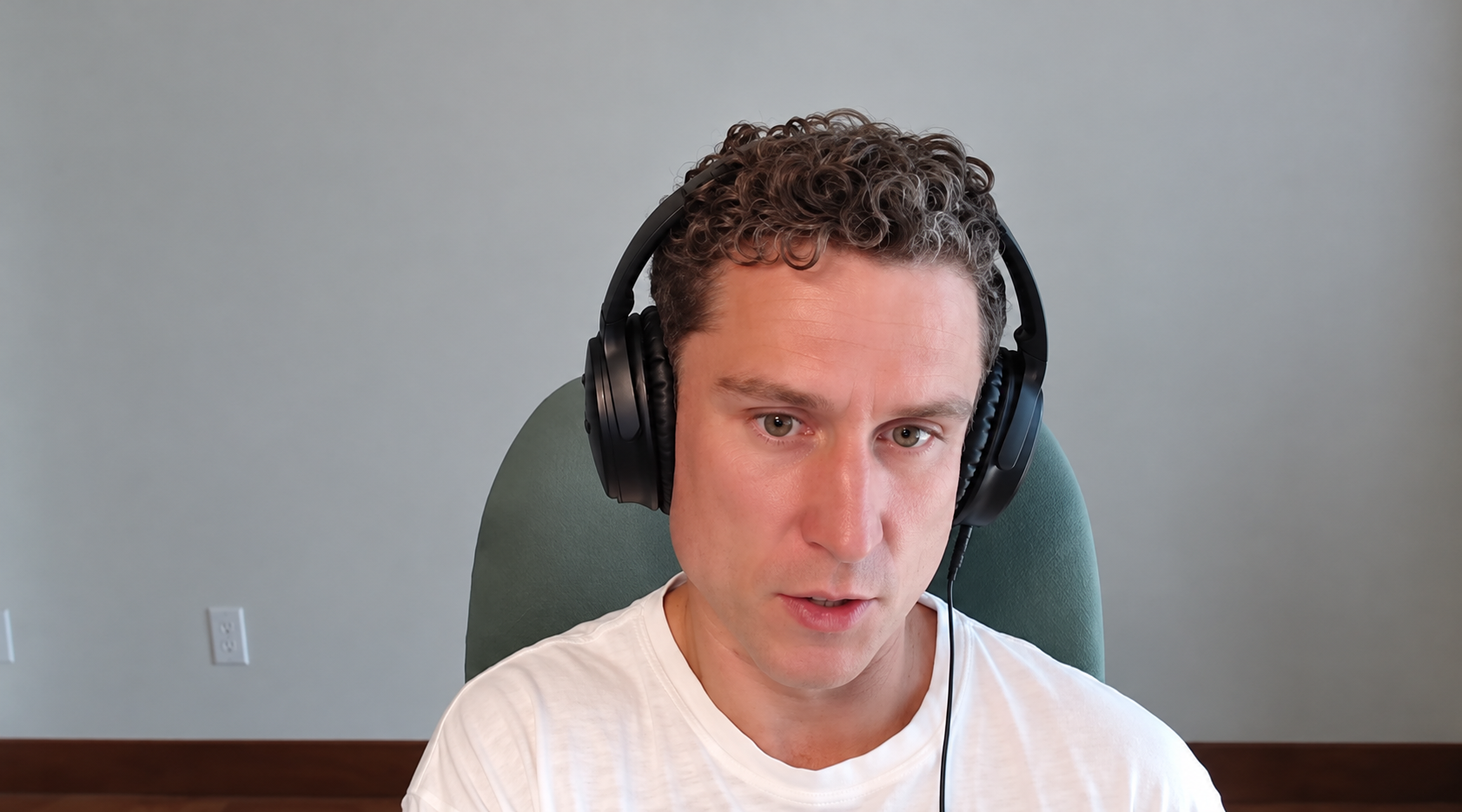
Daniel Dvoress is renowned in the high stakes scene as a player who is nearly always prepared, focused, and technically precise. But his success isn't solely due to solver competence — Dvoress views poker as a long-term process, where the key lies in maintaining focus, consistently improving, and knowing when to play traditionally versus when to venture into less-charted territories.
According to Daniel, it's impossible to stay maximally focused throughout an entire tournament. Attention is a limited resource, and even the best players must work with varying levels of concentration. The difference between elite players and others might not be that one operates at an A+ level consistently, but rather the gap between their best and worst states.
Dvoress keeps himself engaged by setting small mental challenges at the table. Rather than passively observing the game, he chooses specific aspects to focus on — timing, sizing, reactions, or a particular type of strategic decision — making the process more interesting and reducing mental fatigue.
If You Can’t Explain It Simply, You Don’t Understand It
Dvoress has co-authored numerous coaching materials, and Jonathan Jaffe praises their quality as some of the best he’s seen. Dvoress attributes this to always striving to understand the underlying mechanics of a solver's output. It's not enough for him to know that a certain board uses a large sizing; he wants to understand why.
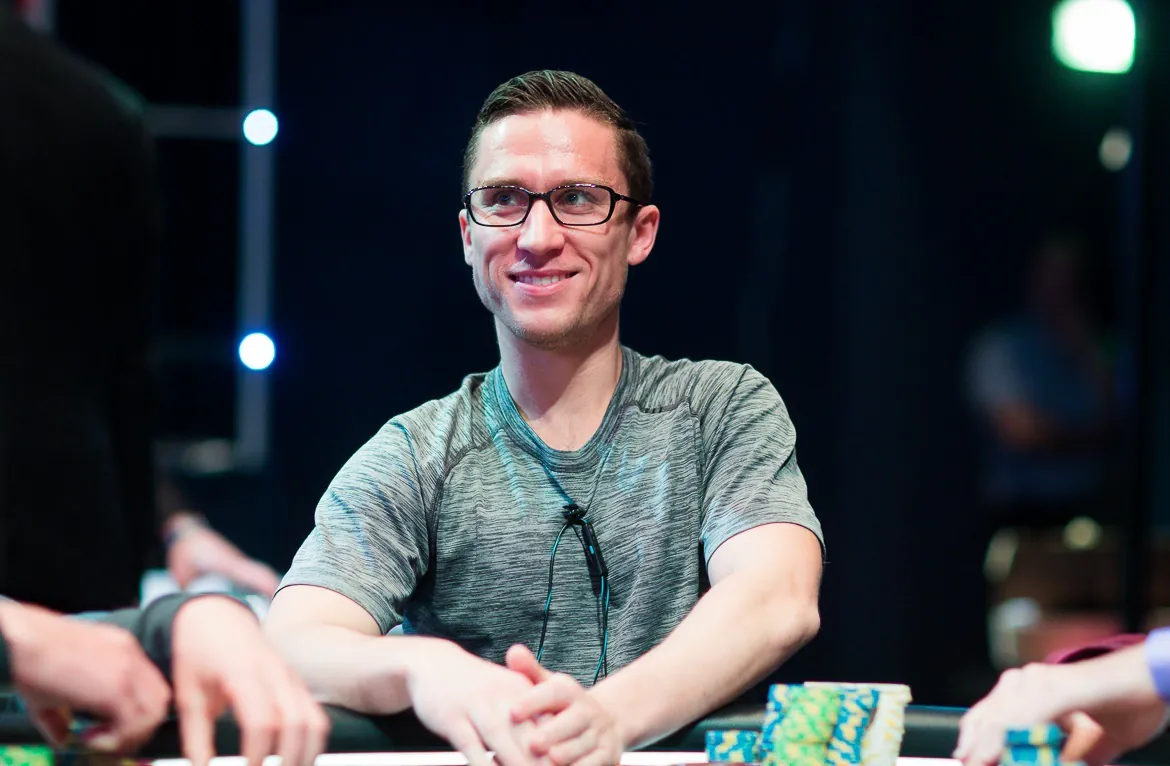
That's why he intentionally coaches players with very different levels of understanding. If he can't explain a complex idea to someone without his technical expertise, he sees it as a signal that he doesn't yet understand the concept deeply enough. He combines pattern recognition with conceptual strategic understanding, as mere memorization and theory aren't enough in real life.
Dvoress identifies a specific problem, particularly among highly studied players. If they spend significant time learning strategy, they can become too rigid. When an opponent does something unexpected — like using a completely atypical sizing — their mental model may temporarily collapse.
It's not that they don't know poker; the problem is that the situation doesn't fit into the structure they know. Dvoress describes players whose reaction to an opponent's atypical move leads to such frustration or anxiety that they stop asking the key question: What does this action likely mean and how should I respond?
The Journey Matters More Than the Current Position
One of the key ideas in the episode comes from a James Clear quote: “Trajectory is more important than position.” In poker, this holds almost perfectly true, according to Dvoress. The high stakes ecosystem changes rapidly. A player who is a winning regular today might not be profitable in two years if they remain at the same level. Being very good now but stagnating can be a worse position than being a level lower but continuously improving.
Dvoress talks about the difference between complex skills and the simple steps leading to them. If you struggle to play under extreme pressure, no one can simply tell you to stop being nervous. But you can go for a run. You can lift weights. You can sit down for another study session. These are low-skill components where the main obstacle is often just deciding to take action.
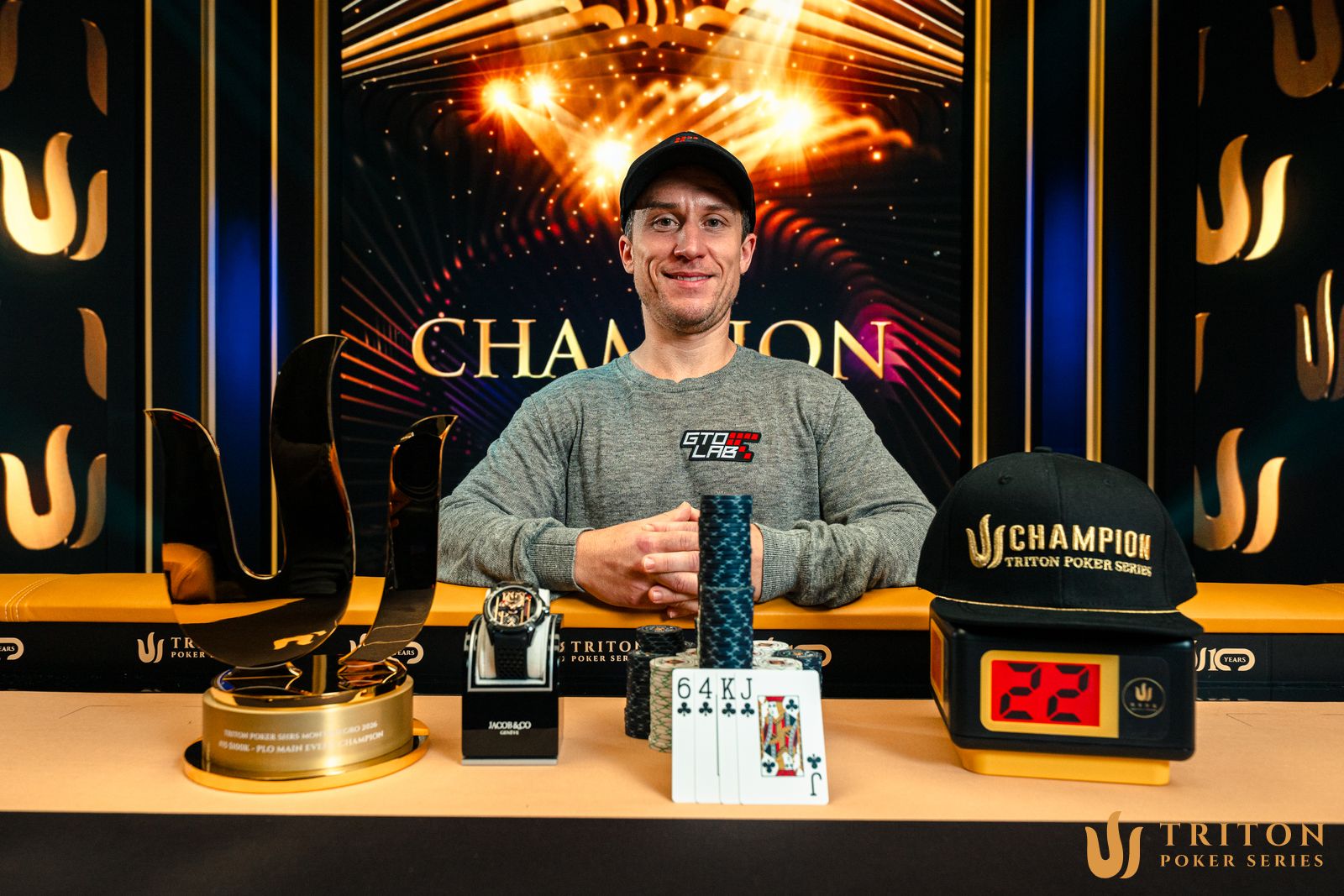
Dvoress doesn't deny the inner voice that searches for reasons to postpone. He has it just like everyone else. The difference is that when it comes to things directly tied to his most important goals, he doesn’t let it make decisions. According to Dvoress, 95 to 99 percent of people don't truly know what it means to reach their maximum potential.
Voluntary Discomfort as Mental Training
Dvoress's approach to performance continues beyond the poker table. Running, hiking, canoeing, and long outdoor expeditions aren’t just hobbies; they serve multiple functions. The first is meditation. Classic mindfulness meditation is challenging for him and requires a lot of conscious effort. A solo trip in nature, however, reportedly brings him to a similar mental state automatically.
The second function is voluntary discomfort. Cold, rain, a heavy backpack, insects, or physical fatigue create a reference point against which everyday problems seem less dramatic.
Throughout the episode, Dvoress’s approach revolves around one idea. You can't control whether you win a specific tournament. You can't control whether an opponent makes a hero call in a critical hand. And you can’t guarantee that every experiment at the table will work. But you can control the process.
Whether you’re learning mechanics or just memorizing outputs. Whether you’re exploring new possibilities or staying safe within known lines. Whether you switch to extreme exploit after one showdown or adjust the strategy gradually. And most importantly, whether you're still searching for reasons not to take the next step in areas you've marked as important.
More from the GTO Lab Podcast
Nate Silver: Why Poker is a Controlled Addiction and Intuition Can Be Stronger Than a Solver
Artur Martirosyan: WSOP as a Vacation and the Quiet Path of One of the World’s Best Players
David Yan: Why Empathy and Sleep Can Give You a Bigger Edge Than a Solver
Juan Pardo: GTO Without Ego and a Player’s Journey to Being the Best
Dan Smith: Depression, Battling Inner Demons, and Finding Balance Beyond Poker
Samuel Mullur: From His Mom’s Basement to the Pinnacle of High Stakes
Ben Tollerene: The Story of an Online Legend and Triton Champion Who Paid a High Price for Success
Brian Rast: Poker, Solvers, Bitcoin, and the Life of the Most Versatile Player of the Modern Era
Kevin Rabichow: Why Poker Growth Isn't Stopped by Bad Cards but by Bad Habits
Kayhan Mokri: If Everyone Uses the Same Tools, Find Your Edge Elsewhere
Seth Davies: Poker Teaches You a Lot, but You Must Grow Up Away from the Table
Dan “Jungleman” Cates: Why Raw Genius Isn't Enough and the Game Will Eventually Catch Up
Stephen Chidwick: Why Results Are Deceptive and Decisions Matter More
Ike Haxton: Precise Sizing Doesn't Matter, the Real Edge Is a Calm Mind
Alex Kulev: What You Need to Change in Your Thinking to Handle the Leap to High Stakes
Leon Sturm: How to Think Independently in a High Roller Environment
Orpen Kisacikoglu: Solver Gives a Quick Answer but Takes Away the Thought Process
Alex Ponakovs: Why Independent Thinking Is More Important Than Blindly Following Solvers
Nick Petrangelo: In $100k Tournaments There Are No Weak Players, So More Work Is Needed
Daniel Negreanu: Being at the Top of Poker for Many Years Is Hard Work, Not Chance
Fedor Holz: Once I Wanted Wins, Titles, and Money. Today I Want to Be Happy
Sources: YouTube, Triton SHRS, PokerListings, PaulPhuaPoker

