

Runaway to the Poker Tables
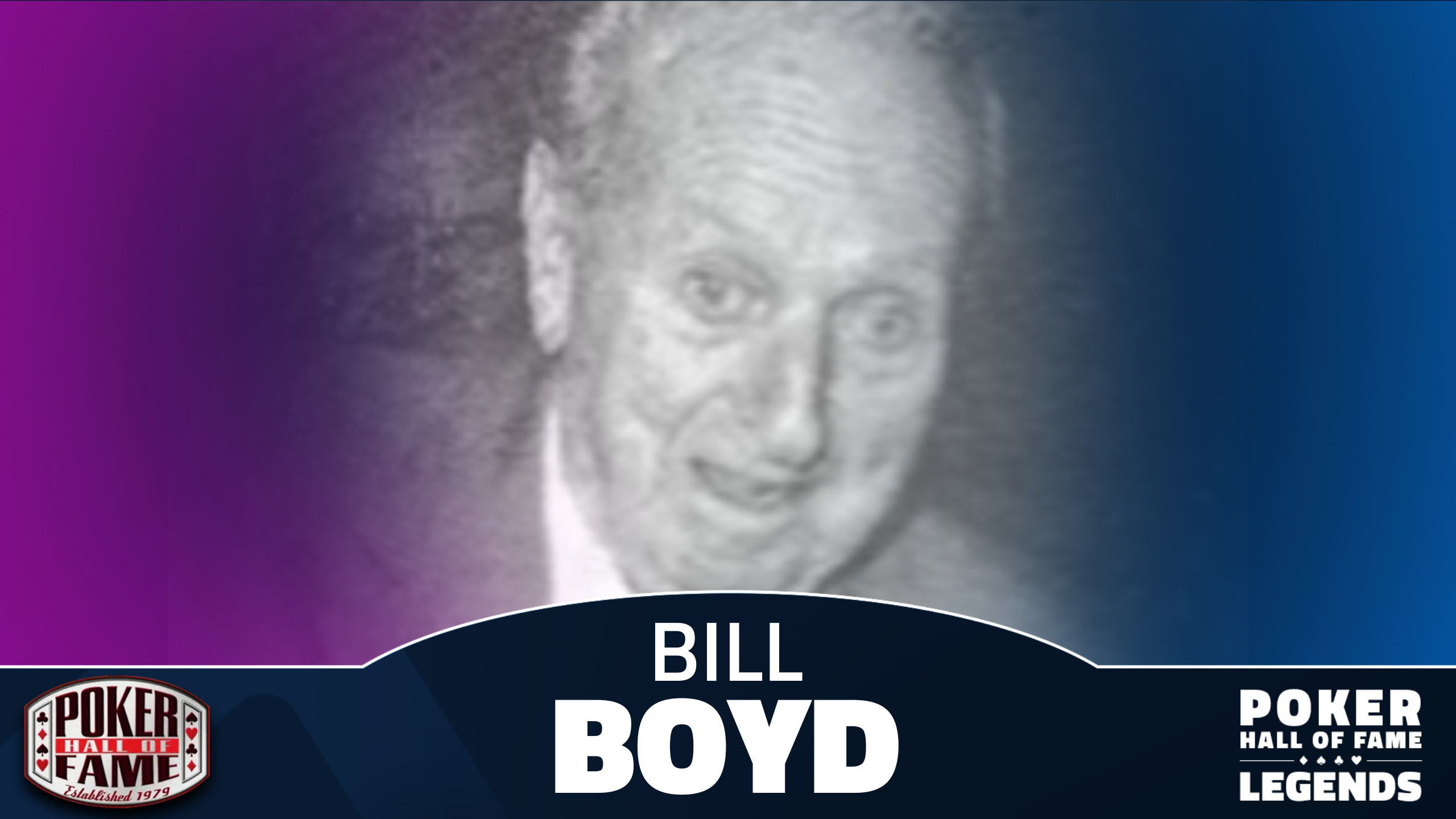
William Walter “Bill” Boyd was born on January 27, 1906, in the small town of McNeil, Arkansas, in a devout family where cards were seen as sinful. At 16, he defied family values and ran away. Jumping onto a freight train, he began his travels across America. To make ends meet, he worked in factories, picked crops, tried his luck in the oil fields, and played cards wherever he could. His life took a new turn in a Montana saloon, where he experienced his first poker triumph, turning $13 into $1,300 in a single day, convincing him that gambling was his true path.
Soon, he settled in San Francisco, where despite his young age, he got the chance to manage poker rooms. Here, he learned not only how to play but also how to run games—maintaining order at tables where rough workers met wealthy businessmen. Boyd’s calm yet authoritative style quickly earned him respect; he could end an argument with a single glance, without raising his voice.
The Architect of Poker Las Vegas
In 1946, Boyd moved to Las Vegas, at the time just an emerging gambling haven. He became the manager of the first poker room at the iconic Golden Nugget casino, where poker legends were born. Boyd was not just a boss; he was a visionary. He implemented innovations that defined modern poker rooms: dealing from the center of the table for greater fairness, plastic cards for longer durability, and strict anti-cheating rules. His room became the epicenter of high-stakes games, attracting titans like Doyle Brunson and Puggy Pearson. Boyd himself rarely played, preferring to oversee the smooth running of games, but when he did sit at a table, his mastery of 5-card stud was undeniable. His style was conservative yet brilliant: reading opponents like an open book, minimizing risks, and waiting for the right moment.
Master of 5-Card Stud
Boyd’s poker achievements culminated in the World Series of Poker, where he became synonymous with dominance in 5-card stud. In 1971, at the second WSOP, he won his first gold bracelet in the $1,000 No-Limit Five Card Stud tournament. In 1972, he repeated his triumph in a heads-up match in the $10,000 No-Limit Five Card Stud event.
The year 1973 brought a legendary and amusing tale when he was the only player in the $10,000 No-Limit Five Card Stud event. No one dared to enter against Boyd, allowing him to claim a third bracelet without even touching the cards. In 1974, he capped his series with a fourth victory in the $5,000 No-Limit Five Card Stud event with eight entries, taking home $40,000—the largest recorded win of his career.
Winning a WSOP bracelet four years in a row is a record matched only by Doyle Brunson and Loren Klein. However, Boyd is the only one to achieve such a record in a single discipline. His dominance was so overwhelming that 5-card stud disappeared from the WSOP program after 1974, as if organizers wanted to give others a chance to win.
Popularizing Omaha and Game Ethics
Boyd’s influence extended beyond his playing achievements. In 1963, he introduced “Nugget Hold’em” at the Golden Nugget—a precursor to Omaha, where players received four hole cards instead of the two in Texas Hold’em. This variant later evolved into modern Omaha, now one of the most popular poker games. Boyd’s vision brought new dynamics to poker, where strategy and variability played an even greater role.
As a manager, he also fought for game ethics: protecting players from cheats and supporting young dealers, often even lending them money for their livelihood. His room became a safe space where high rollers felt respected and protected. He ran his poker room for over four decades until 1988, becoming a man who maintained balance between the chaos of gambling and the professionalism of a casino.
The Path to the Hall of Fame
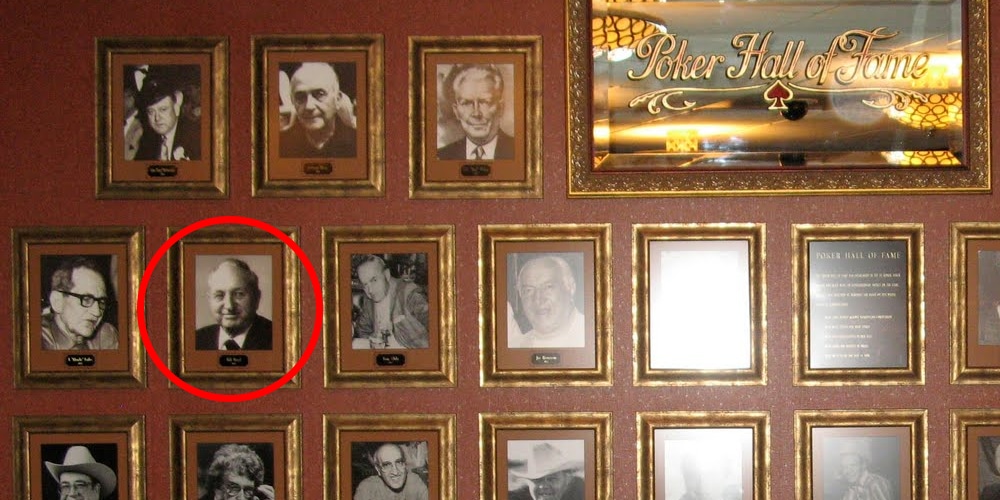
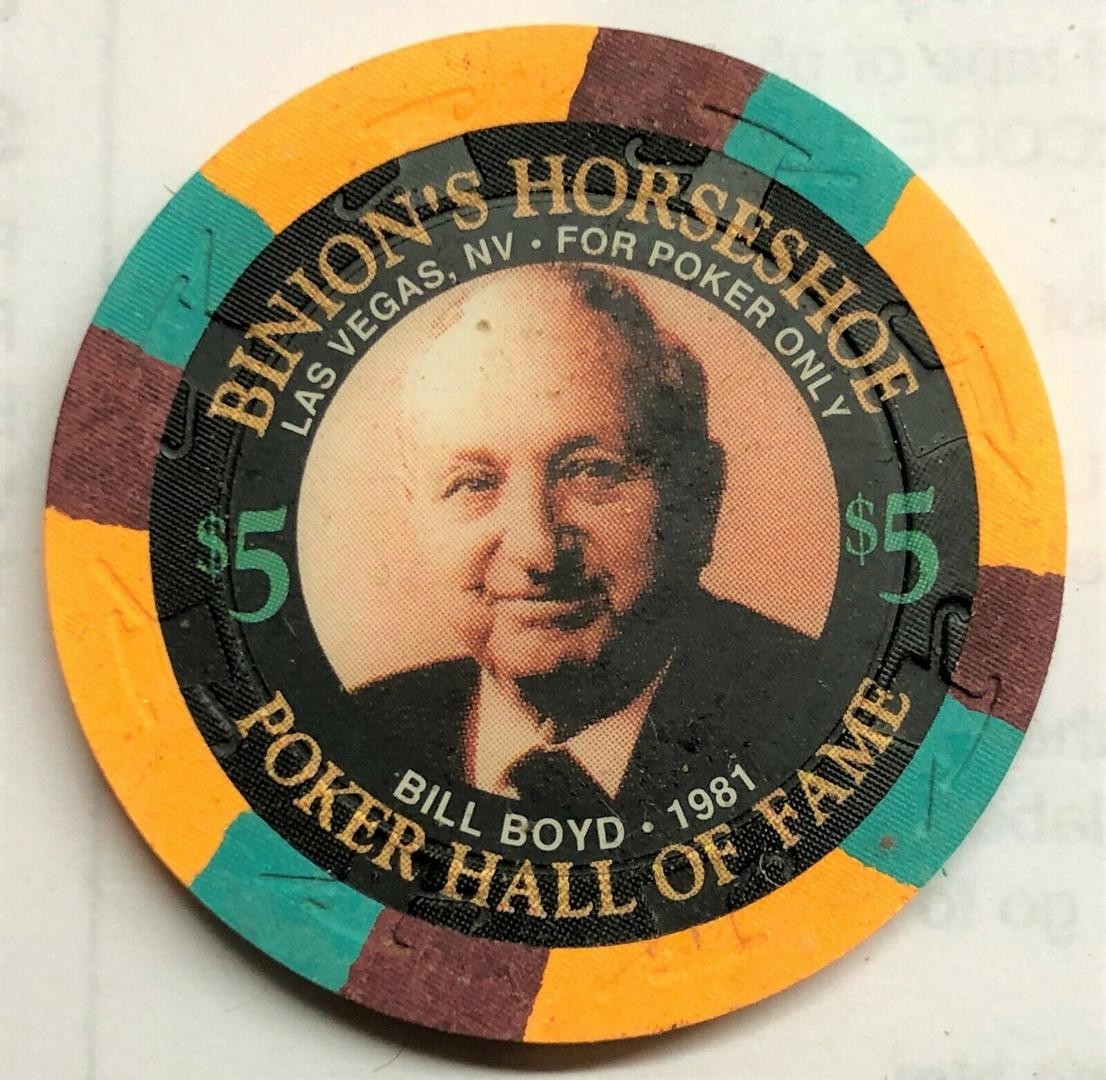
What led to Boyd’s induction into the Poker Hall of Fame? In 1981, he was chosen as the only member of the class and just the ninth overall, underscoring his exceptional contribution. His four WSOP bracelets, dominance in 5-card stud, and groundbreaking innovations at Golden Nugget made him an unmissable candidate.
Benny Binion, his friend and WSOP founder, called him “the soul of poker” for his ability to connect players, manage rooms, and bring honor to the game. In 1970, WSOP players voted him the “most respected player,” reflecting his reputation as a gentleman who never cheated and always stood by his word. Ironically, he retired from poker in 1982, only a year after entering the Hall of Fame. His reason was simple yet highly respectable. Once he felt his superior observational skills had left him, he stopped playing.
Boyd’s contribution to the game came at a time when Las Vegas was transforming into the global center of gambling, and his work helped legitimize poker as a professional discipline. He passed away on November 21, 1997, at the age of 91 from complications of a stroke, but his legacy lives on in every poker room, in Omaha, and in the standards of fairness he set.
.jpg)
Bill Boyd was not just a winner; he was a pioneer. From a runaway defying his devout family to a patriarch of poker rooms, his life stands as a testament to how passion and integrity can change the game. Boyd was a man who showed that poker is not just about the cards but about building a community that lasts for generations.
More from the Legends of PHoF
Poker Hall of Fame Legends VIII: T. "Blondie" Forbes
Poker Hall of Fame Legends VII: James Butler "Wild Bill" Hickok
Poker Hall of Fame Legends VI: Sid Wyman
Poker Hall of Fame Legends V: Red Winn
Poker Hall of Fame Legends IV: Edmond Hoyle
Poker Hall of Fame Legends III: Felton "Corky" McCorquodale
Poker Hall of Fame Legends II: Nick "The Greek" Dandolos
Poker Hall of Fame Legends I: Johnny Moss
Sources: Wikipedia, WSOP, The Hendon Mob, CardPlayer, Las Vegas Sun, WorthPoint

