

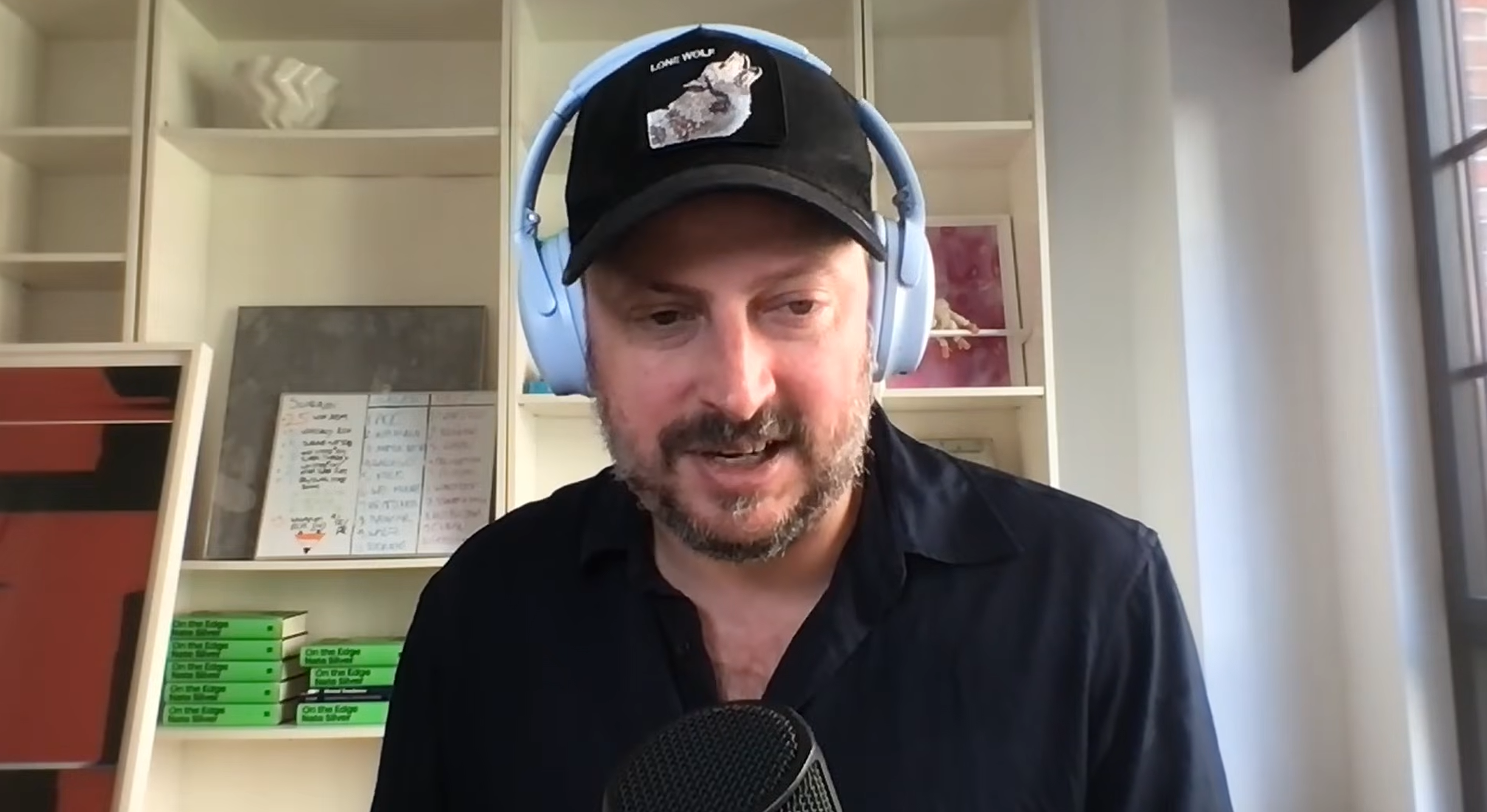
Nate Silver is renowned for his mastery of numbers, models, and probabilities, but poker has always been more than just another data challenge for him. Before founding FiveThirtyEight, he was a professional player, and after years in major media, he returned to the game. Nowadays, he juggles tournaments, high stakes cash games, his newsletter, and the world of predictions, finding increasing parallels between these arenas.
From Online Grind to FiveThirtyEight
Silver belongs to the generation of players who, during the poker boom, left traditional careers to pursue poker full-time. His main discipline was online limit hold’em, playing stakes as high as $100/$200 when it was one of the biggest formats on the internet.
However, a completely different career path emerged. Silver founded FiveThirtyEight, worked for The New York Times and ESPN, and poker slowly faded to the background. He even describes a time when, as an ESPN employee, participating in the World Series of Poker was challenging because ESPN broadcasted the event.
Eventually, he started returning to the game and around 2021 noticed something that later became a foundation for his book On the Edge. Poker players, venture capital managers, finance professionals, sports bettors, and AI researchers often share a similar mindset, which Silver dubs "The River."
For poker players, expected value is second nature—the goal of a hand isn’t just to win a specific pot but to make the decision with the highest long-term value. Silver claims to apply this same thinking to daily life. When booking a flight, he doesn’t just consider price but also how many productive hours he might lose waking up early; in his work, he may ponder what value another hour spent on an article could bring in terms of new subscribers.
This willingness to "quantify the unquantifiable" links many people in the River world. However, poker has a crucial advantage over other fields: mistakes cost players directly. Make poor decisions long-term, and your bankroll will shrink. In politics, business, or investing, feedback can be slower and fuzzier, with failures often explained by numerous external factors. According to Silver, poker creates an environment where players must regularly update their worldview.
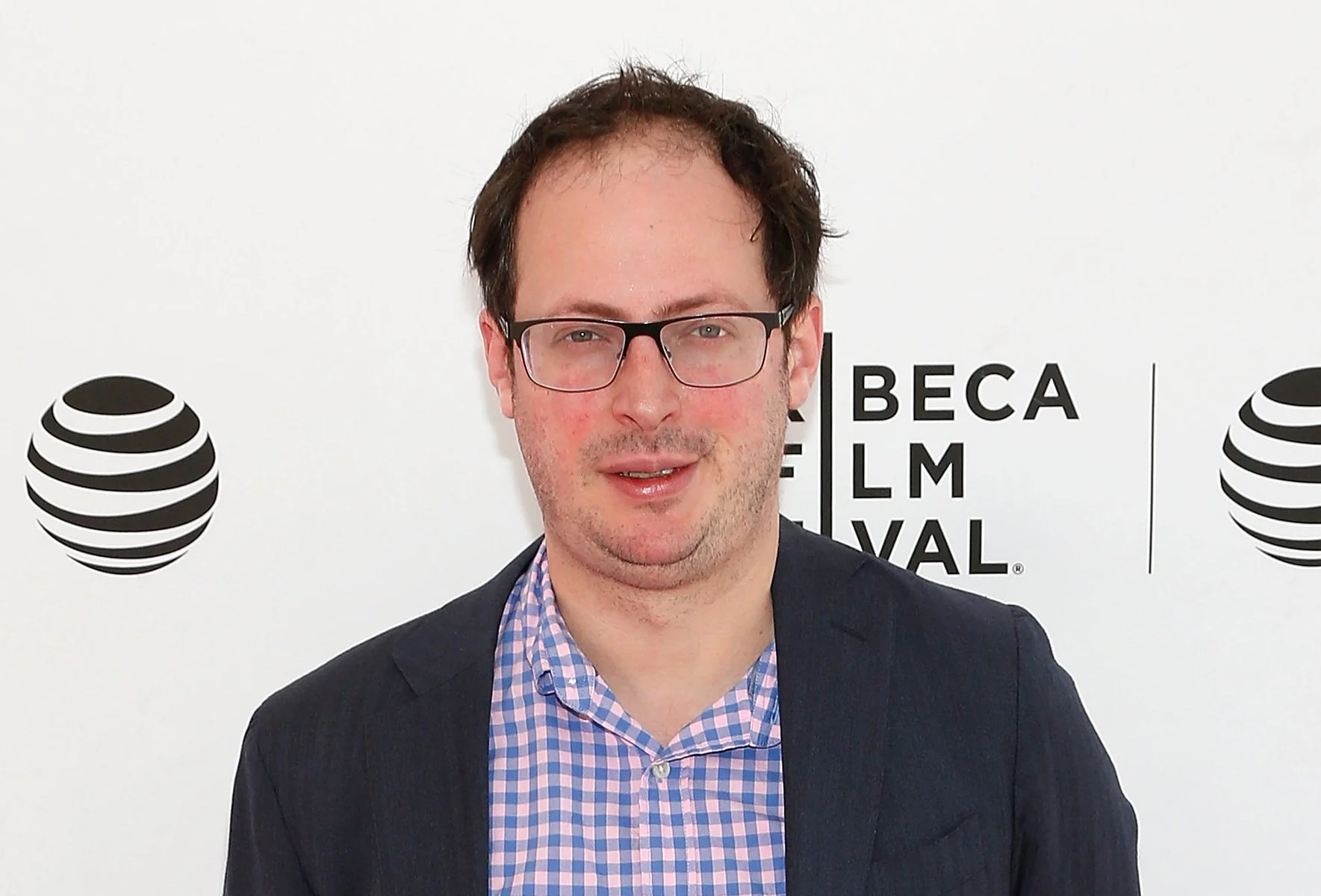
Solvers Can Measure Progress That Isn't the Most Important
Silver isn’t anti-solver; he uses them and openly discusses areas like ICM where he needs to study more. He sees the problem elsewhere. Poker players, by nature, love things that can be measured. If someone uses training software and their score rises from 91 to 93, they immediately feel a sense of progress. Yet, improving such a score doesn’t necessarily mean the player has fixed the biggest leak in their game.
Silver points out that sometimes too much attention is given to minor differences in GTO strategy, while much larger exploitative opportunities exist at the table. If a particular spot in live poker is dramatically underbluffed, the correct fold may be far more significant than a perfect understanding of blocker effects in a tight solver mix.
He approaches his own study similarly. Instead of memorizing numerous solutions, he likes to use solvers as a sandbox. He examines the same board at 20, 40, 100, and 200 big blinds, changes one card or sizing, and observes how the strategy shifts. The goal isn’t to memorize the answer but to build heuristics that can be applied at the table.
When Data Isn't Enough, Intuition Steps In
At first glance, it might seem odd for Nate Silver to advocate for intuition. In reality, he asserts that the more fundamental technical principles of the game are solved, the more value can be found in elements the model simply can't see. Live reads. Timing. History with an opponent. Their current emotional state. The way they checked.
Silver describes situations where he avoids overthinking during strong play as he tries to remain in a state where information is processed naturally and intuitively. Rather than explicitly running through five different heuristics in his mind, he sometimes simply feels that a particular part of a mixed strategy holds more weight in the given spot.
This, of course, raises another issue. How to distinguish genuine intuition, built from experience, from a mere desire to do something entertaining? A player might have a "feeling" they want to bluff, but in reality, they might just be bored. Or want to win a pot. Or want to bust a tournament so they can go to dinner. And the ability to differentiate between these impulses, according to the interview, is another level of poker decision-making.
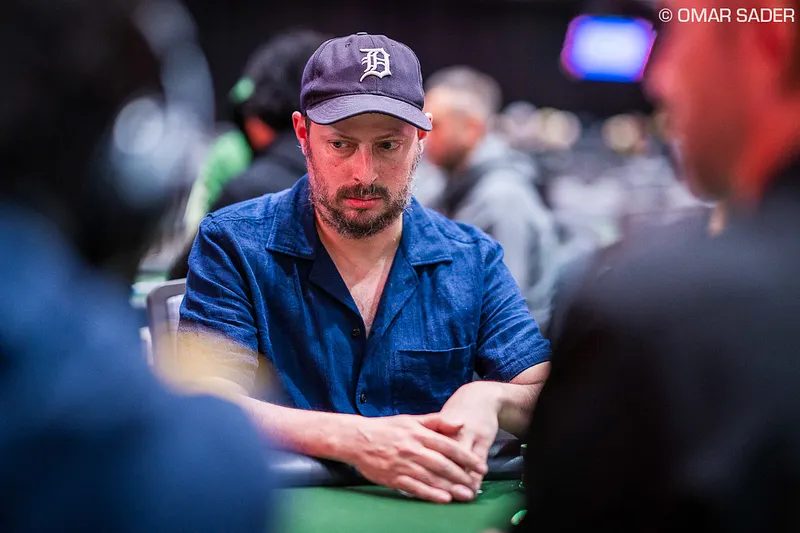
Poker as "Chasing the Dragon"
One of the most compelling passages comes from the discussion on why people play live tournaments at all. A tournament player loses the majority of the time. Even highly skilled professionals can frequently have losing years according to simulations, and in live tournaments, variance can stretch into extreme periods. Silver recalls a deep run in the 2023 WSOP Main Event, reaching the sixth day, yet he doesn’t describe this experience as an outright positive memory. That's why Silver likens poker to "chasing the dragon."
At high stakes, even the body reacts. Silver mentions his first experiences with $50/$100+ No Limit cash games, where the sensation of risk was almost narcotic. An increased heartbeat or stress isn’t automatically considered a problem. The body should know you’re playing stakes higher than usual. If the reaction is controlled, it can drive the player into a state of extreme focus.
Why Poker Can't Be Infinitely Optimized
Throughout the conversation, Silver often thinks in terms of EV. Yet, he admits that applying the same logic to everything can be a recipe for a miserable life. When you're self-employed, there’s always another article you can write, another hour that could bring subscribers, another tournament with positive EV. But at some point, even optimization itself becomes suboptimal.
The same applies to poker. Silver doesn’t have to play the toughest $10K tournament just because it’s more challenging. Sometimes, he chooses a softer $1K event, where he can play and leave anytime. He doesn’t always maximize poker EV. Sometimes, he prioritizes life EV.
And in this, Nate Silver stands out as an intriguing character for a poker podcast. His career is built on data, probability, and models, yet after decades with the cards, he still returns to what the model can never fully capture—people, intuition, motivation, flow, and the right moment to stop calculating and simply play the hand.
More from GTO Lab Podcast
Artur Martirosyan: WSOP as a Vacation and the Quiet Path of One of the World's Best Players
David Yan: Why Empathy and Sleep Can Provide a Bigger Edge Than a Solver
Juan Pardo: GTO Without Ego and a Player's Journey to Being the Best
Dan Smith: Depression, Battling Inner Demons, and Finding Balance Beyond Poker
Samuel Mullur: From His Mom's Basement to the Pinnacle of High Stakes
Ben Tollerene: The Story of an Online Legend and Triton Champion Who Paid a High Price for Success
Brian Rast: Poker, Solvers, Bitcoin, and the Life of the Most Versatile Player of the Modern Era
Kevin Rabichow: Why Poker Growth is Hindered by Bad Habits, Not Bad Cards
Kayhan Mokri: If Everyone Uses the Same Tools, Find Your Edge Elsewhere
Seth Davies: Poker Teaches You a Lot, But You Have to Grow Up Away from the Table
Dan “Jungleman” Cates: Why Raw Genius Isn't Enough and the Game Will Eventually Catch Up
Stephen Chidwick: Why Results Are Deceptive and Decisions Matter More
Ike Haxton: Precise Sizing Doesn't Matter, the Real Edge Is a Calm Mind
Alex Kulev: What You Need to Change in Your Thinking to Handle the Leap to High Stakes
Leon Sturm: How to Think Independently in a High Roller Environment
Orpen Kisacikoglu: A Solver Delivers a Quick Answer, But Takes Away the Thinking Process
Alex Ponakovs: Why Independent Thinking Is More Important Than Blindly Following Solvers
Nick Petrangelo: In $100k Tournaments, There Are No Weak Players, So Hard Work Is Essential
Daniel Negreanu: Staying at the Poker Top for Years Is Hard Work, Not Luck
Fedor Holz: Once I Wanted Wins, Titles, and Money. Now I Want to Be Happy
Sources - YouTube, PokerNews, X, Reddit
