

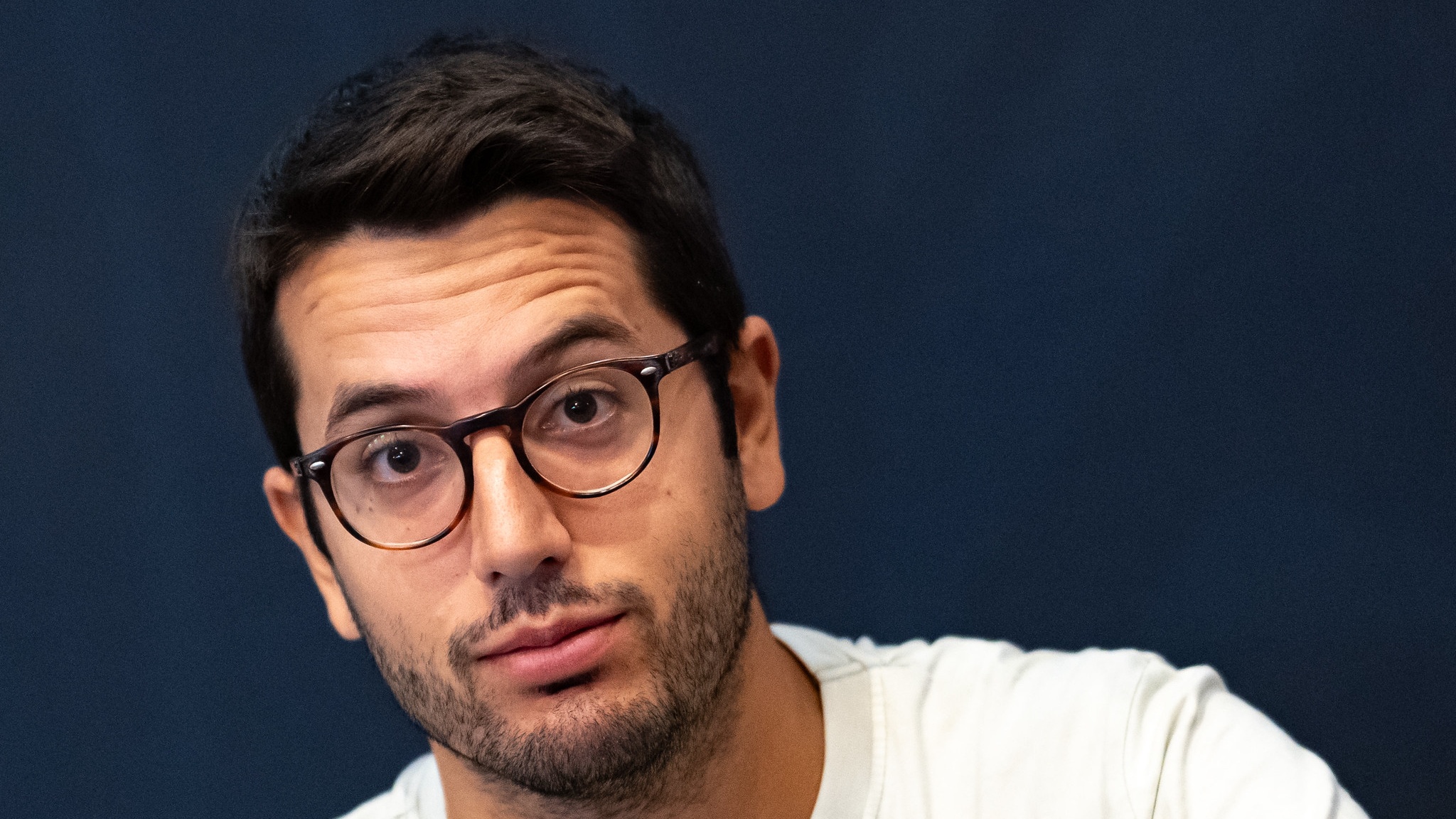
Pardo started playing poker at 17. Initially with friends, then online, where he hit an $11 tournament win of approximately $14,000 after just six months. For a teenager, this could have ended in many ways, but for him, it was the first sign that poker wouldn't just be entertainment. He continued studying, moved from Malaga to Seville, and later went on an Erasmus exchange to Faro, Portugal, where he lived with other Spanish poker players. School took a backseat, poker moved forward. Although he eventually completed his degree, he admits it was mainly for his family and partner.
Pardo's journey wasn't a straight upward path. After returning from abroad, he had around a $100,000 bankroll, which he dropped to approximately $3,000 during an unfocused period. That was when he sought backing from Adrián Mateos. It was the only time in his career he played with someone else's capital, and it lasted just a few months. However, he quickly gained big results, including tournaments worth tens and hundreds of thousands of dollars, and his bankroll swiftly recovered.
He believes backing can be a good short-term tool, but he doesn't want to be dependent on others long-term. When playing with his own money, he focuses differently, works differently, and treats his career differently. Interestingly, he later backed a group of Spanish players, but he never felt comfortable on the other side of the deal. For him, being his own boss was crucial.
Online Poker as Irreplaceable Training
One of the podcast's strongest themes is Pardo's relationship with online poker. Although he plays the world's biggest live tournaments, he still views online poker as daily training. He explains simply: if he plays 4,000 tournaments a year and the competition plays 400, he'll be sharper. He'll be in tough spots more often, recognize the metagame faster, and maintain his intuition better. Online games may lack the fame of Triton or EPT, but from his perspective, they are tougher, more technical, and crucial for performance.
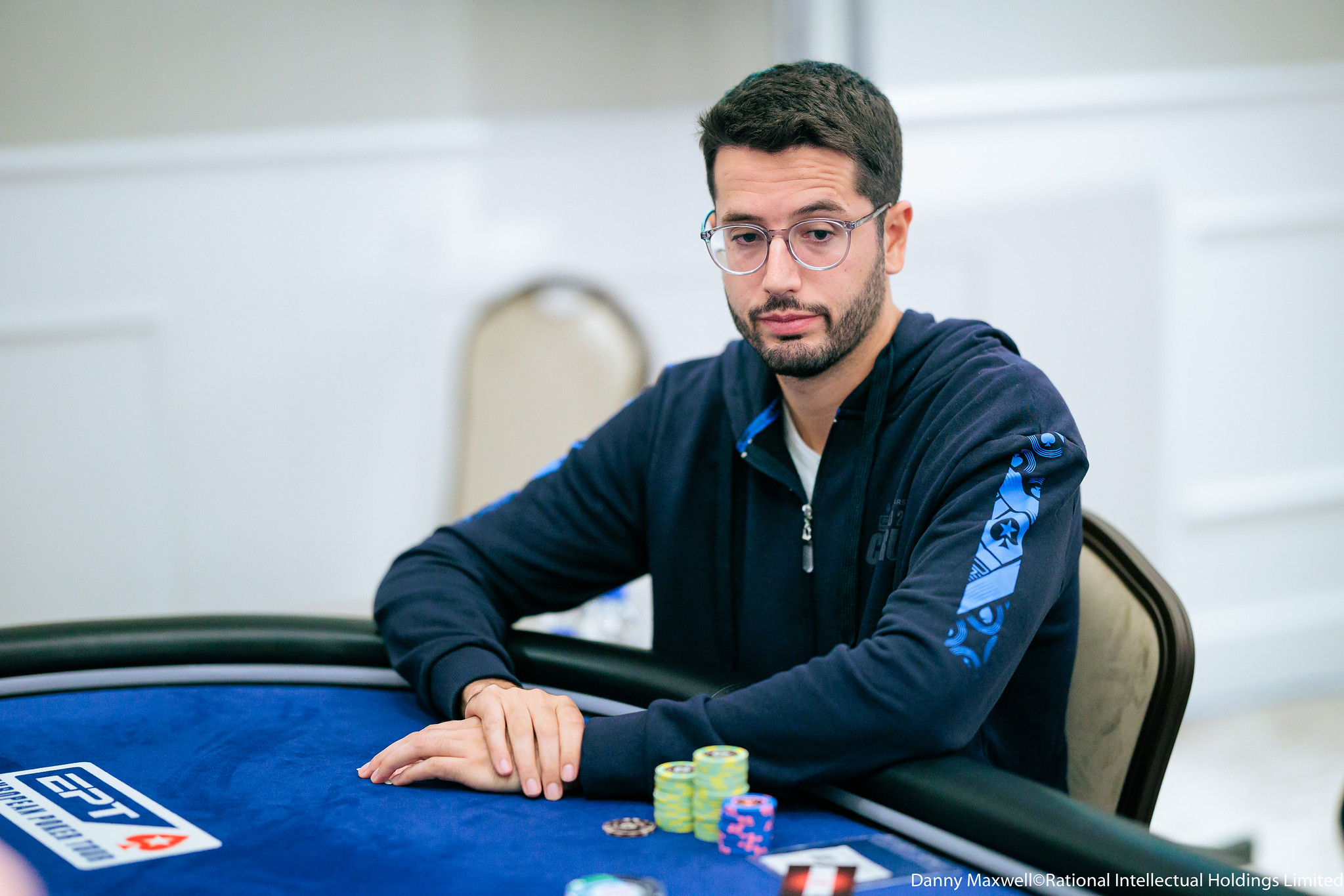
He uses a sports comparison to Cristiano Ronaldo and Messi. If they left to play in a weaker league and stopped training, they'd still be exceptional, but their performance might not match when they return to play among the best. Pardo states that poker works similarly. Live high rollers are not where you build form from scratch. They are where the work done at home on the computer is showcased. If you can't be the best in a $250 online event, you won't be prepared to deliver your best performance on a $100K final table in front of cameras.
A Technical Player Who Learned to Exploit
Pardo claims that since the advent of solvers, his game has always been very technical. He wasn't a player who relied solely on natural genius. He describes himself as someone with a lot of repetitions, hours in front of the solver, and a good visual memory. The strategies he sees stick in his mind. However, his technical foundation has allowed him to become a better exploiter.
To truly exploit, a player must first know the theory. Only then can he recognize where the population doesn't bluff, where they overfold, where they never find a call, or where a specific opponent simply lacks courage. Pardo no longer bluffs just because "GTO says this combination is perfect." If he senses the opponent is overfolding, he'll bluff everything. If he feels the opponent will never fold, he has zero bluffs.
Yet he clearly warns against blindly copying solver outputs. If a solver suggests a large overbet on the flop, it doesn't mean a player should automatically use it in real play. According to Pardo, it's crucial to develop a strategy the player understands and can execute well. If he uses a 150% pot sizing just because he saw it in the solver, but has no idea how the population reacts, he might only complicate the turn and river.
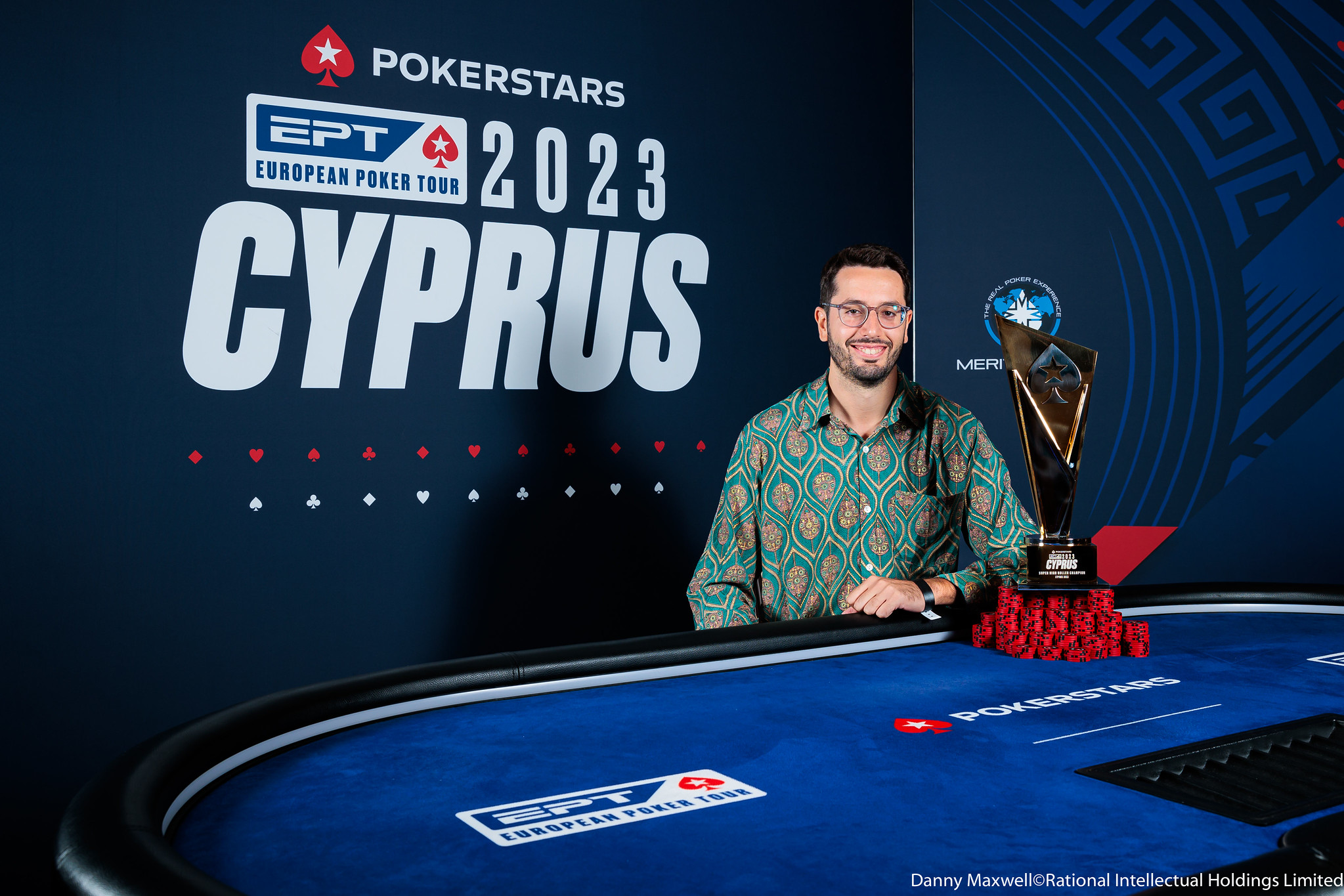
Confidence that Preceded Results
One of the podcast's standout moments comes when discussing confidence. Pardo says that practically since he moved to England, he was clear-minded: he would be one of the world's best players. He considered himself one of the best even when his results and status didn't fully align. It wasn't empty ego. Every morning he could ask himself: what is the best player in the world doing today? The answer was simple – five hours of study, a ten-hour session, hand reviews, and then the next day, repeat.
This confidence functioned like autosuggestion. First he believed it, then he acted on it, and over time, reality began to align with the image in his head. However, he admits there's a thin line between confidence and arrogance. Especially younger players can seem intimidating if they present themselves as geniuses before they have the results or the ability to listen.
Pardo is also known for his extremely strong folds. The interview touches on his ace-king fold against aces and the legendary kings fold against Jean Noel Thorel and Stephen Chidwick. Technically, these are hands most players would never fold. Pardo, however, explains that in such decisions, he heavily trusts his intuition. Not intuition as a random feeling, but intuition built on thousands of hours of playing, studying, observing sizing, timings, and the table's atmosphere.
In the kings hand, he mentions the way his opponent announced their all-in – the speed, tone, and the moment itself constructed a story in his head that did not make sense for a weaker hand. He admits that in another simulation of the universe, he might be a complete fool. Maybe the opponent has king-x or ace-jack, and he's making a terrible fold on the Triton final table. But at that particular moment, everything inside him screamed that he was behind. And here's where you see the difference between a player afraid to look bad and one willing to make a decision he stands by in that moment.
Emotions, Ego, and the Pursuit of EV
The interview also delves into an important topic: professionals often claim they're only interested in EV+ decisions, but reality is more complex. People want to be respected, they don't want to embarrass themselves, don't want to look bad on stream, want to be seen as top players or won titles. Pardo says we are all emotional beings cloaked in rationality.
It's important that he is not afraid to make a big bluff or a big fold on a televised table, even if it might look bad. If he thinks a particular line is correct, he'll take it. Afterward, he might not sleep and think about it all night, but at the moment of execution, he doesn't want fear of public opinion stopping him. This is one of the reasons his game appears so strong. He's not without emotions, but he doesn't let them make decisions for him.
Triton: Less Mistakes, Right People, and Simplicity
One of the podcast's practical parts addresses how a low or mid-stakes online regular could reach a level within three years where they would be +EV in Triton events. According to him, the first step is surrounding yourself with the right people—coaches, study groups, and players who are better. Absorbing content, asking questions, discussing, and entering an environment where a higher standard is normal.
The second is to simplify the game. Don't unnecessarily seek out spots where a player could get lost. If check-raise and call have similar EV, but check-raise creates difficult turn and river scenarios, a beginner player should often choose the simpler path. Once he’s gained skills, he can add more sizings, more aggressive lines, and more complex strategies. Pardo sums it up simply: in poker, you don't have to be a genius, you just have to make fewer mistakes than your opponent.
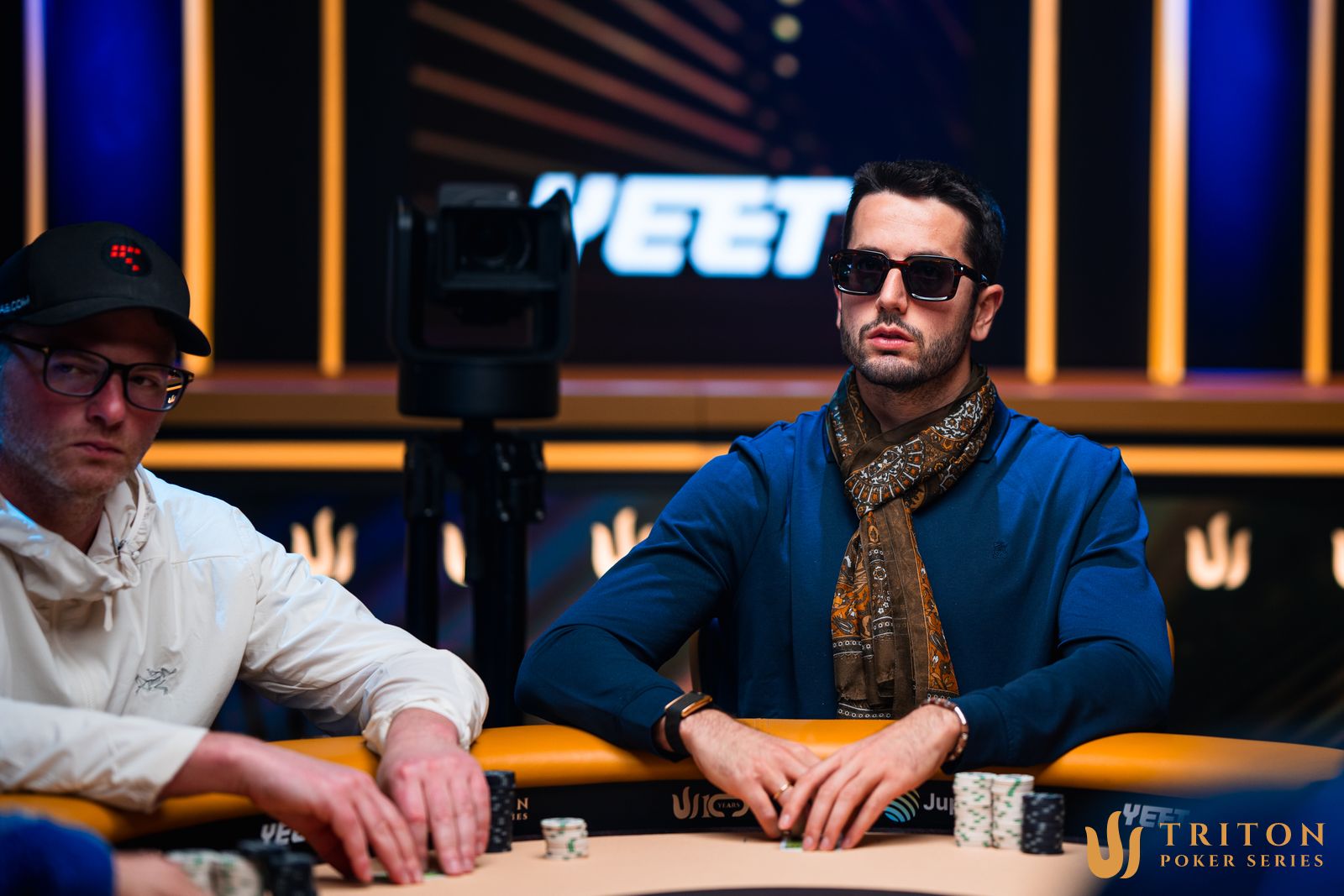
On the matter of sacrifices, Pardo is surprisingly straightforward. Yes, he left Malaga, family, and lifelong friends, had to travel a lot, spend thousands of hours online, and build a life around poker. But he would do it again. He says poker gave him his dream life, autonomy, freedom, a community of like-minded individuals, and the opportunity to grow based solely on his efforts. He even states that if he were to die tomorrow, everything would be okay because he lived 31 incredible years.
Health as an Edge That Came Later
In conclusion, Pardo offers three pieces of advice, and the most important isn't a solver, but health. He says if he could advise his younger self, he'd tell him to prioritize health first. Quality food, real ingredients, sports, and strength training. When he looks at older photos from live poker, he sees a heavier version of himself, with a swollen face and a lifestyle he doesn't like today. When he began prioritizing health over poker, his poker improved.
To that, he adds reading and working on inner dialogue. Economics, finance, psychology, personal development, nutrition—everything that contributes to better thoughts and more stable energy. And finally, meditation. He has been doing 10 minutes of meditation before online sessions for five or six years, to enter the game with a clear head and sustain eight to ten hours of focus. For a player who strongly believes in study and volume, it's interesting that, in the end, he returns to the basics: body, mind, people around you, and the energy you protect.
More from the GTO Lab Podcast
Dan Smith: Depression, Battling Inner Demons, and Finding Balance Beyond Poker
Samuel Mullur: From His Mom's Basement to the Pinnacle of High Stakes
Ben Tollerene: The Online Legend and Triton Champion Who Paid a High Price for Success
Brian Rast: Poker, Solvers, Bitcoin, and the Life of the Most Versatile Player of the Modern Era
Kevin Rabichow: Why Poker Growth is Hindered by Bad Habits, Not Bad Cards
Kayhan Mokri: If Everyone Uses the Same Tools, Find Your Edge Elsewhere
Seth Davies: Poker Teaches You a Lot, But You Have to Grow Up Away from the Table
Dan “Jungleman” Cates: Why Raw Genius Isn't Enough and the Game Will Eventually Catch Up
Stephen Chidwick: Why Results are Deceptive and Decisions Matter More
Ike Haxton: Precise Sizing Doesn't Matter, the Real Edge is a Calm Mind
Alex Kulev: What You Need to Change in Your Mindset to Make the Leap to High Stakes
Leon Sturm: How to Think Independently in the High Roller Scene
Orpen Kisacikoglu: The Solver Gives Quick Answers but Takes Away the Thought Process
Alex Ponakovs: Why Independent Thinking is More Important Than Blindly Following Solvers
Nick Petrangelo: No More Weak Players in $100K Tournaments, It's All About Continuous Work
Daniel Negreanu: Staying at the Poker Pinnacle Requires Hard Work, Not Luck
Fedor Holz: I Once Wanted Wins, Titles, and Money. Now I Want Happiness
Sources – YouTube, Triton Poker, PokerNews, Flickr/PSlive
